End of a Decade-Long Debate: US Legislatively Distinguishes 'Digital Commodities vs. Digital Securities' for the First Time, CFTC Takes Over Secondary Market

marsbitXuất bản vào 2025-12-10Cập nhật gần nhất vào 2025-12-10

Tóm tắt

The U.S. is advancing the Crypto-Asset Market Structure Act (CLARITY Act), which aims to resolve the long-standing regulatory debate over whether digital assets are securities or commodities. The bill establishes a clear distinction: tokens issued on sufficiently decentralized blockchains are classified as "digital commodities" under CFTC oversight, while those meeting the Howey test remain "digital securities" regulated by the SEC. It introduces a "mature blockchain" exemption, allowing networks like Bitcoin to avoid SEC registration if they meet decentralization criteria. The CFTC will oversee secondary markets, requiring trading platforms to register as digital commodity exchanges. The legislation also includes limited fundraising exemptions and mandates coordination between the CFTC and SEC via a joint advisory committee. This move, supported by crypto-friendly appointments under the Trump administration, signals a structured regulatory approach aimed at fostering innovation while protecting investors.

On December 10, US Senators Gillibrand and Lummis stated at the Blockchain Association Policy Summit that the draft of the Crypto-Asset Market Structure Act (CLARITY Act) is expected to be released this weekend and enter the revision and hearing voting stage next week. This means this long-awaited legislative project has officially entered its decisive window.

The bill was first introduced in the US House of Representatives on May 29, 2025, by House Financial Services Committee Chairman Patrick McHenry and Digital Assets and Innovation Subcommittee Chairman French Hill. It passed the House vote by an overwhelming majority (294 votes in favor) on July 17 and is currently awaiting final review by the Senate.

Core Design of the Bill: Classification Over a One-Size-Fits-All Approach

The core of the Crypto-Asset Market Structure Act lies in its attempt to end the decade-long tug-of-war between US regulators and the industry over "whether it is a security or a commodity." It is the first legislation to draw a clear boundary for digital assets, avoiding a one-size-fits-all regulatory model in favor of a classified regulatory framework. Specifically:

Legal Distinction Between "Digital Commodities" and "Digital Securities"

The bill explicitly defines the vast majority of tokens natively issued on decentralized blockchains as "digital commodities," transferring their regulatory authority to the Commodity Futures Trading Commission (CFTC). Only those tokens that meet the Howey Test and possess typical "investment contract" characteristics will continue to be regulated by the SEC under securities laws.

"Mature Blockchain" Exemption Path

To prevent all tokens from being forcibly classified as securities, the bill establishes a "mature blockchain system" standard: a blockchain must simultaneously satisfy conditions such as "high decentralization" (no single entity controls more than 20% of the token supply or validation power) and derive its value primarily from the actual use of the network to be exempt from SEC securities registration requirements. This provides a clear path for mainstream assets like Bitcoin and Ethereum, ensuring that regulation does not stifle technological progress.

Secondary Market Fully Transitions to CFTC Oversight

The bill requires all platforms engaged in the trading of digital commodity spots or derivatives to register with the CFTC as a "Digital Commodity Exchange" (DCE), digital commodity broker, or dealer. Considering industry realities, the bill also specifically sets up a 360-day "provisional registration" channel to ensure that existing compliant platforms are not forced to shut down due to technical violations during the transition period, thereby achieving a stable transition.

Limited Fundraising Exemption

Even for initial token offerings on mature blockchains, if still deemed an "investment contract," the issuer can apply for an exemption from the registration requirements of the 1933 Securities Act. However, the total annual fundraising amount must not exceed $75 million, and stricter information disclosure obligations must be fulfilled. This design attempts to strike a balance between encouraging innovation and protecting investors.

Division of Labor Between CFTC and SEC: From Confrontation to Collaboration

The prolonged jurisdictional tug-of-war between the SEC and CFTC over digital assets has long been described as the "Achilles' heel" of the crypto industry. Regulatory uncertainty was even considered a significant hidden cost suppressing innovation vitality in the US. If the Crypto-Asset Market Structure Act officially takes effect, it will legislatively end this situation, establishing a clear division of responsibilities: the CFTC becomes the core regulator of the digital commodity secondary market, while the SEC focuses on token offerings and private placement behaviors in the primary market that still possess securities attributes.

To ensure coordination between the two agencies in overlapping areas, the bill requires the establishment of a permanent "Joint Advisory Committee". Either agency must formally respond to non-binding recommendations put forward by the committee when formulating rules that may affect the other's jurisdictional scope. This mechanism aims to avoid future regulatory gaps or overlapping regulations.

Simultaneously, the bill provides clear protection for the decentralized finance (DeFi) ecosystem: protocol front-end developers, node validators, miners, and other non-custodial, non-profit roles will be explicitly excluded from the definitions of "broker" or "dealer," significantly reducing the compliance burden at the protocol level and preserving reasonable space for technological innovation.

Supporting Actions Progressing Simultaneously: CFTC is "Implementing First"

As the Senate review of the Crypto-Asset Market Structure Act enters a critical stage, on December 5, Acting Chairman of the US Commodity Futures Trading Commission (CFTC), Caroline D. Pham, announced that spot cryptocurrency products will, for the first time, be permitted to trade on CFTC-registered regulated futures exchanges.

Pham stated that this move is part of the Trump administration's plan to establish the US as the "cryptocurrency capital of the world," aiming to address the lack of safeguards on offshore exchanges by providing a regulated domestic market.

Furthermore, as part of the "Crypto Sprint" initiative, the CFTC will also promote the use of tokenized collateral (including stablecoins) in derivatives markets and revise rules to support the application of blockchain technology in infrastructure such as clearing and settlement. This will strengthen the CFTC's leadership role in the digital asset space, highly aligning with the spirit of the bill.

Trump's Nominations Accelerate: Crypto-Friendly Leadership in Place

Since Trump's second term, the personnel layout of major US financial regulatory agencies has continued to tilt towards supporting digital assets. This shift has become a key catalyst for the development of the crypto industry.

US Securities and Exchange Commission (SEC) Chairman Paul Atkins stated in an interview with CNBC that the US "resistance" to cryptocurrency has lasted "too long." Paul Atkins was appointed by Trump and took office in 2025. He views the Crypto-Asset Market Structure Act as part of "Project Crypto," which aims to bring order and fairness to digital asset classification through legislation and rules.

Simultaneously, on October 25, 2025, Trump nominated Brian Quintenz to serve as CFTC Chairman and Commissioner. He is a former crypto lawyer who represented numerous crypto companies (such as venture capital funds and blockchain projects) at Willkie Farr & Gallagher LLP and has served as Chief Legal Counsel of the SEC's Crypto Task Force since March 2025, reporting directly to Atkins.

Trump also nominated Travis Hill to serve as Chairman of the Federal Deposit Insurance Corporation (FDIC); he had been serving as Acting Chairman since 2025. Hill is also crypto-friendly, having publicly supported banks' involvement in crypto custody and stablecoin issuance, believing it can enhance financial inclusion. The FDIC regulates the interface between banks and crypto (e.g., stablecoin issuers), and his appointment may facilitate banks' entry into the crypto space.

After the government resumed operations, the SEC has also successively introduced system optimization plans to accelerate the ETF approval pace. The overall signal is very clear: regulatory logic is transitioning from defensive management to structural acceptance.

Conclusion: The US is Completing the "Crypto Rule of Law Puzzle"

More importantly, the progress of the Crypto-Asset Market Structure Act may consolidate the effectiveness of the U.S. Stablecoin Innovation Act signed by Trump earlier this year, which already provides a safety framework for stablecoin issuance. This bill further completes the legislative puzzle for the crypto industry, fills market structure gaps, and promotes the US from a "follower" to a "leader" in global crypto regulation.

Overall, these policy and personnel changes预示 (foreshadow) structural opportunities for the US crypto ecosystem. Regulatory clarity could attract more institutional capital inflows. However, challenges have not disappeared, such as coordinating DeFi regulatory details and aligning with international standards. But for global crypto practitioners, this is not just an American story; it is a crucial window period for the entire industry.

Tiền kỹ thuật số thịnh hành

Câu hỏi Liên quan

QWhat is the core design principle of the Crypto-Asset Market Structure Act (CLARITY Act) regarding digital asset regulation?

AThe core design principle is to avoid a 'one-size-fits-all' regulatory model and instead adopt a classification framework. It clearly distinguishes between 'digital commodities' and 'digital securities' by law, ending the decade-long jurisdictional tug-of-war between regulators.

QWhich US regulatory agency is given primary oversight of the secondary market for digital commodities under the proposed bill?

AThe Commodity Futures Trading Commission (CFTC) is given primary regulatory authority over the secondary market for digital commodities. Trading platforms must register with the CFTC as Digital Commodity Exchanges (DCEs), brokers, or dealers.

QWhat is the 'mature blockchain' exemption path outlined in the CLARITY Act?

AThe 'mature blockchain' exemption allows a token to be exempt from SEC securities registration if its underlying blockchain is 'highly decentralized'—meaning no single entity controls more than 20% of the token supply or validation power—and its value is primarily derived from the network's actual use.

QWhat key personnel changes has the Trump administration made to foster a more crypto-friendly regulatory environment?

AThe Trump administration has appointed crypto-friendly leaders, including SEC Chairman Paul Atkins, CFTC Chairman nominee Brian Quintenz (a former crypto lawyer), and FDIC Acting Chairman Travis Hill, who supports banks engaging in crypto custody and stablecoin issuance.

QHow does the bill aim to ensure coordination between the CFTC and SEC to avoid future regulatory gaps or overlaps?

AThe bill mandates the establishment of a permanent 'Joint Advisory Committee.' Both agencies must formally respond to the committee's non-binding recommendations when formulating rules that could impact the other's jurisdiction, ensuring coordination and preventing regulatory gaps or duplication.

Nội dung Liên quan

Micron bịt miệng phe bán khống, cũng khiến "Buffett Ấn Độ" hối hận: Bán quá sớm, lỡ mất 2 tỷ USD

Được mệnh danh là "Warren Buffett của Ấn Độ", nhà đầu tư giá trị nổi tiếng Mohnish Pabrai đã chia sẻ về giao dịch sai lầm đau đớn nhất của mình trong một cuộc phỏng vấn. Ông từng nắm giữ cổ phiếu Micron trong sáu năm, bắt đầu từ 2017, với lý tư duy rằng thị trường bộ nhớ toàn cầu sẽ chỉ còn ba công ty lớn: Samsung, SK Hynix và Micron. Tuy nhiên, vào năm 2023, ông đã bán toàn bộ vị thế khi Samsung thông báo mở rộng sản xuất, lo ngại logic về phía cung bị phá vỡ. Sau khi ông bán ra, nhu cầu về HBM (bộ nhớ băng thông cao) bùng nổ nhờ AI, đẩy giá cổ phiếu Micron tăng hơn 15 lần trong hai năm, khiến ông ước tính bỏ lỡ khoảng 20 tỷ USD lợi nhuận. Ông cũng thừa nhận bán SK Hynix quá sớm, vi phạm nguyên tắc "nắm giữ mãi mãi" những công ty có lợi thế cạnh tranh bền vững. Pabrai là một môn đồ trung thành của Buffett, thậm chí từng trả 650.000 USD cho bữa trưa với huyền thoại đầu tư này. Ông áp dụng phương pháp đầu tư với một danh sách kiểm tra gồm 213 câu hỏi, rút ra từ các bài học thất bại. Ba nguyên tắc cốt lõi của ông là: không sử dụng đòn bẩy, tập trung vào lợi thế cạnh tranh lâu dài (hào rào kinh tế), và đánh giá tính cách của ban lãnh đạo. Ông khẳng định hầu hết mọi người nên đầu tư vào các quỹ chỉ số. Về triết lý sống, Pabrai tin rằng mất tiền không phải là mất mát lớn, sức khỏe quan trọng hơn một chút, nhưng mất đi nhân cách là mất tất cả. Mục tiêu cuối cùng của ông là quyên góp hết tài sản trước khi qua đời.

marsbit19 phút trước

Micron bịt miệng phe bán khống, cũng khiến "Buffett Ấn Độ" hối hận: Bán quá sớm, lỡ mất 2 tỷ USD

marsbit19 phút trước

Nhân vật chính tiếp theo của miHoYo, là cô gái chơi piano ấy

Tập đoàn game Mihoyo, nổi tiếng với "Genshin Impact", đang thực hiện một cuộc chuyển hướng chiến lược lớn sang lĩnh vực trí tuệ nhân tạo (AI), với mục tiêu tạo ra những nhân vật ảo có cảm xúc và có thể tương tác thực sự. Nỗ lực này bắt nguồn từ tầm nhìn "xây dựng thế giới ảo cho 1 tỷ người vào năm 2030". Đồng sáng lập Thái Hạo Vũ đã rời vị trí quản lý để dẫn dắt dự án AI Anuttacon ở nước ngoài. Trong khi đó, tại Trung Quốc, Mihoyo tuyên bố sẽ đầu tư tới 100 tỷ nhân dân tệ trong ba năm tới để phát triển "mô hình ngôn ngữ lớn có cảm xúc". Sản phẩm AI đầu tiên được công bố là "BSide: Olivia Lin", một ứng dụng miễn phí trên Steam. Nhân vật chính, Lâm Ly, là một cô gái chơi piano, có thể trả lời thư và chơi nhạc do người dùng tải lên. Ứng dụng này tập trung vào việc tạo ra "cảm giác như người thật" thông qua tương tác có nhịp độ chậm và tinh tế, thay vì đối thoại liên tục. Cách tiếp cận này phản ánh hành trình dài của Mihoyo, từ một công ty khởi nghiệp trong ký túc xá Đại học Giao thông Thượng Hải, đến việc đặt tên công ty theo ca sĩ ảo Hatsune Miku (trong đó "mi" lấy từ "Miku"). Giấc mơ cốt lõi của họ luôn là tạo ra những nhân vật ảo không chỉ được yêu mến, mà một ngày nào đó có thể thực sự hiểu được tình cảm đó.

marsbit36 phút trước

Nhân vật chính tiếp theo của miHoYo, là cô gái chơi piano ấy

marsbit36 phút trước

Báo cáo nghiên cứu: Doanh thu AI của TSMC sẽ tăng gấp đôi vào năm 2027, năng lực sản xuất CoWoS vẫn là nút thắt

**Phân tích báo cáo: Doanh thu AI của TSMC sẽ tăng gấp đôi vào năm 2027, công suất CoWoS vẫn là nút cổ chai** Morgan Stanley nâng dự báo nhu cầu đóng gói tiên tiến CoWoS toàn cầu cho năm 2027. Họ dự đoán doanh thu liên quan đến AI của TSMC sẽ đạt 86,3 tỷ USD vào năm 2027, tăng 218% so với 27,1 tỷ USD của năm 2026. Cấu thành chính bao gồm doanh thu GPU (28 tỷ USD), chip AI tùy chỉnh (18 tỷ USD), đóng gói tiên tiến CoWoS (40 tỷ USD) và CPU máy chủ AI (0,3 tỷ USD). Nhu cầu CoWoS toàn cầu dự kiến tăng 93% lên 2,694 triệu phiến vào năm 2027. NVIDIA vẫn là động lực chính, với nhu cầu CoWoS dự kiến tăng 57%. Tuy nhiên, nhu cầu từ AMD được dự báo tăng mạnh 308%, chủ yếu do CPU Venice và GPU MI400. Google TPU, thông qua đối tác thiết kế MediaTek và Broadcom, cũng đang trở thành khách hàng lớn thứ hai. Mặc dù TSMC lên kế hoạch tăng công suất CoWoS lên 200.000 phiến/tháng và các nhà cung cấp khác thêm 80.000 phiến/tháng vào cuối năm 2027 (tổng cộng 3,36 triệu phiến/năm), vẫn có khả năng xảy ra tình trạng thiếu hụt so với nhu cầu ước tính 2,694 triệu phiến. Đặc biệt, công suất cho các công nghệ cao cấp như CoWoS-L vẫn rất căng thẳng, củng cố quyền định giá của TSMC. Các yếu tố thúc đẩy gần đây bao gồm nguồn cung chất nền ABF được cải thiện (hỗ trợ TPU của Google), nhu cầu CPU mới từ NVIDIA Vera và AMD Venice, cũng như sản xuất hàng loạt GPU Rubin Ultra thế hệ tiếp theo của NVIDIA. Báo cáo cũng chỉ ra các công ty hưởng lợi trong chuỗi cung ứng như MediaTek (đối tác thiết kế TPU cho Google), ASE và KYEC. TSMC vẫn là công ty hưởng lợi cốt lõi, nhưng sự tăng trưởng đang lan rộng khắp chuỗi cung ứng AI.

marsbit52 phút trước

Báo cáo nghiên cứu: Doanh thu AI của TSMC sẽ tăng gấp đôi vào năm 2027, năng lực sản xuất CoWoS vẫn là nút thắt

marsbit52 phút trước

Citrini Research: Điểm danh 5 chủ đề đầu tư hàng đầu hiện nay bị che khuất bởi giao dịch AI

Citrini Research chỉ ra rằng sự tập trung thái quá của thị trường vào chủ đề AI đang che khuất 5 cơ hội đầu tư tiềm năng khác, nơi chênh lệch giữa kỳ vọng bị lãng quên và thực tế đang thay đổi có thể tạo ra lợi nhuận. 1. **Cổ phiếu hàng không (Delta & United):** Bị trừng phạt 18 tháng qua chủ yếu do lo ngại vĩ mô (lạm phát, giá dầu), không liên quan đến năng lực kinh doanh. Triển vọng tăng trưởng vẫn mạnh với xu hướng dịch vụ cao cấp hóa và đòn bẩy từ World Cup 2026. 2. **Bất động sản dưỡng lão:** Làn sóng già hóa dân số (nhóm 80+ tuổi ở Mỹ dự kiến tăng 56% trong thập kỷ tới) đang tạo nhu cầu lớn, trong khi nguồn cung cơ sở vật chất lại thiếu hụt. Các công ty như Welltower, Janus Living, Brookdale Senior Living được hưởng lợi. 3. **Giải trí trực tiếp (Live Events):** Trải nghiệm "có mặt tại chỗ" đang trở thành mặt hàng xa xỉ. Các công ty thể thao (TKO Group), rạp chiếu phim (Cinemark) và công nghệ nâng cao trải nghiệm (IMAX) hưởng lợi từ xu hướng này. 4. **Cạnh tranh sàn giao dịch phái sinh:** Độc quyền kéo dài 20 năm của CME (98% thị phần phái sinh lãi suất Mỹ) lần đầu đối mặt đối thủ thực sự là FMX Futures Exchange, được hậu thuẫn bởi loạt ngân hàng lớn với chiến lược phí thấp và ưu đãi. 5. **Phục hồi Fintech:** Lĩnh vực bị định giá thấp nhất năm 2026 đang cho thấy dấu hiệu phục hồi. SoFi (với stablecoin), Robinhood (chuyển đổi sang siêu ứng dụng tài chính) và Upstart (cải tổ lãnh đạo) có triển vọng khi sự chú ý của thị trường dịch chuyển. Báo cáo khuyến nghị nhà đầu tư mở rộng tầm nhìn ra ngoài chủ đề AI đang quá tải, tìm kiếm cơ hội trong các chủ đề "nhỏ" nhưng có động lực cơ bản rõ ràng này.

marsbit1 giờ trước

Citrini Research: Điểm danh 5 chủ đề đầu tư hàng đầu hiện nay bị che khuất bởi giao dịch AI

marsbit1 giờ trước

Cổ phiếu đạt mức cao kỷ lục! Corning nhắm tới thị trường kết nối quang CPO

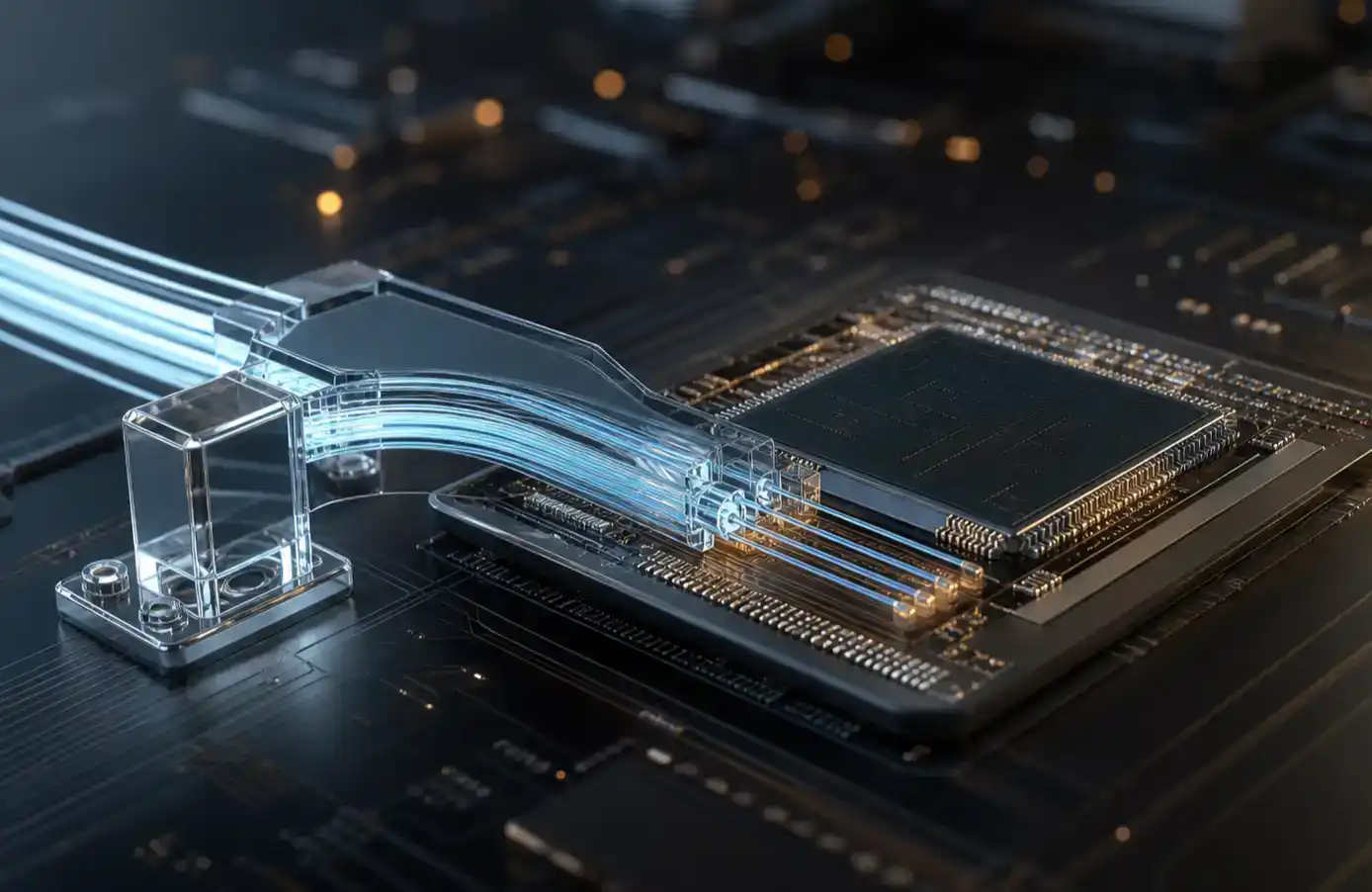
Cổ phiếu Corning đạt mức cao kỷ lục, đóng cửa ở 205,83 USD vào ngày 24/6, tăng 6,1%, nhờ kỳ vọng vào nhu cầu kết nối quang cho trung tâm dữ liệu AI. Tại hội nghị ở Seoul, Corning đã giới thiệu GlassBridge - một nền tảng kết nối sợi quang với mạch tích hợp quang tử (PIC), nhắm đến các ứng dụng NPO, CPO và mô-đun quang mật độ cao. GlassBridge giải quyết thách thức căn chỉnh giữa sợi quang (lõi micromet) và chip quang tử (bước sóng nanomet), hướng tới giảm tổn hao ghép nối và độ phức tạp lắp ráp. Thông số 1,5dB được công bố là một điểm nhấn, nhưng vẫn cần được kiểm chứng trong sản xuất hàng loạt và điều kiện vận hành thực tế. CPO (bao góng quang học chung) là xu hướng nhằm giảm tiêu thụ điện năng và độ trễ bằng cách đưa kết nối quang đến gần chip hơn. Corning muốn mở rộng vai trò từ nhà cung cấp cáp quang sang nhà cung cấp giải pháp kết nối quang tích hợp sâu, thông qua các nền tảng như GlassWorks AI. Công ty có các hợp tác chiến lược với GlobalFoundries, Meta và NVIDIA. Tuy nhiên, lộ trình của Corning vẫn còn thách thức. Thông tin về thời điểm sản xuất hàng loạt, tỷ lệ lỗi, chi phí và khách hàng triển khai chính vẫn chưa được tiết lộ. Thị trường kết nối quang AI đang có nhiều giải pháp cạnh tranh (như silicon quang, đóng gói nền thủy tinh). Thành công của GlassBridge và kiến trúc CPO dựa trên thủy tinh sẽ phụ thuộc vào quá trình xác thực từ các khách hàng là nhà sản xuất chip và nhà cung cấp đám mây.

marsbit1 giờ trước

Cổ phiếu đạt mức cao kỷ lục! Corning nhắm tới thị trường kết nối quang CPO

marsbit1 giờ trước

Giao dịch

Giao ngay
Hợp đồng Tương lai

Bài viết Nổi bật

NASDAQ100 là gì

Chỉ số Nasdaq-100 bao gồm 100 công ty phi tài chính lớn nhất được niêm yết trên Thị trường Chứng khoán Nasdaq và thường được sử dụng như một chỉ số chuẩn cho cổ phiếu tăng trưởng và công nghệ vốn hóa lớn của Hoa Kỳ.

Tổng lượt xem 30Xuất bản vào 2026.06.18Cập nhật vào 2026.06.18

NASDAQ100 là gì

Làm thế nào để Mua NASDAQ100

Chào mừng bạn đến với HTX.com! Chúng tôi đã làm cho mua Nasdaq-100 Index (NASDAQ100) trở nên đơn giản và thuận tiện. Làm theo hướng dẫn từng bước của chúng tôi để bắt đầu hành trình tiền kỹ thuật số của bạn.Bước 1: Tạo Tài khoản HTX của BạnSử dụng email hoặc số điện thoại của bạn để đăng ký tài khoản miễn phí trên HTX. Trải nghiệm hành trình đăng ký không rắc rối và mở khóa tất cả tính năng. Nhận Tài khoản của tôiBước 2: Truy cập Mua Crypto và Chọn Phương thức Thanh toán của BạnThẻ Tín dụng/Ghi nợ: Sử dụng Visa hoặc Mastercard của bạn để mua Nasdaq-100 Index (NASDAQ100) ngay lập tức.Số dư: Sử dụng tiền từ số dư tài khoản HTX của bạn để giao dịch liền mạch.Bên thứ ba: Chúng tôi đã thêm những phương thức thanh toán phổ biến như Google Pay và Apple Pay để nâng cao sự tiện lợi.P2P: Giao dịch trực tiếp với người dùng khác trên HTX.Thị trường mua bán phi tập trung (OTC): Chúng tôi cung cấp những dịch vụ được thiết kế riêng và tỷ giá hối đoái cạnh tranh cho nhà giao dịch.Bước 3: Lưu trữ Nasdaq-100 Index (NASDAQ100) của BạnSau khi mua Nasdaq-100 Index (NASDAQ100), lưu trữ trong tài khoản HTX của bạn. Ngoài ra, bạn có thể gửi đi nơi khác qua chuyển khoản blockchain hoặc sử dụng để giao dịch những tiền kỹ thuật số khác.Bước 4: Giao dịch Nasdaq-100 Index (NASDAQ100)Giao dịch Nasdaq-100 Index (NASDAQ100) dễ dàng trên thị trường giao ngay của HTX. Chỉ cần truy cập vào tài khoản của bạn, chọn cặp giao dịch, thực hiện giao dịch và theo dõi trong thời gian thực. Chúng tôi cung cấp trải nghiệm thân thiện với người dùng cho cả người mới bắt đầu và người giao dịch dày dạn kinh nghiệm.

Tổng lượt xem 23Xuất bản vào 2026.06.18Cập nhật vào 2026.06.18

Làm thế nào để Mua NASDAQ100

RE là gì

I. Giới thiệu Dự án Re Protocol là một thị trường vốn trên chuỗi kết nối vốn stablecoin với tái bảo hiểm được đảm bảo hoàn toàn và được quản lý. Tái bảo hiểm cho phép các công ty bảo hiểm chuyển nhượng một phần rủi ro của họ cho các nhà bảo hiểm chuyên biệt khác, giúp họ hấp thụ các khoản lỗ lớn và tiếp tục cung cấp bảo hiểm. II. Thông tin Token Tên token: RE(Re) III. Liên kết liên quan Website:https://re.xyz/ Explorers:https://bscscan.com/token/0xd41fdb03ba84762dd66a0af1a6c8540ff1ba5dfb https://etherscan.io/token/0x526526528f35ac738177003b8773b402b8df8143 Twitter:https://twitter.com/re Ghi chú: Giới thiệu dự án được lấy từ các tài liệu được công bố hoặc cung cấp bởi đội ngũ dự án chính thức, chỉ mang tính chất tham khảo và không cấu thành lời khuyên đầu tư. HTX không chịu trách nhiệm cho bất kỳ tổn thất trực tiếp hoặc gián tiếp nào phát sinh.

Tổng lượt xem 87Xuất bản vào 2026.06.18Cập nhật vào 2026.06.18

RE là gì

Thảo luận

Chào mừng đến với Cộng đồng HTX. Tại đây, bạn có thể được thông báo về những phát triển nền tảng mới nhất và có quyền truy cập vào thông tin chuyên sâu về thị trường. Ý kiến ​​của người dùng về giá của A (A) được trình bày dưới đây.

活动图片