CFTC Welcomes New Leadership, Accelerating Legislation on Cryptocurrency Market Structure

比推Xuất bản vào 2025-12-23Cập nhật gần nhất vào 2025-12-23

Tóm tắt

The U.S. Commodity Futures Trading Commission (CFTC) has appointed Michael Selig Sworn as its new chairman, following his confirmation by the Senate on December 18, 2025. Nominated by President Trump, Selig previously served as chief legal counsel for the SEC’s Crypto Assets Task Force and played a key role in shaping regulatory frameworks for digital assets. Selig’s appointment signals a shift toward clearer, innovation-friendly regulation of crypto markets. He has emphasized reducing unnecessary enforcement actions and compliance burdens on businesses, while supporting Congressional efforts to pass digital asset market structure legislation. His background is expected to help improve coordination between the CFTC and SEC. Challenges ahead include resource constraints at the understaffed CFTC and the current unusual situation of Selig being the only commissioner. His leadership is likely to advance the agency’s focus on balancing market integrity with support for financial innovation, in line with the Trump administration’s goal to strengthen U.S. leadership in digital finance.

Author: KarenZ, Foresight News

Original Title: CFTC's New Chair Takes Office! Can He Uphold Half of U.S. Financial Regulation?


The U.S. Commodity Futures Trading Commission (CFTC) has officially welcomed its new leader.

According to a statement released by the CFTC on December 22, 2025, Michael Selig Sworn was officially sworn in that day, becoming the 16th Chairman in the agency's history.

Appointment Background

Michael Selig Sworn was nominated by U.S. President Trump on October 27, 2025, and was confirmed by the U.S. Senate on December 18. This appointment marks the Trump administration's readjustment of the financial regulatory system, particularly in establishing a regulatory framework for the emerging digital asset market.
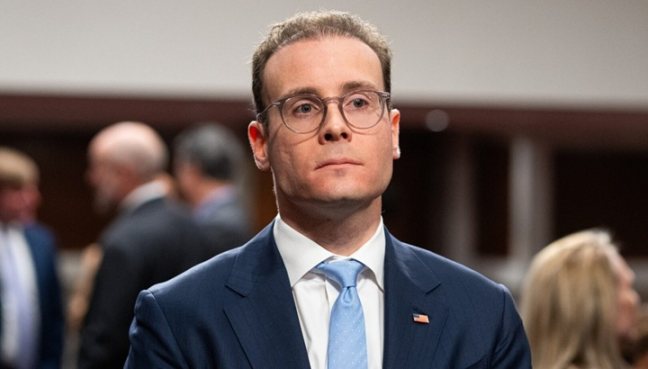
However, the nomination process was not smooth sailing. Trump initially nominated Brian Quintenz, a former CFTC Commissioner and former head of policy at a16z crypto, but ultimately withdrew the nomination due to resistance from the cryptocurrency industry. One reason was a dispute between Gemini's Tyler Winklevoss and Cameron Winklevoss and Brian Quintenz. Additionally, an informed source told The Block that some concerns were also focused on a16z's lobbying activities, which led to Brian Quintenz being excluded.

Subsequently, Michael Selig Sworn, in his role as Chief Legal Counsel of the U.S. Securities and Exchange Commission (SEC) Crypto Task Force, emerged as the new nominee. The Senate Agriculture Committee advanced his nomination along party lines, and it was ultimately confirmed by the full Senate.

Michael Selig Sworn's appointment comes after a prolonged period of interim leadership at the CFTC. Former Acting Chairman Caroline D. Pham announced her resignation on the same day, subsequently joining MoonPay as Chief Legal Officer and Executive Director.

Who is Michael Selig Sworn?

Prior to assuming the role of the new CFTC Chairman, Michael Selig Sworn accumulated considerable experience in both the public and private sectors.

According to the official statement, he served as Chief Legal Counsel of the SEC's Crypto Asset Task Force starting in March 2025, and was also a Senior Advisor to SEC Chairman Paul S. Atkins.

In this role, Michael Selig Sworn assisted in developing a clear regulatory framework for digital asset securities markets, coordinated the rule systems of the SEC and CFTC, promoted the modernization of agency rules to adapt to emerging technologies, and ended the practice of regulation by enforcement. Furthermore, he participated in the work of the President’s Working Group on Digital Assets and contributed to the "Strengthening U.S. Leadership in Digital Financial Technology" report.

It is worth noting that the "Strengthening U.S. Leadership in Digital Financial Technology" report is a presidential executive order issued by the White House on January 23, 2025. This executive action aims to promote U.S. leadership in the digital asset and financial technology fields while protecting economic freedom. Core contents include supporting the responsible development and use of digital assets, blockchain technology, and related technologies across all economic sectors; prohibiting CBDC; protecting dollar sovereignty and supporting dollar-backed stablecoins. Additionally, this executive order promoted the establishment of the President’s Working Group on Digital Assets, providing clear policy direction and strong legal support for the development of the U.S. digital asset industry.

Extended Reading: "Prohibiting CBDC, Upholding Dollar Sovereignty, Trump Signs First Crypto Executive Order"

Prior to this, from September 2015 to March 2025, Michael Selig Sworn worked as an Associate at three different law firms, later serving as Legal Counsel and then Partner at Willkie Farr & Gallagher LLP starting in 2022. According to the CFTC official release, Michael Selig Sworn primarily focused on derivatives and securities regulatory matters. During his private practice, he represented numerous clients regulated by the CFTC, including commercial end-users, futures commission merchants, commodity trading advisors, swap dealers, designated contract markets, derivatives clearing organizations, and digital asset companies. Selig advised clients on compliance with the Commodity Exchange Act and CFTC rules, covering registration applications and obligations, enforcement matters, and complex transactions, among other areas.

Notably, Michael Selig Sworn began his career in 2014 as a legal assistant to then-CFTC Commissioner J. Christopher Giancarlo, before transitioning to private practice at law firms.

Academically, Michael Selig Sworn holds a law degree from the George Washington University Law School, where he served as an articles editor for The George Washington Law Review. He also holds an undergraduate degree from Florida State University.

The New CFTC Chair's Regulatory Vision: Centered on "Made in America" Innovation, Consolidating Crypto Leadership

In his inauguration statement, Michael Selig Sworn thanked President Trump for the nomination and outlined his understanding of the CFTC's future direction, emphasizing the importance of balancing innovation and regulation.

He pointed out that this is a critical period for the CFTC's development, with numerous new technologies, products, and platforms emerging, and retail investor participation in commodity markets reaching record highs. Selig specifically emphasized the importance of the digital asset market structure legislation soon to be submitted to the President by Congress, stating it would consolidate the U.S.'s position as the "crypto capital of the world." He also直言 stated, "The CFTC will conquer these important areas, ensuring future innovation is 'Made in America.'"

Regarding the CFTC's role, Michael Selig Sworn gave a clear定位: "In the new markets of America's golden financial age, no institution is better suited than the CFTC to establish common-sense rules."

Meanwhile, former Acting Chairman Caroline D. Pham, in her departure statement, welcomed Michael Selig Sworn's appointment, describing him as pragmatic, results-oriented, and capable of balancing innovation with market integrity. Additionally, Caroline D. Pham mentioned that in 2025, the CFTC had already listed "promoting responsible innovation and fair competition" as a core mission, particularly with expanded regulatory scope in emerging areas like digital assets, cryptocurrency, and prediction markets, which will lay the groundwork for Michael Selig Sworn's subsequent work.

Potential Impact: Regulatory Shift, Accelerated Coordination, and Coexisting Challenges

How will Michael Selig Sworn's appointment reshape the U.S. financial regulatory landscape, especially the regulatory ecosystem of the digital asset领域? From his hearing statements, past experience, and industry trends, the direction of impact is becoming clear.

Regulatory Logic Shift: From "Strict Enforcement" to "Emphasis on Rules," Reducing "Technical Compliance" Burden

Michael Selig Sworn repeatedly emphasized during his hearings that the CFTC is the appropriate regulator for spot digital commodity trading and supports Congress's rapid advancement of digital asset market structure legislation. This aligns highly with the Trump administration's goal of "making America the crypto capital."

At the Senate confirmation hearing, according to WilmerHale报道, Selig多次 emphasized vigilance against "over-regulation" and "over-reliance on enforcement." He坦言 that he had personally witnessed regulatory agencies, by ignoring the practical impact of their actions and沉迷于 regulation by enforcement, ultimately push businesses overseas and burden entrepreneurs with red tape. To support this view, he shared a personal experience: assisting an agricultural company dealing with a massive CFTC investigation triggered merely by a "harmless error in swap data reporting," which forced the company to divert significant time and resources from its core business, severely impacting normal operations.

This direction is highly consistent with the adjustment of enforcement focus promoted by Pham during her tenure, aiming to avoid unnecessary regulatory burdens.

Will Rapidly Advance the Implementation of Digital Asset Market Structure Legislation

Michael Selig Sworn clearly stated that the CFTC will rapidly advance the implementation of digital asset market structure-related legislation and keep pace with market developments.

Coordinate SEC and CFTC, Promote a Unified Framework

From a broader perspective, Michael Selig Sworn's SEC background will help coordinate differences between the two major regulatory agencies (SEC and CFTC), reduce duplicate regulation, and promote a unified framework. This may accelerate the standardization of the spot crypto market.

According to the 166-page "Strengthening U.S. Leadership in Digital Financial Technology" report from the previous "President’s Working Group on Digital Assets," the SEC and CFTC should coordinate to ensure an efficient rulemaking process and solicit public comments on rulemaking proposals. Simultaneously, the report指出, the CFTC should clearly obtain regulatory authority over the spot market for non-security digital assets. SEC and CFTC registered entities could conduct diverse businesses under an efficient licensing framework, avoiding regulatory arbitrage. SEC-registered entities should be able to provide digital asset securities trading and engage in non-security digital asset trading according to the licensing structure defined by Congress. CFTC-registered entities should be able to provide digital commodity derivatives trading, retail digital commodity trading, and other CFTC-regulated products, as well as non-security digital assets designated by Congress.

Extended Reading: "White House Report Hides 100+ Legislative Recommendations, Also a Crypto Weather Vane"

What Challenges Does He Face?

Michael Selig Sworn also faces tangible challenges, such as resource and staffing gaps, and an imbalanced committee composition.

Several senators expressed concerns about the CFTC's resources and staffing. According to WilmerHale's报道, since the beginning of Trump's second term, the CFTC's staff has decreased by approximately 20%, currently standing at around 600 employees. If Congress grants the CFTC more crypto regulatory authority, additional funding and personnel support will be needed. Regrettably, Selig was vague in his hearing承诺 regarding specific resource needs.

Another issue worth noting is the composition of the CFTC Commission. According to official website information, the CFTC Commission consists of five commissioners appointed by the President with the advice and consent of the Senate, serving staggered five-year terms. However, after the acting chairman stepped down, the newly appointed Michael Selig Sworn found himself in the unusual situation of being the "lone commissioner." Currently, Michael Selig Sworn is the only Commissioner at the CFTC. This "single commissioner"格局打破了常规制衡机制 and significantly increases the Trump administration's policy control over the CFTC. This "single commissioner dominance" has also sparked discussions about regulatory neutrality.

When asked whether the vacant seats set a bad precedent, Michael Selig Sworn declined to comment, stating that nomination decisions should be made by the President. This evasive response somewhat reflects the sensitivity of this abnormal situation. When asked whether the vacant seats set a bad precedent, Selig declined to comment, stating that nomination decisions should be made by the President. This evasive response somewhat reflects the sensitivity of this abnormal situation.

A key question is whether Michael Selig Sworn will continue the reform pace initiated by Caroline D. Pham. Judging from the remarks made during the power transition, this seems highly likely. Caroline D. Pham's evaluation of Michael Selig Sworn indicates considerable consistency in regulatory logic between these two leaders, both emphasizing the balance between innovation and market integrity.

Furthermore, Michael Selig Sworn's focus on digital assets and emerging market structures, and his role in developing a coordination framework between the SEC and CFTC, suggest he may promote further coordination between these two key financial regulatory agencies.

How Michael Selig Sworn balances encouraging innovation with risk prevention, and how he advances broader regulatory responsibilities with limited resources, will be key看点 for the U.S. financial market in 2026.


Twitter:https://twitter.com/BitpushNewsCN

Bitpush TG Discussion Group:https://t.me/BitPushCommunity

Bitpush TG Subscription: https://t.me/bitpush

Original article link:https://www.bitpush.news/articles/7597837

Câu hỏi Liên quan

QWho is the new chairman of the CFTC and when was he sworn in?

AMichael Selig Sworn is the new chairman of the CFTC, and he was officially sworn in on December 22, 2025.

QWhat was the reason Brian Quintenz's nomination for CFTC chairman was withdrawn?

ABrian Quintenz's nomination was withdrawn due to resistance from the cryptocurrency industry, including a dispute with Gemini's Winklevoss twins and concerns about a16z's lobbying activities.

QWhat key report did Michael Selig Sworn contribute to while at the SEC, and what were its main goals?

AHe contributed to the 'Strengthening U.S. Leadership in Digital Financial Technology' report, which aimed to promote U.S. leadership in digital assets and blockchain technology, prohibit a CBDC, and support dollar-backed stablecoins.

QWhat is a major challenge the new CFTC chairman faces regarding the agency's structure?

AA major challenge is that he is currently the only commissioner at the CFTC, creating an unusual 'single commissioner' situation that lacks the typical checks and balances and raises concerns about regulatory neutrality.

QWhat legislative priority did Michael Selig Sworn emphasize in his new role?

AHe emphasized the CFTC will quickly advance the implementation of digital asset market structure legislation from Congress to solidify the U.S. as the 'crypto capital of the world'.

Nội dung Liên quan

Người sáng lập Booking.com Jeff Hoffman: Web3 và AI định hình lại thị trường du lịch xã hội nghìn tỷ USD như thế nào

Bài viết phỏng vấn Jeff Hoffman, nhà đồng sáng lập Booking.com, về tiềm năng của Web3 và AI trong việc định hình lại ngành du lịch xã hội trị giá nghìn tỷ đô la. Jeff chia sẻ hành trình từ đồng sáng lập Priceline, tiền thân của Booking Holdings, đến việc nhận ra cơ hội tái tạo quyền sở hữu và hệ thống khuyến khích thông qua Web3. Ông nhấn mạnh Web3 sẽ phá vỡ mô hình đại lý truyền thống bằng cách thúc đẩy kết nối trực tiếp, minh bạch và thanh toán nhanh hơn. Ba xu hướng toàn cầu làm nền tảng cho lợi thế này là nhu cầu phần thưởng linh hoạt, thanh toán kỹ thuật số phổ biến và sự tin tưởng vào cộng đồng. Điều này thúc đẩy Jeff tham gia Staynex, một nền tảng kết hợp đặt chỗ, thanh toán, AI và phần thưởng trong một hệ sinh thái thống nhất để giải quyết tình trạng phân mảnh của ngành. Ông đánh giá cao đội ngũ Staynex vì tập trung vào tính thực tiễn và khả năng thực thi. Trong tương lai, Jeff dự đoán blockchain và AI sẽ biến du lịch từ giao dịch đơn lẻ thành mối quan hệ liên tục, với phần thưởng minh bạch và trải nghiệm cá nhân hóa. Các nền tảng du lịch xã hội Web3+AI sẽ dịch chuyển trung tâm giá trị, trở thành cơ sở hạ tầng mới, trong khi các đại lý truyền thống sẽ phải thích nghi.

marsbit30 phút trước

Người sáng lập Booking.com Jeff Hoffman: Web3 và AI định hình lại thị trường du lịch xã hội nghìn tỷ USD như thế nào

marsbit30 phút trước

KOL trong không gian tiền điện tử cung cấp cộng đồng trả phí và bán khóa học có vi phạm pháp luật không?

Tác giả: Luật sư Thiều Thi Uy Bài viết phân tích các rủi ro pháp lý đối với KOL (người có ảnh hưởng) trong không gian tiền điện tử khi họ vận hành các nhóm trả phí hoặc bán khóa học về đầu tư. **Rủi ro chính:** Dù không có quy định cấp phép rõ ràng cho tiền điện tử, cơ quan thực thi pháp luật vẫn có thể dựa vào tinh thần chính sách để xử lý. Hoạt động có thể bị coi là "cung cấp tư vấn đầu tư" nếu nội dung mang tính chất hướng dẫn giao dịch. **Các mức độ rủi ro:** 1. **Nội dung thuần túy:** Phân tích lịch sử, kiến thức cơ bản, ít rủi ro nhất. 2. **Bán hướng dẫn:** Phân tích hàng ngày, giải thích thị trường, nhận định điểm vào lệnh tiềm năng ("vị trí này đáng chú ý") – rủi ro bắt đầu tích lũy. 3. **Hướng dẫn mạnh:** Đưa ra điểm mua/bán cụ thể, rủi ro hình sự cao nhất. **Hậu quả pháp lý:** * **Dân sự:** Người dùng có thể kiện đòi bồi thường nếu thua lỗ. * **Hình sự:** Có nguy cơ bị truy tố vì tội **lừa đảo** hoặc **lừa đảo tập thể** nếu người dùng báo cáo thua lỗ. **Cảnh báo:** Việc ghi chú "chỉ để tham khảo, không phải lời khuyên đầu tư" trong hợp đồng KHÔNG tự động loại bỏ rủi ro hình sự. Cơ quan điều tra sẽ xem xét bản chất thực tế của hoạt động. **Kết luận:** Rủi ro phụ thuộc vào tính chất nội dung, mối liên hệ giữa lời khuyên và hành động giao dịch của người dùng, và mô hình kinh doanh. Nếu đang hoạt động, nên đánh giá lại cẩn thận các rủi ro cụ thể.

marsbit55 phút trước

KOL trong không gian tiền điện tử cung cấp cộng đồng trả phí và bán khóa học có vi phạm pháp luật không?

marsbit55 phút trước

Giao dịch

Giao ngay
Hợp đồng Tương lai

Bài viết Nổi bật

AGENT S là gì

Agent S: Tương Lai của Tương Tác Tự Động trong Web3 Giới thiệu Trong bối cảnh không ngừng phát triển của Web3 và tiền điện tử, các đổi mới đang liên tục định nghĩa lại cách mà cá nhân tương tác với các nền tảng kỹ thuật số. Một dự án tiên phong như vậy, Agent S, hứa hẹn sẽ cách mạng hóa tương tác giữa con người và máy tính thông qua khung tác nhân mở của nó. Bằng cách mở đường cho các tương tác tự động, Agent S nhằm đơn giản hóa các nhiệm vụ phức tạp, cung cấp các ứng dụng chuyển đổi trong trí tuệ nhân tạo (AI). Cuộc khám phá chi tiết này sẽ đi sâu vào những phức tạp của dự án, các tính năng độc đáo của nó và những tác động đối với lĩnh vực tiền điện tử. Agent S là gì? Agent S đứng vững như một khung tác nhân mở đột phá, được thiết kế đặc biệt để giải quyết ba thách thức cơ bản trong việc tự động hóa các nhiệm vụ máy tính: Thu thập Kiến thức Cụ thể theo Miền: Khung này học một cách thông minh từ nhiều nguồn kiến thức bên ngoài và kinh nghiệm nội bộ. Cách tiếp cận kép này giúp nó xây dựng một kho lưu trữ phong phú về kiến thức cụ thể theo miền, nâng cao hiệu suất của nó trong việc thực hiện nhiệm vụ. Lập Kế Hoạch Qua Các Tầm Nhìn Nhiệm Vụ Dài Hạn: Agent S sử dụng lập kế hoạch phân cấp tăng cường kinh nghiệm, một cách tiếp cận chiến lược giúp phân chia và thực hiện các nhiệm vụ phức tạp một cách hiệu quả. Tính năng này nâng cao đáng kể khả năng quản lý nhiều nhiệm vụ con một cách hiệu quả và hiệu suất. Xử Lý Các Giao Diện Động, Không Đều: Dự án giới thiệu Giao Diện Tác Nhân-Máy Tính (ACI), một giải pháp đổi mới giúp nâng cao tương tác giữa các tác nhân và người dùng. Sử dụng các Mô Hình Ngôn Ngữ Lớn Đa Phương Thức (MLLMs), Agent S có thể điều hướng và thao tác các giao diện người dùng đồ họa đa dạng một cách liền mạch. Thông qua những tính năng tiên phong này, Agent S cung cấp một khung vững chắc giải quyết các phức tạp liên quan đến việc tự động hóa tương tác giữa con người với máy móc, mở ra nhiều ứng dụng trong AI và hơn thế nữa. Ai là Người Tạo ra Agent S? Mặc dù khái niệm về Agent S là hoàn toàn đổi mới, thông tin cụ thể về người sáng lập vẫn còn mơ hồ. Người sáng lập hiện vẫn chưa được biết đến, điều này làm nổi bật giai đoạn sơ khai của dự án hoặc sự lựa chọn chiến lược để giữ kín các thành viên sáng lập. Bất chấp sự ẩn danh, sự chú ý vẫn tập trung vào khả năng và tiềm năng của khung này. Ai là Các Nhà Đầu Tư của Agent S? Vì Agent S còn tương đối mới trong hệ sinh thái mã hóa, thông tin chi tiết về các nhà đầu tư và những người tài trợ tài chính của nó không được ghi chép rõ ràng. Sự thiếu vắng thông tin công khai về các nền tảng đầu tư hoặc tổ chức hỗ trợ dự án dấy lên câu hỏi về cấu trúc tài trợ và lộ trình phát triển của nó. Hiểu biết về sự hỗ trợ là rất quan trọng để đánh giá tính bền vững và tác động tiềm năng của dự án. Agent S Hoạt Động Như Thế Nào? Tại cốt lõi của Agent S là công nghệ tiên tiến cho phép nó hoạt động hiệu quả trong nhiều bối cảnh khác nhau. Mô hình hoạt động của nó được xây dựng xung quanh một số tính năng chính: Tương Tác Giống Như Con Người: Khung này cung cấp lập kế hoạch AI tiên tiến, cố gắng làm cho các tương tác với máy tính trở nên trực quan hơn. Bằng cách bắt chước hành vi của con người trong việc thực hiện nhiệm vụ, nó hứa hẹn nâng cao trải nghiệm người dùng. Ký Ức Tường Thuật: Được sử dụng để tận dụng các trải nghiệm cấp cao, Agent S sử dụng ký ức tường thuật để theo dõi lịch sử nhiệm vụ, từ đó nâng cao quy trình ra quyết định của nó. Ký Ức Tình Huống: Tính năng này cung cấp cho người dùng hướng dẫn từng bước, cho phép khung này cung cấp hỗ trợ theo ngữ cảnh khi các nhiệm vụ diễn ra. Hỗ Trợ OpenACI: Với khả năng chạy cục bộ, Agent S cho phép người dùng duy trì quyền kiểm soát đối với các tương tác và quy trình làm việc của họ, phù hợp với tinh thần phi tập trung của Web3. Tích Hợp Dễ Dàng với Các API Bên Ngoài: Tính linh hoạt và khả năng tương thích với nhiều nền tảng AI khác nhau đảm bảo rằng Agent S có thể hòa nhập liền mạch vào các hệ sinh thái công nghệ hiện có, làm cho nó trở thành lựa chọn hấp dẫn cho các nhà phát triển và tổ chức. Những chức năng này cùng nhau góp phần vào vị trí độc đáo của Agent S trong không gian tiền điện tử, khi nó tự động hóa các nhiệm vụ phức tạp, nhiều bước với sự can thiệp tối thiểu của con người. Khi dự án phát triển, các ứng dụng tiềm năng của nó trong Web3 có thể định nghĩa lại cách mà các tương tác kỹ thuật số diễn ra. Thời Gian Phát Triển của Agent S Sự phát triển và các cột mốc của Agent S có thể được tóm tắt trong một dòng thời gian nêu bật các sự kiện quan trọng của nó: 27 tháng 9, 2024: Khái niệm về Agent S được ra mắt trong một bài nghiên cứu toàn diện mang tên “Một Khung Tác Nhân Mở Sử Dụng Máy Tính Như Một Con Người,” trình bày nền tảng cho dự án. 10 tháng 10, 2024: Bài nghiên cứu được công bố công khai trên arXiv, cung cấp một cái nhìn sâu sắc về khung và đánh giá hiệu suất của nó dựa trên tiêu chuẩn OSWorld. 12 tháng 10, 2024: Một video trình bày được phát hành, cung cấp cái nhìn trực quan về khả năng và tính năng của Agent S, thu hút thêm sự quan tâm từ người dùng và nhà đầu tư tiềm năng. Những dấu mốc trong dòng thời gian không chỉ minh họa sự tiến bộ của Agent S mà còn chỉ ra cam kết của nó đối với sự minh bạch và sự tham gia của cộng đồng. Những Điểm Chính Về Agent S Khi khung Agent S tiếp tục phát triển, một số thuộc tính chính nổi bật, nhấn mạnh tính đổi mới và tiềm năng của nó: Khung Đổi Mới: Được thiết kế để cung cấp cách sử dụng máy tính trực quan giống như tương tác của con người, Agent S mang đến một cách tiếp cận mới cho việc tự động hóa nhiệm vụ. Tương Tác Tự Động: Khả năng tương tác tự động với máy tính thông qua GUI đánh dấu một bước tiến tới các giải pháp tính toán thông minh và hiệu quả hơn. Tự Động Hóa Nhiệm Vụ Phức Tạp: Với phương pháp mạnh mẽ của nó, nó có thể tự động hóa các nhiệm vụ phức tạp, nhiều bước, làm cho các quy trình nhanh hơn và ít sai sót hơn. Cải Tiến Liên Tục: Các cơ chế học tập cho phép Agent S cải thiện từ các trải nghiệm trước đó, liên tục nâng cao hiệu suất và hiệu quả của nó. Tính Linh Hoạt: Khả năng thích ứng của nó trên các môi trường hoạt động khác nhau như OSWorld và WindowsAgentArena đảm bảo rằng nó có thể phục vụ một loạt các ứng dụng rộng rãi. Khi Agent S định vị mình trong bối cảnh Web3 và tiền điện tử, tiềm năng của nó để nâng cao khả năng tương tác và tự động hóa quy trình đánh dấu một bước tiến quan trọng trong công nghệ AI. Thông qua khung đổi mới của mình, Agent S minh họa cho tương lai của các tương tác kỹ thuật số, hứa hẹn một trải nghiệm liền mạch và hiệu quả hơn cho người dùng trên nhiều ngành công nghiệp khác nhau. Kết luận Agent S đại diện cho một bước nhảy vọt táo bạo trong sự kết hợp giữa AI và Web3, với khả năng định nghĩa lại cách chúng ta tương tác với công nghệ. Mặc dù vẫn còn ở giai đoạn đầu, những khả năng cho ứng dụng của nó là rộng lớn và hấp dẫn. Thông qua khung toàn diện của mình giải quyết các thách thức quan trọng, Agent S nhằm đưa các tương tác tự động lên hàng đầu trong trải nghiệm kỹ thuật số. Khi chúng ta tiến sâu hơn vào các lĩnh vực tiền điện tử và phi tập trung, các dự án như Agent S chắc chắn sẽ đóng một vai trò quan trọng trong việc định hình tương lai của công nghệ và sự hợp tác giữa con người với máy tính.

Tổng lượt xem 636Xuất bản vào 2025.01.14Cập nhật vào 2025.01.14

AGENT S là gì

Làm thế nào để Mua S

Chào mừng bạn đến với HTX.com! Chúng tôi đã làm cho mua Sonic (S) trở nên đơn giản và thuận tiện. Làm theo hướng dẫn từng bước của chúng tôi để bắt đầu hành trình tiền kỹ thuật số của bạn.Bước 1: Tạo Tài khoản HTX của BạnSử dụng email hoặc số điện thoại của bạn để đăng ký tài khoản miễn phí trên HTX. Trải nghiệm hành trình đăng ký không rắc rối và mở khóa tất cả tính năng. Nhận Tài khoản của tôiBước 2: Truy cập Mua Crypto và Chọn Phương thức Thanh toán của BạnThẻ Tín dụng/Ghi nợ: Sử dụng Visa hoặc Mastercard của bạn để mua Sonic (S) ngay lập tức.Số dư: Sử dụng tiền từ số dư tài khoản HTX của bạn để giao dịch liền mạch.Bên thứ ba: Chúng tôi đã thêm những phương thức thanh toán phổ biến như Google Pay và Apple Pay để nâng cao sự tiện lợi.P2P: Giao dịch trực tiếp với người dùng khác trên HTX.Thị trường mua bán phi tập trung (OTC): Chúng tôi cung cấp những dịch vụ được thiết kế riêng và tỷ giá hối đoái cạnh tranh cho nhà giao dịch.Bước 3: Lưu trữ Sonic (S) của BạnSau khi mua Sonic (S), lưu trữ trong tài khoản HTX của bạn. Ngoài ra, bạn có thể gửi đi nơi khác qua chuyển khoản blockchain hoặc sử dụng để giao dịch những tiền kỹ thuật số khác.Bước 4: Giao dịch Sonic (S)Giao dịch Sonic (S) dễ dàng trên thị trường giao ngay của HTX. Chỉ cần truy cập vào tài khoản của bạn, chọn cặp giao dịch, thực hiện giao dịch và theo dõi trong thời gian thực. Chúng tôi cung cấp trải nghiệm thân thiện với người dùng cho cả người mới bắt đầu và người giao dịch dày dạn kinh nghiệm.

Tổng lượt xem 1.3kXuất bản vào 2025.01.15Cập nhật vào 2025.03.21

Làm thế nào để Mua S

Thảo luận

Chào mừng đến với Cộng đồng HTX. Tại đây, bạn có thể được thông báo về những phát triển nền tảng mới nhất và có quyền truy cập vào thông tin chuyên sâu về thị trường. Ý kiến ​​của người dùng về giá của S (S) được trình bày dưới đây.

活动图片