DeepSeek's "Self-Evolution" Blueprint, Revealed

marsbitXuất bản vào 2026-08-14Cập nhật gần nhất vào 2026-08-14

Tóm tắt

DeepSeek, in collaboration with Peking University, has unveiled a new research paper titled "A Programming Paradigm for Spatiotemporal Composability," which outlines the core architecture behind its "Harness" agent platform. The paper introduces **Cordis**, a foundational "Lego-like baseboard" that enables a highly modular and composable system where **everything is a plugin and everything can be reassembled**. The core innovation addresses two major challenges for self-evolving AI agents: **temporal composability** (the ability to dynamically load, unload, and update plugins at runtime without restarting the entire process) and **spatial composability** (managing complex, dynamic dependencies between components). Cordis solves these using two key theoretical concepts adapted for dynamic environments: **revertible effects** (which allow state changes to be cleanly rolled back) and **reactive coeffects** (which enable automatic, declarative dependency resolution). This design is not merely theoretical. It has been validated over four years in the **Koishi** chatbot framework, which is built on Cordis and hosts over 4,000 community plugins. The framework demonstrates live plugin management—enabling, disabling, or updating plugins without disrupting others—and robust handling of dependencies across a decentralized ecosystem. The paper represents DeepSeek's vision for a foundational infrastructure that supports true **self-evolution** in AI agents, allowing them to dynamically...

DeepSeek 's latest collaborative paper with Peking University has lifted the veil on the Harness version of "Whale."

It's titled "A Programming Paradigm for Spatiotemporal Composability," translated into Chinese as "一套处理时空可组合性的编程范式".

It sounds a bit convoluted, but you just need to remember one sentence—

The entire text revolves around Cordis, the core of the black whale, a detachable "Lego baseplate."

Here, everything is a plugin, and everything can be reorganized.

This also explains why "Black Whale" is so open and why the official team actively encourages everyone to develop plugins and customize Harness.

It's a paper packed with information, also the culmination of the DeepSeek Harness team's long-term efforts, ultimately making a spectacular debut in the form of the Great Black Whale.

It's worth noting that this is DeepSeek 's seventh paper this year and the Nth time collaborating with Peking University.
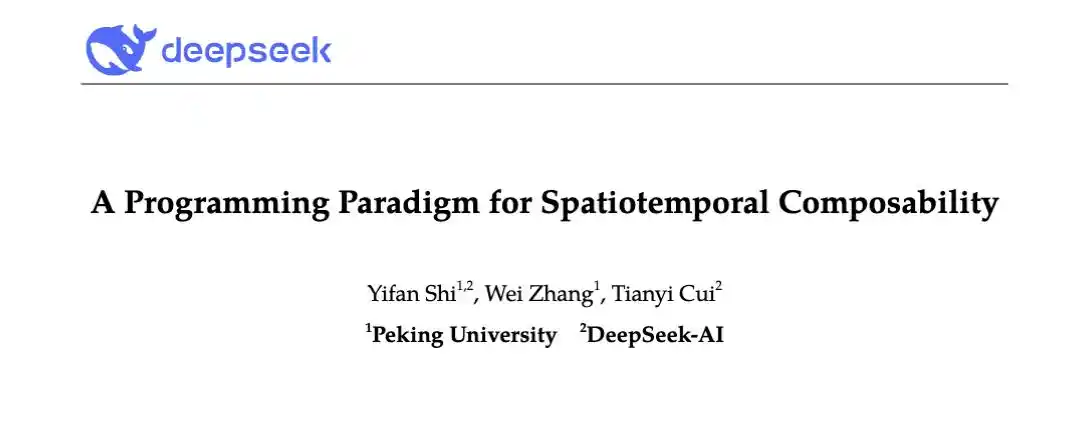
Over eighty pages long, I went through the paper from start to finish and roughly compiled a few takeaways—

1. Cordis provides a set of universal dynamic composition semantics. Components managed through Context can be dynamically loaded, unloaded, and have their managed side effects automatically reclaimed.

2. The mathematical foundation comes from two classical concepts in type theory: effects and coeffects.

3. Not just a lab toy. This design has been running on the Koishi chatbot framework for four years, validated in production environments by over 4,000 community plugins.
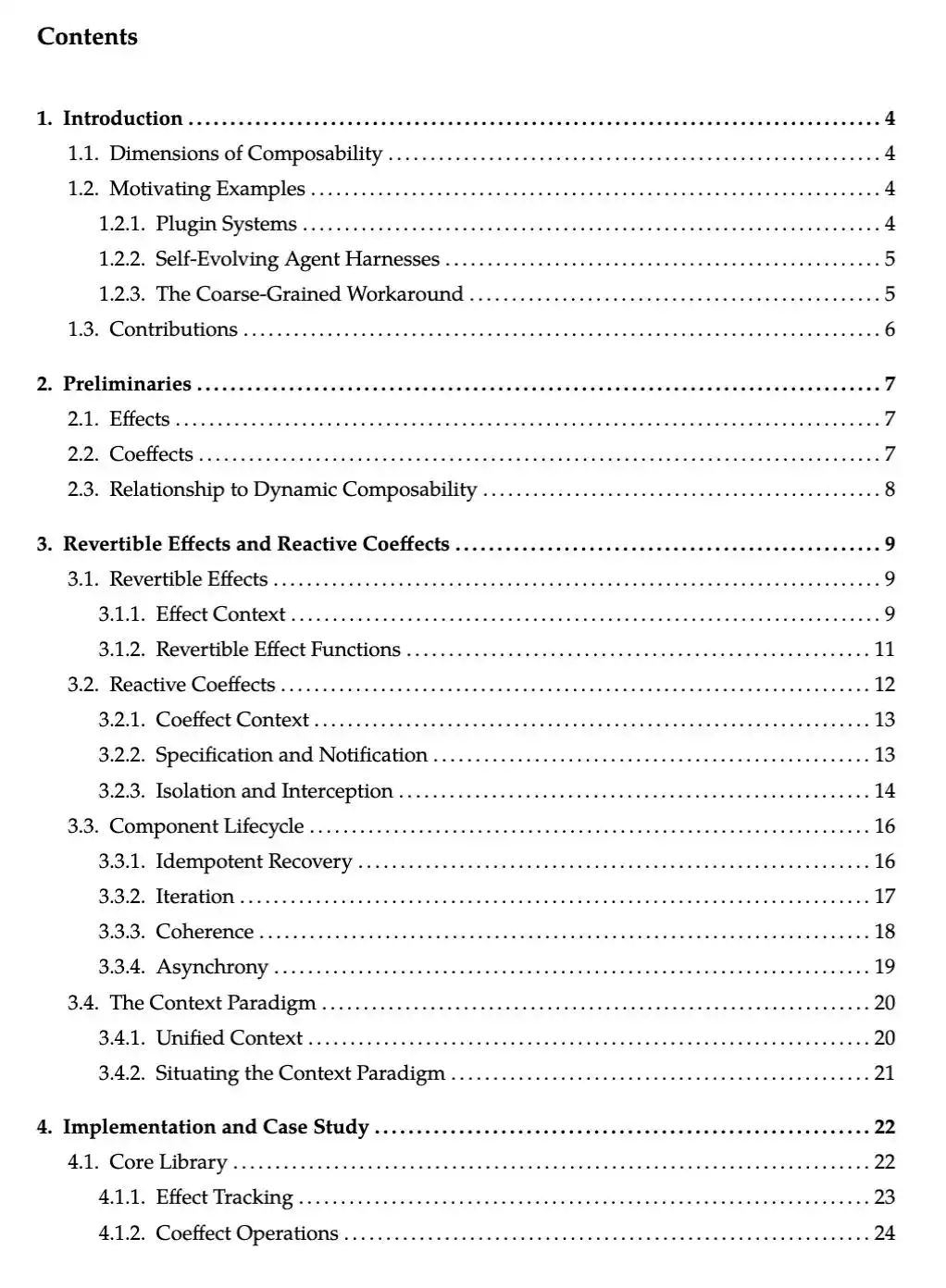
And all of this serves the same ambition—

Self-Evolution.

Time and Space: The Two Hurdles for Harness Self-Evolution

There's a counterintuitive reality in the software world: most systems supporting plugins require restarting the entire host process after uninstalling a plugin.

This means that while only one plugin might be deleted, all other loaded plugins have to restart along with it.

Yes, a "plug-in" is actually plugged in and can't be pulled out.

VSCode is a typical case.

The paper states that as of June 9, 2026, among the top 100 extensions in the VSCode Marketplace, 87 contain executable code. Once activated, they cannot be individually unloaded at runtime; disabling or deleting them requires restarting the entire extension host.

This isn't a problem unique to VSCode. The paper points out that almost all plugin architectures have such defects, just to varying degrees.

In ordinary plugin systems, this is troublesome enough, but if the cost is just a restart, it's somewhat acceptable.

But in the context of Agents, it's a completely different problem.

A conventional harness is typically packed with a bunch of things: toolkits, execution environments, permission controls, sandboxes, session states, memory systems... It's an extremely complex engineering system in itself.

And now, it's met with the "Self-Evolving AI"—a mischievous Sun Wukong (Monkey King) who might accidentally modify itself out of existence.

This is also the angle from which DeepSeek 's paper approaches self-evolution:

Future Agents might generate a tool based on a task, install it into the runtime themselves, and if problems are discovered, replace it themselves.

If every time a single line of code is changed, the entire process has to be restarted, the accumulated context, cache—everything could crash.

This is called Temporal Composability.

If dependencies between modules rely on each module patching itself—checking for A today, guessing about B tomorrow... it's easy to inadvertently introduce circular dependencies, which will explode during reloading.

This is called Spatial Composability.

And these two difficulties are precisely the two problems Cordis aims to solve.

DeepSeek's Solution

First, let's supplement two mathematical knowledge points, which are also the two main theoretical pillars of this paper—

Effects and Coeffects.

Simply put, effects characterize "the program's impact on the world"; coeffects characterize "the world's constraints on the program." The two are dual concepts: effect systems enrich types, while coeffect systems enrich contexts.

But there's a problem: in the context of self-evolving AI, frameworks are dynamically loaded.

Classical effect/coeffect systems are static type system tools.

To overcome both the temporal and spatial hurdles simultaneously, the team adapted and upgraded these two concepts for Agent runtimes—"revertible effects" and "reactive coeffects."

Revertible effects target the temporal dimension.

The core definition is just one sentence: every modification to the context must have an explicit inverse function, making side effects reversible.

When loading a plugin, each state modification records the corresponding inverse function, stacking them sequentially into an "undo chain."

When unloading a plugin, this chain is executed in reverse, allowing the system state to be precisely restored to its state before the plugin was loaded.

Think of it like a stack of plates: the last one placed is the first one removed.

This way, the temporal order doesn't get messed up.

Reactive coeffects are responsible for the spatial dimension.

In Cordis, components can declare which dependencies they need, achieving resolvable dependencies.

For example, a chat plugin states it needs a message adapter and a database. It only becomes ACTIVE when both dependencies are satisfied. If one is missing, it stays INACTIVE—not rushing to start, nor running and then throwing a null reference error.

When a provider appears, dependents automatically activate. When a provider is removed, dependents stop first. After they roll back their own effects, the provider completes its unloading.

If a dependency provider unloads, dependents automatically deactivate; if the dependency comes back online, dependents automatically resume. This topological arrangement isn't manually written by developers but automatically derived from declarations.

The combination of the two constitutes the core of Cordis.

The intuitive meaning of "spatiotemporal composability" in the paper's title lies right here.

Koishi

So, has all this just been discussed been validated in practice?

Yes.

And the scale is not small.

The project used for experimental validation in the paper is a chatbot framework called Koishi.

Koishi is built on Cordis. Over four years, it has accumulated over 4,000 community plugins, covering instant messaging adapters, database drivers, admin consoles, and various user functions.

GitHub shows that Koishi is a cross-platform, extensible, high-performance chatbot framework.

Its name and icon design are inspired by the character Komeiji Koishi from Touhou Project.

Komeiji Koishi is a character known for unconscious actions. This name symbolizes the theme of chatbots and also embodies the passion developers poured into it.

A rather interesting README indeed.
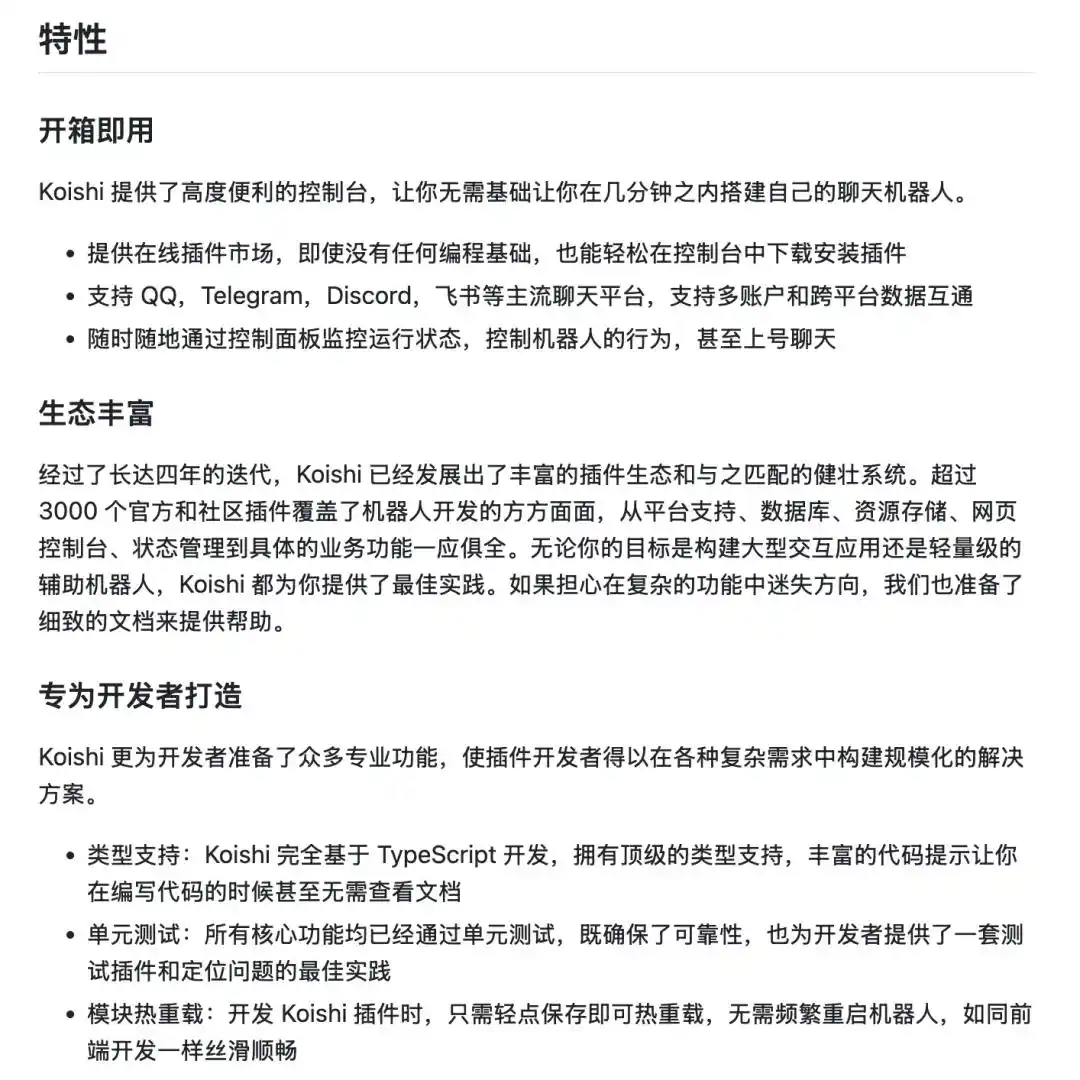
So, what is Cordis?

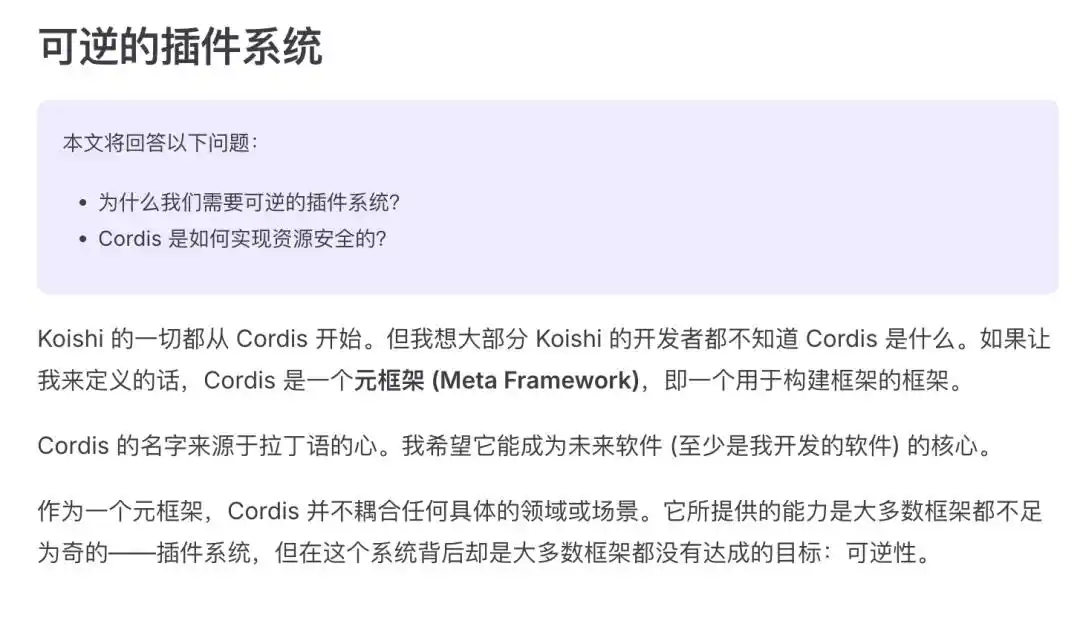
The author of Koishi states that the name Cordis comes from the Latin word for "heart." Everything in Koishi starts from Cordis.

As a meta-framework, Cordis is not coupled to any specific domain or scenario.

The capability it provides is something most frameworks take for granted—a plugin system. But behind this system lies a goal most frameworks haven't achieved: reversibility.

And this sentence was left:

I hope it can become the core of future software (at least the software I develop).

Four years later, DeepSeek 's paper provides the validation.

First, validation of the temporal dimension.

In Koishi, an administrator can disable a plugin from the console. The plugin's impact on the system is rolled back on the spot, while other plugins continue to work.

During development, when a plugin is modified and saved, the modified plugin is reapplied, while caches and connections remain untouched.

Next, validation of the spatial dimension.

In the Koishi ecosystem, IM adapters provide message platform access, database drivers provide persistent storage, and functional plugins declare these as dependencies for direct access.

During actual operation, when switching storage backends or reconnecting adapters, only plugins whose dependencies have actually changed are reactivated. Plugins with unchanged dependencies remain completely still.

It's important to note that these plugins are typically developed independently by different authors. The only coordination between them is the reactive coeffect emphasized by Cordis.

This shows that a set of dynamic composition rules can indeed work in an open plugin ecosystem contributed by different authors.

But the paper doesn't package this case as a perfect demo either.

The team admits that currently, there's only validation data from the single ecosystem of Koishi and the single language of TypeScript, lacking controlled comparisons with alternative architectures...

But the most important thing is pointing out a new direction—a foundational infrastructure for Agent Harness serving self-evolution.

And now the released DeepSeek Harness is precisely the upgraded version of Koishi's Cordis.

Paper Author Introduction

Finally, let's talk about the paper authors as usual.

There are three in total, spanning Peking University and DeepSeek .
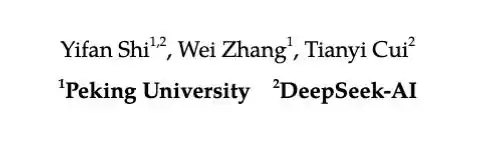
The first author is Yifan Shi, from Peking University and also a member of DeepSeek .

A deeper dive reveals that his name had already appeared in the DeepSeek V3 Technical Report.
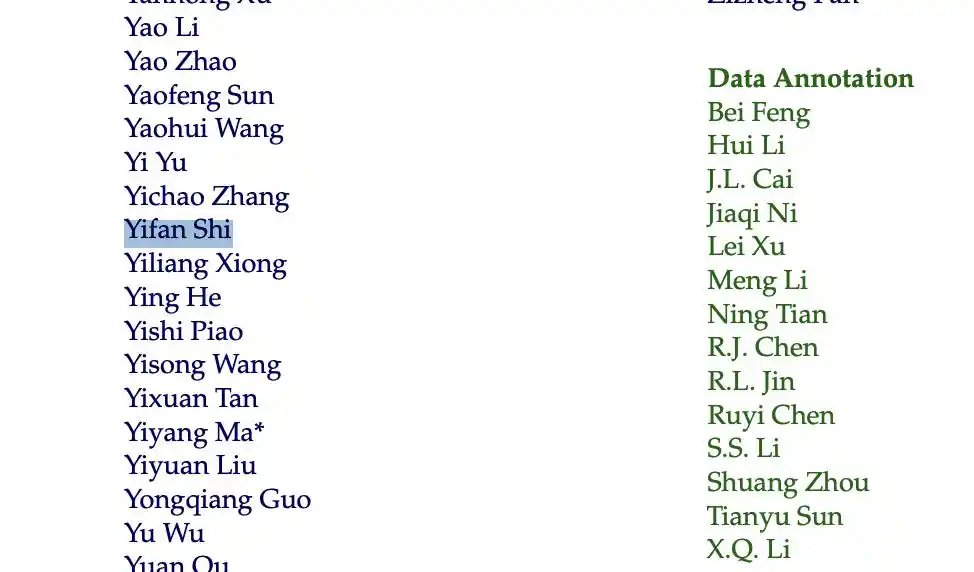
The project used for validation in this new paper—Koishi—also originates from him.

Seems to have a strong attachment to "shi": real name Yifan Shi, project named Koishi, GitHub handle Shigma.

(doge)
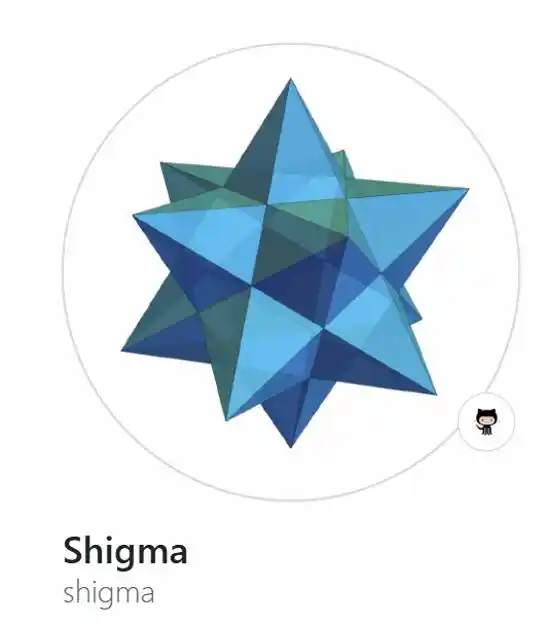
Back on topic.

Koishi is a repository from four years ago, now with 5.7K stars. One could say this is the origin of everything.

Because the concept of Cordis was also proposed within Koishi.

In 2023, Shigma wrote a design article for the Koishi official documentation titled "Reversible Plugin System," almost the ancestor of this new paper.
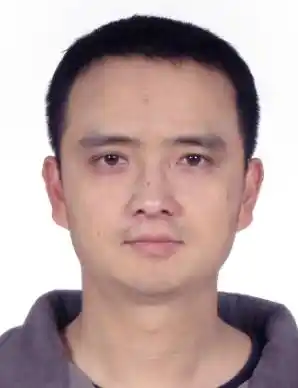
Wei Zhang, also from Peking University, is an Associate Professor at the Software Research Institute, School of Computer Science, Peking University.

The school's website shows that Wei Zhang's research areas mainly cover software engineering and programming languages.
In 1999, he graduated with a bachelor's degree in Engineering Thermophysics from Nanjing University of Aeronautics and Astronautics. Subsequently, he shifted towards computer science, obtaining a Master's degree in Computer Science from Nanjing University of Aeronautics and Astronautics in 2002.

After his master's, Zhang Wei entered Peking University to pursue his Ph.D., earning a Doctorate in Computer Software and Theory in 2006.

After his doctorate, he directly took a position at Peking University and has since been engaged in research and teaching in software engineering, programming languages, and related directions.

Notably, as early as 2021 at ASE, Wei Zhang collaborated with Yifan Shi.
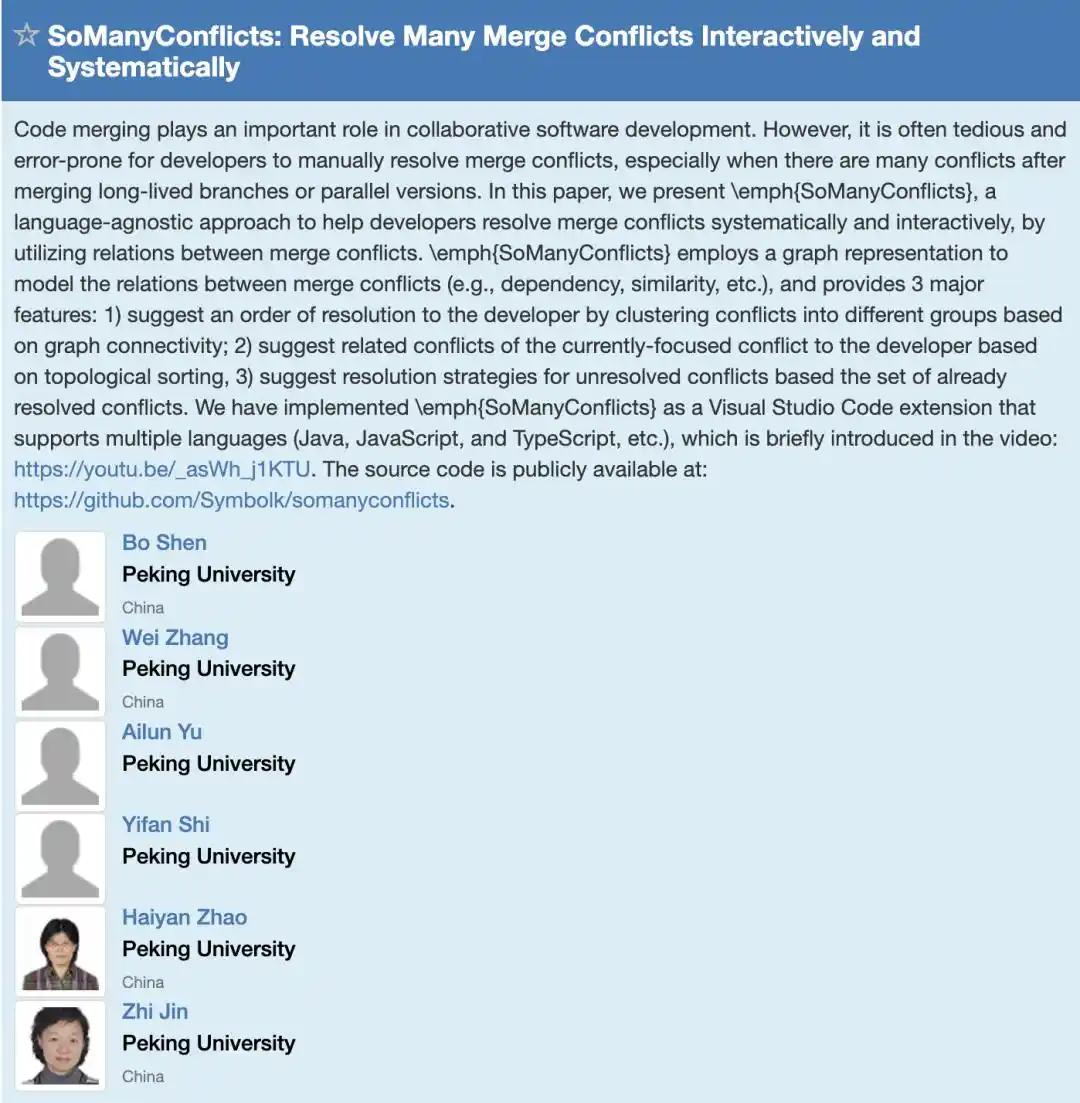
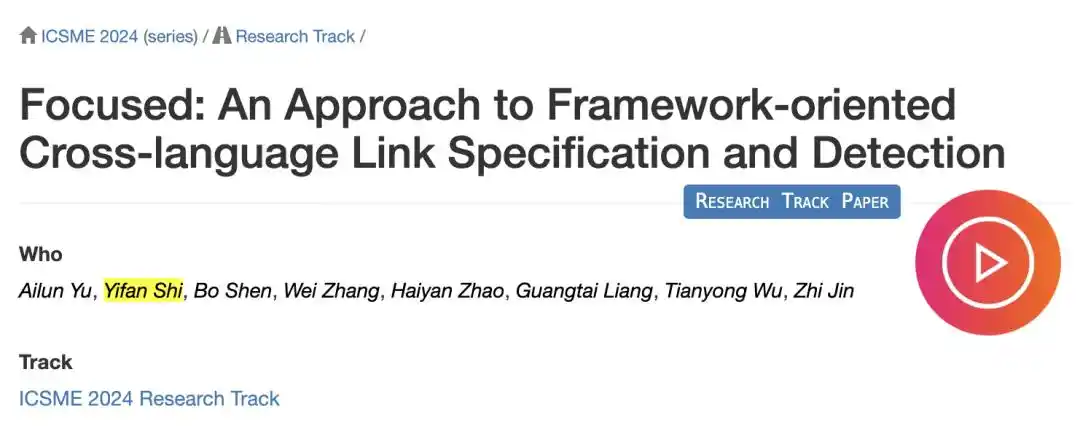
In 2024, the two published another ICSME paper together: "Focused: An Approach to Framework-oriented Cross-language Link Specification and Detection."
Finally, an old acquaintance.

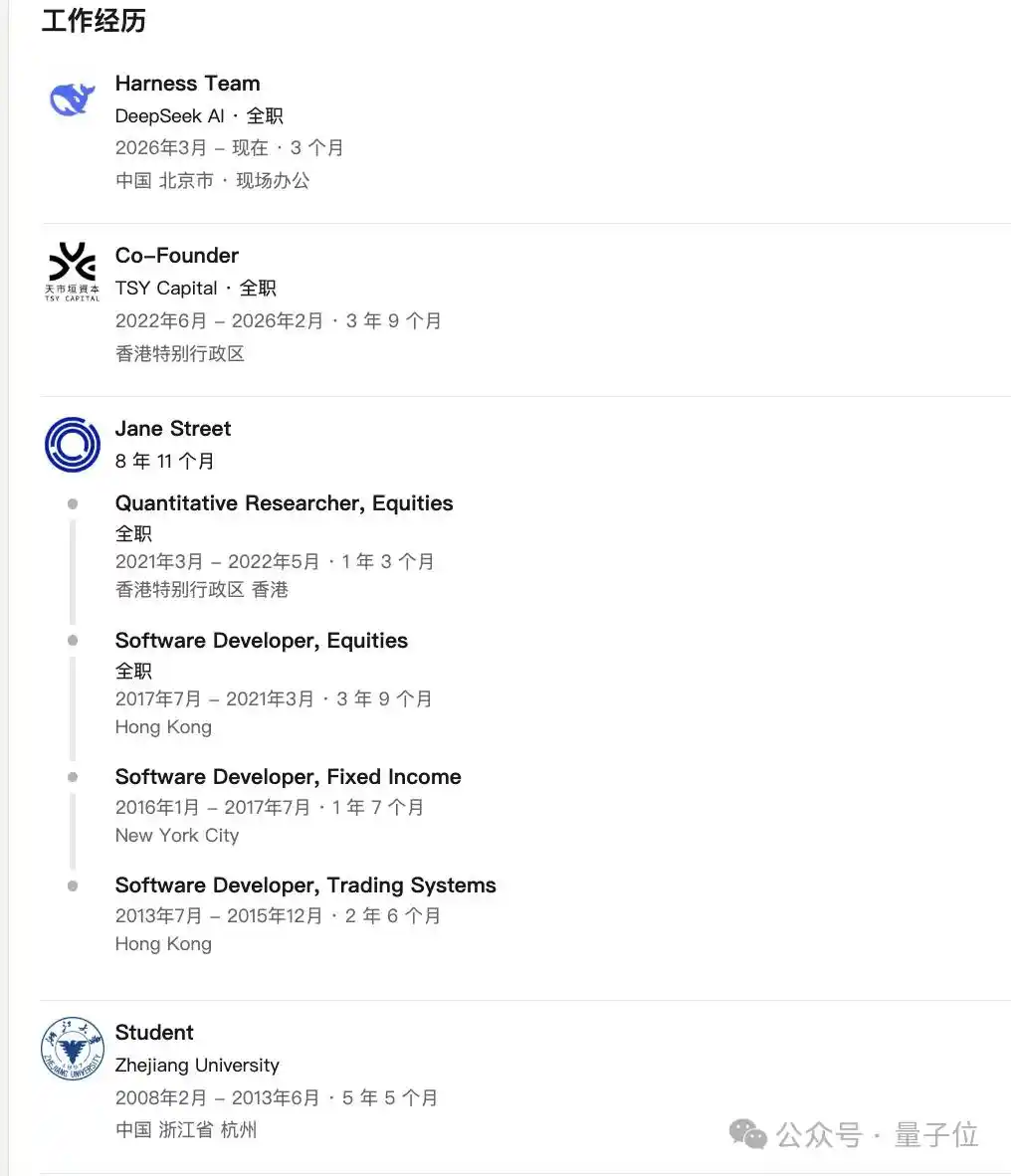
Tianyi Cui, DeepSeek Harness Team Lead. Undergraduate graduate from Zhejiang University's Computer Science Department, junior to Wenfeng Liang.
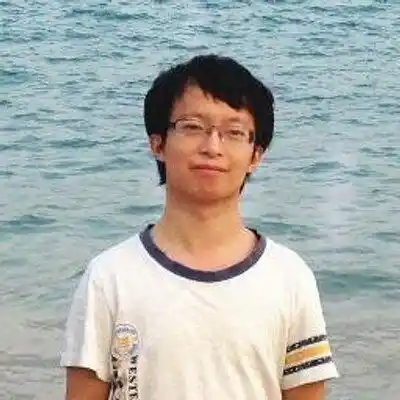
During his studies, Tianyi Cui was admitted to Zhejiang University via NOIP/informatics competition recommendation and won gold medals in the ACM International Collegiate Programming Contest Asian Regional six times.

After graduation, he worked for nine years at Jane Street's Hong Kong and New York offices.
Paper Link: https://github.com/cordiverse/paperKoishi: https://github.com/koishijs/koishi

This article is from the WeChat public account "Qubit," author: Jay

Tiền kỹ thuật số thịnh hành

Câu hỏi Liên quan

QWhat is the core concept of the Cordis system introduced in the DeepSeek paper, and what does it enable?

AThe core concept of Cordis is a 'Lego baseplate' programming paradigm for spatiotemporal composability. It enables everything to be a plugin and everything to be recombinable. Its central design allows for dynamic loading and unloading of plugins and the automatic reclamation of their side effects, serving as the foundation for agent self-evolution.

QWhat two key challenges for agent self-evolution does the paper identify, and what does Cordis propose to solve them?

AThe paper identifies two key challenges: Temporal Composability and Spatial Composability. Temporal composability refers to the inability to dynamically change code (e.g., update a tool) without restarting the entire process and losing context. Spatial composability refers to the complexity of managing dependencies between modules without creating conflicts. Cordis solves these with 'revertible effects' (for time) and 'reactive coeffects' (for space), providing a framework for safe, dynamic composition.

QWhat is 'Koishi' and what role does it play in validating the Cordis system?

AKoishi is a cross-platform, extensible, high-performance chatbot framework built on Cordis. It serves as the practical validation system for the Cordis concepts. With over 4000 community plugins developed independently over four years, it demonstrates that Cordis's dynamic composition rules for temporal and spatial dependencies work effectively in a large-scale, open-source production environment.

QAccording to the article, what is a major limitation of current plugin systems like VSCode's that Cordis aims to overcome?

AA major limitation is the lack of true runtime uninstallability. In systems like VSCode, once a plugin with executable code is activated, it cannot be individually unloaded at runtime. Disabling or removing it requires a full restart of the extension host process, which impacts all other loaded plugins and loses state. Cordis's revertible effects allow precise, on-the-fly unloading and state reversion.

QWho are the main authors of the paper, and what is their background connection to the project?

AThe three main authors are Yifan Shi (first author, Peking University & DeepSeek), Wei Zhang (Peking University professor), and Tianyi Cui (DeepSeek Harness team lead). Yifan Shi is the original creator of the Koishi framework, which is the practical foundation for Cordis. He and Wei Zhang have collaborated on previous research. Tianyi Cui brings industry experience from Jane Street to lead the Harness team applying these concepts.

Nội dung Liên quan

Giao dịch

Giao ngay

Bài viết Nổi bật

AGENT S là gì

Agent S: Tương Lai của Tương Tác Tự Động trong Web3 Giới thiệu Trong bối cảnh không ngừng phát triển của Web3 và tiền điện tử, các đổi mới đang liên tục định nghĩa lại cách mà cá nhân tương tác với các nền tảng kỹ thuật số. Một dự án tiên phong như vậy, Agent S, hứa hẹn sẽ cách mạng hóa tương tác giữa con người và máy tính thông qua khung tác nhân mở của nó. Bằng cách mở đường cho các tương tác tự động, Agent S nhằm đơn giản hóa các nhiệm vụ phức tạp, cung cấp các ứng dụng chuyển đổi trong trí tuệ nhân tạo (AI). Cuộc khám phá chi tiết này sẽ đi sâu vào những phức tạp của dự án, các tính năng độc đáo của nó và những tác động đối với lĩnh vực tiền điện tử. Agent S là gì? Agent S đứng vững như một khung tác nhân mở đột phá, được thiết kế đặc biệt để giải quyết ba thách thức cơ bản trong việc tự động hóa các nhiệm vụ máy tính: Thu thập Kiến thức Cụ thể theo Miền: Khung này học một cách thông minh từ nhiều nguồn kiến thức bên ngoài và kinh nghiệm nội bộ. Cách tiếp cận kép này giúp nó xây dựng một kho lưu trữ phong phú về kiến thức cụ thể theo miền, nâng cao hiệu suất của nó trong việc thực hiện nhiệm vụ. Lập Kế Hoạch Qua Các Tầm Nhìn Nhiệm Vụ Dài Hạn: Agent S sử dụng lập kế hoạch phân cấp tăng cường kinh nghiệm, một cách tiếp cận chiến lược giúp phân chia và thực hiện các nhiệm vụ phức tạp một cách hiệu quả. Tính năng này nâng cao đáng kể khả năng quản lý nhiều nhiệm vụ con một cách hiệu quả và hiệu suất. Xử Lý Các Giao Diện Động, Không Đều: Dự án giới thiệu Giao Diện Tác Nhân-Máy Tính (ACI), một giải pháp đổi mới giúp nâng cao tương tác giữa các tác nhân và người dùng. Sử dụng các Mô Hình Ngôn Ngữ Lớn Đa Phương Thức (MLLMs), Agent S có thể điều hướng và thao tác các giao diện người dùng đồ họa đa dạng một cách liền mạch. Thông qua những tính năng tiên phong này, Agent S cung cấp một khung vững chắc giải quyết các phức tạp liên quan đến việc tự động hóa tương tác giữa con người với máy móc, mở ra nhiều ứng dụng trong AI và hơn thế nữa. Ai là Người Tạo ra Agent S? Mặc dù khái niệm về Agent S là hoàn toàn đổi mới, thông tin cụ thể về người sáng lập vẫn còn mơ hồ. Người sáng lập hiện vẫn chưa được biết đến, điều này làm nổi bật giai đoạn sơ khai của dự án hoặc sự lựa chọn chiến lược để giữ kín các thành viên sáng lập. Bất chấp sự ẩn danh, sự chú ý vẫn tập trung vào khả năng và tiềm năng của khung này. Ai là Các Nhà Đầu Tư của Agent S? Vì Agent S còn tương đối mới trong hệ sinh thái mã hóa, thông tin chi tiết về các nhà đầu tư và những người tài trợ tài chính của nó không được ghi chép rõ ràng. Sự thiếu vắng thông tin công khai về các nền tảng đầu tư hoặc tổ chức hỗ trợ dự án dấy lên câu hỏi về cấu trúc tài trợ và lộ trình phát triển của nó. Hiểu biết về sự hỗ trợ là rất quan trọng để đánh giá tính bền vững và tác động tiềm năng của dự án. Agent S Hoạt Động Như Thế Nào? Tại cốt lõi của Agent S là công nghệ tiên tiến cho phép nó hoạt động hiệu quả trong nhiều bối cảnh khác nhau. Mô hình hoạt động của nó được xây dựng xung quanh một số tính năng chính: Tương Tác Giống Như Con Người: Khung này cung cấp lập kế hoạch AI tiên tiến, cố gắng làm cho các tương tác với máy tính trở nên trực quan hơn. Bằng cách bắt chước hành vi của con người trong việc thực hiện nhiệm vụ, nó hứa hẹn nâng cao trải nghiệm người dùng. Ký Ức Tường Thuật: Được sử dụng để tận dụng các trải nghiệm cấp cao, Agent S sử dụng ký ức tường thuật để theo dõi lịch sử nhiệm vụ, từ đó nâng cao quy trình ra quyết định của nó. Ký Ức Tình Huống: Tính năng này cung cấp cho người dùng hướng dẫn từng bước, cho phép khung này cung cấp hỗ trợ theo ngữ cảnh khi các nhiệm vụ diễn ra. Hỗ Trợ OpenACI: Với khả năng chạy cục bộ, Agent S cho phép người dùng duy trì quyền kiểm soát đối với các tương tác và quy trình làm việc của họ, phù hợp với tinh thần phi tập trung của Web3. Tích Hợp Dễ Dàng với Các API Bên Ngoài: Tính linh hoạt và khả năng tương thích với nhiều nền tảng AI khác nhau đảm bảo rằng Agent S có thể hòa nhập liền mạch vào các hệ sinh thái công nghệ hiện có, làm cho nó trở thành lựa chọn hấp dẫn cho các nhà phát triển và tổ chức. Những chức năng này cùng nhau góp phần vào vị trí độc đáo của Agent S trong không gian tiền điện tử, khi nó tự động hóa các nhiệm vụ phức tạp, nhiều bước với sự can thiệp tối thiểu của con người. Khi dự án phát triển, các ứng dụng tiềm năng của nó trong Web3 có thể định nghĩa lại cách mà các tương tác kỹ thuật số diễn ra. Thời Gian Phát Triển của Agent S Sự phát triển và các cột mốc của Agent S có thể được tóm tắt trong một dòng thời gian nêu bật các sự kiện quan trọng của nó: 27 tháng 9, 2024: Khái niệm về Agent S được ra mắt trong một bài nghiên cứu toàn diện mang tên “Một Khung Tác Nhân Mở Sử Dụng Máy Tính Như Một Con Người,” trình bày nền tảng cho dự án. 10 tháng 10, 2024: Bài nghiên cứu được công bố công khai trên arXiv, cung cấp một cái nhìn sâu sắc về khung và đánh giá hiệu suất của nó dựa trên tiêu chuẩn OSWorld. 12 tháng 10, 2024: Một video trình bày được phát hành, cung cấp cái nhìn trực quan về khả năng và tính năng của Agent S, thu hút thêm sự quan tâm từ người dùng và nhà đầu tư tiềm năng. Những dấu mốc trong dòng thời gian không chỉ minh họa sự tiến bộ của Agent S mà còn chỉ ra cam kết của nó đối với sự minh bạch và sự tham gia của cộng đồng. Những Điểm Chính Về Agent S Khi khung Agent S tiếp tục phát triển, một số thuộc tính chính nổi bật, nhấn mạnh tính đổi mới và tiềm năng của nó: Khung Đổi Mới: Được thiết kế để cung cấp cách sử dụng máy tính trực quan giống như tương tác của con người, Agent S mang đến một cách tiếp cận mới cho việc tự động hóa nhiệm vụ. Tương Tác Tự Động: Khả năng tương tác tự động với máy tính thông qua GUI đánh dấu một bước tiến tới các giải pháp tính toán thông minh và hiệu quả hơn. Tự Động Hóa Nhiệm Vụ Phức Tạp: Với phương pháp mạnh mẽ của nó, nó có thể tự động hóa các nhiệm vụ phức tạp, nhiều bước, làm cho các quy trình nhanh hơn và ít sai sót hơn. Cải Tiến Liên Tục: Các cơ chế học tập cho phép Agent S cải thiện từ các trải nghiệm trước đó, liên tục nâng cao hiệu suất và hiệu quả của nó. Tính Linh Hoạt: Khả năng thích ứng của nó trên các môi trường hoạt động khác nhau như OSWorld và WindowsAgentArena đảm bảo rằng nó có thể phục vụ một loạt các ứng dụng rộng rãi. Khi Agent S định vị mình trong bối cảnh Web3 và tiền điện tử, tiềm năng của nó để nâng cao khả năng tương tác và tự động hóa quy trình đánh dấu một bước tiến quan trọng trong công nghệ AI. Thông qua khung đổi mới của mình, Agent S minh họa cho tương lai của các tương tác kỹ thuật số, hứa hẹn một trải nghiệm liền mạch và hiệu quả hơn cho người dùng trên nhiều ngành công nghiệp khác nhau. Kết luận Agent S đại diện cho một bước nhảy vọt táo bạo trong sự kết hợp giữa AI và Web3, với khả năng định nghĩa lại cách chúng ta tương tác với công nghệ. Mặc dù vẫn còn ở giai đoạn đầu, những khả năng cho ứng dụng của nó là rộng lớn và hấp dẫn. Thông qua khung toàn diện của mình giải quyết các thách thức quan trọng, Agent S nhằm đưa các tương tác tự động lên hàng đầu trong trải nghiệm kỹ thuật số. Khi chúng ta tiến sâu hơn vào các lĩnh vực tiền điện tử và phi tập trung, các dự án như Agent S chắc chắn sẽ đóng một vai trò quan trọng trong việc định hình tương lai của công nghệ và sự hợp tác giữa con người với máy tính.

Tổng lượt xem 1.3kXuất bản vào 2025.01.14Cập nhật vào 2025.01.14

AGENT S là gì

Làm thế nào để Mua S

Chào mừng bạn đến với HTX.com! Chúng tôi đã làm cho mua Sonic (S) trở nên đơn giản và thuận tiện. Làm theo hướng dẫn từng bước của chúng tôi để bắt đầu hành trình tiền kỹ thuật số của bạn.Bước 1: Tạo Tài khoản HTX của BạnSử dụng email hoặc số điện thoại của bạn để đăng ký tài khoản miễn phí trên HTX. Trải nghiệm hành trình đăng ký không rắc rối và mở khóa tất cả tính năng. Nhận Tài khoản của tôiBước 2: Truy cập Mua Crypto và Chọn Phương thức Thanh toán của BạnThẻ Tín dụng/Ghi nợ: Sử dụng Visa hoặc Mastercard của bạn để mua Sonic (S) ngay lập tức.Số dư: Sử dụng tiền từ số dư tài khoản HTX của bạn để giao dịch liền mạch.Bên thứ ba: Chúng tôi đã thêm những phương thức thanh toán phổ biến như Google Pay và Apple Pay để nâng cao sự tiện lợi.P2P: Giao dịch trực tiếp với người dùng khác trên HTX.Thị trường mua bán phi tập trung (OTC): Chúng tôi cung cấp những dịch vụ được thiết kế riêng và tỷ giá hối đoái cạnh tranh cho nhà giao dịch.Bước 3: Lưu trữ Sonic (S) của BạnSau khi mua Sonic (S), lưu trữ trong tài khoản HTX của bạn. Ngoài ra, bạn có thể gửi đi nơi khác qua chuyển khoản blockchain hoặc sử dụng để giao dịch những tiền kỹ thuật số khác.Bước 4: Giao dịch Sonic (S)Giao dịch Sonic (S) dễ dàng trên thị trường giao ngay của HTX. Chỉ cần truy cập vào tài khoản của bạn, chọn cặp giao dịch, thực hiện giao dịch và theo dõi trong thời gian thực. Chúng tôi cung cấp trải nghiệm thân thiện với người dùng cho cả người mới bắt đầu và người giao dịch dày dạn kinh nghiệm.

Tổng lượt xem 2.6kXuất bản vào 2025.01.15Cập nhật vào 2026.06.02

Làm thế nào để Mua S

Thảo luận

Chào mừng đến với Cộng đồng HTX. Tại đây, bạn có thể được thông báo về những phát triển nền tảng mới nhất và có quyền truy cập vào thông tin chuyên sâu về thị trường. Ý kiến ​​của người dùng về giá của S (S) được trình bày dưới đây.

活动图片