BitMEX: The End of an Era

cryptonews.ruXuất bản vào 2026-08-13Cập nhật gần nhất vào 2026-08-13

Tóm tắt

This guest post by Peter Wilkinson, CEO of BitMEX, reflects on the rise and fall of the cryptocurrency exchange. Recruited from traditional finance, Wilkinson was struck by BitMEX's intense, mission-driven culture, contrasting with the conservatism of TradFi. The company was known for its innovative perpetual swap and a vibrant office environment. However, a pivotal U.S. legal case in 2020, coinciding with the implementation of KYC procedures, triggered significant user attrition and halted new product development like Bitcoin-based swaps. While the company maintained a strong internal culture and an impeccable security record—never losing client funds to hacks—it failed to adapt to market evolution. Competitors copied its products, and BitMEX was late to expand into spot trading, staking, and stablecoins like USDT. Ultimately, focused narrowly on derivatives, it lost market share. Wilkinson concludes with pride in BitMEX's legacy, particularly its role in popularizing the perpetual swap, now a cornerstone of crypto trading, and its unwavering commitment to client fund safety throughout its 11-year history.

The following guest post is written by Peter Wilkinson, CEO of the cryptocurrency exchange BitMEX.

My name is Peter Wilkinson, the current CEO of BitMEX. I came to BitMEX from the traditional finance sector, where I worked as an in-house lawyer for an insurance company. I received an intriguing call from a recruiter saying that BitMEX urgently needed lawyers. During the first interview, I was asked how soon I could start and whether they could buy out my notice period from my previous position. I immediately understood that this was not an ordinary company.

At that time, I had only a superficial understanding of cryptocurrencies. A quick search brought up a lot of material in Bloomberg, the Wall Street Journal, and other publications—much of it was about Arthur Hayes. The company intended to radically change traditional financial approaches to exchange operations by introducing instant settlements, 24/7 trading, and a risk structure that eliminated the need to return funds to a margin lender. Particularly notable were Arthur Hayes's activity on social media X (formerly Twitter) and BitMEX's bold marketing initiatives—for example, displaying a "Lamborghini" at the entrance to the Consensus 2018 conference center in New York. Again, this was completely unlike anything I had encountered in the conservative world of traditional finance (TradFi).

Despite the bright hype and the aura of "revolutionaries" surrounding the company, from the very first day I was struck by how seriously and purposefully all BitMEX employees approached their work. It was clear that people were genuinely passionate about the cause and eager to develop it. It sounds cliché, but it felt like for them it was more than just a job; they were true evangelists.

Coming from the traditional finance world, I was accustomed to that dose of apathy that went hand in hand with seriousness; perhaps this was inevitable given that everything was strictly regulated. At BitMEX, however, there was no such apathy, and the seriousness stemmed from the desire to create the best possible product; the commitment of each individual was truly striking. Honestly, I expected a slightly more relaxed atmosphere, given the common perception of cryptocurrencies as a sphere run by "kids," but I couldn't have been more wrong.

Before I knew it, I was sitting in the Hong Kong office, admiring the sharks gracefully gliding in their aquarium, a fully stocked on-site bar, poker and mahjong rooms, and wondering how I got there. While it was somewhat overwhelming, upon closer inspection I saw how solidly built this company was. Alongside the typical millennial pomp, there were sleek gray lines and a ticker tape of cryptocurrency quotes running across the ceiling throughout the premises—it resembled a well-oiled hedge fund more than a cryptocurrency company.

The BitMEX office in Hong Kong. Photo source: Peter Wilkinson

However, not everything was about "sharks" and revolutionary finance; soon after my arrival, in 2020, the now well-known US legal proceedings against the founders and the company itself took place. This was the first major lawsuit against an exchange in the industry, and it happened at the worst possible time. We had just implemented a full KYC procedure and became the first exchange outside the US to do so; this was already putting a strain on the business. The initiative came from the founders, as it was the right step for the company's future, which would have to operate under various licensing regimes. The process was already underway when the US charges came.

The implementation of KYC led to many of our core users migrating to other platforms where KYC was not yet required. When the charges were filed, many of our clients panicked and rushed to withdraw their funds—many of them never returned. There were fears that US authorities would freeze the BitMEX platform and block client funds. If that had happened, it would have been outrageous (and illegal), but at the time there was real panic, as it was unclear what measures the US government would take against the company or the entire industry.

We were just beginning to introduce Bitcoin-based products, such as ISDA monthly credit swaps for institutional clients, but these plans fizzled out after the charges were filed. On top of this, fierce competition was already beginning—companies were copying BitMEX's products and poaching our users. Not to mention that this coincided with the departure of the founders from active roles in the business, resulting in management transferring to a new team of executives with traditional finance experience who did not have the same industry influence as the founders and couldn't help drive the business forward.
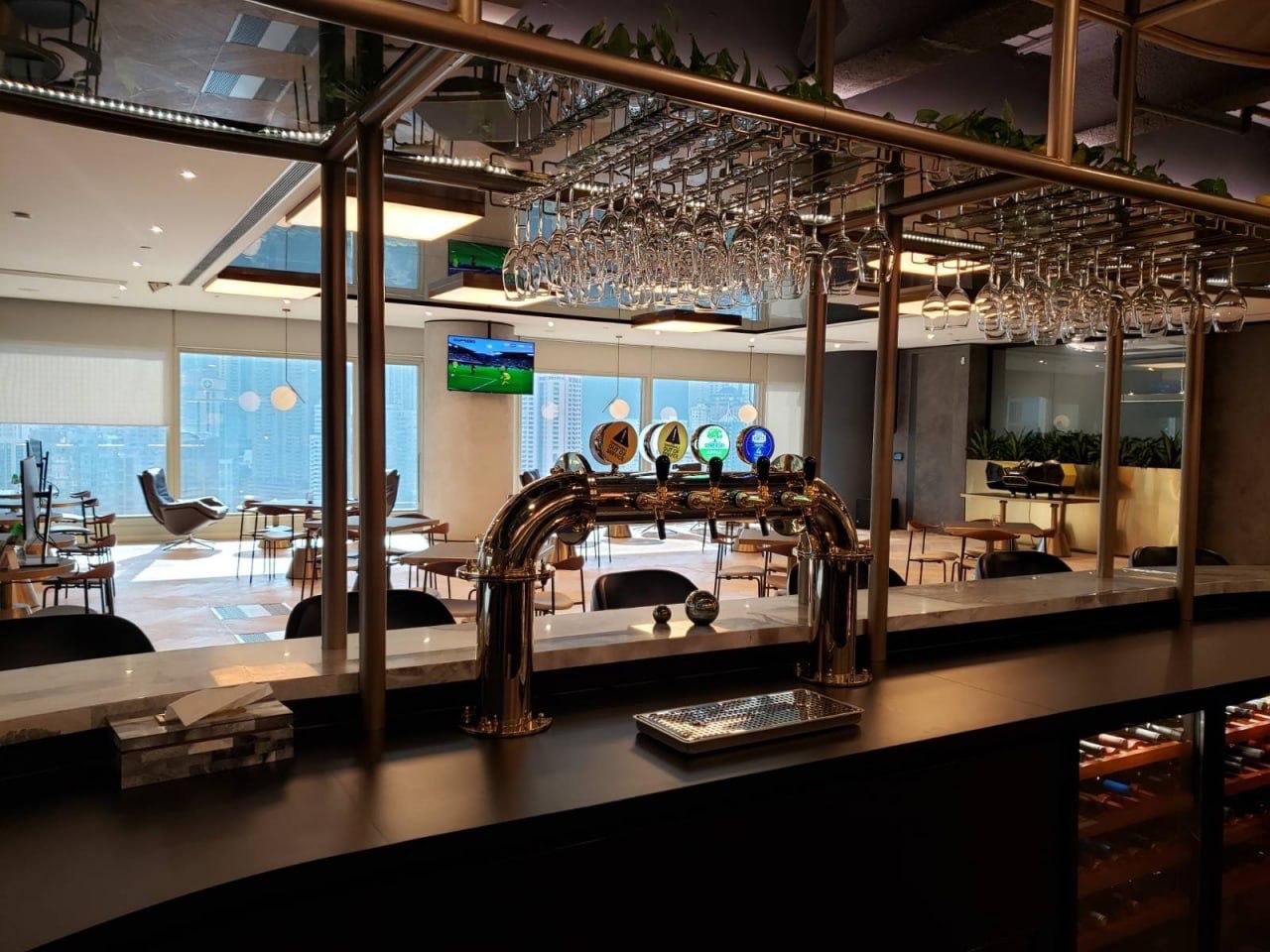
The BitMEX office in Hong Kong. Photo source: Peter Wilkinson

Even after this devastating blow, I felt—and still feel—that BitMEX was truly special. Thanks to the people, the corporate culture, and our users (especially those who actively participate in Trollbox!), we created something to be proud of. For example, we have many dedicated employees who have been with us for over five years. In the cryptocurrency industry, that's an eternity, and it speaks volumes about the company culture, where everyone contributes, guided by the principle of "business above all" and striving for excellence.

Looking back, this dedication may have slowed down the launch of our products, as we often aimed for perfection rather than quick implementation, but it shows that our employees take great pride in what they do. We never had strict service level agreements (SLAs) for employees, where failure to meet them would automatically trigger a warning letter from HR—as can be seen at some competing exchanges—and I'm glad we didn't, as it created a much more collegial and transparent work culture.

And, as I mentioned, Trollbox is simply brilliant: it's a place where our users can chat, express dissatisfaction, and complain (or, in extreme cases, even get banned!). This fostered a real sense of community among our users, in addition to what we had with the employees.

They say that all good things must come to an end. This may or may not be true, but in the end, for BitMEX, it turned out to be true. We didn't keep pace with our competitors. We were so focused on our derivatives niche that we failed to look up and see that our users wanted a single platform for spot trading, earning yield, storing assets, and trading derivatives, especially with stablecoins like $USDT. We joined the "$USDT party" at the end of 2021, but by then we were already losing market share.
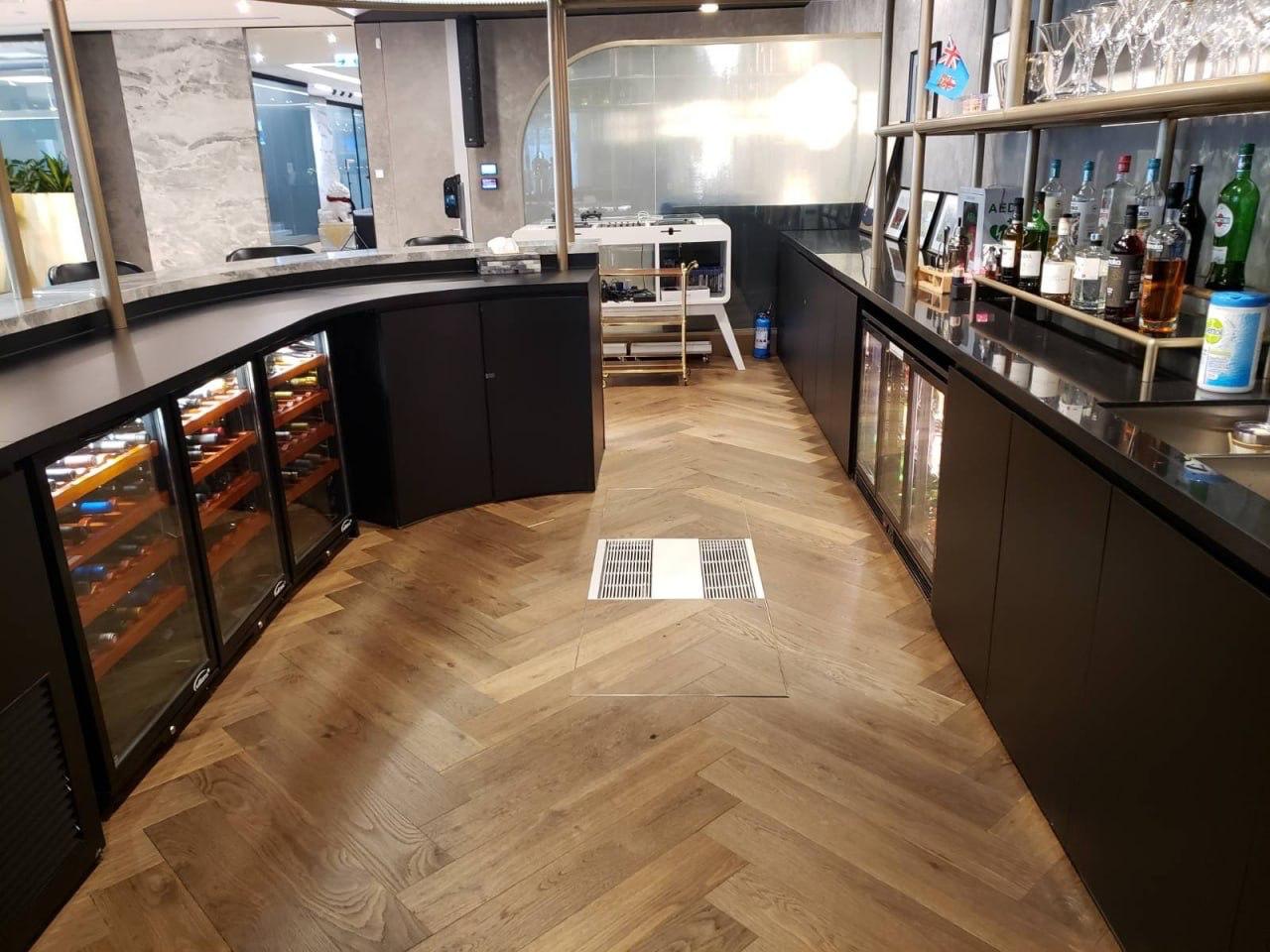
The BitMEX office in Hong Kong. Photo source: Peter Wilkinson

I've also encountered many commentators who note that although BitMEX invented the perpetual swap, we never perfected it or engaged in head-on competition. Although I'm not a fan of self-proclaimed experts on social media (and, as Homer says, after the event, even a fool becomes wise), there is some truth in this statement. Ultimately, there wasn't a single reason that led BitMEX to today's platform closure. I've already touched on some key points above, but business obeys Darwin's laws, and not everyone is destined to exist forever.

I am immensely proud of what BitMEX and our team have achieved. Above all, we have consistently protected all client funds. We are the only exchange that, throughout its entire history of over 11 years, has not lost a single penny due to hacks. This is a testament to the fantastic work done by everyone—both in the past and present—and I hope people will remember this as something commendable.

Finally, we played a key role in supporting the founders' vision related to the perpetual swap, which today is the most traded financial instrument in the cryptocurrency industry. Imitation is the sincerest form of flattery: the perpetual swap is now available from every player in the cryptocurrency exchange market and is the engine of cryptocurrency leverage. Perhaps in the future BitMEX will not be part of the cryptocurrency landscape, but if you look around, without it the landscape wouldn't look the way it does now, and it's a great honor for me to have had the opportunity to watch it all from the front row.

end-content
Tiền kỹ thuật số thịnh hành

Câu hỏi Liên quan

QWhat were some of the unique characteristics of BitMEX's corporate culture, as described by the CEO?

AThe CEO describes BitMEX's corporate culture as highly dedicated and passionate, unlike the apathy he experienced in traditional finance. Employees were seen as 'true evangelists' for the mission. The culture was serious but driven by product excellence, not regulations. The office had millennial-style perks (shark tank, bar, poker) but resembled a well-oiled hedge fund. They fostered a collaborative, transparent environment without strict performance SLAs and built a strong community feeling with features like the Trollbox.

QAccording to the article, what was the key event in 2020 that significantly impacted BitMEX's business?

AThe key event in 2020 was the U.S. legal action against the founders and the company itself. This was the first major lawsuit against an exchange in the industry. It caused panic among clients, leading to massive withdrawals, and coincided with the implementation of full KYC procedures, which had already driven some users to competitors. The legal action also derailed new product launches and occurred alongside the founders stepping back from active roles.

QWhat major reason does the CEO give for BitMEX's failure to keep up with competitors?

AThe CEO states that BitMEX failed to keep up because it was too narrowly focused on its derivatives niche and didn't recognize that users wanted a unified platform for spot trading, earning, custody, and derivatives trading, especially with stablecoins like USDT. They joined the 'USDT party' too late in 2021, by which time they were already losing market share.

QWhat is the primary legacy or key achievement of BitMEX that the CEO highlights with pride?

AThe CEO highlights two key achievements with pride. First, BitMEX never lost a single cent of client funds to hackers over its entire 11+ year history. Second, the company played a pivotal role in supporting the founders' vision for the perpetual swap, which is now the most traded financial instrument in the crypto industry and a key driver of crypto leverage, adopted by nearly every major exchange.

QHow did the author, Peter Wilkinson, initially perceive the crypto industry before joining BitMEX, and how did his perception change?

ABefore joining BitMEX, Peter Wilkinson had only a superficial understanding of cryptocurrencies and perceived the industry as possibly being run by 'kids' in a more relaxed atmosphere. His perception changed immediately upon joining. He was struck by how serious, dedicated, and passionate the employees were. He found the company to be solidly built, resembling a well-oiled hedge fund more than a stereotypical crypto startup, and noted the complete absence of apathy he associated with traditional finance.

Nội dung Liên quan

Mức lương thực tập sinh tại các ông lớn AI được tiết lộ: Anthropic hơn 5.000 NDT/ngày, Kimi chỉ xếp hạng tứ.

**Tóm tắt: Mức lương thực tập sinh tại các gã khổng lồ AI - Anthropic vượt 5.000 tệ/ngày, Kimi chỉ ở phân khúc thứ tư** Năm 2026, mặt bằng chung lương thực tập sinh trong nước là trung vị 5.000 tệ/tháng. Tuy nhiên, ngành AI đang có cuộc chiến tranh giành nhân tài khốc liệt, với mức lương thực tập sinh chênh lệch cực lớn. **Đỉnh cao:** Các vị trí nghiên cứu tinh nhuệ, bản chất là tuyển dụng sớm. * **OpenAI Residency:** Khoảng 5.625 tệ/ngày (18333 USD/tháng). * **Anthropic AI Safety Fellows:** Khoảng 5.198 tệ/ngày (3850 USD/tuần), kèm trợ cấp điện toán 15.000 USD/tháng. **Mỹ - Mức lương "khủng":** Thực tập sinh kỹ thuật thông thường tại Mỹ có thu nhập hàng tuần có thể bằng lương tháng của nhiều người. * **Meta:** ~3.780 tệ/ngày. * **Google:** ~3.400 tệ/ngày. * **NVIDIA (Mỹ):** ~2.106 tệ/ngày (trung bình), tiến sĩ có thể lên trên 5.000. **Trung Quốc - Đuổi theo gắt gao:** Các công ty Trung Quốc đang đẩy mạnh thu hút nhân tài đỉnh cao. * **ByteDance (Top Seed):** 2.000 tệ/ngày cho thực tập sinh nghiên cứu ưu tú. * **Xiaomi (Thực tập đỉnh cao):** 500 - 1.100 tệ/ngày cho các vị trí nghiên cứu AI chuyên sâu. **Mặt bằng chung tại các công ty AI Trung Quốc:** Dành cho đa số thực tập sinh. * **DeepSeek:** 500 - 1.000 tệ/ngày. * **ByteDance (phổ thông):** 500 tệ/ngày (chuẩn hóa từ 1/2024). * **MiniMax:** 350 - 600+ tệ/ngày (đặc điểm: gần như toàn bộ nhân viên có cổ phần). * **Alibaba:** 350 - 550 tệ/ngày. * **NVIDIA (Trung Quốc):** 400 - 800 tệ/ngày. * **Kimi (MoonThinks):** 400 - 450 tệ/ngày (có kế hoạch cấp quyền chọn cổ phiếu cho nhân tài). * **Xiaomi (phổ thông):** 300 - 400 tệ/ngày. * **Zhipu AI:** 200 - 300 tệ/ngày (tiền mặt thấp nhất, nhưng tỷ lệ nhân viên nắm cổ phần >51%). **Sự thật về tin đồn DeepSeek 5.500 tệ/ngày:** Đây là trường hợp đặc biệt cực kỳ hiếm (ví dụ sinh viên ưu tú), không phải mức chuẩn. Mức chuẩn công khai vẫn là 500-1000 tệ. **Nhận xét:** 1. **Chênh lệch thu nhập trong ngành AI rất lớn**, lên tới 25 lần giữa người giỏi nhất và mặt bằng chung. 2. **Khoảng cách lương Mỹ - Trung vẫn đáng kể** (6-8 lần với vị trí phổ thông). 3. **Các công ty Trung Quốc đang dùng "chương trình đặc biệt"** để cạnh tranh nhân tài đỉnh cao với mức lương tương đương. 4. **Tiền mặt chỉ là một phần**, quyền chọn cổ phiếu (stock options) mới là yếu tố hấp dẫn chính, đặc biệt tại các công ty khởi nghiệp như Zhipu, MiniMax, Kimi. Ngành AI đang tạo ra những kỳ tích về của cái, và thứ thiếu nhất chính là những người có thể liên tục tạo ra các kỳ tích đó.

Odaily星球日报31 phút trước

Mức lương thực tập sinh tại các ông lớn AI được tiết lộ: Anthropic hơn 5.000 NDT/ngày, Kimi chỉ xếp hạng tứ.

Odaily星球日报31 phút trước

Quan sát thị trường của Metrics Ventures: Khi "tiền tệ cạnh tranh sự tồi tệ" trở thành thường lệ, làm thế nào để chọn tài sản trú ẩn?

Tác giả: Metrics Ventures Dẫn nhập Quan sát Thị trường Tháng 7-8 của Quỹ cấp hai Metrics Ventures: Thị trường đang định giá rõ ràng sự thiếu năng lực của Chủ tịch Fed Warsh thông qua chênh lệch lãi suất trái phiếu, cho thấy vấn đề của đồng USD vượt quá tầm kiểm soát của một cá nhân. Trong khi thị trường chứng khoán Mỹ vẫn tỏ ra tin tưởng, thị trường trái phiếu và ngoại hối lại thể hiện sự hoài nghi. Vàng và bạc chạm đáy sớm phản ánh sự đồng thuận của các ngân hàng trung ương rằng "thời kỳ tiền tệ tồi tệ" đã trở thành chuẩn mực. Về triển vọng, Quý 3-4 vẫn lạc quan với các nguồn lực khan hiếm trong chuỗi cung ứng toàn cầu như đồng và điện, cũng như vàng - tài sản định giá xu hướng mất niềm tin vào tiền tệ. Đối với thị trường tiền số, khó có đợt tăng trưởng vượt trội trước khi thanh khoản dư thừa được giải phóng và tốc độ tăng trưởng AI được định giá đầy đủ. Điểm lại thị trường: 1. Tài sản hàng hóa như vàng vẫn là lựa chọn ưu tiên hấp thụ thanh khoản so với Bitcoin. 2. Xu hướng tăng của tài sản nhân dân tệ (ví dụ: Chỉ số SSE STAR 50) vẫn rõ ràng. 3. Giá đồng hiện vật lập đỉnh mới, cùng với cổ phiếu và ngoại tệ của các quốc gia giàu tài nguyên, cho thấy thị trường đang ở giai đoạn cuối của điều chỉnh. Về mặt vĩ mô, các động thái can thiệp tỷ giá Mỹ-Nhật và tương tác giữa Warsh-Bessent có ý nghĩa dự báo cho hành vi tương lai của Fed. Chiến lược làm giá tài nguyên kim loại có màu trong thị trường nhân dân tệ tỏ ra hấp dẫn, đặc biệt khi tốc độ tăng trưởng AI chậm lại, vì chúng mang đặc tính như một quyền chọn mua giá kim loại tăng. Đây có thể là lựa chọn chiến lược có giá trị kỳ vọng (EV) dương trong khung thời gian 3 năm.

marsbit2 giờ trước

Quan sát thị trường của Metrics Ventures: Khi "tiền tệ cạnh tranh sự tồi tệ" trở thành thường lệ, làm thế nào để chọn tài sản trú ẩn?

marsbit2 giờ trước

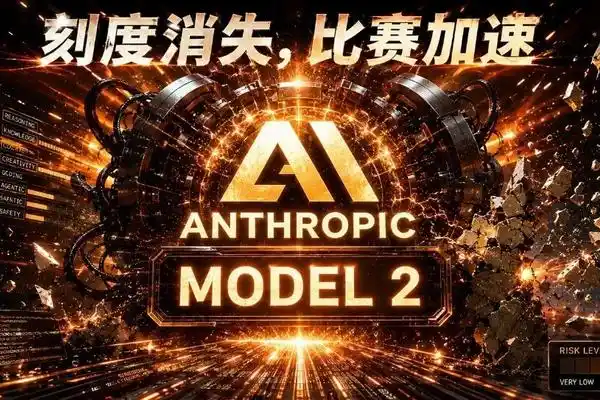
Anthropic tự tiết lộ “vũ khí hạt nhân bí mật”, Model 2 mạnh hơn Mythos 5

Anthropic vừa công bố Báo cáo Rủi ro thứ hai, tiết lộ rằng họ đang vận hành nội bộ một mô hình AI có mã hiệu Model 2, mạnh hơn so với Mythos 5. Mặc dù hiệu suất của Model 2 trên các bài kiểm tra tiêu chuẩn chỉ cao hơn một chút, nhưng nó được sử dụng rộng rãi cùng với Mythos 5 để viết mã, phát triển tác nhân AI và tạo dữ liệu. Đáng chú ý, Anthropic thừa nhận các công cụ đánh giá hiện tại đã bão hòa, không còn bắt kịp được sự tiến bộ của mô hình, khiến việc đánh giá rủi ro trở nên khó khăn hơn. Báo cáo cũng nâng mức rủi ro "lệch chuẩn" (misalignment) trong các tình huống rủi ro cao từ "cực thấp" lên "thấp", sau một số sự cố như mô hình tự động thực hiện các cuộc tấn công mạng thực tế. Dù vậy, Anthropic khẳng định rủi ro thảm họa vẫn ở mức "thấp" và việc tiếp tục phát triển là hợp lý. Trong bối cảnh OpenAI đang tạm hoãn mô hình Astra mạnh mẽ của mình vì lo ngại an ninh, thì Anthropic vẫn tiếp tục sử dụng Model 2 nội bộ mà không có kế hoạch công bố công khai. Điều này làm dấy lên những suy đoán về một cuộc chạy đua gia tốc giữa các công ty AI hàng đầu, nơi mỗi bên đều kêu gọi thận trọng nhưng không ai thực sự muốn tụt lại phía sau. Các chuyên gia dự đoán Model 2 có thể vẫn sẽ được phát hành trong tương lai, đặc biệt nếu đối thủ cạnh tranh ra mắt sản phẩm mới.

marsbit3 giờ trước

Anthropic tự tiết lộ “vũ khí hạt nhân bí mật”, Model 2 mạnh hơn Mythos 5

marsbit3 giờ trước

Tháng 8, 'thị trường tăng giá' ở Phố Wall trở lại, bản chất 'cá cược' cũng trở lại

Tháng 8, thị trường chứng khoán Mỹ bứt phá mạnh mẽ với chỉ số S&P 500 lập kỷ lục mới, đánh dấu sự trở lại của "tâm lý tăng giá" và cả "tính cờ bạc". Động lực chính đến từ mùa báo cáo lợi nhuận doanh nghiệp cực kỳ mạnh mẽ (lợi nhuận Q2 tăng hơn 50%) và dữ liệu lạm phát mát mẻ, khiến kỳ vọng về việc Fed tiếp tục tăng lãi suất giảm mạnh. Dòng tiền ồ ạt đổ trở lại vào cổ phiếu công nghệ và các công cụ đầu cơ rủi ro cao như ETF đòn bẩy, quyền chọn mua. Tuy nhiên, sự lạc quan này tồn tại trong một bối cảnh đầy mâu thuẫn. Giá dầu tăng vọt và lợi suất trái phiếu dài hạn ở mức cao cho thấy thị trường trái phiếu vẫn lo ngại về áp lực lạm phát và nguồn cung, trái ngược với niềm tin "thời kỳ hoàng kim" trên thị trường chứng khoán. Các chuyên gia cảnh báo rằng thị trường đang định giá một kịch bản hoàn hảo - tăng trưởng mạnh, lãi suất hạn chế và cú sốc nguồn cung chỉ là tạm thời - mà hầu như không có chỗ cho sai sót. Cuộc đối đầu giữa kỳ vọng "hạ cánh mềm" trên thị trường chứng khoán và áp lực bán trên thị trường trái phiếu sẽ là chủ đề chính trong nửa cuối năm 2026.

marsbit3 giờ trước

Tháng 8, 'thị trường tăng giá' ở Phố Wall trở lại, bản chất 'cá cược' cũng trở lại

marsbit3 giờ trước

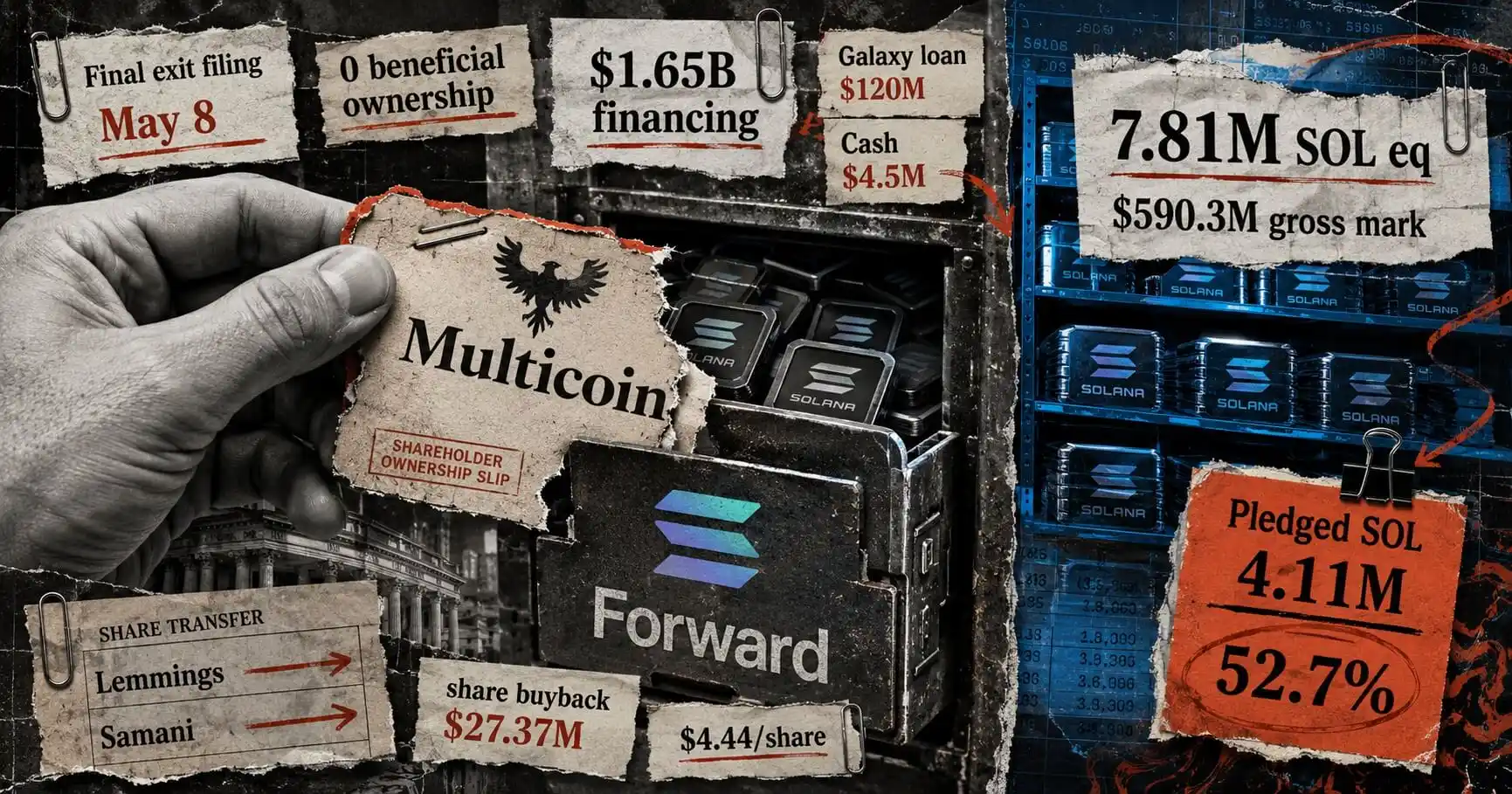
Cùng nhau thành lập chỉ sau 8 tháng, Multicoin rút khỏi công ty kho bạc Solana lớn nhất Forward

Theo tài liệu của SEC, Multicoin Capital đã thoái toàn bộ vốn đầu tư tại Forward Industries, công ty quỹ kho bạc Solana lớn nhất, chỉ 8 tháng sau khi cùng Galaxy Digital và Jump Crypto rót 16.5 tỷ USD. Việc Multicoin, nhà đầu tư sớm nổi tiếng của Solana, rút lui thu hút sự chú ý. Quá trình thoái vốn diễn ra qua nhiều giao dịch, phần lớn cổ phần được Forward mua lại hoặc chuyển cho Lemmings Holdings LLC do cựu Chủ tịch Kyle Samani kiểm soát. Điều này đi kèm với sự chia tay giữa Samani và Multicoin, thể hiện qua việc Samani từ chức tại Multicoin từ tháng 1 và sau đó chỉ trích công khai một sáng kiến do Multicoin ủng hộ. Dù Multicoin rời đi, Forward vẫn kiên định với chiến lược Solana. Báo cáo quý III/2026 cho thấy họ tiếp tục mua vào, nâng tổng nắm giữ lên khoảng 7.81 triệu SOL, bất chấp thua lỗ 69 triệu USD do giá SOL giảm. Công ty cũng đang đa dạng hóa danh mục, tìm kiếm các nguồn thu không phụ thuộc vào giá SOL, như đầu tư vào dự án OnRe, và xem xét các cơ hội mua lại trong bối cảnh thị trường suy giảm. Forward cũng được đưa vào chỉ số Russell 2000 & 3000, mở đường cho dòng vốn ETF.

marsbit4 giờ trước

Cùng nhau thành lập chỉ sau 8 tháng, Multicoin rút khỏi công ty kho bạc Solana lớn nhất Forward

marsbit4 giờ trước

Giao dịch

Giao ngay

Bài viết Nổi bật

Làm thế nào để Mua ERA

Chào mừng bạn đến với HTX.com! Chúng tôi đã làm cho mua Caldera (ERA) trở nên đơn giản và thuận tiện. Làm theo hướng dẫn từng bước của chúng tôi để bắt đầu hành trình tiền kỹ thuật số của bạn.Bước 1: Tạo Tài khoản HTX của BạnSử dụng email hoặc số điện thoại của bạn để đăng ký tài khoản miễn phí trên HTX. Trải nghiệm hành trình đăng ký không rắc rối và mở khóa tất cả tính năng. Nhận Tài khoản của tôiBước 2: Truy cập Mua Crypto và Chọn Phương thức Thanh toán của BạnThẻ Tín dụng/Ghi nợ: Sử dụng Visa hoặc Mastercard của bạn để mua Caldera (ERA) ngay lập tức.Số dư: Sử dụng tiền từ số dư tài khoản HTX của bạn để giao dịch liền mạch.Bên thứ ba: Chúng tôi đã thêm những phương thức thanh toán phổ biến như Google Pay và Apple Pay để nâng cao sự tiện lợi.P2P: Giao dịch trực tiếp với người dùng khác trên HTX.Thị trường mua bán phi tập trung (OTC): Chúng tôi cung cấp những dịch vụ được thiết kế riêng và tỷ giá hối đoái cạnh tranh cho nhà giao dịch.Bước 3: Lưu trữ Caldera (ERA) của BạnSau khi mua Caldera (ERA), lưu trữ trong tài khoản HTX của bạn. Ngoài ra, bạn có thể gửi đi nơi khác qua chuyển khoản blockchain hoặc sử dụng để giao dịch những tiền kỹ thuật số khác.Bước 4: Giao dịch Caldera (ERA)Giao dịch Caldera (ERA) dễ dàng trên thị trường giao ngay của HTX. Chỉ cần truy cập vào tài khoản của bạn, chọn cặp giao dịch, thực hiện giao dịch và theo dõi trong thời gian thực. Chúng tôi cung cấp trải nghiệm thân thiện với người dùng cho cả người mới bắt đầu và người giao dịch dày dạn kinh nghiệm.

Tổng lượt xem 1.3kXuất bản vào 2025.07.17Cập nhật vào 2026.06.02

Làm thế nào để Mua ERA

Thảo luận

Chào mừng đến với Cộng đồng HTX. Tại đây, bạn có thể được thông báo về những phát triển nền tảng mới nhất và có quyền truy cập vào thông tin chuyên sâu về thị trường. Ý kiến ​​của người dùng về giá của ERA (ERA) được trình bày dưới đây.

活动图片