Interview with Kalshi's Founders: Sports Trading Accounts for 95%; Disagreement on Philosophy with Polymarket

marsbitXuất bản vào 2026-08-11Cập nhật gần nhất vào 2026-08-11

Tóm tắt

Interview with Kalshi Founders: Sports Trading at 95%, Disagreement with Polymarket on Philosophy Kalshi, a US-based prediction market platform founded in 2018 by MIT graduates Tarek Mansour and Luana Lopes Lara, has reached a $220 billion valuation. Operating under CFTC regulation, the platform allows users to trade on event outcomes, from sports to politics. Currently, sports-related trading dominates, accounting for about two-thirds of volume, down from 95% last year. Mansour argues this liquidity boosts other categories like crypto and politics, where major events can see $50-100 million in volume. He defends the concept of "financializing everything," stating markets transform partisan debates into objective, incentive-aligned systems for truth-seeking. A key point of contention is the regulatory approach. Mansour emphasizes Kalshi's commitment to a compliant path, contrasting it with rival Polymarket, which he accuses of operating without proper safeguards. He views established financial platforms like Robinhood and CME as his real competition. The industry faces legal challenges, including a lawsuit from New York's Attorney General alleging illegal gambling, and scrutiny over potential insider trading. Kalshi cites identity verification, surveillance systems, and full transparency as its defenses. On management, Mansour describes a flat, non-hierarchical structure adapted from his upbringing in Lebanon, focusing on agility. He credits his success to consistent, ex...

Kalshi is much smaller than many people imagine. Most of the company's 200 employees work in an open-plan office in Manhattan's Meatpacking District, not even occupying an entire floor of a building.

Yet today, Kalshi and a host of prediction market platforms like Polymarket are almost omnipresent.

They are major sponsors of major sporting events, and media outlets frequently cite their data in coverage related to politics and financial markets. Users can wager on the probability of various events occurring on these sites: the final score of a soccer match, the results of a new drug's clinical trials, what content President Trump's speech will touch on.

Kalshi was founded in 2018 and officially opened to the public in 2021. Its founders are two graduates fresh out of MIT: CEO Tarek Mansour and COO Luana Lopes Lara. In May of this year, the company completed a new round of funding, reaching a valuation of $220 billion. Mansour grew up in Lebanon, and Lopes Lara is from Brazil. According to Forbes calculations, both are only 30 years old and have already become billionaires.

In the United States, prediction markets are regulated by the Commodity Futures Trading Commission (CFTC) and, once approved, can operate nationwide. Gambling companies, however, need to obtain permits from each state individually; the regulatory rules differ. A New York Times investigation revealed that recent staff reductions and relaxed enforcement by the CFTC have objectively fueled the growth of the prediction market industry.

The industry's rapid expansion has attracted a large number of investors and new entrants, including individuals with ties to the Trump family: Donald Trump Jr. is an investor in Polymarket and also serves as a paid advisor to Kalshi. Mark Zuckerberg of Meta Platforms is also interested in entering the prediction market space.

Some lawmakers and regulators believe prediction markets are merely gambling with a different coat of paint. The industry also faces risks of insider trading: in recent months, a U.S. soldier involved in the capture of Venezuelan President Maduro placed bets on related events on Polymarket; a White House teleprompter operator placed bets on Trump's speech content on Kalshi.

New York State Attorney General Letitia James recently sued Kalshi, accusing it of operating illegally and circumventing state gambling laws. Kalshi called the lawsuit a "political stunt" and stated that states have no authority to order the company to cease operations. More than ten states have introduced regulatory bills targeting prediction markets this year.

In its last funding round disclosure, Kalshi claimed its platform's annualized trading volume had surged to $178 billion. In Mansour's view, markets that allow people to back their predictions with money have significant value, helping to "calibrate" (a word he frequently uses) a world "overloaded with information but lacking in truth."

The following is the content of the interview, edited and condensed for readability.

Tarek Mansour

Q: You once stated that one of Kalshi's visions is the "financialization of everything." Many people find this concept dystopian. Why do you think it's a good thing?

I think people have taken that phrase out of context. The beauty of prediction markets is that they transform subjective, emotional, and partisan debates into a mathematical, objective system with clear and transparent incentives. If you immerse yourself in research, analyze rationally, and strive to uncover the truth, you are likely to profit; if your views are biased, detached from reality, or extreme, you will likely lose money in the end.

This kind of market has a unique sense of order: you can clearly discern the motives behind others' opinions. People participate in the game, essentially pursuing truth, with the goal of earning returns.

Q: Currently, a large number of users are trading sports events. What is the proportion of trading volume between sports and other categories among the platform's event contracts?

Indeed, everyone loves trading sports events. Most of our users enjoy mathematics, economics, and trading, and are passionate about thinking about probabilities and the various variables that influence event outcomes. Sports events are an excellent training ground for probabilistic thinking.

Q: What are the specific figures?

Last year, sports-related trading accounted for about 95%, and now it's close to two-thirds. There is a massive amount of sporting events every week, but political events don't appear endlessly. Sports trading brings ample liquidity to other categories like cryptocurrency, politics, and macroeconomics, driving significantly higher growth rates in those sectors.

Q: How is the political category developing now?

Major political events can reach a market size of $50 million to $100 million. As more participants join, the accuracy of market pricing improves significantly, and expectations become more aligned with reality.

Q: Returning to the topic of "financialization of everything," what are Kalshi's next steps?

Everything should be done in moderation. Kalshi supports sensible regulation. We have always insisted on a compliant path. In the early days of the startup, we spent years planning which categories to launch and fighting for federal-level licenses. It was very difficult. We were only 22 then, and the first four years of our careers were spent working with lawyers to push for a regulatory framework for the industry.

Q: Are you satisfied with the current regulatory environment? Are there any gaps in the regulatory system?

Whenever there is innovation and emerging things, there will be regulatory gaps at any given time. If regulations were perfect, no new things would be born in this country.

Q: I'd like to ask about the rumors of tension between you and Polymarket founder Shayne Coplan. Care to share what's really going on?

People always love to see rivals clash. But this isn't exactly direct competition. My true rivals are others: Robinhood, the Chicago Mercantile Exchange (CME), Coinbase, Interactive Brokers, major banks, and Zuckerberg who is eyeing the prediction market space. Competing on the same stage as these players excites me.

Our disagreement with Polymarket is essentially a difference in philosophy.

Q: What is the specific disagreement?

The core difference lies in the development path. Choosing compliant operation versus unregulated, wild growth. I believe Polymarket has not built adequate market risk controls. In the long run, this is not good for them, or even for the entire industry.

Q: How can you convince the outside world that the regulatory rules Kalshi is helping to establish truly side with user interests?

The industry's continued growth itself is a proof of trust; users are willing to entrust us with their funds. If people's interests are harmed, they lose trust in the platform, they will naturally stop using it and warn those around them.

Q: Is the platform's trading volume highly concentrated in the hands of a few traders?

I don't have precise percentage data, but the distribution of trading volume is indeed uneven. Some users trade sporadically each month, some treat trading as a hobby or side job, and there are also full-time participants, the super forecasters. Super forecasters sift through vast amounts of information. This group may be less than 2% of users but contributes 70% to 80% of the trading volume.

Our most accurate inflation forecaster is just an ordinary person in Kansas; the top ten political forecasters also come from all walks of life, without Wall Street elite backgrounds. Many are blue-collar workers, which is quite interesting.

Q: What measures does Kalshi take to prevent insider trading?

First, all users need to complete identity verification. The platform knows the real identity of traders, and if abnormal trading occurs, it can be quickly traced back to the source. Second, we have built systems comparable to the NYSE that automatically flag suspicious trading patterns. Third, we implement full transparency; all trading data is publicly available.

This has pros and cons. The downside is that everyone can see the trading records. If there's any anomaly, someone will immediately question insider trading. The upside lies precisely in that: abnormal behavior is supervised by everyone. If someone wants to engage in insider trading, it's like committing a crime in plain sight of the public.

Insider trading is subtle. In a sense, insider information can make market prices more efficient. But we strictly prohibit insider trading because it undermines fairness and will ultimately drive away ordinary traders.

Some economists argue that insider trading can improve prediction accuracy, making people trust market conclusions more. But fairness is our bottom line and top priority.

Q: The company is expanding rapidly. How do you balance external affairs while focusing on building the company?

Luana and I work very intensely, often working on weekends; time can always be squeezed out. When business reaches a stable phase, many tasks can be standardized and handed over to the team. She handles internal company operations, and I mainly deal with external affairs. This model works quite well.

Kalshi adopts a highly flat organizational structure, aiding efficient project execution. There are very few management layers, preventing managers from taking credit for frontline employees' work. The doers are the team leaders, thereby creating a sense of urgency and intrinsic motivation.

Q: Where does your management style come from?

Lebanese people generally possess an extremely strong ability to adapt; the local environment is full of uncertainty. That upbringing made me realize that the world itself is full of variables.

Right now, the AI field changes almost every two weeks, and the environment is in constant flux. Corporate organizational structures must adapt to this pace. Therefore, we deliberately avoid rigid hierarchical structures. Whether facing major challenges or new opportunities, teams can flexibly reorganize and collaborate.

Q: Continuing on the topic of upbringing, what is the most important advice your parents gave you?

My mother always told me: always give 120% effort, strive for excellence. The final difference in results often lies in that last 20% of effort.

Lightning Round

Q: Which recent trade on Kalshi caught your attention?

A: Contracts related to compute pricing.

Q: When interviewing job candidates, what's your favorite question to ask?

A: What do you think of Elon Musk?

Q: What is your most contrarian view?

A: I believe the success of any great enterprise does not primarily depend on its senior executives.

Q: Do you consider yourself a manager?

A: No, I'm not good at managing others.

Q: What was the last question you asked AI?

A: I asked ChatGPT about the probability of winning the 2028 midterm elections. Nowadays, AI can already pull Kalshi data for analysis.

Q: What is the worst advice young entrepreneurs most often hear nowadays?

A: Many people advise entrepreneurs to gather all sorts of advice from everywhere. But there is no universal formula for entrepreneurship. People over-rely on others' opinions; meanwhile, many people enjoy giving advice to others to feel superior, but most of the advice is worthless.

Q: Then what advice would you give to young entrepreneurs?

A: Don't take my words as gospel truth. Within controllable bounds, be as bold as possible in experimenting and taking risks.

Q: The best advice about meetings?

A: If you can avoid a meeting, avoid it.

Tiền kỹ thuật số thịnh hành

Câu hỏi Liên quan

QAccording to Kalshi's CEO, what is the current distribution of trading volume between sports-related contracts and other categories on the platform?

ACurrently, sports-related trading volume accounts for close to two-thirds (approximately 66%) of the platform's total. This is a decrease from about 95% last year. The liquidity from sports trading helps boost other categories like cryptocurrency, politics, and macroeconomics.

QWhat is the fundamental philosophical disagreement between Kalshi and its competitor Polymarket, as stated by Tarek Mansour?

AThe core disagreement lies in their development philosophy and approach to regulation. Kalshi pursues a regulated, compliant path, having spent years securing federal licenses. Mansour criticizes Polymarket for choosing to operate in an unregulated manner and lacking robust market risk controls, which he believes is detrimental to the company and the industry in the long term.

QHow does Kalshi claim to mitigate the risk of insider trading on its platform?

AKalshi employs a three-pronged approach: 1) Identity verification for all users to enable traceability. 2) A surveillance system similar to the NYSE that automatically flags suspicious trading patterns. 3) Full transparency by making all trade data publicly available, which subjects any unusual activity to public scrutiny.

QWhat regulatory challenge is Kalshi currently facing in New York, and what is the company's response?

AThe New York State Attorney General, Letitia James, has sued Kalshi, accusing it of illegal operation and circumventing state gambling laws. Kalshi has dismissed the lawsuit as a 'political stunt' and argues that individual states do not have the authority to shut down its business, as it operates under federal oversight from the CFTC.

QWhat is Tarek Mansour's perspective on the role of company leadership in a successful enterprise, which he considers his most contrarian view?

AMansour's most contrarian view is that the success of any great company does not fundamentally depend on its senior executives. He emphasizes creating a flat organizational structure where doers are in charge, allowing the company to adapt quickly to a rapidly changing environment.

Nội dung Liên quan

Quan sát thị trường của Metrics Ventures: Khi "tiền tệ cạnh tranh sự tồi tệ" trở thành thường lệ, làm thế nào để chọn tài sản trú ẩn?

Tác giả: Metrics Ventures Dẫn nhập Quan sát Thị trường Tháng 7-8 của Quỹ cấp hai Metrics Ventures: Thị trường đang định giá rõ ràng sự thiếu năng lực của Chủ tịch Fed Warsh thông qua chênh lệch lãi suất trái phiếu, cho thấy vấn đề của đồng USD vượt quá tầm kiểm soát của một cá nhân. Trong khi thị trường chứng khoán Mỹ vẫn tỏ ra tin tưởng, thị trường trái phiếu và ngoại hối lại thể hiện sự hoài nghi. Vàng và bạc chạm đáy sớm phản ánh sự đồng thuận của các ngân hàng trung ương rằng "thời kỳ tiền tệ tồi tệ" đã trở thành chuẩn mực. Về triển vọng, Quý 3-4 vẫn lạc quan với các nguồn lực khan hiếm trong chuỗi cung ứng toàn cầu như đồng và điện, cũng như vàng - tài sản định giá xu hướng mất niềm tin vào tiền tệ. Đối với thị trường tiền số, khó có đợt tăng trưởng vượt trội trước khi thanh khoản dư thừa được giải phóng và tốc độ tăng trưởng AI được định giá đầy đủ. Điểm lại thị trường: 1. Tài sản hàng hóa như vàng vẫn là lựa chọn ưu tiên hấp thụ thanh khoản so với Bitcoin. 2. Xu hướng tăng của tài sản nhân dân tệ (ví dụ: Chỉ số SSE STAR 50) vẫn rõ ràng. 3. Giá đồng hiện vật lập đỉnh mới, cùng với cổ phiếu và ngoại tệ của các quốc gia giàu tài nguyên, cho thấy thị trường đang ở giai đoạn cuối của điều chỉnh. Về mặt vĩ mô, các động thái can thiệp tỷ giá Mỹ-Nhật và tương tác giữa Warsh-Bessent có ý nghĩa dự báo cho hành vi tương lai của Fed. Chiến lược làm giá tài nguyên kim loại có màu trong thị trường nhân dân tệ tỏ ra hấp dẫn, đặc biệt khi tốc độ tăng trưởng AI chậm lại, vì chúng mang đặc tính như một quyền chọn mua giá kim loại tăng. Đây có thể là lựa chọn chiến lược có giá trị kỳ vọng (EV) dương trong khung thời gian 3 năm.

marsbit7 phút trước

Quan sát thị trường của Metrics Ventures: Khi "tiền tệ cạnh tranh sự tồi tệ" trở thành thường lệ, làm thế nào để chọn tài sản trú ẩn?

marsbit7 phút trước

Anthropic tự tiết lộ “vũ khí hạt nhân bí mật”, Model 2 mạnh hơn Mythos 5

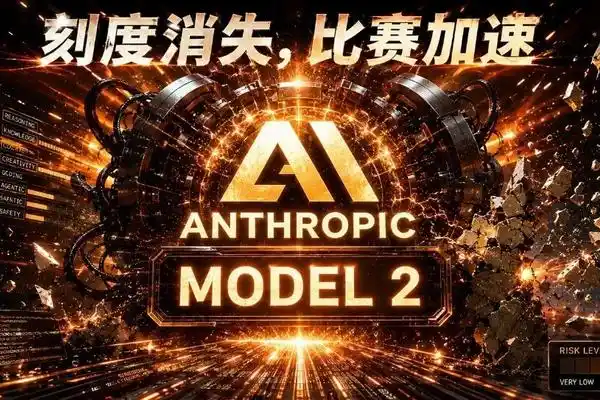
Anthropic vừa công bố Báo cáo Rủi ro thứ hai, tiết lộ rằng họ đang vận hành nội bộ một mô hình AI có mã hiệu Model 2, mạnh hơn so với Mythos 5. Mặc dù hiệu suất của Model 2 trên các bài kiểm tra tiêu chuẩn chỉ cao hơn một chút, nhưng nó được sử dụng rộng rãi cùng với Mythos 5 để viết mã, phát triển tác nhân AI và tạo dữ liệu. Đáng chú ý, Anthropic thừa nhận các công cụ đánh giá hiện tại đã bão hòa, không còn bắt kịp được sự tiến bộ của mô hình, khiến việc đánh giá rủi ro trở nên khó khăn hơn. Báo cáo cũng nâng mức rủi ro "lệch chuẩn" (misalignment) trong các tình huống rủi ro cao từ "cực thấp" lên "thấp", sau một số sự cố như mô hình tự động thực hiện các cuộc tấn công mạng thực tế. Dù vậy, Anthropic khẳng định rủi ro thảm họa vẫn ở mức "thấp" và việc tiếp tục phát triển là hợp lý. Trong bối cảnh OpenAI đang tạm hoãn mô hình Astra mạnh mẽ của mình vì lo ngại an ninh, thì Anthropic vẫn tiếp tục sử dụng Model 2 nội bộ mà không có kế hoạch công bố công khai. Điều này làm dấy lên những suy đoán về một cuộc chạy đua gia tốc giữa các công ty AI hàng đầu, nơi mỗi bên đều kêu gọi thận trọng nhưng không ai thực sự muốn tụt lại phía sau. Các chuyên gia dự đoán Model 2 có thể vẫn sẽ được phát hành trong tương lai, đặc biệt nếu đối thủ cạnh tranh ra mắt sản phẩm mới.

marsbit1 giờ trước

Anthropic tự tiết lộ “vũ khí hạt nhân bí mật”, Model 2 mạnh hơn Mythos 5

marsbit1 giờ trước

Tháng 8, 'thị trường tăng giá' ở Phố Wall trở lại, bản chất 'cá cược' cũng trở lại

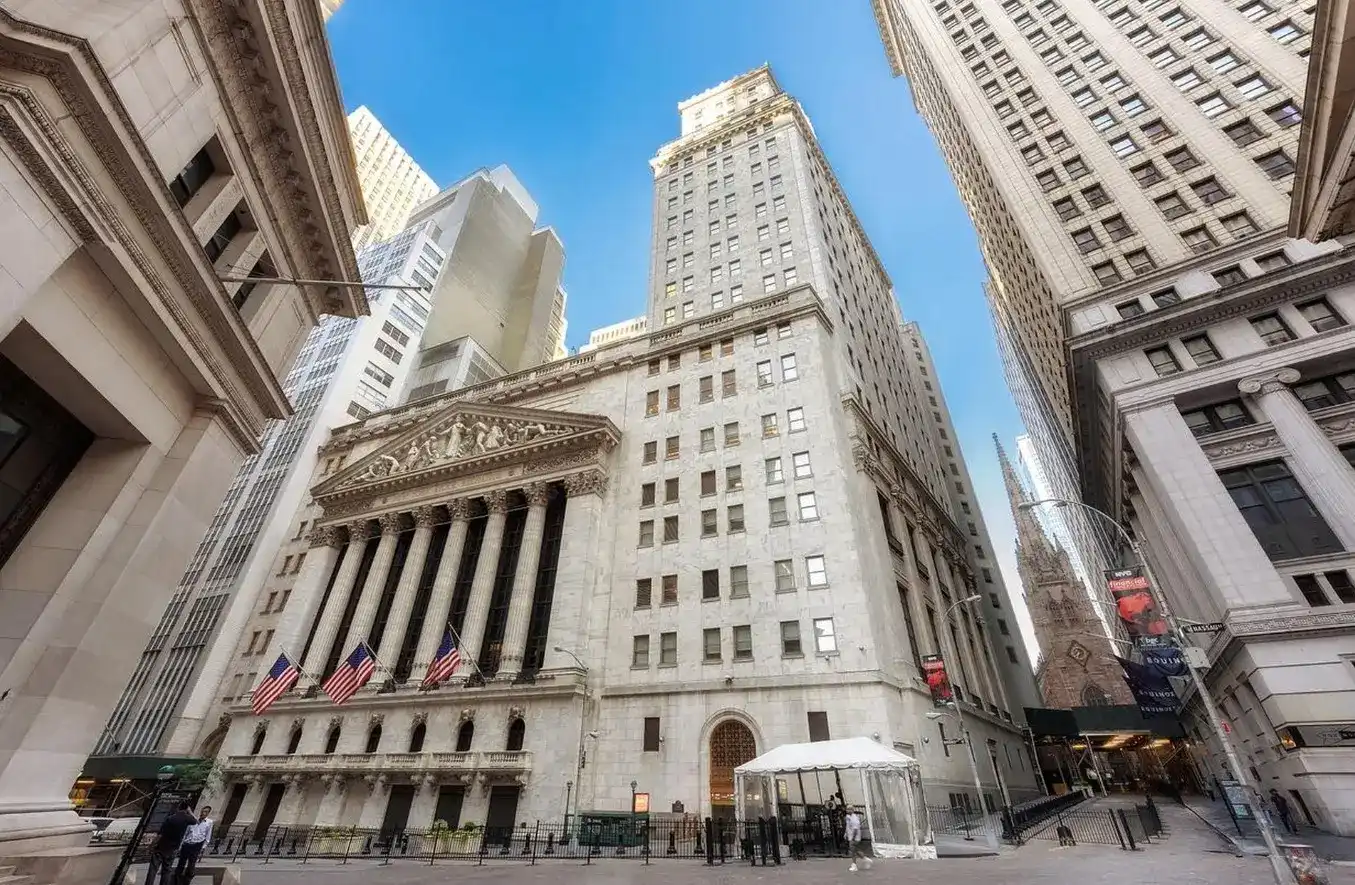
Tháng 8, thị trường chứng khoán Mỹ bứt phá mạnh mẽ với chỉ số S&P 500 lập kỷ lục mới, đánh dấu sự trở lại của "tâm lý tăng giá" và cả "tính cờ bạc". Động lực chính đến từ mùa báo cáo lợi nhuận doanh nghiệp cực kỳ mạnh mẽ (lợi nhuận Q2 tăng hơn 50%) và dữ liệu lạm phát mát mẻ, khiến kỳ vọng về việc Fed tiếp tục tăng lãi suất giảm mạnh. Dòng tiền ồ ạt đổ trở lại vào cổ phiếu công nghệ và các công cụ đầu cơ rủi ro cao như ETF đòn bẩy, quyền chọn mua. Tuy nhiên, sự lạc quan này tồn tại trong một bối cảnh đầy mâu thuẫn. Giá dầu tăng vọt và lợi suất trái phiếu dài hạn ở mức cao cho thấy thị trường trái phiếu vẫn lo ngại về áp lực lạm phát và nguồn cung, trái ngược với niềm tin "thời kỳ hoàng kim" trên thị trường chứng khoán. Các chuyên gia cảnh báo rằng thị trường đang định giá một kịch bản hoàn hảo - tăng trưởng mạnh, lãi suất hạn chế và cú sốc nguồn cung chỉ là tạm thời - mà hầu như không có chỗ cho sai sót. Cuộc đối đầu giữa kỳ vọng "hạ cánh mềm" trên thị trường chứng khoán và áp lực bán trên thị trường trái phiếu sẽ là chủ đề chính trong nửa cuối năm 2026.

marsbit1 giờ trước

Tháng 8, 'thị trường tăng giá' ở Phố Wall trở lại, bản chất 'cá cược' cũng trở lại

marsbit1 giờ trước

Cùng nhau thành lập chỉ sau 8 tháng, Multicoin rút khỏi công ty kho bạc Solana lớn nhất Forward

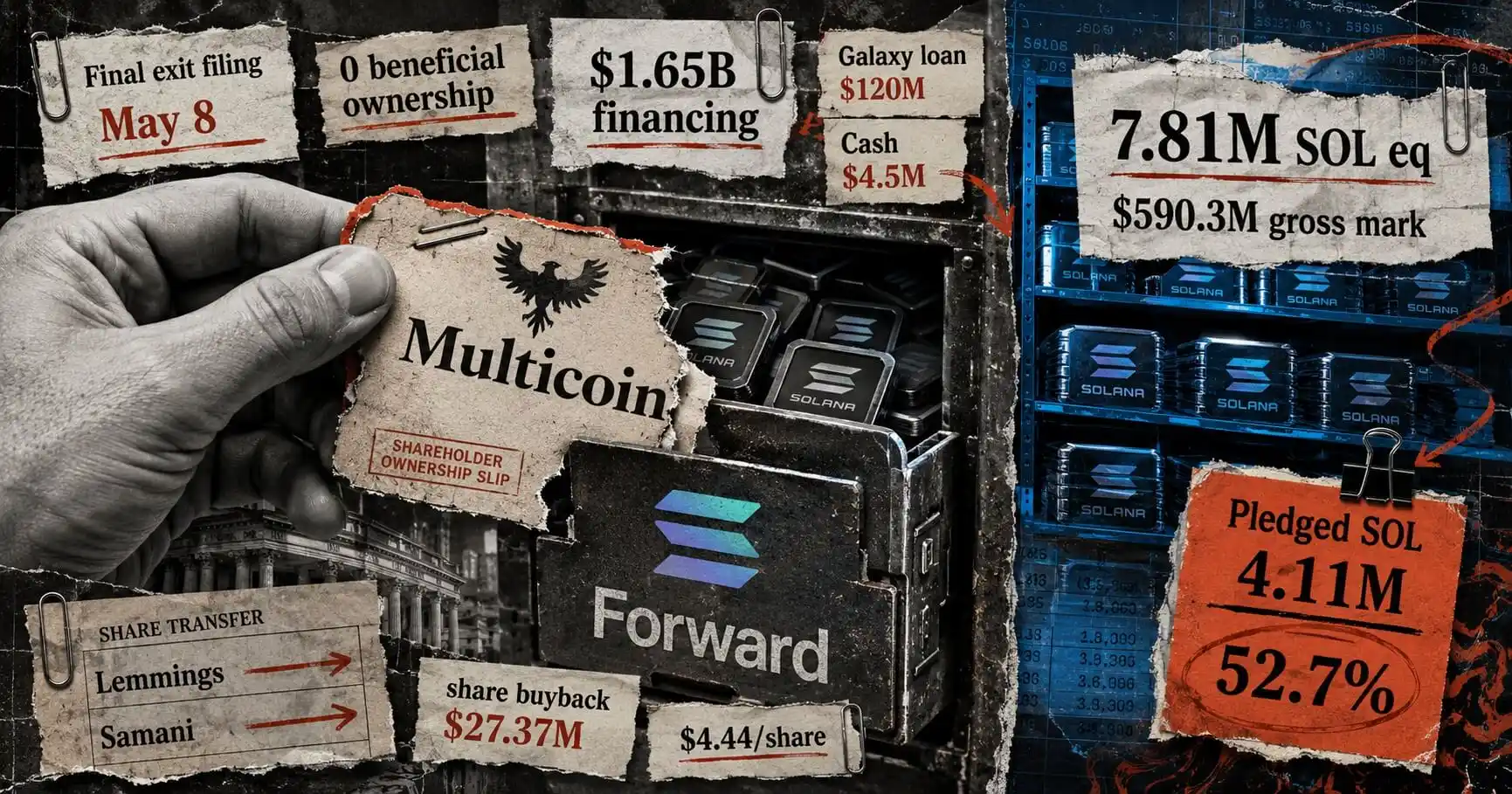
Theo tài liệu của SEC, Multicoin Capital đã thoái toàn bộ vốn đầu tư tại Forward Industries, công ty quỹ kho bạc Solana lớn nhất, chỉ 8 tháng sau khi cùng Galaxy Digital và Jump Crypto rót 16.5 tỷ USD. Việc Multicoin, nhà đầu tư sớm nổi tiếng của Solana, rút lui thu hút sự chú ý. Quá trình thoái vốn diễn ra qua nhiều giao dịch, phần lớn cổ phần được Forward mua lại hoặc chuyển cho Lemmings Holdings LLC do cựu Chủ tịch Kyle Samani kiểm soát. Điều này đi kèm với sự chia tay giữa Samani và Multicoin, thể hiện qua việc Samani từ chức tại Multicoin từ tháng 1 và sau đó chỉ trích công khai một sáng kiến do Multicoin ủng hộ. Dù Multicoin rời đi, Forward vẫn kiên định với chiến lược Solana. Báo cáo quý III/2026 cho thấy họ tiếp tục mua vào, nâng tổng nắm giữ lên khoảng 7.81 triệu SOL, bất chấp thua lỗ 69 triệu USD do giá SOL giảm. Công ty cũng đang đa dạng hóa danh mục, tìm kiếm các nguồn thu không phụ thuộc vào giá SOL, như đầu tư vào dự án OnRe, và xem xét các cơ hội mua lại trong bối cảnh thị trường suy giảm. Forward cũng được đưa vào chỉ số Russell 2000 & 3000, mở đường cho dòng vốn ETF.

marsbit2 giờ trước

Cùng nhau thành lập chỉ sau 8 tháng, Multicoin rút khỏi công ty kho bạc Solana lớn nhất Forward

marsbit2 giờ trước

Grayscale: "Nếu các đề xuất được thông qua, giá của hai altcoin này có thể tăng"

Trưởng bộ phận nghiên cứu tại Grayscale, Zach Pandl, cho biết nếu các đề xuất thay đổi tokenomics trong cộng đồng Ethereum ($ETH) và Solana ($SOL) được thông qua, tốc độ tăng nguồn cung của cả hai tài sản crypto này có thể chậm lại đáng kể, từ đó tác động tích cực đến giá. Các thay đổi được đề cập nhằm giảm tỷ lệ lạm phát token hàng năm của $ETH và $SOL. Việc nguồn cung tăng chậm hơn có thể làm giảm lượng token mới lưu hành, làm tăng tính khan hiếm. Grayscale ước tính nếu được áp dụng, lạm phát nguồn cung hàng năm của Ethereum có thể giảm xuống khoảng 0.4% vào cuối năm 2031, gần với tốc độ tăng nguồn cung của Bitcoin. Dự kiến lạm phát nguồn cung hàng năm của Solana sẽ giảm xuống khoảng 1.1%. Tuy nhiên, việc giảm lạm phát token cũng có thể dẫn đến phần thưởng staking thấp hơn cho các nhà đầu tư, vì phần lớn thu nhập từ staking $ETH và $SOL đến từ việc phát hành token mới. Pandl lưu ý rằng việc tăng trưởng nguồn cung chậm lại có thể làm tăng tính khan hiếm, tạo áp lực tăng giá, đặc biệt có lợi cho những nhà đầu tư nắm giữ token mà không staking.

cryptonews.ru6 giờ trước

Grayscale: "Nếu các đề xuất được thông qua, giá của hai altcoin này có thể tăng"

cryptonews.ru6 giờ trước

Giao dịch

Giao ngay

Bài viết Nổi bật

Làm thế nào để Mua PEOPLE

Chào mừng bạn đến với HTX.com! Chúng tôi đã làm cho mua ConstitutionDAO (PEOPLE) trở nên đơn giản và thuận tiện. Làm theo hướng dẫn từng bước của chúng tôi để bắt đầu hành trình tiền kỹ thuật số của bạn.Bước 1: Tạo Tài khoản HTX của BạnSử dụng email hoặc số điện thoại của bạn để đăng ký tài khoản miễn phí trên HTX. Trải nghiệm hành trình đăng ký không rắc rối và mở khóa tất cả tính năng. Nhận Tài khoản của tôiBước 2: Truy cập Mua Crypto và Chọn Phương thức Thanh toán của BạnThẻ Tín dụng/Ghi nợ: Sử dụng Visa hoặc Mastercard của bạn để mua ConstitutionDAO (PEOPLE) ngay lập tức.Số dư: Sử dụng tiền từ số dư tài khoản HTX của bạn để giao dịch liền mạch.Bên thứ ba: Chúng tôi đã thêm những phương thức thanh toán phổ biến như Google Pay và Apple Pay để nâng cao sự tiện lợi.P2P: Giao dịch trực tiếp với người dùng khác trên HTX.Thị trường mua bán phi tập trung (OTC): Chúng tôi cung cấp những dịch vụ được thiết kế riêng và tỷ giá hối đoái cạnh tranh cho nhà giao dịch.Bước 3: Lưu trữ ConstitutionDAO (PEOPLE) của BạnSau khi mua ConstitutionDAO (PEOPLE), lưu trữ trong tài khoản HTX của bạn. Ngoài ra, bạn có thể gửi đi nơi khác qua chuyển khoản blockchain hoặc sử dụng để giao dịch những tiền kỹ thuật số khác.Bước 4: Giao dịch ConstitutionDAO (PEOPLE)Giao dịch ConstitutionDAO (PEOPLE) dễ dàng trên thị trường giao ngay của HTX. Chỉ cần truy cập vào tài khoản của bạn, chọn cặp giao dịch, thực hiện giao dịch và theo dõi trong thời gian thực. Chúng tôi cung cấp trải nghiệm thân thiện với người dùng cho cả người mới bắt đầu và người giao dịch dày dạn kinh nghiệm.

Tổng lượt xem 959Xuất bản vào 2024.12.12Cập nhật vào 2026.06.02

Làm thế nào để Mua PEOPLE

Thảo luận

Chào mừng đến với Cộng đồng HTX. Tại đây, bạn có thể được thông báo về những phát triển nền tảng mới nhất và có quyền truy cập vào thông tin chuyên sâu về thị trường. Ý kiến ​​của người dùng về giá của PEOPLE (PEOPLE) được trình bày dưới đây.

活动图片