When 'Odysseus' Encounters the Algorithm

marsbitXuất bản vào 2026-08-10Cập nhật gần nhất vào 2026-08-10

Tóm tắt

Christopher Nolan's "Odyssey," a $250 million IMAX epic, premiered in July 2026, quickly grossing over $1 billion and setting box office and critical records. The film's production was defined by its physical scale: shooting across six countries with practical effects, custom-built IMAX cameras, and extensive use of film. Concurrently, the AI-generated film "Odysseus: The Fall," created by the independent studio Fountain0 for just $50,000, demonstrated the technical feasibility of AI in long-form filmmaking. This stark 5,000x cost difference highlights a broader industry conflict between traditional, experience-driven production and algorithmic efficiency. While the AI film achieved technical success, it revealed current limitations, such as unstable long shots, inconsistent characters, and a lack of nuanced emotional performance. More importantly, its infinite, low-cost nature lacks the scarcity and immersive "event" status that fuels the theatrical premium for films like Nolan's. The market strongly favored the traditional model's brand security, physical assets, and premium theatrical experience. The analysis suggests AI will not replace auteurs like Nolan but will significantly disrupt mid-tier productions and technical, labor-intensive roles (e.g., pre-visualization, VFX). This could erode the career pathways for future directors. Paradoxically, as AI content proliferates, the perceived value of "handcrafted," physically-shot cinema may rise, akin to artisanal goods. ...

By | Wan Dian Research

Athena's owl takes flight at dusk, while Nolan's camera roars at noon.

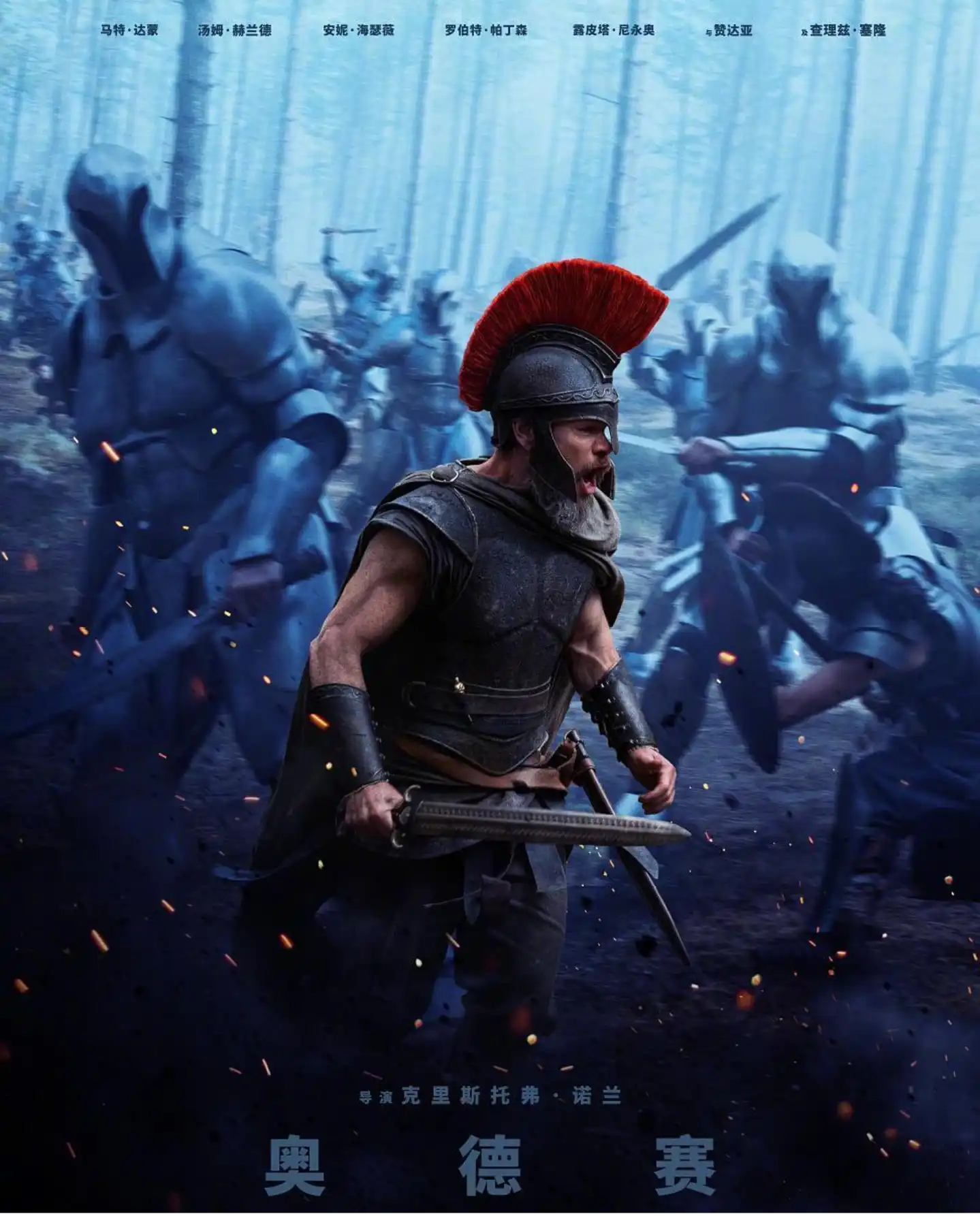
On July 17, 2026, Christopher Nolan's "Odyssey" was released in cinemas worldwide. As of August 9, this epic film with a budget of $250 million and a runtime of 172 minutes has grossed over $1.008 billion globally, becoming the director's second-highest-grossing work, second only to "The Dark Knight Rises." It opened with a global weekend box office of $264 million, setting a new personal record for Nolan. It holds a 98% fresh rating on Rotten Tomatoes and a 99% audience score, both Nolan's highest career scores. In mainland China, the film had not yet officially premiered (scheduled for August 14), but advance screenings and pre-sales had already generated over 60 million yuan. Showings with only 0.4% of the screenings accounted for over 17% of the box office, with IMAX screenings in first-tier cities reaching a 94% occupancy rate. Industry insiders predict the final box office will land between $1.2 and $1.5 billion.
Meanwhile, another version of Odysseus was quietly setting sail in the digital world. Independent studio Fountain0 released a 135-minute feature film titled "Odysseus: The Fall," with a total cost of only $50,000, generated 100% by artificial intelligence. A team of 12 people completed it in three months, with zero live-action filming, zero studio use, and zero large crew. Almost simultaneously, Elon Musk announced on the X platform that his AI platform Grok Imagine would produce an AI-generated "Odyssey" feature film "faithful to Homer's original" by the end of the year.

A 5000-fold cost difference, same subject matter, same release window. This is not just a clash of artistic genres, but a divergence in industrial philosophy. However, delving deeper into Hollywood's balance sheets reveals that Christopher Nolan's $250 million is not a consumptive "expense," but a "leveraged investment" that moves the entire industry—securing exclusive IMAX agreements, long-tail home video rights, and copyright library value for the next half-century.

In contrast, while AI's $50,000 is cheap, its training datasets exist in legal gray areas, and the generated footage cannot claim strong copyright protection. "Low cost" without property barriers is, in the eyes of capital markets, precisely a liability lacking a moat.

Nolan's filming method is almost a deliberate provocation to efficiency-first proponents.

A 91-day shoot spanned six countries: Morocco, Greece, Italy, Iceland, Scotland, and the United States. The film used over 640 kilometers (over 2.1 million feet) of IMAX film—enough to stretch from Toronto to New York—and produced 5,300 costumes. For this film, IMAX spent two years developing its first new film camera in 25 years, named "Kelly" in honor of the late Chief Quality Officer David Kelly and his wife. The camera uses carbon fiber components (sourced from Formula 1 racing) and for the first time enables IMAX film to capture dialogue and close-up shots—previously, the immense operating noise of IMAX cameras made any dialogue scene impossible.

The Cyclops scene was not CGI. The crew built a 60-foot-tall practical animatronic puppet in Greece's Psychro Cave, combining mechanical effects and string-puppet techniques. The six-headed sea monster and massive whirlpool were also filmed practically—manned speedboats circled to create a physical water vortex, providing real-time dynamic references for the visual effects team. Actors wore bronze armor while submerged in 9°C seawater. As Matt Damon put it, "This is absolutely the biggest movie I've ever made in my career. It feels like it was made the way they would have 100 years ago, just with IMAX this time."

Independent studio Fountain0's working method belongs to another civilization.

They used large language models to generate the script and video diffusion models to render the visuals. Algorithms replaced the director, cinematographer, art director, lighting technicians, and even the entire post-production team. No morning meetings, no weather delays, no actor scheduling conflicts, no workers' compensation insurance. The total cost of $50,000 is roughly equivalent to a single day's catering expenses on Nolan's set. The film rents for $9.99 per view. It proves for the first time that generating a full-length narrative film with AI is technically feasible.

The capital markets have already cast their preliminary vote.

Nolan's "Odyssey" has grossed $257 million from IMAX screenings, accounting for nearly a quarter of its global total. IMAX's stock price surged 6.61% on August 3, breaking the $50 barrier for the first time to hit a record high; it's up 37.99% year-to-date and has doubled over the past 12 months. Thanks to this film, Universal Pictures became the first film studio in 2026 to surpass $4 billion in global box office. With a $20 million advance plus 20% of the box office gross, Nolan stands to earn between $75 million and $100 million personally.

Meanwhile, Fountain0's AI feature film garnered about 1.2 million views in its first week on streaming platforms. Converted to a subscription model, this translates to direct revenue of less than $1 million. Musk's Grok Imagine version has yet to materialize, and the capital markets have reacted tepidly—Tesla's stock price showed no significant movement, and xAI's valuation hasn't been repriced as a result.

The market favors a certain narrative.

Nolan spent two decades, over ten films, and a cumulative global box office exceeding $6 billion to build a predictable brand for investors. Securing a top-tier Hollywood deal of a "$20 million advance plus 20% of the box office" as a director is extremely rare in industry history. AI filmmaking, however, has yet to establish any sustainable business model. There is no director brand premium, no theatrical window, no IMAX exclusive revenue share, no peripheral merchandise chain. It remains in the ambiguous zone between "tech demo" and "complete product." More crucially, Nolan's seemingly "inefficient" practical filming method is, in essence, a "physical performance bond" delivered to investors. In an industry with an extremely high failure rate, footage shot on film is a definite physical asset. In contrast, AI's generation of a perfect shot depends on a probability-based lottery; this black-box unpredictability would be seen as a potential budget black hole and delay bomb in production audits.

The most honest answer to whether AI can replace traditional filmmaking currently is: it depends on how you define "replace."

First, look at AI's limitations. A frame-by-frame analysis of Fountain0's final product reveals no single shot lasting longer than three seconds. The high-frequency cuts are not an avant-garde editing style but a passive compromise of the technology—current mainstream AI video models cannot support long, stable single-shot generation; the longer a shot lingers, the more obvious the loss of detail becomes. Character consistency across scenes cannot be guaranteed; the same character may appear with different facial contours in different shots. Physical simulation remains superficial, with stiff, jerky body movements lacking force logic and natural texture. The deeper constraint lies in "visual entropy": the human brain is extremely sensitive to instantaneous changes in micro-expressions, and great performances often involve actors' extreme deviations from biological randomness. However, current diffusion models are essentially about "averaging probabilities"; algorithms, for stability, automatically avoid those low-probability moments of brilliance—this condemns AI to long-term mediocrity above the mean in the core domain of emotional close-ups. These are structural issues that might be resolved through iteration in the next three to five years.

But the deeper challenge lies in the consumption experience. All 70mm film screenings at London's BFI IMAX until September 10 are sold out. Some flew halfway across the world from Atlanta, others drove 12 hours to watch a midnight screening before catching an early flight back. IMAX CEO Richard Gelfond said, "In New York, you have to wait until September to get a ticket for a 70mm showing; it's almost become a luxury brand." People are paying not just the ticket price but also their time, travel, and attention. These investments themselves become part of the experience—scarcity creates a sense of ritual, and ritual creates a premium. It's more than just ritual. In the era of infinite supply on streaming platforms, "the physical expenditure of being present" is evolving into a new marker of class distinction. This "embodied cognition" generated by physical presence creates physiological memories that no digital algorithm can encode—the social sharing value it generates has long surpassed the price of the movie ticket itself.

AI-generated content is inherently an infinite supply. As long as the servers are on, it can generate Odysseus forever, the Cyclops forever, any shot forever. But infinite supply destroys scarcity, and scarcity is precisely the foundation of the entertainment industry's premium pricing. When algorithms make images as free and limitless as air, people are instead willing to pay more for a real silver screen.

This is not to say AI will be without impact. On the contrary, its efficiency advantages will profoundly transform the middle and later stages of the film and television industry chain.

Pre-visualization (Previs) already uses AI to generate storyboards and dynamic previews; background filling, scene extensions, and dynamic fixes in post-production VFX are increasingly handled by algorithms; virtual production technology combining game engines with AI, as seen in series like "The Mandalorian," has significantly reduced location costs. These applications don't compete for the "director" title but are eroding the profit margins of repetitive, labor-intensive segments in the traditional film industry.

Oxford University economist Carl Benedikt Frey offers a noteworthy observation: technological replacement is never all or nothing; it tends to replace "tasks that can be codified," not entire professions.

AI can replace background artists, but it's difficult to replace the person who decides "why shoot this shot." It can optimize production cost structures, but it struggles to create a new narrative paradigm. Nolan's choice to shoot dialogue scenes on IMAX film—seemingly absurd from an efficiency standpoint—is precisely this "irrational" choice that creates unique value distinct from streaming content. In a content market dominated by algorithm recommendations and short-video formats, this distinction itself becomes a scarce resource.

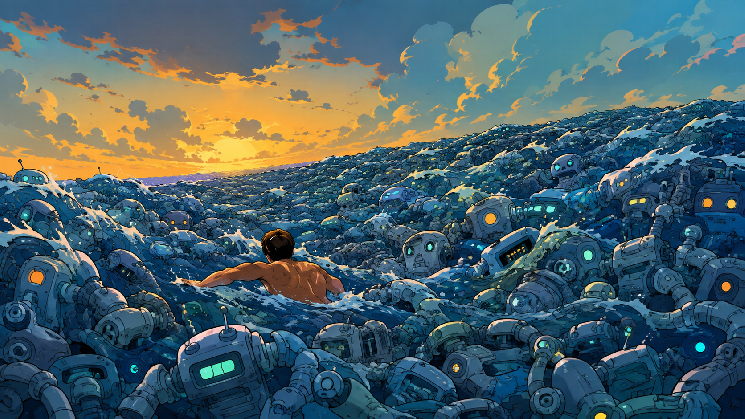
But a colder point must be added: AI may not replace Nolan at the finish line, but it will block Nolan's apprentices at the starting line. When producers can use AI to generate "good enough" previews for medium-budget genre films, young directors who traditionally gained experience through $50-$100 million practical shooting projects will find it extremely difficult to secure budgets for green-screen shoots. AI isn't replacing masters at the endpoint; it's draining the soil for new masters to grow at the source. When the future holds only Nolan's "handcrafted luxury goods" and AI's "infinite fast-fashion products," the middle ground of cinema as a popular art will severely erode.

Interestingly, AI might reinforce the value of figures like Nolan in another dimension.

When AI-generated feature films become cheap and common, "live-action filming" itself may gain a premium label akin to "handmade." Just as after the Industrial Revolution, handmade goods didn't disappear but instead found a new market position as "artisan." Those elements irreplicable by algorithms—an actor's gaze, the light on a real set, the serendipity created by a group of people in the same physical space—might become even more precious as AI imagery proliferates.

Odysseus wandered the sea for ten years before returning home. Today's film and television industry is also adrift.

One path leads toward the infinite convenience of algorithm generation, the other toward the finite scarcity of film and giant screens. Nolan chose the latter, and the market affirmed it with $1 billion. But this is not the final verdict. AI video models are iterating monthly—perhaps in three years, an AI-generated Odysseus will have consistent facial features, realistic physics, and single-shot narratives lasting two hours. When that happens, will Nolan-style film epics become even more expensive due to increased scarcity, or will they become expensive nostalgia?

If we are honest enough, we must admit the essence of this confrontation is the incommensurability between the "logic of efficiency" and the "logic of experience." Algorithms pursue the "optimal solution"—producing the visual stimuli most aligned with audience expectations within the shortest computational power. Nolan pursues the "unique solution"—that soul-stirring moment possible only on that screen, at that instant, with that specific film grain.

While industrial capital frantically chases the certainty of algorithms, they overlook a brutal truth: humans are willing to pay a premium for "unexpected surprises" but will only pay cheap subscription fees for "precise conformity to expectations." Odysseus rejected the immortality and ease offered by Calypso, choosing instead the thorns and risks of the journey home. This is perhaps the oldest metaphor for the current predicament of film and television: what we ultimately choose are always the difficult voyages that make us truly feel "alive," not the smooth algorithmic path to nothingness.


Tiền kỹ thuật số thịnh hành

Câu hỏi Liên quan

QWhat are the key differences in cost, production methods, and market performance between Christopher Nolan's 'Odyssey' and the AI-generated 'Odysseus: The Fall'?

AChristopher Nolan's 'Odyssey' had a budget of $250 million, involved a 91-day live-action shoot across six countries, used 640 km of IMAX film, and utilized elaborate practical effects like a 60-foot animatronic cyclops. As of August 9th, 2026, its global box office exceeded $1.008 billion. In contrast, 'Odysseus: The Fall' by Fountain0 cost only $50,000, was produced in three months by a 12-person team using AI models for the script and visuals with zero live-action filming. It earned an estimated less than $1 million in its first week through streaming rentals.

QAccording to the article, what are the main technological and artistic limitations of current AI-generated feature-length films?

ACurrent AI films face several key limitations: 1) No single shot can last longer than three seconds due to model instability; 2) Inconsistent character appearance across different scenes; 3) Stiff and illogical physical movements and animations; 4) An inability to capture nuanced, low-probability emotional expressions (like great acting moments), as diffusion models inherently average towards probabilistic stability, leading to visual mediocrity. These are considered structural issues that may take 3-5 years to potentially resolve.

QHow does the article contrast the 'efficiency logic' of AI with the 'experience logic' of traditional filmmaking like Nolan's?

AThe article contrasts 'efficiency logic'—where AI aims to produce the most expected visual stimuli with minimal computational power—with 'experience logic'—exemplified by Nolan's pursuit of a 'unique solution' that creates soul-stirring moments achievable only through specific mediums (like IMAX film), locations, and moments. It argues that while capital chases algorithmic certainty, humans are willing to pay a premium for the 'unexpected surprise' and embodied experience (scarce, ritualistic, physically demanding) that traditional filmmaking can offer, as opposed to the cheap subscription fee for algorithmically precise, infinitely reproducible content.

QWhat is the article's argument about how AI might impact the future ecosystem for filmmakers, particularly newcomers?

AThe article argues that AI may not replace master filmmakers like Nolan at the peak of their careers, but it risks 'draining the soil' for the growth of new masters. If studios can use AI to generate 'good enough' previews for mid-budget genre films, it will become extremely difficult for young directors to secure the $50-100 million budgets needed for live-action projects to gain crucial experience. This could lead to a polarized ecosystem with only Nolan-like 'handcrafted luxury' at one end and AI's 'infinite fast-fashion' at the other, causing the middle ground of film as a popular art form to severely erode.

QIn what ways does the article suggest AI could paradoxically strengthen the value of traditional, live-action filmmaking?

AThe article suggests that as AI-generated content becomes cheap and ubiquitous, 'live-action filmmaking' itself could gain a premium label, similar to 'artisan' or 'handcrafted' goods after the Industrial Revolution. Elements that algorithms cannot replicate—such as an actor's gaze, natural lighting on location, and the spontaneous creativity of a group of people sharing a physical space—may become more珍贵 and valued precisely because of the flood of AI imagery, creating a new market distinction based on authenticity and human craft.

Nội dung Liên quan

720 Lần Tấn Công, 0 Thành Công, Claude Code Mặc Định Ủy Quyền, AI Nhấn 'Đồng Ý' Thay Bạn

Bắt đầu từ ngày 14 tháng 8, Claude Code trên các gói Pro, Max và Team sẽ không còn hiển thị từng cửa sổ xác nhận hành động một cách mặc định. Thay vào đó, AI sẽ tự động nhấp "Đồng ý" thay cho người dùng. Động thái này dựa trên kết quả kiểm tra bảo mật: 720 cuộc tấn công mô phỏng (72 kịch bản, mỗi kịch bản 10 lần) vào các mô hình Claude Fable 5, Opus 5 và Sonnet 5 đều thất bại, với tỷ lệ thành công 0%. Anthropic tuyên bố họ đã tạo ra ba lớp phòng thủ chồng chéo: mô hình căn chỉnh (alignment), đầu dò phát hiện tiêm prompt ở đầu vào và bộ phân loại kiểm tra hành động ở đầu ra. Một thử nghiệm với 1053 người dùng thử nghiệm cho thấy con người chỉ chặn được 13,6% lệnh nguy hiểm, trong khi chế độ Tự động (Auto Mode) chặn được 89%. Tuy nhiên, các chuyên gia như Simon Willison vẫn bày tỏ lo ngại. Họ chỉ ra rằng các bài kiểm tra do chính Anthropic ủy quyền có thể chưa đủ toàn diện và các cuộc tấn công trong thế giới thực có thể khai thác các lối đi vòng như chỉ thị độc hại trong gói phần mềm bên thứ ba. Tóm lại, việc chuyển từ "con người trong vòng lặp" sang "bộ phân loại trong vòng lặp" giúp tăng hiệu quả và an toàn trong nhiều trường hợp, nhưng cũng chuyển giao quyền quyết định từ người dùng sang AI. Người dùng cần nhận thức rằng họ vẫn chịu trách nhiệm cuối cùng.

marsbit5 phút trước

720 Lần Tấn Công, 0 Thành Công, Claude Code Mặc Định Ủy Quyền, AI Nhấn 'Đồng Ý' Thay Bạn

marsbit5 phút trước

Người sáng lập BitMEX, Arthur Hayes chia sẻ về những sự kiện gần đây tại Nhật Bản có thể kích thích Bitcoin tăng trưởng! Đây là chi tiết

Người sáng lập BitMEX, Arthur Hayes, nhận định rằng các biện pháp tiềm năng từ Mỹ và Nhật Bản nhằm hỗ trợ đồng Yên có thể làm tăng thanh khoản toàn cầu bằng USD. Điều này có khả năng thúc đẩy mạnh mẽ sự tăng trưởng của Bitcoin và thị trường tiền điện tử nói chung. Hayes đã nêu ra ba kịch bản có thể xảy ra để hỗ trợ Yên: 1) Ngân hàng Nhật Bản (BOJ) tăng lãi suất mạnh, nhưng điều này có thể bị hạn chế do tác động đến nền kinh tế; 2) Các tổ chức như Quỹ Đầu tư Hưu trí Nhật Bản (GPIF) bán tài sản nước ngoài và tái đầu tư trong nước để giảm áp lực lên Yên; 3) Bộ Tài chính Nhật Bản tiếp cận thanh khoản USD từ Cục Dự trữ Liên bang Mỹ thông qua cơ chế FIMA Repo, sử dụng trái phiếu kho bạc Mỹ làm tài sản thế chấp, sau đó bán USD để mua Yên. Hayes cho rằng phương án thứ ba được các quan chức Mỹ và Nhật ủng hộ hơn. Nếu giới hạn của cơ chế FIMA Repo được mở rộng, Nhật Bản có thể chống lại sự mất giá của Yên hiệu quả hơn. Quá trình này sẽ bơm thêm thanh khoản USD ra thị trường toàn cầu, và theo Hayes, lượng thanh khoản tăng thêm này có thể trở thành chất xúc tác quan trọng cho đà tăng của Bitcoin và các tài sản tiền điện tử khác. Bài viết lưu ý rằng thị trường tiền điện tử rất nhạy cảm với chính sách tiền tệ và điều kiện thanh khoản toàn cầu, đồng thời nhấn mạnh rằng các kịch bản trên chưa chắc đã xảy ra và tác động cuối cùng đến Bitcoin sẽ phụ thuộc vào cách thức quản lý dòng thanh khoản.

cryptonews.ru21 phút trước

Người sáng lập BitMEX, Arthur Hayes chia sẻ về những sự kiện gần đây tại Nhật Bản có thể kích thích Bitcoin tăng trưởng! Đây là chi tiết

cryptonews.ru21 phút trước

Phỏng vấn Người sáng lập Kalshi: Giao dịch thể thao chiếm 95%; Không đồng quan điểm với Polymarket

Phóng viên đã phỏng vấn Tarek Mansour, đồng sáng lập kiêm CEO của nền tảng thị trường dự đoán Kalshi. Mansour cho biết giao dịch thể thao từng chiếm tới 95% khối lượng trên Kalshi, hiện đã giảm xuống khoảng 2/3, nhường chỗ cho sự tăng trưởng mạnh mẽ của các mảng chính trị và kinh tế vĩ mô. Anh nhấn mạnh giá trị của thị trường dự đoán trong việc "hiệu chỉnh" một thế giới quá tải thông tin bằng cách biến các tranh luận chủ quan thành một hệ thống khách quan với động cơ tài chính rõ ràng. Về môi trường pháp lý, Mansour khẳng định Kalshi luôn tuân thủ con đường hợp pháp, trái ngược với quan điểm của đối thủ Polymarket mà anh cho là "tăng trưởng bất chấp quy định". Anh cũng thảo luận về các biện pháp chống giao dịch nội gián của Kalshi, bao gồm xác minh danh tính, hệ thống giám sát và cơ chế minh bạch giao dịch. Mansour tiết lộ phần lớn khối lượng giao dịch đến từ một nhóm nhỏ "siêu dự đoán", và chia sẻ triết lý quản lý công ty theo mô hình cấu trúc phẳng, linh hoạt, phản ánh kinh nghiệm lớn lên ở Lebanon - một môi trường đầy biến động. Trong phần hỏi đáp nhanh, anh đưa ra lời khuyên cho các nhà khởi nghiệp trẻ: đừng nghe theo quá nhiều lời khuyên mà hãy mạnh dạn thử nghiệm và chấp nhận rủi ro trong khả năng kiểm soát.

marsbit24 phút trước

Phỏng vấn Người sáng lập Kalshi: Giao dịch thể thao chiếm 95%; Không đồng quan điểm với Polymarket

marsbit24 phút trước

Vitalik cập nhật lộ trình Ethereum: Từ Merge đến 'Lean Ethereum', STARK, AI và quyền riêng tư định hình lại nền tảng công nghệ

Bài viết của Vitalik Buterin cập nhật lộ trình tương lai của Ethereum, vượt ra ngoài khuôn khổ "Strawmap" cổ điển (Merge → Surge → Scourge → Verge → Purge → Splurge). Trọng tâm mới bao gồm: nâng cao độ an toàn lượng tử lên mức ưu tiên cao do mối đe dọa thực tế gia tăng; đưa quyền riêng tư thành khả năng nguyên thủy của giao thức; và theo đuổi khả năng mở rộng mạnh mẽ ngay cả sau khi chuyển đổi sang mật mã kháng lượng tử thông qua chữ ký leanSPHINCS và zkzk frames. Các điều chỉnh kỹ thuật quan trọng bao gồm việc thay thế Verkle Tree bằng cấu trúc PBT tối ưu hơn, chuyển từ State Expiry sang New State Types để quản lý trạng thái tốt hơn, và tích hợp sâu khả năng Native Rollups vào chính giao thức. Ngoài ra, lộ trình nhấn mạnh việc đơn giản hóa (Lean hóa) các đặc tả giao thức để hỗ trợ xác minh hình thức hoàn chỉnh, một nhiệm vụ nay đã khả thi nhờ các công cụ AI hiện đại. Tầm nhìn tổng thể là chuyển đổi Ethereum sang "Lean Ethereum" - một đợt tái cấu trúc hệ thống toàn diện. Mục tiêu cuối cùng là tạo ra một nền tảng an toàn lượng tử, ưu tiên quyền riêng tư, phi tập trung, an toàn, có thể mở rộng cao trong khi vẫn giữ được sự tinh gọn, thông qua việc áp dụng rộng rãi STARK đệ quy và các cơ chế chuyên biệt.

marsbit51 phút trước

Vitalik cập nhật lộ trình Ethereum: Từ Merge đến 'Lean Ethereum', STARK, AI và quyền riêng tư định hình lại nền tảng công nghệ

marsbit51 phút trước

Giao dịch

Giao ngay

Bài viết Nổi bật

AGENT S là gì

Agent S: Tương Lai của Tương Tác Tự Động trong Web3 Giới thiệu Trong bối cảnh không ngừng phát triển của Web3 và tiền điện tử, các đổi mới đang liên tục định nghĩa lại cách mà cá nhân tương tác với các nền tảng kỹ thuật số. Một dự án tiên phong như vậy, Agent S, hứa hẹn sẽ cách mạng hóa tương tác giữa con người và máy tính thông qua khung tác nhân mở của nó. Bằng cách mở đường cho các tương tác tự động, Agent S nhằm đơn giản hóa các nhiệm vụ phức tạp, cung cấp các ứng dụng chuyển đổi trong trí tuệ nhân tạo (AI). Cuộc khám phá chi tiết này sẽ đi sâu vào những phức tạp của dự án, các tính năng độc đáo của nó và những tác động đối với lĩnh vực tiền điện tử. Agent S là gì? Agent S đứng vững như một khung tác nhân mở đột phá, được thiết kế đặc biệt để giải quyết ba thách thức cơ bản trong việc tự động hóa các nhiệm vụ máy tính: Thu thập Kiến thức Cụ thể theo Miền: Khung này học một cách thông minh từ nhiều nguồn kiến thức bên ngoài và kinh nghiệm nội bộ. Cách tiếp cận kép này giúp nó xây dựng một kho lưu trữ phong phú về kiến thức cụ thể theo miền, nâng cao hiệu suất của nó trong việc thực hiện nhiệm vụ. Lập Kế Hoạch Qua Các Tầm Nhìn Nhiệm Vụ Dài Hạn: Agent S sử dụng lập kế hoạch phân cấp tăng cường kinh nghiệm, một cách tiếp cận chiến lược giúp phân chia và thực hiện các nhiệm vụ phức tạp một cách hiệu quả. Tính năng này nâng cao đáng kể khả năng quản lý nhiều nhiệm vụ con một cách hiệu quả và hiệu suất. Xử Lý Các Giao Diện Động, Không Đều: Dự án giới thiệu Giao Diện Tác Nhân-Máy Tính (ACI), một giải pháp đổi mới giúp nâng cao tương tác giữa các tác nhân và người dùng. Sử dụng các Mô Hình Ngôn Ngữ Lớn Đa Phương Thức (MLLMs), Agent S có thể điều hướng và thao tác các giao diện người dùng đồ họa đa dạng một cách liền mạch. Thông qua những tính năng tiên phong này, Agent S cung cấp một khung vững chắc giải quyết các phức tạp liên quan đến việc tự động hóa tương tác giữa con người với máy móc, mở ra nhiều ứng dụng trong AI và hơn thế nữa. Ai là Người Tạo ra Agent S? Mặc dù khái niệm về Agent S là hoàn toàn đổi mới, thông tin cụ thể về người sáng lập vẫn còn mơ hồ. Người sáng lập hiện vẫn chưa được biết đến, điều này làm nổi bật giai đoạn sơ khai của dự án hoặc sự lựa chọn chiến lược để giữ kín các thành viên sáng lập. Bất chấp sự ẩn danh, sự chú ý vẫn tập trung vào khả năng và tiềm năng của khung này. Ai là Các Nhà Đầu Tư của Agent S? Vì Agent S còn tương đối mới trong hệ sinh thái mã hóa, thông tin chi tiết về các nhà đầu tư và những người tài trợ tài chính của nó không được ghi chép rõ ràng. Sự thiếu vắng thông tin công khai về các nền tảng đầu tư hoặc tổ chức hỗ trợ dự án dấy lên câu hỏi về cấu trúc tài trợ và lộ trình phát triển của nó. Hiểu biết về sự hỗ trợ là rất quan trọng để đánh giá tính bền vững và tác động tiềm năng của dự án. Agent S Hoạt Động Như Thế Nào? Tại cốt lõi của Agent S là công nghệ tiên tiến cho phép nó hoạt động hiệu quả trong nhiều bối cảnh khác nhau. Mô hình hoạt động của nó được xây dựng xung quanh một số tính năng chính: Tương Tác Giống Như Con Người: Khung này cung cấp lập kế hoạch AI tiên tiến, cố gắng làm cho các tương tác với máy tính trở nên trực quan hơn. Bằng cách bắt chước hành vi của con người trong việc thực hiện nhiệm vụ, nó hứa hẹn nâng cao trải nghiệm người dùng. Ký Ức Tường Thuật: Được sử dụng để tận dụng các trải nghiệm cấp cao, Agent S sử dụng ký ức tường thuật để theo dõi lịch sử nhiệm vụ, từ đó nâng cao quy trình ra quyết định của nó. Ký Ức Tình Huống: Tính năng này cung cấp cho người dùng hướng dẫn từng bước, cho phép khung này cung cấp hỗ trợ theo ngữ cảnh khi các nhiệm vụ diễn ra. Hỗ Trợ OpenACI: Với khả năng chạy cục bộ, Agent S cho phép người dùng duy trì quyền kiểm soát đối với các tương tác và quy trình làm việc của họ, phù hợp với tinh thần phi tập trung của Web3. Tích Hợp Dễ Dàng với Các API Bên Ngoài: Tính linh hoạt và khả năng tương thích với nhiều nền tảng AI khác nhau đảm bảo rằng Agent S có thể hòa nhập liền mạch vào các hệ sinh thái công nghệ hiện có, làm cho nó trở thành lựa chọn hấp dẫn cho các nhà phát triển và tổ chức. Những chức năng này cùng nhau góp phần vào vị trí độc đáo của Agent S trong không gian tiền điện tử, khi nó tự động hóa các nhiệm vụ phức tạp, nhiều bước với sự can thiệp tối thiểu của con người. Khi dự án phát triển, các ứng dụng tiềm năng của nó trong Web3 có thể định nghĩa lại cách mà các tương tác kỹ thuật số diễn ra. Thời Gian Phát Triển của Agent S Sự phát triển và các cột mốc của Agent S có thể được tóm tắt trong một dòng thời gian nêu bật các sự kiện quan trọng của nó: 27 tháng 9, 2024: Khái niệm về Agent S được ra mắt trong một bài nghiên cứu toàn diện mang tên “Một Khung Tác Nhân Mở Sử Dụng Máy Tính Như Một Con Người,” trình bày nền tảng cho dự án. 10 tháng 10, 2024: Bài nghiên cứu được công bố công khai trên arXiv, cung cấp một cái nhìn sâu sắc về khung và đánh giá hiệu suất của nó dựa trên tiêu chuẩn OSWorld. 12 tháng 10, 2024: Một video trình bày được phát hành, cung cấp cái nhìn trực quan về khả năng và tính năng của Agent S, thu hút thêm sự quan tâm từ người dùng và nhà đầu tư tiềm năng. Những dấu mốc trong dòng thời gian không chỉ minh họa sự tiến bộ của Agent S mà còn chỉ ra cam kết của nó đối với sự minh bạch và sự tham gia của cộng đồng. Những Điểm Chính Về Agent S Khi khung Agent S tiếp tục phát triển, một số thuộc tính chính nổi bật, nhấn mạnh tính đổi mới và tiềm năng của nó: Khung Đổi Mới: Được thiết kế để cung cấp cách sử dụng máy tính trực quan giống như tương tác của con người, Agent S mang đến một cách tiếp cận mới cho việc tự động hóa nhiệm vụ. Tương Tác Tự Động: Khả năng tương tác tự động với máy tính thông qua GUI đánh dấu một bước tiến tới các giải pháp tính toán thông minh và hiệu quả hơn. Tự Động Hóa Nhiệm Vụ Phức Tạp: Với phương pháp mạnh mẽ của nó, nó có thể tự động hóa các nhiệm vụ phức tạp, nhiều bước, làm cho các quy trình nhanh hơn và ít sai sót hơn. Cải Tiến Liên Tục: Các cơ chế học tập cho phép Agent S cải thiện từ các trải nghiệm trước đó, liên tục nâng cao hiệu suất và hiệu quả của nó. Tính Linh Hoạt: Khả năng thích ứng của nó trên các môi trường hoạt động khác nhau như OSWorld và WindowsAgentArena đảm bảo rằng nó có thể phục vụ một loạt các ứng dụng rộng rãi. Khi Agent S định vị mình trong bối cảnh Web3 và tiền điện tử, tiềm năng của nó để nâng cao khả năng tương tác và tự động hóa quy trình đánh dấu một bước tiến quan trọng trong công nghệ AI. Thông qua khung đổi mới của mình, Agent S minh họa cho tương lai của các tương tác kỹ thuật số, hứa hẹn một trải nghiệm liền mạch và hiệu quả hơn cho người dùng trên nhiều ngành công nghiệp khác nhau. Kết luận Agent S đại diện cho một bước nhảy vọt táo bạo trong sự kết hợp giữa AI và Web3, với khả năng định nghĩa lại cách chúng ta tương tác với công nghệ. Mặc dù vẫn còn ở giai đoạn đầu, những khả năng cho ứng dụng của nó là rộng lớn và hấp dẫn. Thông qua khung toàn diện của mình giải quyết các thách thức quan trọng, Agent S nhằm đưa các tương tác tự động lên hàng đầu trong trải nghiệm kỹ thuật số. Khi chúng ta tiến sâu hơn vào các lĩnh vực tiền điện tử và phi tập trung, các dự án như Agent S chắc chắn sẽ đóng một vai trò quan trọng trong việc định hình tương lai của công nghệ và sự hợp tác giữa con người với máy tính.

Tổng lượt xem 1.2kXuất bản vào 2025.01.14Cập nhật vào 2025.01.14

AGENT S là gì

Làm thế nào để Mua S

Chào mừng bạn đến với HTX.com! Chúng tôi đã làm cho mua Sonic (S) trở nên đơn giản và thuận tiện. Làm theo hướng dẫn từng bước của chúng tôi để bắt đầu hành trình tiền kỹ thuật số của bạn.Bước 1: Tạo Tài khoản HTX của BạnSử dụng email hoặc số điện thoại của bạn để đăng ký tài khoản miễn phí trên HTX. Trải nghiệm hành trình đăng ký không rắc rối và mở khóa tất cả tính năng. Nhận Tài khoản của tôiBước 2: Truy cập Mua Crypto và Chọn Phương thức Thanh toán của BạnThẻ Tín dụng/Ghi nợ: Sử dụng Visa hoặc Mastercard của bạn để mua Sonic (S) ngay lập tức.Số dư: Sử dụng tiền từ số dư tài khoản HTX của bạn để giao dịch liền mạch.Bên thứ ba: Chúng tôi đã thêm những phương thức thanh toán phổ biến như Google Pay và Apple Pay để nâng cao sự tiện lợi.P2P: Giao dịch trực tiếp với người dùng khác trên HTX.Thị trường mua bán phi tập trung (OTC): Chúng tôi cung cấp những dịch vụ được thiết kế riêng và tỷ giá hối đoái cạnh tranh cho nhà giao dịch.Bước 3: Lưu trữ Sonic (S) của BạnSau khi mua Sonic (S), lưu trữ trong tài khoản HTX của bạn. Ngoài ra, bạn có thể gửi đi nơi khác qua chuyển khoản blockchain hoặc sử dụng để giao dịch những tiền kỹ thuật số khác.Bước 4: Giao dịch Sonic (S)Giao dịch Sonic (S) dễ dàng trên thị trường giao ngay của HTX. Chỉ cần truy cập vào tài khoản của bạn, chọn cặp giao dịch, thực hiện giao dịch và theo dõi trong thời gian thực. Chúng tôi cung cấp trải nghiệm thân thiện với người dùng cho cả người mới bắt đầu và người giao dịch dày dạn kinh nghiệm.

Tổng lượt xem 2.4kXuất bản vào 2025.01.15Cập nhật vào 2026.06.02

Làm thế nào để Mua S

Thảo luận

Chào mừng đến với Cộng đồng HTX. Tại đây, bạn có thể được thông báo về những phát triển nền tảng mới nhất và có quyền truy cập vào thông tin chuyên sâu về thị trường. Ý kiến ​​của người dùng về giá của S (S) được trình bày dưới đây.

活动图片