USDT Market Cap Approaches Ethereum's: What Signal Does This Convey?

Foresight NewsXuất bản vào 2026-07-10Cập nhật gần nhất vào 2026-07-10

Tóm tắt

The market capitalization of USDT has nearly reached that of Ethereum, making it the second-largest cryptocurrency after Bitcoin. This prompts an examination of what this signifies and what it does not. Firstly, this does not relate to economic security. Unlike some Web3 systems where a governance token's value must underpin the security of its applications (e.g., oracles), USDT's stability is not backed by the value of the underlying blockchains it operates on. Tether, the issuer, controls the assets, and can freeze, reissue, or abandon tokens on a compromised chain. While stablecoins require functional blockchains, a chain's native token market cap does not provide direct security for the stablecoin. Secondly, USDT's growth does not inherently reflect poorly on Ethereum. USDT is a dollar-pegged store of value, while ETH represents a claim on future Ethereum network revenue. Their valuations are driven by different factors. USDT's rising market cap simply indicates strong demand for stablecoin utility, independent of Ethereum's technological merits or competitive position. The core insight is the overwhelming market demand for permissionless dollar transfers. This is the most established and essential use case in crypto. It requires minimal technological sophistication—essentially just a trusted issuer's promise of redemption on a functional chain. This explains why stablecoin supply has grown exponentially while the combined market cap of major non-stablecoin cryptocurre...


Author: Jon Reiter

Translation: Luffy, Foresight News


USDT's market cap once surpassed that of Ethereum. At the time of writing, USDT's market cap is slightly below Ethereum's, with only a few percentage points separating the two. USDT has become the second-largest cryptocurrency after Bitcoin. What does this signify?


Simultaneously, a noteworthy phenomenon is that over the past decade, the stablecoin market has continued to expand, while the market caps of major non-stablecoin cryptocurrencies like Bitcoin, Ethereum, Solana, BNB, XRP, and Tron have remained stagnant for years.


This Is Not About Security


First, let's clarify what this event does not represent. Many Web3 solutions rely on one asset to provide an 'economic security blanket' for another type of business. A typical example: the general design logic of oracles, where data accuracy is ensured through votes by a Decentralized Autonomous Organization (DAO), and the price output by the oracle is used to settle various contract transactions. Projects like Chainlink are variations of this logic.


The premise for such mechanisms to work is that the total market cap of the DAO's governance token must be far greater than the transaction volume settled through that oracle. The reasoning is simple: if it only takes $1 million to control the DAO but allows manipulation of $10 million worth of contract settlements, the entire system is economically insecure. This is not about technical code vulnerabilities but flaws in economic incentive design, enabling malicious actors to manipulate the system at low cost for self-serving, non-objective outcomes.


However, Ethereum does not provide any economic security backing for USDT. USDT is issued and circulates on dozens of public blockchains like Tron, none of which can underwrite USDT either. In theory, even if someone compromises a blockchain where USDT is issued, achieving a double-spend or seizing others' tokens, Tether, the operating company behind USDT, could directly freeze and recover the on-chain tokens, reissuing them on other chains.


Whether the total market cap of that chain is $1 or $1 trillion, Tether could perform this operation: it only needs to pay the on-chain transfer fee to fully control token disposal. Even if attackers completely take over the entire blockchain and block interactions with Tether's official contracts, the project could simply abandon that chain and refuse to redeem all USDT on it. The team could then use solutions like hard forks or off-chain proof of ownership to ensure innocent users redeem assets on other chains, with the entire process arranged autonomously by Tether. Controlling the public chain does not grant access to the dollar reserves held by Tether.


Undeniably, USDT relies on public blockchains for circulation, so the market needs a batch of stable, usable underlying networks with adequate security. But that's it; the core entity for asset security remains Tether the company. As long as reliable public chains exist in the market, USDT can circulate normally. The standard for a chain being reliable is generally that its native token has a significant market cap. However, the market cap of the native token does not provide substantial security for the stablecoin. Therefore, it's entirely possible for a public chain with a native token market cap of only a few billion, or even a few hundred million dollars, to carry trillions in stablecoin circulation. If a public chain's native token total market cap is only $1 million, it's difficult to support a mature DeFi ecosystem, and users wouldn't be willing to store tens of billions of USDT on it; but if users are willing, there is no hard barrier from a security logic perspective.


This Does Not Indicate a Flaw in Ethereum Itself


The continued rise of USDT's market cap relative to Ethereum's does not indicate that Ethereum's own value is impaired. Admittedly, an increase in USDT's market cap represents a greater demand for stablecoin usage from more users with larger capital, but this does not equate to USDT's usage demand exceeding that of the Ethereum ecosystem.


USDT is a store of value tool backed by the issuer's reserves; the ETH token, in essence, is a claim on the future revenue of Ethereum's entire network block space. Even if the market is extremely bullish on Ethereum, network scaling leading to a surge in block space supply and lower transaction fees would suppress ETH's price; conversely, heavy user adoption of USDT would only increase USDT's total supply, not change its $1 per token price.


Users choosing to hold funds in USDT is completely unrelated to Ethereum's competitiveness or development prospects as a foundational Web3 platform. We can understand this intuitively through two extreme hypothetical scenarios: in both, USDT's market cap could far exceed Ethereum's, but Ethereum's situation would be vastly different.


Scenario One: The market largely abandons Ethereum, a superior underlying public chain emerges, ETH's price plummets, but users still frequently use USDT for transfers.


Scenario Two: Ethereum achieves major technological breakthroughs (Layer-2 architecture innovation, maturation of zero-knowledge proof technology), leading to explosive growth in the network's scaling capacity, ample block space supply, and significantly lower transaction fees.


Both situations would cause Ethereum's market cap to shrink. At that point, USDT's market cap might soar in tandem or decline simultaneously, entirely depending on user demand for stablecoins. Changes in USDT's scale are not tied to Ethereum's own quality.


The Key Lies in Real Application Demand


The most essential use case for Web3 is permissionless US dollar transfers. We analyzed the unique value of this use case four years ago in an article, and to this day, it remains the most core, realized application in the crypto industry.


There's an often-repeated saying in the industry: many people claim to believe in blockchain technology, but in reality, they only care about capital flow. The permissionless dollar transfer sector holds vast amounts of capital, but this scenario has extremely low technical barriers, requiring no complex protocols or advanced cryptography. USDT was initially issued on the Bitcoin sidechain Omni, which can be simply understood as the issuer selling Bitcoin token vouchers in exchange for dollars, and users redeeming dollars with those vouchers—the logic isn't entirely equivalent, but the core is similar. Relying solely on the Bitcoin base layer, very little code is needed to build a usable stablecoin: define a batch of satoshis corresponding to a dollar redemption value, custody sufficient reserve funds, and you can achieve basic stablecoin functionality.


The core to realizing this use case is having a trusted issuer; trustless, decentralized stablecoins generally have various flaws. But overlaying issuer credit on top of Bitcoin's simple base layer can meet transfer needs; high-end technology is not a hard requirement. USDT is just a logically simple smart contract; the technology itself presents no barrier.


This also helps explain the value differentiation among major public chains. Ethereum is currently the most mainstream smart contract platform, but any functional public chain is sufficient to host stablecoin issuance. Which chain stablecoin capital flows to is unrelated to the overall ceiling for USDT's scale. Stablecoins have extremely low performance requirements for public chains, and the underlying architecture of reserve-backed stablecoins has seen no substantial iteration for years.


If we were discussing the market cap of Tether specifically on Ethereum, Tron, Arbitrum, or other blockchains, that might reflect the relative value of these blockchains. If permissionless dollar transfers are the industry's core demand, public chains adept at hosting this scenario are more likely to attract capital and accumulate large amounts of USDT. Public chains can compete with each other, but as long as the stablecoin itself has utility, USDT's overall total market cap can continue to expand.


Ethereum is currently the highest-valued smart contract platform. Using it as a baseline allows us to roughly gauge the size of the entire smart contract platform sector. Currently, Bitcoin accounts for about 60% of the total crypto market cap. Excluding stablecoins, Ethereum occupies half of the remaining market, with all other public chains splitting the other 50%. Roughly estimated, the total value of all smart contract platforms is about twice Ethereum's market cap. For years, the overall market cap of this sector has stagnated; meanwhile, the stablecoin sector led by USDT has seen its scale skyrocket.


Looking at individual blockchains, stablecoin market cap may grow or not. But from a macro, aggregate perspective, years of data have proven that the market cap of a public chain's native token and the overall scale of stablecoins do not have a positive correlation.


More data and products support this. BlackRock's BUIDL tokenized money fund, Circle's USDC, are competitors in the same category as USDT, but such products almost never add value to the public chain they are issued on. The most direct fact is that the scale of stablecoin-related products expands year after year, while the market caps of the underlying public chain native tokens remain flat long-term.


Summary


There is a consistent narrative here. Users' core demand is for permissionless US dollar assets, and they are willing to trust stablecoin issuers, even being largely indifferent to the background details of the issuing entity. Objectively, USDT's offshore entity background and reserve transparency controversies are significant, and its credit backing is far inferior to that of BlackRock or PayPal, yet USDT's volume leads by a wide margin.


Traditional financial giants have entered the stablecoin arena one after another, touting their strong brand advantages, yet they have consistently failed to capture mainstream market share from USDT. Only USDC has a certain scale, but its long-term volume significantly trails USDT, and it has experienced multiple crises related to redemption issues, struggling to join the top tier long-term.


For ordinary users, as long as the token is widely circulated and transfers are convenient, who the issuer is doesn't matter; the governance model of the underlying public chain also doesn't influence user choice. Even if a public chain's token is highly concentrated and controlled by a single entity (Tron); managed for years via multi-signature wallets (Polygon); claims self-custody but has asset-freezing authority via a security council (Arbitrum); has a complex architecture, operated by a single company, and is not fully transparent to regulators (Base), users continue to use them normally.


The users' sole core demand is permissionless US dollar transfers. Currently, USDT is live on 14 public chains, USDC on over 30. Issuers proactively deploy on any public chain where users gather; issuers don't care about the underlying network, and neither do users.


The only assets with true brand recognition in the entire crypto industry are Bitcoin, USDT, with USDC being a distant third; users will use such stablecoins on any public chain. A stablecoin issued by an offshore entity with questionable credit has grown to become the second-largest digital asset by market cap; and it primarily circulates on Tron, a chain largely controlled by a single individual. All of this indicates that users care more about the use case of permissionless dollars than the mechanics behind them.


If regulatory agencies in various countries grant compliant licenses for permissionless dollar stablecoins, it would mean official recognition of the permissionless transfer model. As long as both compliant and offshore stablecoins receive regulatory approval, the entire sector's scale will continue to inflate, potentially far exceeding the market cap of the smart contract platforms that host them.

Tiền kỹ thuật số thịnh hành

Câu hỏi Liên quan

QWhat does the comparison between USDT's market cap and Ethereum's indicate, according to the article?

AIt indicates that user demand for permissionless dollar transactions (stablecoins) is strong and separate from the underlying blockchain technology. It doesn't imply Ethereum is failing or provide security for USDT; it highlights that stablecoin adoption can grow independently of the native token values of smart contract platforms.

QWhy does a blockchain's native token market cap not provide economic security for a stablecoin like USDT?

ABecause the security and redeemability of a reserve-backed stablecoin like USDT depend solely on the issuer's reserves and actions, not the blockchain it runs on. The issuer can freeze tokens, choose not to honor a compromised chain, and re-issue tokens elsewhere, making the underlying chain's token value irrelevant to the stablecoin's safety.

QAccording to the article, what is the core driving demand behind the growth of stablecoins like USDT?

AThe core driving demand is the need for permissionless dollar-denominated transactions and value storage. This is the most fundamental and widely used application in crypto, requiring trust in the issuer but minimal technical complexity from the underlying blockchain.

QWhat does the article suggest about the relationship between stablecoin growth and the value of smart contract platforms?

AThe article suggests there is no direct positive correlation. The total market cap of major stablecoins has grown consistently, while the combined market cap of native tokens for smart contract platforms (like Ethereum, Solana, BNB) has largely stagnated over years, showing that demand for stablecoins operates independently.

QWhat does the dominance of USDT, despite its issuer's controversial background, reveal about user priorities?

AIt reveals that users prioritize the functionality of permissionless dollar transfers above all else. They care more about widespread availability, ease of use, and liquidity than the issuer's transparency, regulatory status, or the governance model/decentralization of the underlying blockchain.

Nội dung Liên quan

Securitize Capital trở thành cố vấn đầu tư đã đăng ký với SEC

Công ty con của nền tảng tài sản được mã hóa Securitize, Securitize Capital, đã chính thức đăng ký trở thành công ty tư vấn đầu tư với Ủy ban Chứng khoán và Sàn giao dịch Mỹ (SEC). Việc này cho phép công ty mở rộng hoạt động tư vấn đầu tư có quy định cho khách hàng tổ chức. Đăng ký bổ sung khả năng tư vấn đầu tư vào danh mục các dịch vụ kinh doanh được quy định hiện có của Securitize, vốn bao gồm nhà môi giới - giao dịch, hệ thống giao dịch thay thế, đại lý chuyển nhượng và dịch vụ quản lý quỹ, tất cả đều đã đăng ký với SEC. Giám đốc điều hành Carlos Domingo cho biết điều này củng cố khả năng của Securitize trong việc hỗ trợ các tổ chức phát triển và quản lý chiến lược đầu tư cho thị trường vốn trên blockchain. Trước đây, Securitize Capital hoạt động như một công ty tư vấn được miễn trừ báo cáo và nay phải tuân thủ các yêu cầu bổ sung về công bố thông tin, tuân thủ, lưu trữ hồ sơ và kiểm tra theo Đạo luật Cố vấn Đầu tư. Securitize hiện là nền tảng mã hóa tài sản lớn nhất về giá trị tài sản trên chuỗi, với khoảng 4,8 tỷ USD tài sản được mã hóa từ các quỹ của BlackRock, Apollo, KKR và những nhà quản lý tài sản khác. Công ty đã bắt đầu giao dịch trên Sàn giao dịch Chứng khoán New York vào ngày 2/7 sau khi hoàn thành việc sáp nhập.

cointelegraph27 phút trước

Securitize Capital trở thành cố vấn đầu tư đã đăng ký với SEC

cointelegraph27 phút trước

Chú ý! Ngày mai: Đồng altcoin sẽ nhận được bản cập nhật lớn! Nó từng bị chỉ trích nghiêm trọng

Dự án tiền mã hóa tập trung vào quyền riêng tư Zcash đang chuẩn bị kích hoạt bản cập nhật mạng NU6.3 với tên mã Ironwood vào ngày 28 tháng 7 năm 2026. Bản cập nhật sẽ được triển khai trên mạng chính từ khối 3,428,143, dự kiến đạt được vào khoảng 16:00 giờ Thổ Nhĩ Kỳ. Ironwood sẽ bổ sung một nhóm giao dịch được bảo vệ riêng tư mới và định dạng giao dịch v6 vào mạng lưới Zcash. Nhóm mới này sẽ sử dụng cấu trúc Action từ hệ thống Orchard và hệ thống Proof-of-Work từ Halo2, đồng thời có cây cam kết ghi chú, bộ hệ số hủy, nhóm giá trị chuỗi và siêu dữ liệu lịch sử giao dịch riêng. Các tính năng đáng chú ý bao gồm các bản ghi bí mật được thiết kế để phục hồi trước các rủi ro trong tương lai liên quan đến máy tính lượng tử, và một cơ chế "cửa quay" nhằm tăng cường xác minh nguồn cung token ZEC. Cơ chế này giải quyết lo ngại về một lỗ hổng bảo mật tiềm tàng trong nhóm Orchard cũ, vốn có thể dẫn đến việc tạo ra ZEC giả mạo, một vấn đề trước đây đã nhận nhiều chỉ trích do không thể xác minh được tổng nguồn cung của Zcash. Mục tiêu của Ironwood là kiểm soát chặt chẽ hơn tính ổn định nguồn cung khi chuyển tiền vào nhóm mới. Mức độ kích hoạt cho Ironwood trên mạng thử nghiệm trước đó đã được đặt ở độ cao khối 4,134,000.

cryptonews.ru42 phút trước

Chú ý! Ngày mai: Đồng altcoin sẽ nhận được bản cập nhật lớn! Nó từng bị chỉ trích nghiêm trọng

cryptonews.ru42 phút trước

Các nhà giao dịch Phố Wall chuyển hoạt động sang thị trường tiền điện tử vào các ngày làm việc

Trong nhiều thập kỷ, nhịp sống trên Phố Wall tuân theo lịch trình chặt chẽ với thị trường đóng cửa vào cuối tuần. Tuy nhiên, bản chất hoạt động 24/7 của thị trường tiền mã hóa đang buộc các nhà đầu tư tổ chức phải thích nghi và dần thay đổi thói quen này. Nghiên cứu từ Kaiko cho thấy hoạt động giao dịch cuối tuần trong thị trường crypto đã giảm từ khoảng 25% xuống còn 16% tổng khối lượng. Hoạt động định giá giờ đây chủ yếu diễn ra trong giờ làm việc của thị trường Mỹ (9:30 - 16:00 giờ ET). Khi các bàn giao dịch ở New York đóng cửa, "tấm lưới an toàn" thể chế biến mất, khiến thị trường trở nên khó lường hơn. Việc các tổ chức lớn giảm hoạt động vào thứ Bảy và Chủ nhật làm tăng chi phí và rủi ro khi di chuyển vốn. Dữ liệu từ BridgePort chỉ ra rằng chi phí giao dịch cuối tuần tăng trung bình 11% do chênh lệch giá mua-bán mở rộng. Thanh khoản hiệu dụng cho các lệnh 100.000 USD giảm gần 9%, và tính thanh khoản tổng thể giảm hơn 5% so với ngày thường. Điều này có nghĩa chỉ cần khối lượng giao dịch nhỏ hơn cũng có thể kích hoạt biến động giá mạnh. Sự thành công lớn của các ETF Bitcoin dạng spot tại Mỹ là yếu tố then chốt làm thay đổi cấu trúc thị trường và làm trầm trọng thêm sự khác biệt giữa ngày thường và cuối tuần. Các ETF cung cấp nhu cầu ổn định trong tuần, nhưng việc chúng ngừng hoạt động vào cuối tuần tạo ra khoảng trống thanh khoản đáng kể. Dòng tiền rút ròng lớn từ các quỹ ETF này (hơn 5 tỷ USD kể từ tháng 10/2025) có thể dễ dàng được hấp thụ trong tuần nhưng lại có nguy cơ gây ra biến động mạnh vào cuối tuần. Do đó, giao dịch cuối tuần hiện nay đòi hỏi sự thận trọng cao hơn do thị trường "mỏng", thiếu vắng các nhà tạo lập thị trường lớn, làm gia tăng rủi ro biến động đột ngột và trượt giá. Hiểu rõ các cơ chế thanh khoản tiềm ẩn này là chìa khóa quan trọng để thành công trong thực tại tài chính mới.

cryptonews.ru1 giờ trước

Các nhà giao dịch Phố Wall chuyển hoạt động sang thị trường tiền điện tử vào các ngày làm việc

cryptonews.ru1 giờ trước

Mỗi phiếu bầu cho Đạo luật CLARITY sẽ được đánh giá: 3 triệu người ủng hộ tiền mã hóa muốn các thượng nghị sĩ bỏ phiếu "Thuận"

Tổ chức vận động Stand With Crypto, đại diện cho 3 triệu người ủng hộ tiền mã hóa tại Mỹ, đã thông báo sẽ ghi nhận và công khai đánh giá phiếu bầu của các thượng nghị sĩ đối với Dự luật CLARITY Act. Điểm số này sẽ được đưa vào bảng xếp hạng công khai, giúp các cử tri sở hữu tiền số so sánh lập trường của ứng viên trước thềm bầu cử giữa kỳ tháng 11. Một khảo sát của tổ chức cho thấy gần 70% cử tri sở hữu tiền mã hóa cho biết lập trường về tiền số sẽ ảnh hưởng đến lá phiếu của họ, và 59% tự nhận là cử tri độc lập. Điều này khiến phiếu bầu về Dự luật CLARITY có thể trở thành nhân tố quan trọng trong các cuộc đua tranh cử sít sao. Dự luật, đã được Ủy ban Ngân hàng Thượng viện thông qua hồi tháng 5, hiện đang chờ bỏ phiếu tại phiên họp toàn thể. Nó nhằm thiết lập khuôn khổ rõ ràng cho thị trường tài sản số. Tuy nhiên, khả năng thông qua đang gặp thách thức do các vấn đề về thời gian, thương lượng điều khoản đạo đức và yêu cầu phải có 60 phiếu ủng hộ. Galaxy Research đã hạ dự báo khả năng thông qua trong năm 2026 xuống còn 30%.

cryptonews.ru1 giờ trước

Mỗi phiếu bầu cho Đạo luật CLARITY sẽ được đánh giá: 3 triệu người ủng hộ tiền mã hóa muốn các thượng nghị sĩ bỏ phiếu "Thuận"

cryptonews.ru1 giờ trước

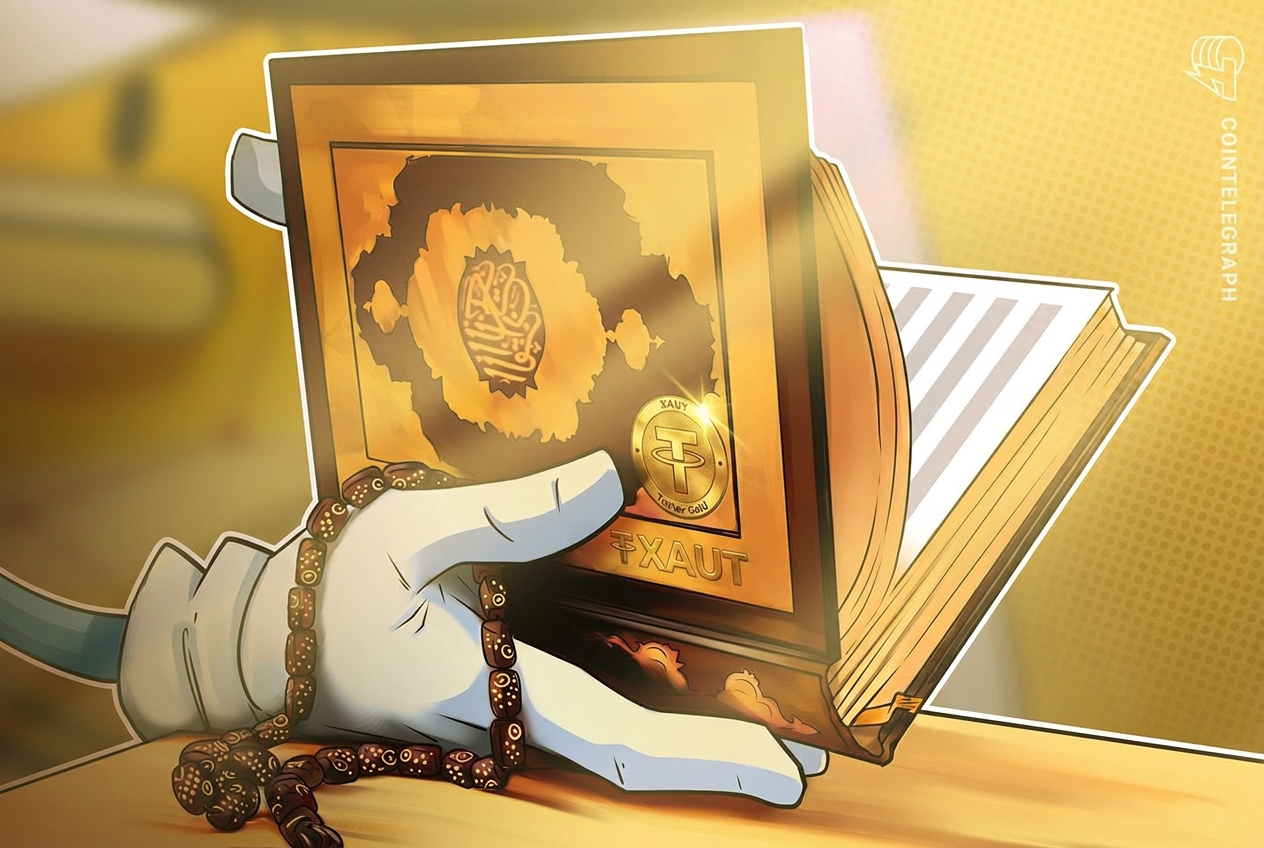
Token vàng XAUt của Tether nhận chứng nhận Shariah để mở rộng tiếp cận tài chính Hồi giáo

Tether, công ty phát hành stablecoin USDT, đã đạt được chứng nhận Shariah cho token vàng XAUt của mình từ Amanah Advisors. Chứng nhận này xác nhận cấu trúc của XAUt tuân thủ các nguyên tắc tài chính Hồi giáo chính, bao gồm việc được hỗ trợ 100% bằng vàng vật chất, không có lãi suất hay đòn bẩy, và có dự trữ minh bạch. Mỗi token XAUt đại diện cho một ounce troy vàng vật chất được lưu trữ trong kho ở Thụy Sĩ. Việc chứng nhận mở ra cơ hội để Tether tiếp thị XAUt tới các tổ chức và nhà đầu tư tài chính Hồi giáo, những người yêu cầu sản phẩm đầu tư tuân thủ Shariah. Công ty kỳ vọng điều này sẽ thúc đẩy việc áp dụng token tại các thị trường sử dụng rộng rãi tài chính Hồi giáo, như Hội đồng Hợp tác Vùng Vịnh (GCC), Nam Á và một số khu vực ở Châu Phi. XAUt là một trong những sản phẩm vàng được token hóa lớn nhất trên thị trường crypto. Báo cáo dự trữ mới nhất của Tether cho thấy token này được hỗ trợ bởi hơn 707.000 ounce troy vàng vật chất, trị giá hơn 3,3 tỷ USD tính đến ngày 31 tháng 3. Dữ liệu từ RWA.xyz cũng cho thấy giá trị tài sản trên chuỗi của token đã tăng từ khoảng 700 triệu USD vào tháng 7/2025 lên khoảng 2,5 tỷ USD. Động thái này diễn ra trong bối cảnh các sản phẩm crypto tuân thủ Shariah ngày càng được chú ý, nhằm giải quyết các mối quan ngại về tính phù hợp với luật Hồi giáo. Các ví dụ khác gần đây bao gồm stablecoin PUSD của Palm Azgar Finance và sự phát triển của Dubai như một trung tâm crypto hàng đầu ở Trung Đông với môi trường pháp lý ngày càng rõ ràng.

cointelegraph2 giờ trước

Token vàng XAUt của Tether nhận chứng nhận Shariah để mở rộng tiếp cận tài chính Hồi giáo

cointelegraph2 giờ trước

Giao dịch

Giao ngay

Bài viết Nổi bật

Làm thế nào để Mua CAP

Chào mừng bạn đến với HTX.com! Chúng tôi đã làm cho mua Cap (CAP) trở nên đơn giản và thuận tiện. Làm theo hướng dẫn từng bước của chúng tôi để bắt đầu hành trình tiền kỹ thuật số của bạn.Bước 1: Tạo Tài khoản HTX của BạnSử dụng email hoặc số điện thoại của bạn để đăng ký tài khoản miễn phí trên HTX. Trải nghiệm hành trình đăng ký không rắc rối và mở khóa tất cả tính năng. Nhận Tài khoản của tôiBước 2: Truy cập Mua Crypto và Chọn Phương thức Thanh toán của BạnThẻ Tín dụng/Ghi nợ: Sử dụng Visa hoặc Mastercard của bạn để mua Cap (CAP) ngay lập tức.Số dư: Sử dụng tiền từ số dư tài khoản HTX của bạn để giao dịch liền mạch.Bên thứ ba: Chúng tôi đã thêm những phương thức thanh toán phổ biến như Google Pay và Apple Pay để nâng cao sự tiện lợi.P2P: Giao dịch trực tiếp với người dùng khác trên HTX.Thị trường mua bán phi tập trung (OTC): Chúng tôi cung cấp những dịch vụ được thiết kế riêng và tỷ giá hối đoái cạnh tranh cho nhà giao dịch.Bước 3: Lưu trữ Cap (CAP) của BạnSau khi mua Cap (CAP), lưu trữ trong tài khoản HTX của bạn. Ngoài ra, bạn có thể gửi đi nơi khác qua chuyển khoản blockchain hoặc sử dụng để giao dịch những tiền kỹ thuật số khác.Bước 4: Giao dịch Cap (CAP)Giao dịch Cap (CAP) dễ dàng trên thị trường giao ngay của HTX. Chỉ cần truy cập vào tài khoản của bạn, chọn cặp giao dịch, thực hiện giao dịch và theo dõi trong thời gian thực. Chúng tôi cung cấp trải nghiệm thân thiện với người dùng cho cả người mới bắt đầu và người giao dịch dày dạn kinh nghiệm.

Tổng lượt xem 256Xuất bản vào 2026.06.26Cập nhật vào 2026.06.26

Làm thế nào để Mua CAP

Thảo luận

Chào mừng đến với Cộng đồng HTX. Tại đây, bạn có thể được thông báo về những phát triển nền tảng mới nhất và có quyền truy cập vào thông tin chuyên sâu về thị trường. Ý kiến ​​của người dùng về giá của CAP (CAP) được trình bày dưới đây.

活动图片