Q2 Crypto Market Review: Did Bitcoin Rise for 'Nothing'? Did Money Flow to AI and On-Chain?

Foresight NewsXuất bản vào 2026-07-01Cập nhật gần nhất vào 2026-07-01

Tóm tắt

Q2 2026 Crypto Market Recap: Bitcoin's Gains Erased Amid Shift to AI and On-Chain Activity The second quarter of 2026 saw a significant reversal for the cryptocurrency market. Bitcoin gave back all its April gains, ending Q2 down approximately 11%, while major stock indices posted strong gains. This divergence was driven by a hawkish shift in Fed rate expectations, capital rotation into AI stocks, and weakening liquidity channels into crypto. Key demand pillars deteriorated simultaneously. Spot Bitcoin ETFs recorded net outflows of $4.08 billion for the quarter, with outflows dominating June. Crypto treasury entity Strategy's bitcoin accumulation slowed markedly, and the total stablecoin market cap contracted by ~$4.2 billion. This created a tighter liquidity environment. Exchange data reflected the downturn. Spot trading volumes fell 28% quarter-over-quarter. The market underwent significant deleveraging, with $8.35 billion in long liquidations for BTC and ETH, primarily in late May/early June. Open interest and order book liquidity also declined. Despite the bearish price action, structural developments point to an expanding on-chain ecosystem. These include the rise of tokenized stocks with full legal rights, the growth of RWA (real-world asset) perpetual contracts for trading stocks and commodities 24/7, and the use of crypto markets for price discovery ahead of major events like the SpaceX IPO. On-chain vaults are also emerging as a core layer for institutional capit...


Author: Tanay Ved, Coin Metrics

Compiled by: Luffy, Foresight News


TL;DR:


  • Bitcoin gave back all of its April gains, falling approximately 11% in Q2 against a backdrop of shifting interest rate expectations, ETF outflows, and capital rotation into AI stocks.
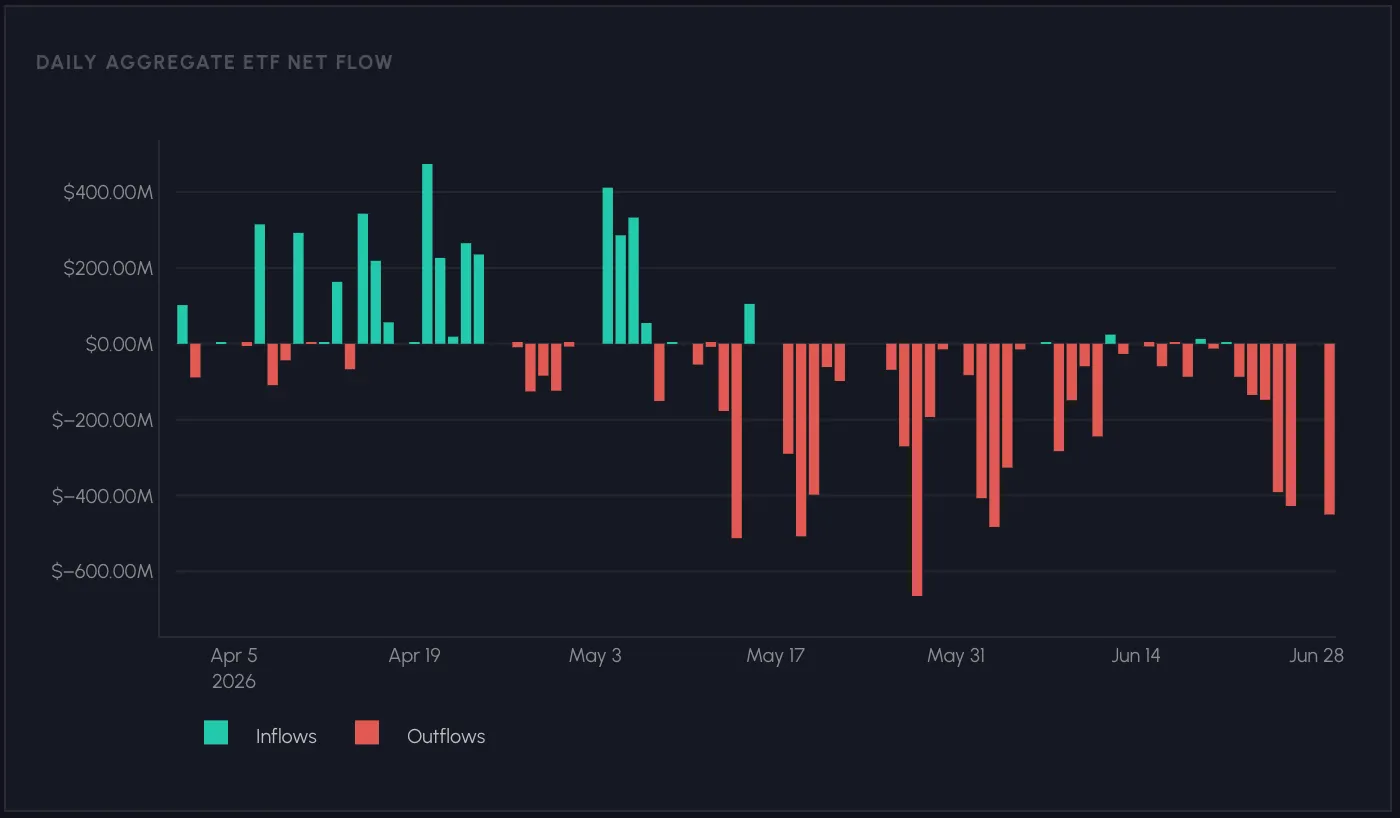
  • Three major liquidity channels—ETFs, Treasury companies like Strategy, and stablecoins—all weakened in Q2, with spot Bitcoin ETFs alone seeing net outflows of $4.08 billion.
  • Total long liquidations for BTC and ETH reached $8.35 billion, leading to significant deleveraging in Q2, but the market entered Q3 in a more stable condition.


Market Overview


The crypto market entered Q2 2026 with strong momentum. After a difficult Q1, Bitcoin rebounded alongside equities in April, as geopolitical tensions eased briefly and institutional demand improved, climbing to around $82,000. However, this recovery did not last.


This reversal was driven by three forces: Brent crude prices hitting a high of $126.41 amid volatility from geopolitical negotiations, a hawkish shift in the Federal Reserve's interest rate outlook, and capital rotation into the AI trade.
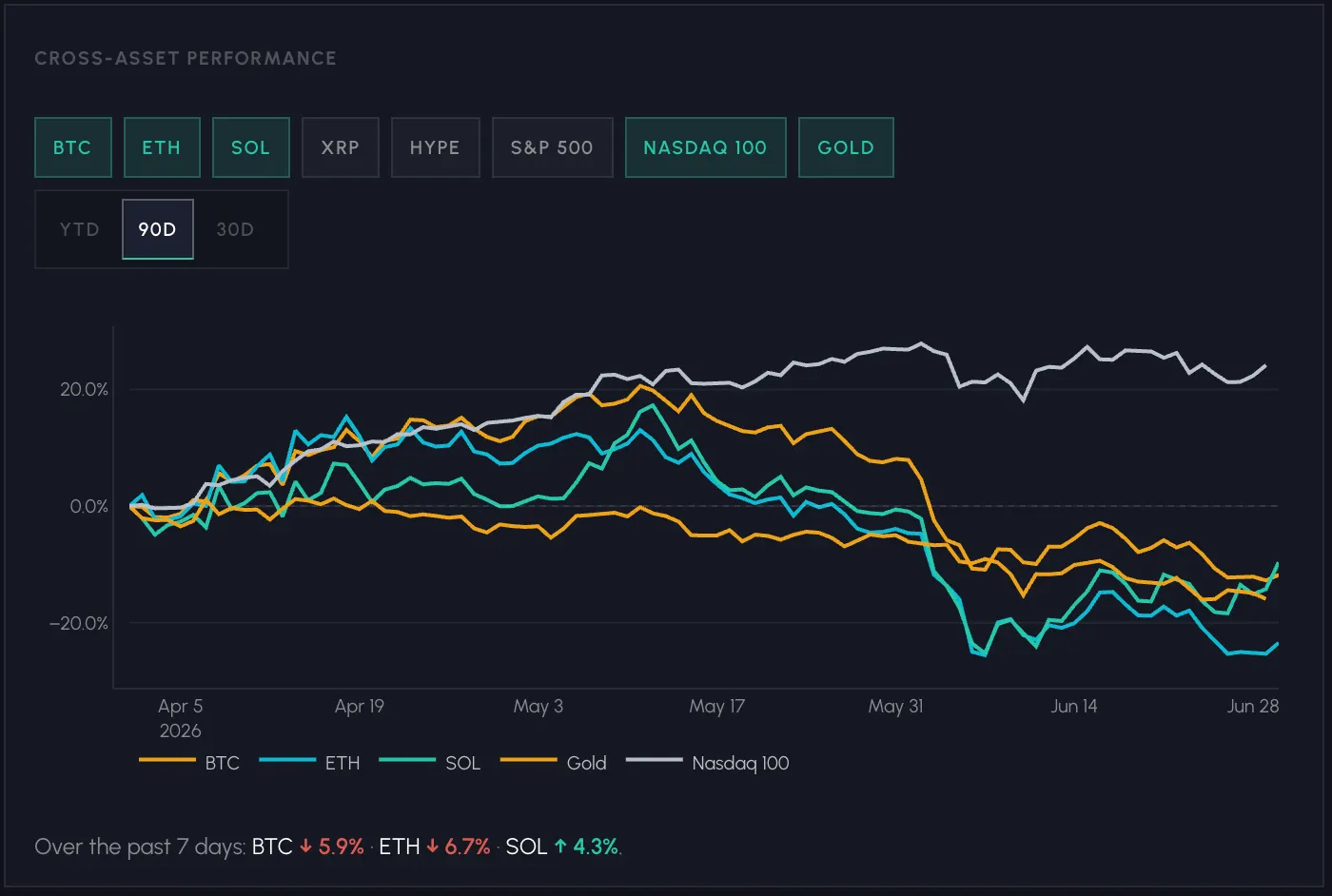


Until mid-May, cryptocurrencies and equities largely moved in sync, with both BTC and ETH rising about 20% from their early-April lows. The divergence came in late May when cryptocurrencies pulled back while equities held firm. Ultimately, the S&P 500 and Nasdaq 100 rose approximately 16% and 28% for the quarter, respectively, while BTC fell about 10%, ETH about 20%, and SOL about 13%.
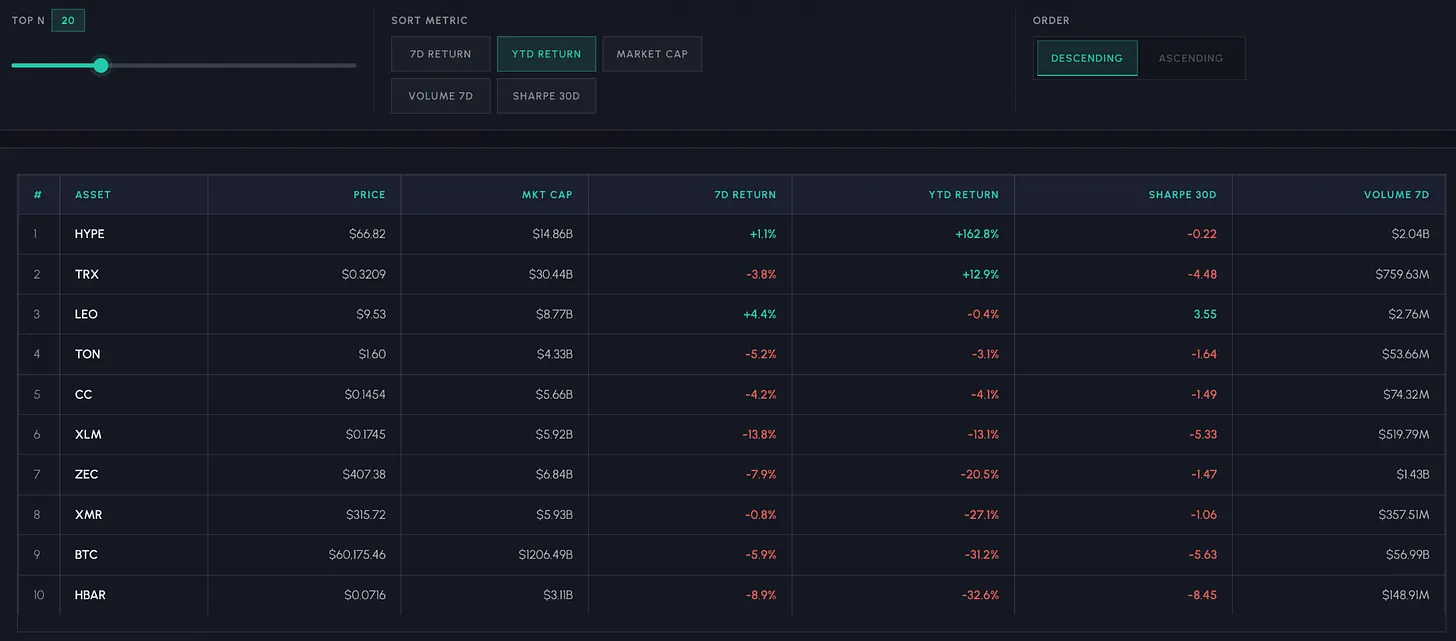


Bitcoin is currently trading around $60,000, down about 52% from its all-time high of $126,000 set in late 2025. Altcoin performance has been similar, with few gainers. Year-to-date, among the top 20 crypto assets by market cap, Hyperliquid (HYPE) remains the sole bright spot (up 142%), driven by strong demand for its on-chain trading of perpetual contracts for stocks and commodities.


Fund Flows


The weakness in Q2 was exacerbated by the deterioration of three key demand channels: spot ETFs, crypto asset treasuries like Strategy, and stablecoin supply.


Spot Bitcoin ETFs: April started strong for spot Bitcoin ETFs, dominated by inflows. The peak single-day inflow of $474 million occurred on April 20th, after which flows reversed. Outflows dominated for the rest of the quarter, with 53 days of outflows compared to 30 days of inflows in Q2. June was the primary culprit, with net outflows reaching $3.84 billion for the month among tracked ETF issuers, accounting for the majority of the quarter's total net outflow of $4.08 billion.


Crypto Asset Treasuries (Strategy Companies): This quarter, Bitcoin accumulation by Strategy companies slowed significantly. Their preferred shares (STRC), designed to stabilize around $100, fell to a historic low of $74, while Strategy's market-to-net-asset-value ratio (mNAV) compressed close to 1.0, impacting the funding channels behind their accumulation. A surprise sale of 32 BTC in early June unsettled the market and broke the "never sell" sentiment. In response, Strategy established a new Digital Credit Capital framework, raising STRC dividends to 12%, authorizing the sale of up to $1.25 billion worth of BTC, and setting up a $2.55 billion USD reserve to cover approximately 17 months of debt.


Stablecoins: The total stablecoin market cap contracted by approximately $4.2 billion in Q2, reducing the funds underpinning on-chain activity and liquidity. USDT saw a modest increase of $1.8 billion, while USDC decreased by $3.4 billion. Ethena's USDe fell by $1.4 billion as risk-off sentiment dampened interest in yield-bearing stablecoin strategies.


With the three major demand channels weakening simultaneously, the liquidity environment heading into Q3 is markedly tighter than at the start of Q2. Whether this demand will return to crypto assets or continue flowing into AI stocks remains a dynamic to watch.


Exchange Activity & Derivatives


Total spot trading volume on exchanges fell 28% quarter-over-quarter to $2.32 trillion, continuing a downtrend that began in January. Futures volume fared slightly better at $12.32 trillion, down 11.6% QoQ, but the spot/futures ratio compressed from 0.23x to 0.19x, indicating an increase in derivative positioning rather than spot demand.


Hyperliquid stood out, with its futures trading volume market share growing to around 4.5%, as on-chain perpetuals continued to take market share from centralized exchanges.
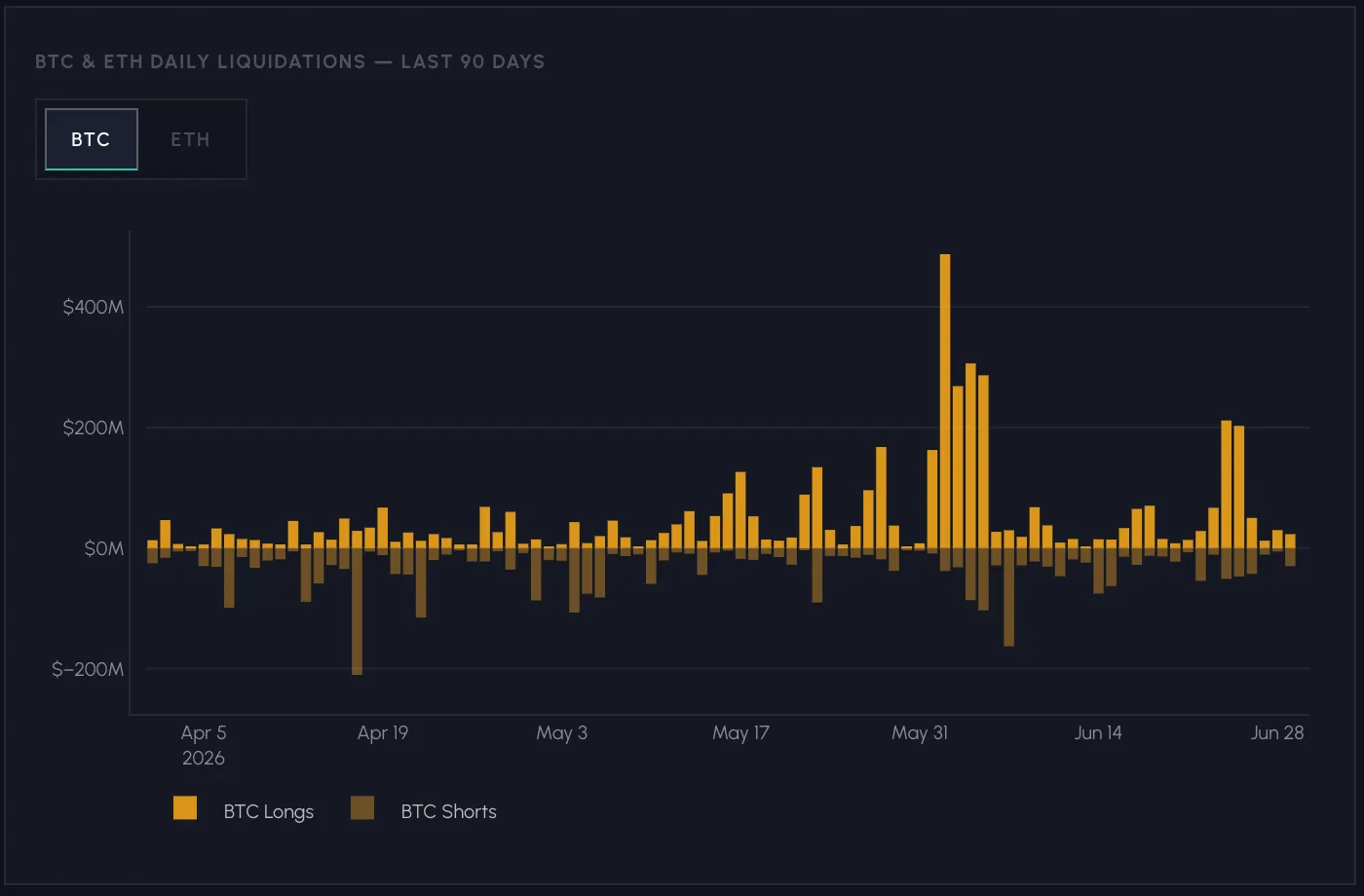


Open interest peaked before the May sell-off, reaching $49.2 billion for BTC and $27.2 billion for ETH. Currently, these figures have dropped to $33.5 billion (BTC) and $16.2 billion (ETH), down 32% and 40% from their peaks, respectively. Throughout Q2, total long liquidations for BTC and ETH reached $8.35 billion. More than half of these liquidations occurred between May 25th and June 7th, as over-leveraged long positions were wiped out. The market entered Q3 in a more deleveraged state.


Funding rates were volatile during Q2, swinging from deeply negative (annualized -16%) in mid-April to strongly positive (annualized +10%) in May as long positions increased. The subsequent sell-off pulled rates back to neutral levels, fluctuating around zero at quarter-end, reflecting cautious sentiment.


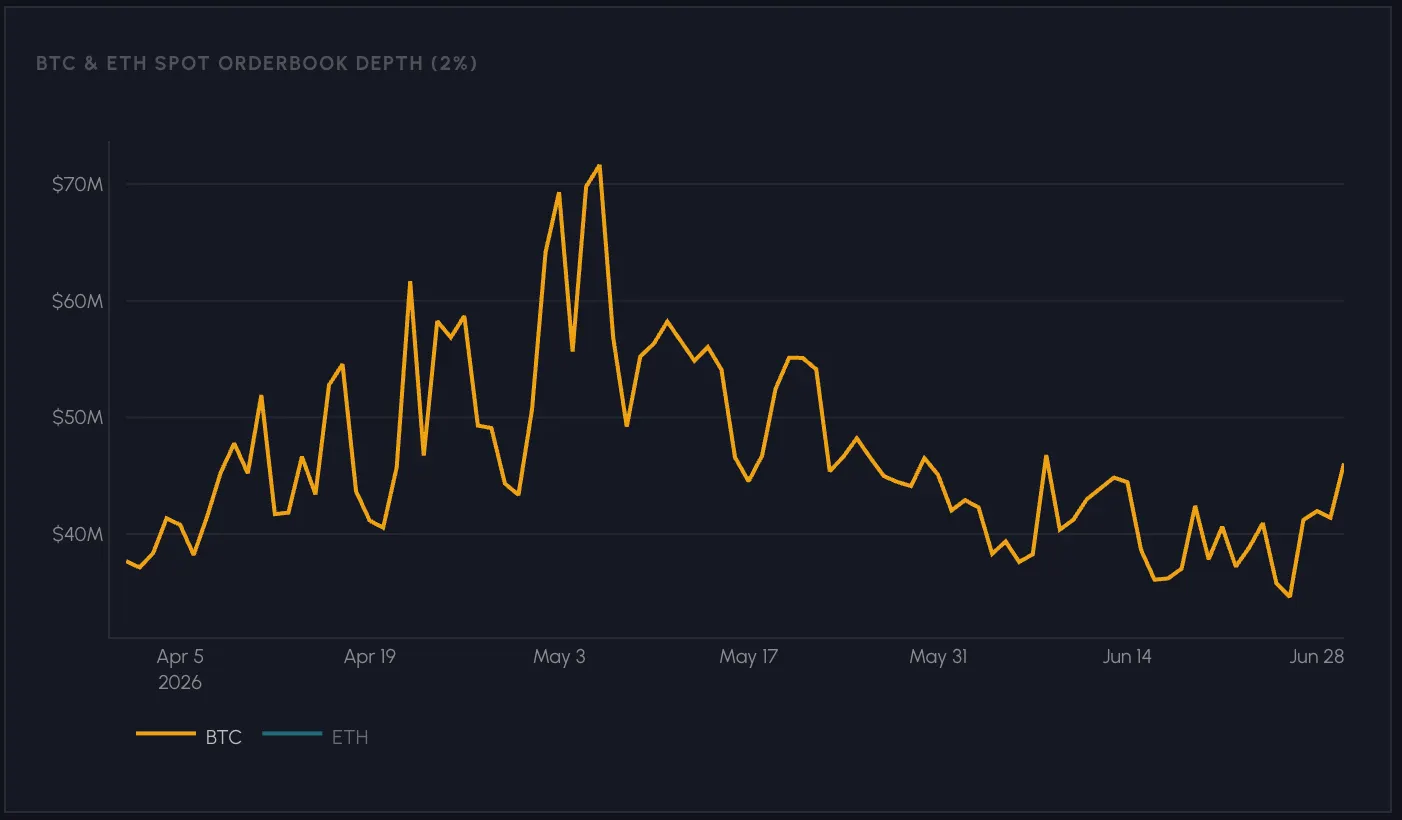
Liquidity also deteriorated in sync. The 2% order book depth for Bitcoin fell from a peak of around $70 million in early May to about $35-40 million by late June, indicating reduced market liquidity and a diminished ability to absorb selling pressure.


Key Themes to Watch Going Forward


Beyond Q2's price action, several structural developments point to the market's future direction, from new asset classes emerging on-chain to the infrastructure supporting them.


  • Tokenized Stocks: Coinbase announced the launch of 1:1 pegged, fully legally entitled tokenized stocks.
  • The Rise of RWA Perpetuals: On-chain trading and price discovery have moved beyond crypto, extending to stocks, indices, and commodities via Hyperliquid HIP-3 perpetuals and centralized exchanges offering 24/7 RWA perpetuals.
  • SpaceX IPO Priced On-Chain: The $1.7 trillion SpaceX IPO was priced on crypto rails ahead of its public listing, providing early price discovery signals for private companies.
  • Vaults & Lending Markets: On-chain vaults are becoming a core allocation layer for institutional capital, pooling deposits into curated lending strategies on protocols like Morpho and Aave. Infrastructure is maturing rapidly as traditional asset managers like Bitwise enter the vault management space.


Tiền kỹ thuật số thịnh hành

Câu hỏi Liên quan

QAccording to the article, what were the three main forces that drove the reversal in the cryptocurrency market's recovery in Q2 2026?

AAccording to the article, the three main forces were: 1) Brent crude oil prices hitting a high of $126.41 due to geopolitical negotiation volatility, 2) A shift towards a more hawkish Federal Reserve interest rate outlook, and 3) Capital rotation into the AI stock trading sector.

QWhat was the trend in net flows for spot Bitcoin ETFs during Q2 2026, and which month saw the largest net outflow?

AIn Q2 2026, net flows for spot Bitcoin ETFs reversed from initial strong inflows in April to consistent outflows for the rest of the quarter. The largest net outflow occurred in June, with a net outflow of $38.4 billion, accounting for most of the quarter's total net outflow of $40.8 billion.

QHow did the total stablecoin market capitalization change in Q2 2026, and what were the specific trends for USDT and USDC?

AIn Q2 2026, the total stablecoin market capitalization contracted by approximately $4.2 billion. Specifically, USDT saw a moderate increase of $1.8 billion, while USDC experienced a decrease of $3.4 billion.

QWhat does the article state about the performance of Hyperliquid (HYPE) and the reason behind it?

AThe article states that Hyperliquid (HYPE) was the only standout performer among the top 20 crypto assets by market capitalization year-to-date, with a gain of 142%. This performance was attributed to robust demand for its on-chain trading of stock and commodity perpetual contracts.

QWhat are some of the key structural developments mentioned in the article that signal the future direction of the market?

AKey structural developments mentioned include: 1) Tokenized stocks with full legal rights announced by Coinbase, 2) The rise of RWA perpetual contracts extending to stocks, indices, and commodities, 3) The SpaceX IPO being priced on-chain before public listing, and 4) The maturation of on-chain vaults as a core allocation layer for institutional capital, attracting traditional asset managers like Bitwise.

Nội dung Liên quan

OUSD khiến Circle giảm 17% trong một đêm, vướng vào tranh cãi tiếp thị

Tối ngày 30/6 theo giờ Bắc Kinh, công ty Open Standard tuyên bố sẽ ra mắt stablecoin Open USD (OUSD) với các ưu điểm như đúc và mua lại miễn phí, chia sẻ lợi nhuận từ tài sản dự trữ và quản trị chung với các đối tác. Đáng chú ý, Open Standard công bố đã có hơn 140 đối tác, bao gồm cả các gã khổng lồ như Western Union, Ripple, MetaMask và Aave. Thông tin này khiến thị trường bất ngờ và cổ phiếu của Circle - công ty phát hành USDC - đã giảm 17,55%. Tuy nhiên, chỉ vài ngày sau, nhiều công ty trong danh sách như Samsung Electronics, Dunamu (mẹ của Upbit), Shinhan Financial Group và K Bank đã lên tiếng phủ nhận, cho biết họ chưa từng đàm phán chính thức hoặc chỉ mới ở giai đoạn xem xét sơ bộ. Một số thậm chí biết tin mình có trong danh sách qua báo chí. Gabor Gurbacs, người sáng lập OpenAssets, cũng xác nhận nhiều khách hàng của họ trong danh sách phủ nhận đã ký bất kỳ thỏa thuận nào. Động thái này bị chỉ trích là một chiêu tiếp thị gây tranh cãi để thu hút sự chú ý, "mượn uy tín" (legitimacy-borrowing) của các công ty khác mà chưa được họ chấp thuận đầy đủ. Jeremy Allaire, CEO của Circle, đã đặt câu hỏi về tính bền vững của ba đặc điểm chính của OUSD: mô hình miễn phí, chia sẻ hầu hết lợi nhuận và quản trị đa công ty. Ông cho rằng ổn định là yếu tố quan trọng hàng đầu trong lĩnh vực stablecoin. Mặt khác, một số công ty như Stripe và Coinbase đã xác nhận ủng hộ OUSD. Stripe sẽ đặt OUSD làm stablecoin mặc định, còn Coinbase có kế hoạch tích hợp nó vào Base và các blockchain khác. Các công ty khác như Visa, Mastercard, BlackRock và Aave cũng bày tỏ sự ủng hộ nhưng chưa nêu rõ hình thức hợp tác. Open Standard có mối liên hệ chặt chẽ với Bridge, một nhà cung cấp giải pháp on-ramp/off-ramp, và Stripe. Sự việc này để lại ấn tượng ban đầu không mấy tích cực cho OUSD trong một lĩnh vực được xây dựng dựa trên sự tin cậy.

Foresight News1 giờ trước

OUSD khiến Circle giảm 17% trong một đêm, vướng vào tranh cãi tiếp thị

Foresight News1 giờ trước

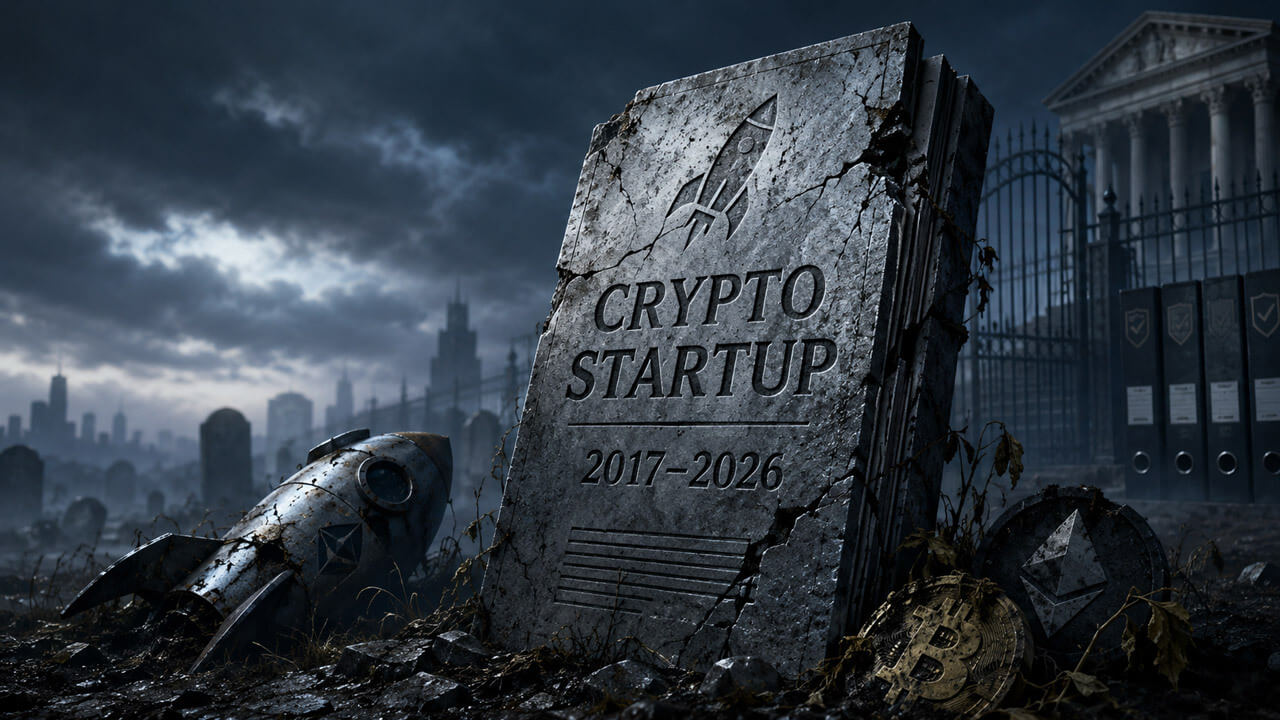
Mười Năm Biến Đổi: Con Đường Tiêu Vong của Startup Crypto

Bài viết phân tích sự chuyển đổi mạnh mẽ của hệ sinh thái khởi nghiệp crypto trong thập kỷ qua. Giai đoạn đầu (khoảng 2017-2018), các công ty khởi nghiệp có thể dễ dàng thành lập chỉ với whitepaper, kho mã nguồn và gọi vốn ICO mà gần như không có rào cản về vốn hay quy định. Tuy nhiên, đến năm 2026, bối cảnh đã thay đổi hoàn toàn. Một công ty crypto muốn hoạt động hợp pháp tại các thị trường lớn như Mỹ, EU phải đáp ứng hàng loạt yêu cầu phức tạp về giấy phép, tuân thủ (ví dụ: BitLicense, MiCA), xây dựng hệ thống AML và thiết lập quan hệ đối tác ngân hàng, với chi phí lên tới hàng triệu USD. Các quy định mới đã nâng cao rào cản gia nhập, tạo ra "bức tường thành" bảo vệ những công ty lớn đã có sẵn giấy phép và nguồn lực. Cùng lúc đó, nguồn vốn đầu tư mạo hiểm (VC) tập trung ngày càng nhiều vào các công ty hậu kỳ và cơ sở hạ tầng trưởng thành (như sàn giao dịch, dịch vụ cho vay), trong khi vốn cho các vòng gọi vốn sớm (seed, pre-seed) và các dự án thử nghiệm sáng tạo bị thu hẹp đáng kể. Chiến lược M&A (mua lại và sáp nhập) trở thành con đường tắt phổ biến để các gã khổng lồ nhanh chóng tiếp cận giấy phép, kênh phân phối và niềm tin từ khách hàng tổ chức (ví dụ: Coinbase mua Deribit, Ripple mua Hidden Road). Bài viết kết luận rằng ngành công nghiệp crypto đang tái hiện quỹ đạo trưởng thành của các ngành truyền thống: sáng tạo ban đầu bị thay thế bởi sự hợp nhất, với những rào cản về quy định và vốn khiến các nhà sáng lập mới thiếu nguồn lực khó có cơ hội cạnh tranh, trái ngược với tinh thần phi tập trung ban đầu của crypto.

Foresight News1 giờ trước

Mười Năm Biến Đổi: Con Đường Tiêu Vong của Startup Crypto

Foresight News1 giờ trước

Đợt tăng giá của Cardano đã kết thúc? Đây là lý do ADA có thể nhắm mục tiêu 0,30 đô la tiếp theo

Cardano (ADA) đã có một đợt tăng giá mạnh 30% vào đầu quý 3, vượt trội so với thị trường altcoin chung. Tuy nhiên, giá đã điều chỉnh giảm hơn 2% sau khi không thể vượt qua ngưỡng kháng cự quan trọng 0,20 USD, mức từng bị từ chối vào giữa tháng Sáu. Dữ liệu on-chain cho thấy tổng giá trị bị khóa (TVL) trên Cardano đã giảm gần 68% trong năm qua, nhưng số lượng ví không trống lại tăng thêm 14.783 kể từ mức đáy tháng 6/2023, cho thấy sự tham gia của người dùng vẫn ổn định bất chấp thanh khoản suy giảm. Về mặt kỹ thuật, việc ADA vượt lên và giữ vững trên mức 0,20 USD là chìa khóa để củng cố đà tăng. Nếu làm được điều này, mục tiêu tiếp theo có thể là 0,25 USD và sau đó là 0,30 USD. Bối cảnh thị trường altcoin tích cực trong tháng Bảy lịch sử cũng hỗ trợ cho quan điểm này. Mặc dù đợt điều chỉnh gần đây có thể khiến một số người nghi ngờ đây chỉ là chu kỳ hype, nhưng sự tăng trưởng ví bền vững và động lực kỹ thuật tiềm năng cho thấy đà tăng vẫn có thể tiếp diễn nếu ADA vượt qua được các ngưỡng kháng cự then chốt.

ambcrypto1 giờ trước

Đợt tăng giá của Cardano đã kết thúc? Đây là lý do ADA có thể nhắm mục tiêu 0,30 đô la tiếp theo

ambcrypto1 giờ trước

Kết Quả Nội Bộ Đầu Tiên Của GPT-5.6 Sol Đã Về, Chi Phí Cho Cùng Nhiệm Vụ Chỉ Bằng Một Nửa Fable 5

Kết quả thử nghiệm nội bộ đầu tiên của GPT-5.6 Sol (phiên bản xem trước) đã được công bố. Theo chia sẻ từ một kỹ sư trưởng tại NVIDIA, Sol đạt được hiệu quả tăng tốc CUDA chỉ trong 30 giờ, trong khi Opus cần tới 64 giờ. Dự kiến, các bản tối ưu sau có thể sẽ vượt trội hoàn toàn so với Opus. Người dùng nội bộ đánh giá cao khả năng viết mã ngắn gọn, súc tích của Sol, với số dòng code ước tính chỉ bằng 1/5 so với Opus, đặc biệt trong C++. Mô hình tập trung vào tối ưu hiệu suất cốt lõi cho các nhiệm vụ suy luận phức tạp, chuỗi dài, thay vì thử nghiệm lan man. So sánh với GPT-5.5 Pro, Sol thể hiện tốt hơn trong việc tuân thủ chỉ dẫn, suy luận không gian và tạo ra giao diện front-end sạch sẽ, bố cục cân đối. Khi so sánh với đối thủ Fable 5, Sol được nhận định có khả năng tổng thể và chất lượng code vẫn còn khoảng cách nhỏ. Tuy nhiên, ưu thế lớn của Sol nằm ở chi phí: chỉ 5 USD/triệu token đầu vào và 30 USD/triệu token đầu ra, rẻ hơn khoảng một nửa so với Fable 5 (10 USD và 50 USD). Ngoài ra, các hạn chế an toàn (safety limits) trên Sol được cho là linh hoạt hơn so với Fable 5, vốn bị người dùng phàn nàn là quá nghiêm ngặt. GPT-5.6 Sol dự kiến sẽ chính thức mở cửa cho tất cả người dùng trong vài ngày tới, thay vì chỉ giới hạn cho một số đối tác như trước.

marsbit2 giờ trước

Kết Quả Nội Bộ Đầu Tiên Của GPT-5.6 Sol Đã Về, Chi Phí Cho Cùng Nhiệm Vụ Chỉ Bằng Một Nửa Fable 5

marsbit2 giờ trước

Giao dịch

Giao ngay

Bài viết Nổi bật

Làm thế nào để Mua FLOW

Chào mừng bạn đến với HTX.com! Chúng tôi đã làm cho mua Flow (FLOW) trở nên đơn giản và thuận tiện. Làm theo hướng dẫn từng bước của chúng tôi để bắt đầu hành trình tiền kỹ thuật số của bạn.Bước 1: Tạo Tài khoản HTX của BạnSử dụng email hoặc số điện thoại của bạn để đăng ký tài khoản miễn phí trên HTX. Trải nghiệm hành trình đăng ký không rắc rối và mở khóa tất cả tính năng. Nhận Tài khoản của tôiBước 2: Truy cập Mua Crypto và Chọn Phương thức Thanh toán của BạnThẻ Tín dụng/Ghi nợ: Sử dụng Visa hoặc Mastercard của bạn để mua Flow (FLOW) ngay lập tức.Số dư: Sử dụng tiền từ số dư tài khoản HTX của bạn để giao dịch liền mạch.Bên thứ ba: Chúng tôi đã thêm những phương thức thanh toán phổ biến như Google Pay và Apple Pay để nâng cao sự tiện lợi.P2P: Giao dịch trực tiếp với người dùng khác trên HTX.Thị trường mua bán phi tập trung (OTC): Chúng tôi cung cấp những dịch vụ được thiết kế riêng và tỷ giá hối đoái cạnh tranh cho nhà giao dịch.Bước 3: Lưu trữ Flow (FLOW) của BạnSau khi mua Flow (FLOW), lưu trữ trong tài khoản HTX của bạn. Ngoài ra, bạn có thể gửi đi nơi khác qua chuyển khoản blockchain hoặc sử dụng để giao dịch những tiền kỹ thuật số khác.Bước 4: Giao dịch Flow (FLOW)Giao dịch Flow (FLOW) dễ dàng trên thị trường giao ngay của HTX. Chỉ cần truy cập vào tài khoản của bạn, chọn cặp giao dịch, thực hiện giao dịch và theo dõi trong thời gian thực. Chúng tôi cung cấp trải nghiệm thân thiện với người dùng cho cả người mới bắt đầu và người giao dịch dày dạn kinh nghiệm.

Tổng lượt xem 458Xuất bản vào 2024.12.10Cập nhật vào 2026.06.02

Làm thế nào để Mua FLOW

Thảo luận

Chào mừng đến với Cộng đồng HTX. Tại đây, bạn có thể được thông báo về những phát triển nền tảng mới nhất và có quyền truy cập vào thông tin chuyên sâu về thị trường. Ý kiến ​​của người dùng về giá của FLOW (FLOW) được trình bày dưới đây.

活动图片