Dalio's Latest Warning: Don't Get Carried Away by AI, Real Returns on US Stocks in the Next 5-10 Years Could Be -5% to -10%

marsbitXuất bản vào 2026-06-17Cập nhật gần nhất vào 2026-06-17

Tóm tắt

Ray Dalio, founder of Bridgewater Associates, warns investors against excessive concentration in AI stocks. He argues the current market, dominated by a few AI giants, mirrors historical patterns where revolutionary new technologies lead to high risk, volatility, and uncertainty. While acknowledging AI's transformative potential, Dalio emphasizes that most investors fail at this stage of the cycle by over-concentrating in a handful of leading companies. He cites inherent risks: companies cannot accurately forecast investment needs or external shocks (e.g., monetary policy, geopolitics, taxes), face potential disruption from future technologies and international competition (notably from China), and experience significant price swings. Dalio's core advice is diversification, calling it his "Holy Grail of Investing." He presents a mathematical case that a well-diversified portfolio of 15-20 uncorrelated, good bets offers a superior risk-adjusted return compared to a concentrated position. Dalio also offers a cautious outlook, suggesting U.S. stocks may deliver real returns of -5% to -10% over the next 5-10 years based on valuation and bubble indicators. He concludes that in the face of high uncertainty, the prudent strategy is not to avoid betting entirely, but to avoid large, concentrated bets where one lacks sufficient informational edge. Instead, investors should build a strategically balanced, diversified portfolio.

Author: Ray Dalio

Compiled by: Deep Tide TechFlow

Guide: Bridgewater founder Ray Dalio posted an investment note on X, doing the math on the current market dominated by a few AI giants. His judgment is tough: high risk is a fact, low returns are an opinion—the real returns on US stocks over the next 5 to 10 years could be in the range of -5% to -10%. He's not telling you not to buy AI; he's advising you not to put all your chips on AI. This is the 'Holy Grail of Investing' he has summarized over more than 50 years, and now he's sharing it publicly with everyone.

Investment Principles: How to Play the Hand You're Dealt

This note is about how to play the game of investing in the current situation.

You can think of it like bridge, poker, backgammon, or chess. It's your turn to move, and there's a computer next to you helping you assess the situation and make suggestions. For me, investing feels like that. Whether you have that computer or not, I think you should ask yourself one question: given how the cards are laid out now, what move should I make (i.e., what are the current market's characteristics and what forces are influencing it).

I've played this game for a long time. At this stage, my goal is to pass on my way of playing and, going a step further, to create a platform where all sorts of people can use it to explore the subject of investing, however they like—to learn, to look back at what they would have done, and to do it well. I believe there are right and wrong ways to play the hand you're dealt. So when you encounter a specific situation, you should ask yourself: 'How should I bet in this situation?' and be able to give a reliable answer.

Below, I want to talk about what the market looks like to me now, and what I think should be done (which is also what I am doing).

How to Play This Round Now

What are the most critical conditions today, and how should you bet on them?

In my view—and probably in everyone's view—we are currently in a market where a very small number of companies, concentrated in a sector with astonishing new technology (mostly AI), are dominating the direction of the entire market. These companies account for a high proportion of market capitalization and have a huge impact on the market and the economy. It's the same every time this happens: the new technology sector is filled with great excitement, uncertainty, and volatility, and these emotions spread to global stock markets. Therefore, the ups and downs and uncertainty of this sector are of great significance.

Beyond that, there are several other equally important major variables, what I call the 'Five Great Forces': 1) what's happening with debt and money, 2) what's happening with political and social issues (which significantly affect taxes and other politically-driven market factors), 3) the impact of geopolitics on markets (like those wars), 4) what's happening in the natural world, and 5) what's happening with new technologies. I feed these conditions into my investment system, and it calculates how to bet on them, while I'm also thinking about what to bet on.

When considering how to bet, the most important question to ask and answer clearly is: Do you want to a) bet more heavily on the new technology than the market index (like the S&P 500) already implies, overweighting this sector or the few companies you think are best; b) maintain a weight roughly similar to the index; or c) diversify away from this concentration?

Almost everyone wants to own the best assets and is desperately trying to do so, and this new technology in front of us seems to be changing almost everything. But history tells us that at this stage of the cycle, putting a high proportion of chips on the few leading companies producing this technology has failed for the vast majority of people. There's logic behind this, and it's played out this way every time in the past. AI is indeed a unique new technology, but there have been many unique new technologies in history that can serve as references. You should look at them. If you choose to ignore them, you need a good reason explaining why this time is different.

The Risk Is Indeed High

The stories of all great new technologies in the past have played out the same way, for the same reasons. High risk combined with great uncertainty is inherent to these new technology companies. Looking back at their performance in similar situations, you'll find that even revolutionary companies that ultimately succeeded in the long run (like Microsoft and Apple) got beaten to a pulp at similar junctures. And in the present moment of a new technology company's emergence (not in hindsight), it's simply not easy to tell who will succeed and who will fail; IBM is an example. Looking at all these cases laid out, you'll understand that high uncertainty about the future is the nature of new technology companies.

For example, they either invest too much or too little. The reason is: not investing enough guarantees failure, but they can't predict the future precisely, so they can't know if they're overinvesting. Both over- and under-investing come at a cost.

They also can't accurately foresee all the changes that will affect them, including exogenous ones—monetary tightening, war, dramatic tax changes. So they all go through huge ups and downs, first exciting investors, then terrifying the faint of heart and washing them out, thereby amplifying market volatility. Digging a layer deeper: these new technologies and companies, which disrupted their predecessors, will ultimately be disrupted by newer technologies and companies themselves, in ways that are unthinkable now. We have to consider whether the same thing could happen to today's companies. The impact of quantum computing is one of the 'known knowns'. What about those not yet imagined?

What about the risk from competitors? For example, China is producing and distributing AI technology, and Chinese policymakers have a completely different view of the economy and AI. We are in a new technology war, and leaders of each country believe they must win. From China's perspective, because AI has huge productivity dividends and can raise the overall standard of living, it should be provided free or at low cost to the public. In their view, profit is less important; the overall benefits from many people using these new technologies are what matter. I expect them to compete in the international market just as they have with products like cars, solar panels, and batteries.

The current situation resembles many historical moments that can give us lessons. I can't help but think of the late Dutch Empire and the early British Empire, the period when Britain surpassed the Netherlands in shipbuilding and other important industries. Also, geopolitical conflict surrounding Taiwan, which should at least make us consider the possibility: could China use 'preventing chips from leaving Taiwan' as a tool in geopolitical competition? AI stocks face other risks, such as the risk of wealth taxes and other taxes rising—which could force people who have a lot of wealth tied up in these stocks to sell; or rising anti-AI sentiment, which could impose restrictions on companies' expansion.

I could list a bunch of other things to worry about, and I could also list an equally long list of great AI opportunities I'd like to bet on. I'm not saying how these risks will turn out, nor am I saying you shouldn't buy AI companies. I'm just saying that there is a large amount of concentrated risk in the market—that's indisputable—and you should know how to play in such a situation. Based on my research of all similar cases, and out of logic, I am confident that the risk is high, and the best way to play this situation is:

Diversification Is Good

You probably know my mantra is diversification. My 'Holy Grail of Investing' is to try to hold 15 good, uncorrelated, risk-balanced positions. To put it another way:

"A well-diversified portfolio of good bets will outperform a concentrated bet (it has a higher return-to-risk ratio and can be engineered to produce better returns at the same level of risk). The more risk is concentrated in one part of the market, the more you should diversify, especially when the market is driven by a revolutionary new technology that inherently brings great uncertainty."

This is not an opinion; it's a mathematical certainty. For example, assume a bet has a return-to-risk ratio of 0.3 (e.g., 6% return with 18% standard deviation, which is typically considered the level for stocks), and compare holding 5, 10, 15 uncorrelated bets: I can achieve the same 6% return, but the risk measured by standard deviation drops to 8%, 6%, and 5%, respectively. That is, 15 good uncorrelated investments can improve my return-to-risk ratio by 4.3 times (from 0.3 to 1.29). You can also add leverage if you wish, achieving much higher returns at the same level of risk. This is a fact.

My confidence comes from backtesting, from the real returns I've delivered over more than 50 years of investing, and from the largely solid logic: a well-diversified set of bets, adjusted to one's desired level of volatility, will produce much better returns over time than the concentrated bets most investors prefer. To be more specific, good diversification can give you a better risk-return ratio than any concentrated bet; adjusting it to your desired risk level allows you to achieve higher returns at that risk level than with any other approach.

Because I've made this method public, it has now become my 'no longer so secret' recipe for success. But I rarely encounter people who think about investment strategy this way—that is, few people think about portfolio construction, about how a well-structured, well-diversified portfolio of bets would perform compared to a concentrated position in a few stocks in a great transformative industry. Most people only think about whether these stocks, this industry, will go up, and how to bet. The performance gap between those who think about portfolio construction and those who don't is huge. I'll have a chance to explain this more fully later.

Based on all of the above, in my view, pondering how to play the current hand should lead one to ask oneself: How large should my concentrated positions be? And then, diversify.

Returns Appear Low

High risk is an indisputable fact. Next, I'll give you an opinion that could be wrong: expected returns are low. This judgment comes from my analysis of valuations and the readings of my bubble indicators—over the next 5 to 10 years, the real returns on stocks look to be about -5% to -10%, though there is considerable uncertainty around these numbers. In my view, these stocks are very long-duration assets with significant risk because it's difficult to reliably see the distant future, and they appear both expensive and in shaky hands.

A Question from My Research Team

At a recent meeting, someone on the team asked me: Why do you think the market's current configuration is wrong? How do you know that the lack of diversification in the market today isn't for good reasons—for example, some investors believe the expected returns on AI stocks are very high; for example, when an industry accounts for such a high proportion of market capitalization, such concentration in an index is natural; or, when there is extreme enthusiasm for an industry, many investors buy these stocks without doing the smart, reliable math to figure out what future earnings will be and how those earnings should be priced?

My Answer

Prices rise for all sorts of reasons, not all of them good. Some investors watch prices and push them up because they think prices are attractive relative to fundamentals; some hold these stocks because they are convinced it's a great new technology and take rising prices as confirmation that 'these are good stocks'; and other investors hold index exposure, passively placing heavy weight on these stocks. In my opinion, you can agonize over these issues, trying to figure out what to do; or you can admit that you don't need to agonize at all because you simply don't have enough information to bet confidently. You can perfectly well say, 'I don't know enough, I won't take this bet.' And then actually not bet.

What gets people into trouble is the thought that 'I must have an opinion, and my opinion is worth something,' when the reality is more likely that you simply can't form a view reliable enough to bet on. (Note: To be clear, I'm not recommending not betting—you can't avoid betting anyway because you always have to put your money into some investment, or into cash, and most people think cash has the lowest risk, when it's actually the worst long-term investment. I recommend understanding how to diversify bets well, even if you have no tactical view on which markets are good or bad. The approach is: when you have no confident tactical judgments, hold a balanced, strategic asset allocation portfolio. But that's a topic for later.)

So I believe that knowing what you don't know, and thus deciding when not to bet, is as important as knowing what you do know and betting accordingly.

To put it more simply, I believe in this principle: since it's usually difficult to have enough information to justify concentrated bets, the best approach is to form a diversified portfolio consisting only of your most confident, uncorrelated bets, and then engineer that portfolio to your desired risk level. That's my 'Holy Grail of Investing.'

Right now, facing the current hand, I don't think anyone can know clearly enough what will happen next in this technology-driven market to make a large, concentrated bet. In my view, avoiding concentration and staying diversified is the best way to deal with this 'not knowing.' I know this contradicts the theories you read in textbooks—textbooks basically say markets are efficient, so you should 'just believe in the market.'

To summarize: We currently have an unusually concentrated market centered around a revolutionary new technology, which should precisely remind us not to confuse excitement about the new technology with the attractiveness of new technology stocks, and then throw caution to the wind to hold a bunch of high-risk, highly correlated concentrated bets—especially when we could achieve similarly attractive returns at much lower risk through smart diversification.

P.S. I won't share my holdings or tactical judgments with you, because I don't want to be your investment advisor. But I will soon share some key perspectives behind these judgments, including the readings and logic behind my bubble indicators.


Tiền kỹ thuật số thịnh hành

Câu hỏi Liên quan

QWhat is Ray Dalio's key warning about investing in the current AI-dominated US stock market?

AHe warns investors not to be carried away by the hype. He argues that future 5-10 year real returns for US stocks could potentially be negative, in the range of -5% to -10%, and advocates for diversification over concentrated bets on AI stocks.

QAccording to Dalio, what is the 'Investment Holy Grail' he has developed over 50+ years?

AHis 'Investment Holy Grail' is to seek a well-diversified portfolio of about 15 or more good, uncorrelated bets, which can be engineered to achieve a significantly better return-to-risk ratio compared to any concentrated bet, especially in a high-risk environment.

QWhat are the main risks Dalio identifies for AI and technology stocks in the current market?

AThe main risks include: inherent high uncertainty and volatility of revolutionary new tech companies; geopolitical risks (e.g., competition from China, potential Taiwan conflict affecting chip supply); risks from changing policies (e.g., wealth taxes, anti-AI sentiment); and the historical pattern where most new tech leaders get disrupted or experience severe downturns.

QHow does Dalio respond to the argument that the market's current concentrated allocation to AI might be justified?

AHe disagrees, stating that price increases can happen for various reasons, not all good. He argues that many investors lack sufficient information to form a confident, justifiable view for a concentrated bet. Therefore, the best approach is to admit what you don't know and diversify, rather than feeling pressured to have an opinion.

QWhat is Dalio's core advice for investors facing the current 'hand' of the market?

AHis core advice is to prioritize diversification. He believes it is mathematically superior to hold a portfolio of uncorrelated good bets. Given the high concentration and uncertainty driven by revolutionary AI technology, avoiding concentrated positions and maintaining a well-diversified portfolio is the best strategy to manage the 'not knowing'.

Nội dung Liên quan

Sam Bankman-Fried Muốn Một Token Mới Để Bồi Thường Nạn Nhân FTX, Nhưng Liệu Điều Đó Có Thể Xảy Ra?

Sam Bankman-Fried (SBF) một lần nữa xuất hiện trên các tiêu đề sau khi được cho là bày tỏ hy vọng về một dự án token mới có thể bồi thường cho các nạn nhân của FTX. Tuy nhiên, tuyên bố này cần được hiểu là một mong muốn cá nhân, hoàn toàn tách biệt với thực tế pháp lý khắc nghiệt mà ông đang đối mặt. Điều quan trọng cần nhấn mạnh là vào ngày 12 tháng 6 năm 2026, một tòa phúc thẩm Mỹ đã giữ nguyên bản án 25 năm tù dành cho SBF. Với tư cách là một phạm nhân, ông phải đối mặt với hàng loạt rào cản pháp lý hiển nhiên trong việc điều hành công ty, huy động vốn hay phát hành token. Hiện không hề có bất kỳ dự án token nào đã được xác minh là khả thi về mặt pháp lý. Lý do khiến thông tin này thu hút sự chú ý nằm ở quy mô và ảnh hưởng của vụ sụp đổ FTX trong lịch sử crypto. Bất kỳ đề cập nào về việc bồi thường nạn nhân đều khơi gợi ký ức về thiệt hại khổng lồ và sự tổn hại niềm tin trong cộng đồng. Tuy nhiên, góc độ an toàn và chính xác để đưa tin không phải là việc SBF đang phát hành token, mà là sự tương phản giữa hy vọng cá nhân của ông về một con đường dựa trên token và nghịch lý pháp lý hiện tại. Quá trình bồi thường thực tế cho các chủ nợ của FTX vẫn sẽ phải tuân theo các thủ tục pháp lý, cơ cấu phá sản và cơ chế thu hồi tài sản chính thức, chứ không phải từ một ý tưởng token xuất phát từ trong tù.

bitcoinist31 phút trước

Sam Bankman-Fried Muốn Một Token Mới Để Bồi Thường Nạn Nhân FTX, Nhưng Liệu Điều Đó Có Thể Xảy Ra?

bitcoinist31 phút trước

BlackRock Ra Mắt Quỹ ETF Bitcoin Covered-Call Với Mã Chứng Khoán BITA

BlackRock đã ra mắt iShares Bitcoin Premium Income ETF (BITA), một quỹ ETF bitcoin mới sử dụng chiến lược covered-call để tạo thu nhập. Không giống như các quỹ spot bitcoin thông thường, BITA bán quyền chọn mua (call options) dựa trên danh mục nắm giữ bitcoin, nhằm thu phí bảo hiểm và phân phối thu nhập hàng tháng cho nhà đầu tư. Sản phẩm này phù hợp với những nhà đầu tư tin tưởng vào triển vọng bitcoin nhưng muốn có một công cụ tạo thu nhập ổn định hơn trong danh mục truyền thống, thay vì chỉ dựa vào việc tăng giá. Tuy nhiên, có sự đánh đổi: trong thị trường đi ngang hoặc biến động, chiến lược này có thể hấp dẫn, nhưng nó sẽ hạn chế phần lợi nhuận nếu giá bitcoin tăng mạnh vượt quá mức giá thực hiện của quyền chọn đã bán. Việc ra mắt BITA cho thấy thị trường ETF bitcoin đang phát triển vượt ra ngoài các sản phẩm spot đơn giản, hướng tới các chiến lược phức tạp hơn như tạo thu nhập, phòng ngừa rủi ro và tích hợp vào danh mục. Điều này giúp bitcoin dần được coi như một thành phần thị trường có thể kết hợp trong cấu trúc quỹ rộng hơn, thu hút thêm các nhà đầu tư tổ chức.

bitcoinist2 giờ trước

BlackRock Ra Mắt Quỹ ETF Bitcoin Covered-Call Với Mã Chứng Khoán BITA

bitcoinist2 giờ trước

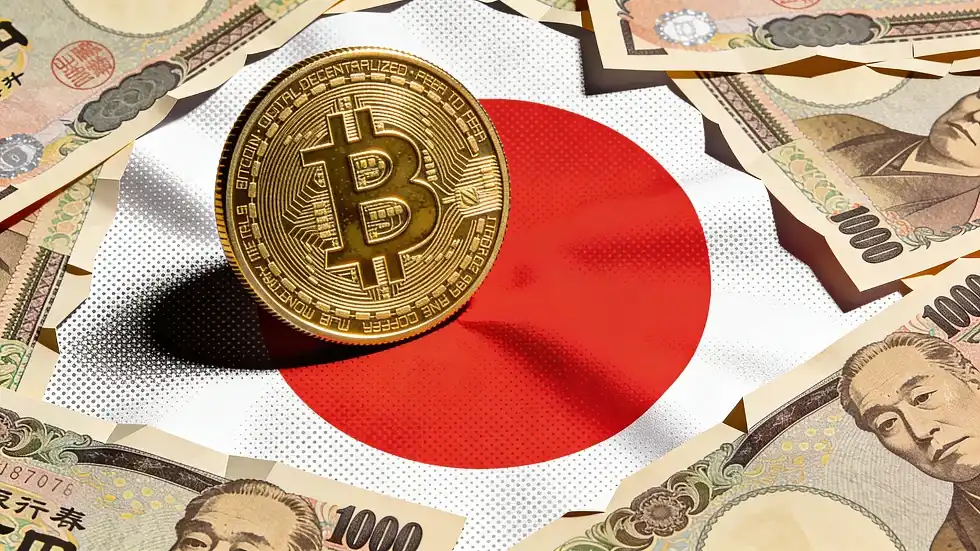
Nhật Bản tăng lãi suất, tại sao cả thế giới đều lo lắng?

Vào tháng 6/2026, Ngân hàng Trung ương Nhật Bản (BoJ) nâng lãi suất chính sách lên 1%, mức cao nhất kể từ năm 1995. Dù mức này vẫn thấp hơn nhiều so với Mỹ hay châu Âu, nó lại khiến thị trường toàn cầu chú ý. Lý do nằm ở vai trò đặc biệt của Nhật Bản trong nhiều thập kỷ: là trung tâm cung cấp vốn vay chi phí cực thấp cho thế giới. Suốt hơn 20 năm, Nhật Bản duy trì lãi suất gần 0% hoặc âm, tạo điều kiện cho các nhà đầu tư quốc tế thực hiện "giao dịch carry trade" bằng đồng Yên. Họ vay Yên rẻ, đổi sang các đồng tiền khác để đầu tư vào tài sản có lợi suất cao hơn như cổ phiếu Mỹ, trái phiếu mới nổi. Dòng vốn Yên giá rẻ này trở thành một nguồn thanh khoản quan trọng, góp phần đẩy giá nhiều loại tài sản toàn cầu. Việc BoJ bắt đầu chu kỳ tăng lãi suất, dù nhỏ, đang làm lung lay kỳ vọng rằng Nhật Bản sẽ mãi mãi là nguồn vốn rẻ. Điều này buộc các nhà đầu tư phải tính toán lại chi phí vay và điều chỉnh các chiến lược đầu tư dựa trên đòn bẩy. Nguy cơ là nhiều quỹ có thể đồng loạt giảm đòn bẩy (deleverage), dẫn đến thu hồi vốn từ các thị trường tài sản rủi ro trên thế giới, gây biến động. Động thái của Nhật Bản phản ánh sự thay đổi cơ bản trong nền kinh tế nội địa: lạm phát đã vượt mục tiêu 2%, và quan trọng hơn là tiền lương tăng trưởng liên tục (trên 5% trong "shunto" - đàm phán lao động mùa xuân), tạo ra vòng xoáy tích cực "lương - lạm phát" mà nước này long đợi từ lâu. Áp lực từ đồng Yên yếu (từng gần chạm 160 Yên/USD) cũng góp phần thúc đẩy việc thắt chặt chính sách. Tuy nhiên, hướng đi cuối cùng của dòng vốn toàn cầu vẫn phụ thuộc lớn vào Cục Dự trữ Liên bang Mỹ (Fed). Chênh lệch lãi suất Mỹ-Nhật vẫn rộng. Chỉ khi Fed bắt đầu chu kỳ cắt giảm lãi suất trong khi BoJ tiếp tục tăng, chênh lệch này mới thu hẹp đáng kể, và khi đó tác động mạnh mẽ hơn đến dòng vốn và tỷ giá hối đoái mới thực sự rõ rệt. Tóm lại, thị trường lo ngại không phải vì mức lãi suất 1%, mà vì sự thay đổi trong một xu hướng đã tồn tại suốt 30 năm. Sự kết thúc của kỷ nguyên vốn vay cực rẻ từ Nhật Bản có thể định nghĩa lại logic định giá tài sản và dòng chảy vốn toàn cầu trong tương lai.

marsbit4 giờ trước

Nhật Bản tăng lãi suất, tại sao cả thế giới đều lo lắng?

marsbit4 giờ trước

Quốc Hội Thông Qua Lệnh Cấm CBDC Cho Đến Năm 2030 Thông Qua Dự Luật Cải Cách Nhà Ở Lớn

Các nhà lập pháp Hoa Kỳ đã thông qua một dự luật cải cách nhà ở lớn, trong đó có điều khoản cấm tạm thời Cục Dự trữ Liên bang (Fed) phát hành tiền kỹ thuật số của ngân hàng trung ương (CBDC) cho đến ngày 31 tháng 12 năm 2030. Điều khoản này, nằm trong Đạo luật Con đường Nhà ở Thế kỷ 21, phân loại CBDC là tài sản kỹ thuật số được định giá bằng đô la, là nghĩa vụ trực tiếp của Fed và phải có thể tiếp cận được với mọi công dân Mỹ. Những người ủng hộ lệnh cấm cho rằng nó cung cấp thêm thời gian để đánh giá tác động tiềm năng của đồng đô la kỹ thuật số, đồng thời phản ánh mối quan ngại về quyền riêng tư, giám sát tài chính và sự can thiệp của chính phủ. Lệnh cấu áp dụng cho mọi nỗ lực phát hành CBDC bán lẻ, dù trực tiếp hay thông qua trung gian, nhưng không hạn chế các mạng lưới blockchain không cần cấp phép. Mặc dù trọng tâm của dự luật là giải quyết thách thức về nguồn cung nhà ở, nhưng ngôn ngữ liên quan đến CBDC lại thu hút sự chú ý đáng kể từ cộng đồng tiền mã hóa, vì nó sẽ ảnh hưởng đến tương lai của các hệ thống thanh toán kỹ thuật số. Các bước tiếp theo trong quy trình lập pháp sẽ quyết định số phận của lệnh cấm này trong thập kỷ tới.

TheNewsCrypto5 giờ trước

Quốc Hội Thông Qua Lệnh Cấm CBDC Cho Đến Năm 2030 Thông Qua Dự Luật Cải Cách Nhà Ở Lớn

TheNewsCrypto5 giờ trước

Giao dịch

Giao ngay
Hợp đồng Tương lai

Bài viết Nổi bật

AGENT S là gì

Agent S: Tương Lai của Tương Tác Tự Động trong Web3 Giới thiệu Trong bối cảnh không ngừng phát triển của Web3 và tiền điện tử, các đổi mới đang liên tục định nghĩa lại cách mà cá nhân tương tác với các nền tảng kỹ thuật số. Một dự án tiên phong như vậy, Agent S, hứa hẹn sẽ cách mạng hóa tương tác giữa con người và máy tính thông qua khung tác nhân mở của nó. Bằng cách mở đường cho các tương tác tự động, Agent S nhằm đơn giản hóa các nhiệm vụ phức tạp, cung cấp các ứng dụng chuyển đổi trong trí tuệ nhân tạo (AI). Cuộc khám phá chi tiết này sẽ đi sâu vào những phức tạp của dự án, các tính năng độc đáo của nó và những tác động đối với lĩnh vực tiền điện tử. Agent S là gì? Agent S đứng vững như một khung tác nhân mở đột phá, được thiết kế đặc biệt để giải quyết ba thách thức cơ bản trong việc tự động hóa các nhiệm vụ máy tính: Thu thập Kiến thức Cụ thể theo Miền: Khung này học một cách thông minh từ nhiều nguồn kiến thức bên ngoài và kinh nghiệm nội bộ. Cách tiếp cận kép này giúp nó xây dựng một kho lưu trữ phong phú về kiến thức cụ thể theo miền, nâng cao hiệu suất của nó trong việc thực hiện nhiệm vụ. Lập Kế Hoạch Qua Các Tầm Nhìn Nhiệm Vụ Dài Hạn: Agent S sử dụng lập kế hoạch phân cấp tăng cường kinh nghiệm, một cách tiếp cận chiến lược giúp phân chia và thực hiện các nhiệm vụ phức tạp một cách hiệu quả. Tính năng này nâng cao đáng kể khả năng quản lý nhiều nhiệm vụ con một cách hiệu quả và hiệu suất. Xử Lý Các Giao Diện Động, Không Đều: Dự án giới thiệu Giao Diện Tác Nhân-Máy Tính (ACI), một giải pháp đổi mới giúp nâng cao tương tác giữa các tác nhân và người dùng. Sử dụng các Mô Hình Ngôn Ngữ Lớn Đa Phương Thức (MLLMs), Agent S có thể điều hướng và thao tác các giao diện người dùng đồ họa đa dạng một cách liền mạch. Thông qua những tính năng tiên phong này, Agent S cung cấp một khung vững chắc giải quyết các phức tạp liên quan đến việc tự động hóa tương tác giữa con người với máy móc, mở ra nhiều ứng dụng trong AI và hơn thế nữa. Ai là Người Tạo ra Agent S? Mặc dù khái niệm về Agent S là hoàn toàn đổi mới, thông tin cụ thể về người sáng lập vẫn còn mơ hồ. Người sáng lập hiện vẫn chưa được biết đến, điều này làm nổi bật giai đoạn sơ khai của dự án hoặc sự lựa chọn chiến lược để giữ kín các thành viên sáng lập. Bất chấp sự ẩn danh, sự chú ý vẫn tập trung vào khả năng và tiềm năng của khung này. Ai là Các Nhà Đầu Tư của Agent S? Vì Agent S còn tương đối mới trong hệ sinh thái mã hóa, thông tin chi tiết về các nhà đầu tư và những người tài trợ tài chính của nó không được ghi chép rõ ràng. Sự thiếu vắng thông tin công khai về các nền tảng đầu tư hoặc tổ chức hỗ trợ dự án dấy lên câu hỏi về cấu trúc tài trợ và lộ trình phát triển của nó. Hiểu biết về sự hỗ trợ là rất quan trọng để đánh giá tính bền vững và tác động tiềm năng của dự án. Agent S Hoạt Động Như Thế Nào? Tại cốt lõi của Agent S là công nghệ tiên tiến cho phép nó hoạt động hiệu quả trong nhiều bối cảnh khác nhau. Mô hình hoạt động của nó được xây dựng xung quanh một số tính năng chính: Tương Tác Giống Như Con Người: Khung này cung cấp lập kế hoạch AI tiên tiến, cố gắng làm cho các tương tác với máy tính trở nên trực quan hơn. Bằng cách bắt chước hành vi của con người trong việc thực hiện nhiệm vụ, nó hứa hẹn nâng cao trải nghiệm người dùng. Ký Ức Tường Thuật: Được sử dụng để tận dụng các trải nghiệm cấp cao, Agent S sử dụng ký ức tường thuật để theo dõi lịch sử nhiệm vụ, từ đó nâng cao quy trình ra quyết định của nó. Ký Ức Tình Huống: Tính năng này cung cấp cho người dùng hướng dẫn từng bước, cho phép khung này cung cấp hỗ trợ theo ngữ cảnh khi các nhiệm vụ diễn ra. Hỗ Trợ OpenACI: Với khả năng chạy cục bộ, Agent S cho phép người dùng duy trì quyền kiểm soát đối với các tương tác và quy trình làm việc của họ, phù hợp với tinh thần phi tập trung của Web3. Tích Hợp Dễ Dàng với Các API Bên Ngoài: Tính linh hoạt và khả năng tương thích với nhiều nền tảng AI khác nhau đảm bảo rằng Agent S có thể hòa nhập liền mạch vào các hệ sinh thái công nghệ hiện có, làm cho nó trở thành lựa chọn hấp dẫn cho các nhà phát triển và tổ chức. Những chức năng này cùng nhau góp phần vào vị trí độc đáo của Agent S trong không gian tiền điện tử, khi nó tự động hóa các nhiệm vụ phức tạp, nhiều bước với sự can thiệp tối thiểu của con người. Khi dự án phát triển, các ứng dụng tiềm năng của nó trong Web3 có thể định nghĩa lại cách mà các tương tác kỹ thuật số diễn ra. Thời Gian Phát Triển của Agent S Sự phát triển và các cột mốc của Agent S có thể được tóm tắt trong một dòng thời gian nêu bật các sự kiện quan trọng của nó: 27 tháng 9, 2024: Khái niệm về Agent S được ra mắt trong một bài nghiên cứu toàn diện mang tên “Một Khung Tác Nhân Mở Sử Dụng Máy Tính Như Một Con Người,” trình bày nền tảng cho dự án. 10 tháng 10, 2024: Bài nghiên cứu được công bố công khai trên arXiv, cung cấp một cái nhìn sâu sắc về khung và đánh giá hiệu suất của nó dựa trên tiêu chuẩn OSWorld. 12 tháng 10, 2024: Một video trình bày được phát hành, cung cấp cái nhìn trực quan về khả năng và tính năng của Agent S, thu hút thêm sự quan tâm từ người dùng và nhà đầu tư tiềm năng. Những dấu mốc trong dòng thời gian không chỉ minh họa sự tiến bộ của Agent S mà còn chỉ ra cam kết của nó đối với sự minh bạch và sự tham gia của cộng đồng. Những Điểm Chính Về Agent S Khi khung Agent S tiếp tục phát triển, một số thuộc tính chính nổi bật, nhấn mạnh tính đổi mới và tiềm năng của nó: Khung Đổi Mới: Được thiết kế để cung cấp cách sử dụng máy tính trực quan giống như tương tác của con người, Agent S mang đến một cách tiếp cận mới cho việc tự động hóa nhiệm vụ. Tương Tác Tự Động: Khả năng tương tác tự động với máy tính thông qua GUI đánh dấu một bước tiến tới các giải pháp tính toán thông minh và hiệu quả hơn. Tự Động Hóa Nhiệm Vụ Phức Tạp: Với phương pháp mạnh mẽ của nó, nó có thể tự động hóa các nhiệm vụ phức tạp, nhiều bước, làm cho các quy trình nhanh hơn và ít sai sót hơn. Cải Tiến Liên Tục: Các cơ chế học tập cho phép Agent S cải thiện từ các trải nghiệm trước đó, liên tục nâng cao hiệu suất và hiệu quả của nó. Tính Linh Hoạt: Khả năng thích ứng của nó trên các môi trường hoạt động khác nhau như OSWorld và WindowsAgentArena đảm bảo rằng nó có thể phục vụ một loạt các ứng dụng rộng rãi. Khi Agent S định vị mình trong bối cảnh Web3 và tiền điện tử, tiềm năng của nó để nâng cao khả năng tương tác và tự động hóa quy trình đánh dấu một bước tiến quan trọng trong công nghệ AI. Thông qua khung đổi mới của mình, Agent S minh họa cho tương lai của các tương tác kỹ thuật số, hứa hẹn một trải nghiệm liền mạch và hiệu quả hơn cho người dùng trên nhiều ngành công nghiệp khác nhau. Kết luận Agent S đại diện cho một bước nhảy vọt táo bạo trong sự kết hợp giữa AI và Web3, với khả năng định nghĩa lại cách chúng ta tương tác với công nghệ. Mặc dù vẫn còn ở giai đoạn đầu, những khả năng cho ứng dụng của nó là rộng lớn và hấp dẫn. Thông qua khung toàn diện của mình giải quyết các thách thức quan trọng, Agent S nhằm đưa các tương tác tự động lên hàng đầu trong trải nghiệm kỹ thuật số. Khi chúng ta tiến sâu hơn vào các lĩnh vực tiền điện tử và phi tập trung, các dự án như Agent S chắc chắn sẽ đóng một vai trò quan trọng trong việc định hình tương lai của công nghệ và sự hợp tác giữa con người với máy tính.

Tổng lượt xem 872Xuất bản vào 2025.01.14Cập nhật vào 2025.01.14

AGENT S là gì

Làm thế nào để Mua S

Chào mừng bạn đến với HTX.com! Chúng tôi đã làm cho mua Sonic (S) trở nên đơn giản và thuận tiện. Làm theo hướng dẫn từng bước của chúng tôi để bắt đầu hành trình tiền kỹ thuật số của bạn.Bước 1: Tạo Tài khoản HTX của BạnSử dụng email hoặc số điện thoại của bạn để đăng ký tài khoản miễn phí trên HTX. Trải nghiệm hành trình đăng ký không rắc rối và mở khóa tất cả tính năng. Nhận Tài khoản của tôiBước 2: Truy cập Mua Crypto và Chọn Phương thức Thanh toán của BạnThẻ Tín dụng/Ghi nợ: Sử dụng Visa hoặc Mastercard của bạn để mua Sonic (S) ngay lập tức.Số dư: Sử dụng tiền từ số dư tài khoản HTX của bạn để giao dịch liền mạch.Bên thứ ba: Chúng tôi đã thêm những phương thức thanh toán phổ biến như Google Pay và Apple Pay để nâng cao sự tiện lợi.P2P: Giao dịch trực tiếp với người dùng khác trên HTX.Thị trường mua bán phi tập trung (OTC): Chúng tôi cung cấp những dịch vụ được thiết kế riêng và tỷ giá hối đoái cạnh tranh cho nhà giao dịch.Bước 3: Lưu trữ Sonic (S) của BạnSau khi mua Sonic (S), lưu trữ trong tài khoản HTX của bạn. Ngoài ra, bạn có thể gửi đi nơi khác qua chuyển khoản blockchain hoặc sử dụng để giao dịch những tiền kỹ thuật số khác.Bước 4: Giao dịch Sonic (S)Giao dịch Sonic (S) dễ dàng trên thị trường giao ngay của HTX. Chỉ cần truy cập vào tài khoản của bạn, chọn cặp giao dịch, thực hiện giao dịch và theo dõi trong thời gian thực. Chúng tôi cung cấp trải nghiệm thân thiện với người dùng cho cả người mới bắt đầu và người giao dịch dày dạn kinh nghiệm.

Tổng lượt xem 1.6kXuất bản vào 2025.01.15Cập nhật vào 2026.06.02

Làm thế nào để Mua S

Thảo luận

Chào mừng đến với Cộng đồng HTX. Tại đây, bạn có thể được thông báo về những phát triển nền tảng mới nhất và có quyền truy cập vào thông tin chuyên sâu về thị trường. Ý kiến ​​của người dùng về giá của S (S) được trình bày dưới đây.

活动图片