29 Million Impressions, Only $71 Earned: How to Make Money from Traffic on X Platform?

深潮Xuất bản vào 2025-12-26Cập nhật gần nhất vào 2025-12-26

Tóm tắt

An experiment on X platform revealed that chasing high exposure metrics does not translate to significant earnings. After generating 28.9 million impressions and gaining 37.5k followers through aggressive commenting and engagement chasing under popular posts, the author earned only $71.49. The key insight is that exposure alone is a vanity metric. X’s monetization algorithm prioritizes quality interactions from paid verified users—not raw visibility. Comments and reposts from premium users carry the most weight, while likes and free-user engagements have little value. The author’s high-exposure strategy attracted bot traffic, diluted audience quality, and risked algorithmic demotion. The account was flagged as low-quality despite high impression numbers. The revised strategy focuses on nurturing a genuine community: removing fake followers, creating original content, and fostering meaningful interactions with verified users. Key metrics for success now include a 3-5% engagement rate, over 45% verified user ratio, and comment-driven interactions. The conclusion: X rewards content creators who build authentic communities, not those who exploit exposure loopholes.

Written by: MAD Vincent

Compiled by: Chopper, Foresight News

I did exactly what they said: frantically spammed comments, closely followed top accounts to ride on their traffic, jumped on every trending topic, and chased impressions like chips in a bull market.

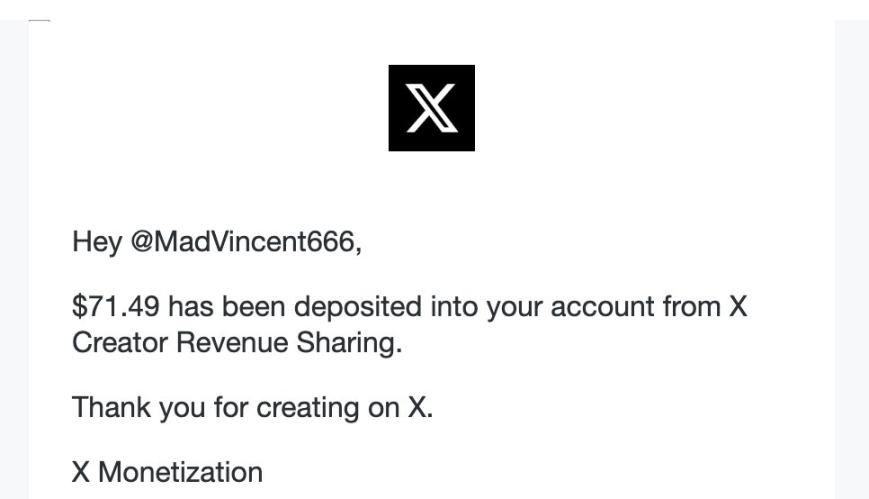
After 29 million impressions, the X platform paid me $71.49.

This is a warning. As of 2025, those still chasing impressions on the X platform are neither seizing the initiative nor working hard—they are just the bag holders of bot traffic.

The Lie Everyone Believes

At some point, the cryptocurrency community (CT) reached a consensus: "The higher the impressions, the more money you make." This was half-true in the past. But by 2025, it has become a complete fallacy.

Today, impressions are just a flashy vanity metric: they look glamorous and addictive but are utterly useless for actual earnings. They can make your data panel as beautiful as a bull market chart, but the corresponding bank deposit is pitifully small, akin to an abandoned small wallet.

I learned this lesson the hard way.
My Personal Experiment (A.K.A. How I Got Rekt)

In mid-December 2025, I launched this aggressive traffic experiment: posting over 200 comments daily, specifically targeting top accounts' posts to蹭热度 (ride on their popularity), without limiting myself to any vertical—a full-scale "indiscriminate bombardment."

Movies, gaming, politics, cryptocurrency, memes, sports... as long as it was a hot topic, I jumped in to comment.

Soon, my actions echoed on the platform: "Bro, I see you everywhere," "The algorithm must love you," "This data is explosive growth."

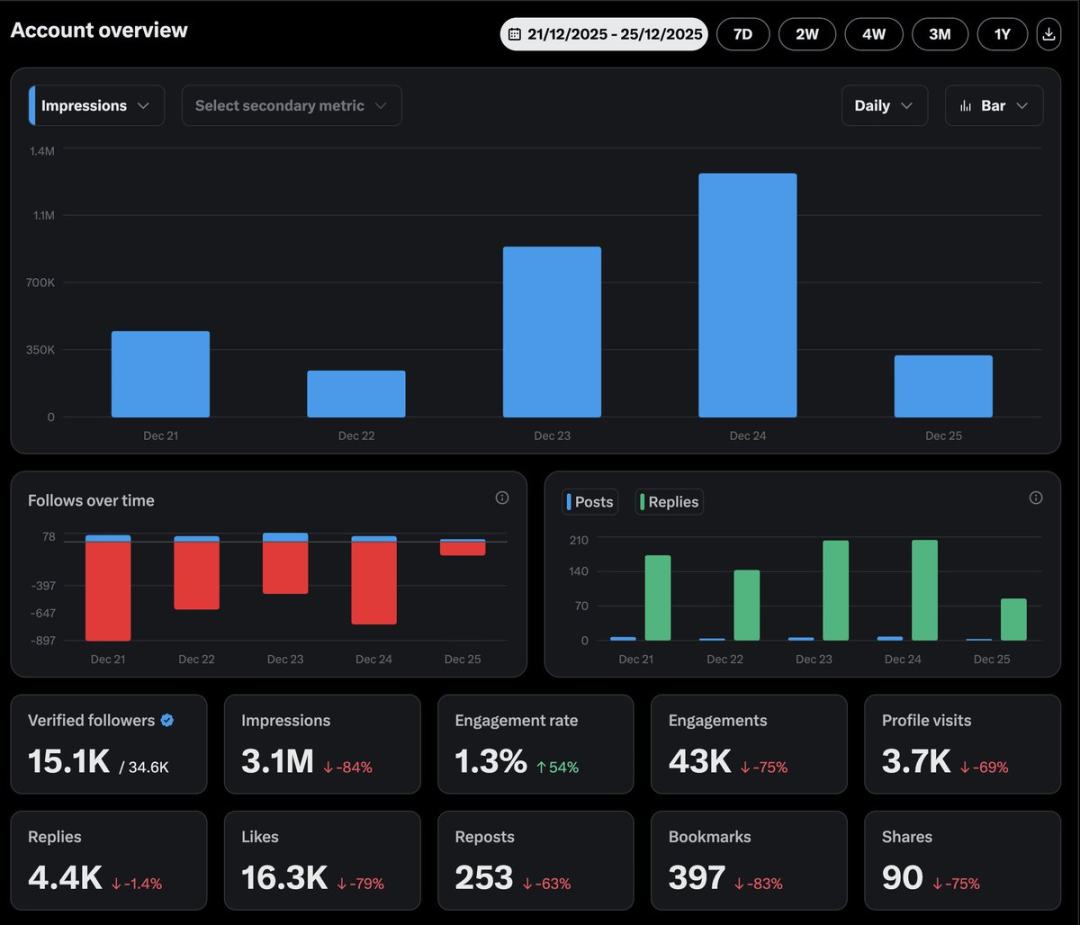
Now, let's look at the specific results: 28.9 million impressions, 267.7k engagements, 119.5k likes, 11.8k comments, 3.1k bookmarks, 20k profile visits, 37.5k followers, with verified users accounting for about 41%.

I only posted an average of 4 original pieces of content per day, with the rest of the traffic全靠 "comment section蹭热度" (relying entirely on comment section popularity chasing). Looking solely at the data panel, it was a crushing advantage. But when payday came, the deposit was only $71.49.

That's when it hit me: Impressions don't make money; high-quality paid user engagement is king.

The monetization logic of the X platform has long changed. It no longer rewards exposure but rather who engages with you.

If your engagement data doesn't come from paid verified users, it's no different from having no engagement at all.

The Real Monetization Rules of the X Platform in 2025

There's no mystery behind this; many just refuse to accept reality. The real monetization rules are as follows.

Only engagement types from paid verified users count towards monetization: comments, reposts, bookmarks, likes, and the engagement must occur within monetizable reply posts.

Some engagement types are无效 for monetization (ineffective for monetization): free user engagement, bot traffic, skyrocketing impressions without paid user participation, "fake viral hits" without paid user engagement.

One comment from a paid verified user might be worth far more than 100 bot likes.

Furthermore, engagement has varying weights; not all are equal. Comments and reposts carry the highest weight, followed by bookmarks, with likes being the lowest.

So, if your engagement data shows these characteristics: many likes, few comments, low percentage of verified users—then your account looks hot but has zero monetization value.

The Unmentioned Bot Traffic Trap

Chasing热度 (popularity) in the comment sections of top accounts seems like a shortcut to gaining followers, but it's actually a distribution engine for bot traffic.

Here's the real situation: Your comment gets pushed to a bot network → Impressions skyrocket → Engagement data looks healthy → Platform filters out all invalid traffic during settlement.

This is why the absurd result of "29 million impressions, only $71 earned" occurs. This isn't a system glitch; it's the precise execution of platform rules.

This Playstyle Is Ruining Your Account

This is not only an extremely low ROI practice but also causes irreversible damage to your account.

Bot Follower Pollution

In just a few days, my account gained over 2500 bot followers. These bots lower:

  • The percentage of verified users in your account

  • The platform's trust rating for you

  • Future settlement amounts

Audience Dilution

Your followers are no longer a targeted audience but become worthless "noise." The platform understands this, advertisers understand this, and ultimately, your earnings will reflect it directly.

Algorithmic Downgrade Penalty

Posting 200+ comments daily → Easily triggers rate limits. Content lacks vertical focus → Unable to send clear account labels to the algorithm. Eventually, your account gets flagged by the algorithm as a "suspected spam account."

Creator Burnout

You think you're dominating the platform's hot lists, but the bank deposit notification punches you in the gut. This is the moment most creators give up.

What I Did

I completely overturned my previous strategy: cleaned up 2500 bot followers, removed 5000 zombie followers, stopped the comment section热度 chasing operation, focused on building a genuine community of followers.

In the short term, account metrics did decline, but the long-term health of the account is recovering.

In the next settlement cycle, my account data showed new characteristics: lower impressions, higher quality engagement (check the engagement rate percentage), more precise follower growth, and significantly reduced creative pressure.
The Core Metrics Actually Worth Focusing On

If you want to make money on the X platform, aim for these targets:

  • 3%-5% engagement rate

  • High-engagement posts dominated by comments

  • 45%-50% verified user ratio

  • Consistent output of original content

It's okay to have fewer impressions; the key is high quality of engaging users. Achieve these, and you'll go from "Why are my earnings so terrible?" to "So this is how you achieve stable monetization."

The Final Truth

Impressions are like the song of the Sirens: they make you think you've seized the initiative, make you feel like you're the platform's focus, and give you an illusion of "importance."

But they don't bring a single cent of profit. What monetizes is the engagement from high-quality paid users. In 2025, the X platform will not reward "traffic speculators"; it will only reward "content builders."


Câu hỏi Liên quan

QWhat was the author's total earnings from 29 million impressions on X platform?

AThe author earned only $71.49 from 29 million impressions on the X platform.

QAccording to the author, what is the key to earning money on X platform in 2025?

AThe key is high-quality interactions from paid users, not just high impression counts.

QWhat types of user interactions are considered valuable for monetization on X platform?

AValuable interactions are those from paid, verified users, specifically comments, reposts, bookmarks, and likes. Interactions from free users or bots are filtered out and are worthless for monetization.

QWhat negative consequences did the author experience from chasing impressions by spamming comments?

AThe author gained over 2500 bot followers, diluted their audience with 'noise', risked algorithm downgrades for being flagged as spam, and experienced creator burnout.

QWhat are the core metrics the author suggests focusing on for successful monetization?

AThe core metrics are a 3%-5% engagement rate, high-quality interactions (especially comments), a 45%-50% verified user ratio among followers, and a focus on creating original content.

Nội dung Liên quan

Từ Vàng Đến Bitcoin: Nguồn Cung Cố Định + Sự Cuồng Nhiệt Của Tổ Chức, Có Tái Diễn Diễn Biến Giá 'Bùng Nổ'?

Bài viết phân tích triển vọng giá Bitcoin thông qua viễn cảnh so sánh với quỹ ETF vàng (GLD). ETF vàng ra mắt năm 2004, đã chứng kiến giá vàng tăng mạnh trong 20 năm, đạt vốn hóa gần 28 nghìn tỷ USD, dù trải qua chu kỳ tăng trưởng rồi điều chỉnh mạnh. Chuyên gia Eric Balchunas cho rằng lộ trình này có thể lặp lại với ETF Bitcoin: một giai đoạn tăng vọt ban đầu, sau đó là đợt điều chỉnh sâu và phục hồi chậm, nhưng đáy mỗi chu kỳ được nâng cao. Bitcoin, tương tự vàng, là công cụ lưu trữ giá trị không sinh lãi với nguồn cung gần cố định, giá cả phụ thuộc vào tâm lý nhà đầu tư. Việc phê duyệt ETF Bitcoin đầu năm 2024 đã thu hút mạnh dòng tiền tổ chức, nhưng cũng dẫn đến biến động lớn, như việc BlackRock's IBIT đã bán gần 100.000 Bitcoin gần đây. Dù giá Bitcoin đã giảm hơn 50% từ đỉnh tháng 10/2025, nhiều nhà phân tích lạc quan về nhu cầu tổ chức bền vững từ ETF và việc các doanh nghiệp đa dạng hóa danh mục. Kết luận, nếu Bitcoin có thể bắt chước một phần hành trình của vàng với tư cách là nơi lưu trữ giá trị, tiềm năng tăng giá vẫn rất lớn, dù hành trình đó sẽ đi kèm với sự biến động mạnh mẽ đặc trưng của thị trường tiền mã hóa.

Foresight News4 phút trước

Từ Vàng Đến Bitcoin: Nguồn Cung Cố Định + Sự Cuồng Nhiệt Của Tổ Chức, Có Tái Diễn Diễn Biến Giá 'Bùng Nổ'?

Foresight News4 phút trước

Sau 9 tháng bán khống, chuyển sang toàn diện mua vào, nhà giao dịch nổi tiếng xây dựng vị thế Bitcoin quanh mức 64k, sự phân hóa tâm lý thị trường crypto gia tăng

Sau 9 tháng làm ròng, trader nổi tiếng Doctor Profit tuyên bố đóng toàn bộ vị thế bán và bắt đầu mua Bitcoin ở mức ~64.000 USD. Ông lập luận rằng các yếu tố cơ bản như luật CLARITY, sự tham gia của các tổ chức tài chính lớn và làn sóng mã hóa tài sản có thể khiến đáy chu kỳ 4 năm đến sớm hơn dự kiến. Phân tích kỹ thuật từ chuyên gia on-chain gumsays cho thấy sự phân kỳ tăng trên biểu đồ tuần đã kéo dài 147 ngày, gần với mức 161 ngày trước khi hình thành đáy năm 2022. Tuy nhiên, nhà nghiên cứu Jake Pahor đưa ra quan điểm đối lập. Dựa trên dữ liệu lịch sử, ông chỉ ra rằng mọi đáy thị trường gấu từ năm 2014 đều đáp ứng ba điều kiện: thời gian kéo dài ~12 tháng, chỉ số sợ hãi cực đoan (dưới 20) kéo dài, và giá phá vỡ "Giá thực hiện" (hiện ~53.000 USD). Chu kỳ hiện tại chưa đạt điều kiện nào trong số này. Thị trường đang chia rẽ giữa phe "mua sớm" tin vào sự thay đổi cấu trúc và phe "chờ tín hiệu xác nhận" tuân theo khuôn mẫu lịch sử. Giá Bitcoin hiện quanh 64.800 USD, nằm ngay trên đường trung bình 200 tuần (~63.000 USD) trong bối cảnh chỉ số Fear & Greed ở mức 25 (Sợ hãi tột độ).

marsbit1 giờ trước

Sau 9 tháng bán khống, chuyển sang toàn diện mua vào, nhà giao dịch nổi tiếng xây dựng vị thế Bitcoin quanh mức 64k, sự phân hóa tâm lý thị trường crypto gia tăng

marsbit1 giờ trước

Lời chia sẻ của một trader kỳ cựu: Làm thế nào để giao dịch với kỳ vọng sai lầm của thị trường?

**Tóm tắt: Giao dịch "Kỳ vọng Sai lầm" từ một Trader Kỳ cựu** Đây là một giao dịch điển hình về "kỳ vọng sai lầm" của thị trường. Khi dữ liệu CPI yếu được công bố, thị trường lập tức phản ứng tích cực, cho rằng chính sách tiền tệ sẽ nới lỏng và đẩy chỉ số Nasdaq (NQ) lên cao. Tuy nhiên, lãi suất thực dài hạn (30 năm) ngay trong đêm đó đã tăng lên mức cao nhất trong 20 năm. Điều này cho thấy một sự "từ chối" ở phía dài hạn: thị trường vốn dài hạn không hề rẻ đi như kỳ vọng. Các công ty công nghệ vốn phụ thuộc vào vốn vay dài hạn để phát triển sẽ bị ảnh hưởng nặng nề, và trần định giá cho nhóm cổ phiếu này đã bị khóa chặt. Trader này đã thực hiện năm lệnh bán khống NQ, tận dụng đợt giảm từ 30060 xuống 28768 điểm. Phương pháp cốt lõi là: **không chỉ nhìn vào dữ liệu, mà phải phân tích xem thị trường *nghĩ* dữ liệu đó sẽ tác động thế nào, và sau đó kiểm tra xem cơ chế tác động đó có còn hiệu lực hay không.** Bài học chính: Thị trường thường phản ứng theo các "hàm phản ứng cũ" đã thành thói quen (ví dụ: dữ liệu yếu = lãi suất giảm = cổ phiếu công nghệ tăng). Khi bối cảnh vĩ mô thay đổi (ví dụ: áp lực lãi suất dài hạn dai dẳng), các mối quan hệ nhân quả cũ này có thể bị phá vỡ. Cơ hội Alpha không nhất thiết đến từ việc biết thông tin sớm hơn, mà đến từ việc nhận ra sự sai lệch giữa kỳ vọng của đám đông (dựa trên hàm phản ứng cũ) với thực tế mới của thị trường. Tóm lại, hãy luôn tự hỏi: **Phản ứng đầu tiên của thị trường đang dựa trên chuỗi nguyên nhân-kết quả nào? Và chuỗi đó, hôm nay có còn đúng không?**

marsbit1 giờ trước

Lời chia sẻ của một trader kỳ cựu: Làm thế nào để giao dịch với kỳ vọng sai lầm của thị trường?

marsbit1 giờ trước

Quan điểm: Mối quan hệ phòng hộ giữa trái phiếu Mỹ và thị trường chứng khoán đã mất hiệu lực, BTC với tư cách là tài sản rủi ro chịu áp lực kép

Tác giả: CryptoSlate / Andjela Radmilac Biên dịch: TechFlow sâu Dẫn nhập: Mối quan hệ phòng hộ truyền thống trong 20 năm qua, theo đó trái phiếu Mỹ tăng khi thị trường chứng khoán giảm và ngược lại, đã hoàn toàn thất bại. Hiện tại, cả hai đang giảm đồng thời, điều này đồng nghĩa với việc "bộ giảm xóc" cuối cùng trong danh mục đầu tư đã biến mất. Bitcoin, với tư cách là tài sản rủi ro ở đầu xa nhất của đường cong, đang phải chịu áp lực kép. Trong hai thập kỷ qua, nhà đầu tư Mỹ được hưởng một loại bảo hiểm miễn phí: trái phiếu kho bạc tăng khi cổ phiếu giảm, giúp bù đắp một phần tổn thất. Cơ chế này đã ngừng hoạt động từ khoảng năm 2020 và chưa được phục hồi. UBS tính toán hệ số tương quan hai tháng giữa chỉ số S&P 500 và lợi suất trái phiếu 10 năm Mỹ là -0.69, mức thấp nhất kể từ năm 1996, cho thấy mức độ biến động đồng bộ chưa từng có trong 30 năm. Lý do chính cho sự thay đổi này là lạm phát. Khi yếu tố tăng trưởng chi phối, cổ phiếu và trái phiếu biến động ngược chiều. Tuy nhiên, kể từ năm 2022, lạm phát đã trở thành yếu tố chủ đạo, và sự biến động của lạm phát (chứ không phải mức độ tuyệt đối) mới là vấn đề then chốt khiến cả hai tài sản cùng chịu áp lực giảm. Các nhà đầu tư hiện đang tìm kiếm sự an toàn mà không có rủi ro thời hạn (duration risk), chuyển sang nắm giữ tiền mặt, tín phiếu và trái phiếu ngắn hạn, trong khi bán ra các trái phiếu dài hạn. Vị trí của Bitcoin lúc này rất nhạy cảm với điều kiện vĩ mô. BTC thường hoạt động tốt khi lợi suất thực giảm, USD suy yếu và điều kiện tài chính nới lỏng. Việc thị trường trái phiếu giảm đã đồng thời loại bỏ ba yếu tố hỗ trợ này. Lợi suất không rủi ro cao hơn làm tăng chi phí cơ hội của việc nắm giữ tài sản không trả lãi như Bitcoin, trong khi cổ phiếu giảm làm giảm khẩu vị rủi ro. Điều này khiến Bitcoin phải hấp thụ cả hai loại áp lực cùng lúc. Vấn đề của Bitcoin là các điều kiện củng cố logic dài hạn của nó (như thâm hụt ngân sách và gánh nặng lãi suất cao) lại gây tổn hại cho nó trong ngắn hạn. Cho đến khi biến động lạm phát giảm bớt và rủi ro tăng trưởng trở lại thành yếu tố chủ đạo, Bitcoin sẽ tiếp tục giao dịch trong một thị trường mà loại tài sản có tính thanh khoản sâu nhất thế giới không còn đóng vai trò hấp thụ cú sốc. Điều này làm mất đi tấm đệm phía dưới mọi tài sản rủi ro, và những tài sản không trả bất kỳ khoản nào để chờ đợi sẽ bị ảnh hưởng nhanh nhất.

marsbit1 giờ trước

Quan điểm: Mối quan hệ phòng hộ giữa trái phiếu Mỹ và thị trường chứng khoán đã mất hiệu lực, BTC với tư cách là tài sản rủi ro chịu áp lực kép

marsbit1 giờ trước

Giao dịch

Giao ngay
活动图片