# Пов'язані статті щодо Fed

Центр новин HTX надає останні статті та поглиблений аналіз на тему "Fed", що охоплює ринкові тренди, оновлення проєктів, технологічні розробки та регуляторну політику в криптоіндустрії.

Bitcoin Approaches the $80,000 Mark! Will This Rise Continue? Analysts Warn!

Bitcoin's recent surge is nearing the $80,000 mark, but analysis from CoinShares suggests the price could retreat below this level in the short term. According to the firm, a sustained breakthrough above $80,000 would require a clear signal from the U.S. Federal Reserve that it will not enact further monetary policy tightening. The report attributes Bitcoin's recent gains primarily to macroeconomic conditions, specifically moderated U.S. inflation and weakening labor market data, which have reduced expectations for more aggressive Fed actions. Despite hawkish tones in recent FOMC meeting minutes, subsequent data has further diminished the likelihood of additional policy tightening. Bitcoin, being sensitive to liquidity expectations and real interest rate changes, reacted sharply to these developments. Market indicators show a decline in short-term U.S. Treasury yields, suggesting investors do not anticipate further rate hikes. Conversely, high 30-year Treasury yields reflect persistent concerns about U.S. fiscal prospects and debt sustainability. Analysts note that this combination of expected monetary easing and long-term bond market worries has historically created a favorable environment for Bitcoin. The rally was partly fueled by large-scale short position liquidations, with blockchain data indicating renewed accumulation by major investors. However, CoinShares warns that the $80,000 level will likely remain a critical resistance ceiling unless the Fed explicitly confirms a shift in policy risks.

cryptonews.ru2 дні тому 18:55

Bitcoin Approaches the $80,000 Mark! Will This Rise Continue? Analysts Warn!

cryptonews.ru2 дні тому 18:55

QCP Capital Explains Bitcoin's Sharp Rise as Due to Falling U.S. Long-Term Bond Yields

QCP Capital's latest report explains Bitcoin's sharp rally from $64,000 to $79,000 in four sessions. Analysts attribute the surge to a reversal in the US long-term bond market. A sell-off pushed the yield on 30-year Treasuries near a 2007 high (~5.33%), prompting the US Treasury to announce expanded bond buybacks for liquidity support. This caused bond yields to fall, the dollar to weaken, and Bitcoin and gold to rise. QCP emphasizes this is not quantitative easing but a targeted liquidity measure. The pressure on long-term bonds is global, with yields rising in Japan and Europe. Competition for capital between sovereign debt and massive AI infrastructure financing is also cited. The initial Bitcoin breakout was driven by short covering rather than massive liquidations. However, the rally was later sustained by significant spot demand, including a $517 million net inflow into US spot Bitcoin ETFs—the largest since May. Options markets reacted, with Bitcoin's implied volatility rising sharply. Key upcoming events include July's US PCE inflation data and the Federal Reserve's Jackson Hole symposium. For crypto, QCP notes that while bond yields partially retraced their drop, Bitcoin and gold held most of their gains, highlighting their sensitivity to long-term yield and dollar movements. The report concludes that liquidity conditions, sovereign borrowing, and debt costs are now significantly influencing multiple asset classes, including crypto.

cryptonews.ru2 дні тому 14:23

QCP Capital Explains Bitcoin's Sharp Rise as Due to Falling U.S. Long-Term Bond Yields

cryptonews.ru2 дні тому 14:23

Treasury Department Directly Intervenes to Suppress Long-Term Interest Rates

The article discusses the U.S. Treasury's recent direct intervention to suppress long-term bond yields through buyback operations. While distinct from traditional Yield Curve Control (YCC), this move is interpreted as direct government intervention in its own financing costs. The author emphasizes the short-term tactical nature of this action and contrasts it with the Federal Reserve's upcoming, potentially divergent, policy stance at Jackson Hole. The core issue is framed as a long-term U.S. strategic dilemma: managing high deficit levels. The analysis argues that deficit reduction cannot realistically come from spending cuts or traditional industries, but must rely on achieving higher economic growth driven by technological breakthroughs. Current monetary tightening, while possibly curbing yields and inflation in the short term, is seen as potentially counterproductive to this necessary long-term investment in technology and supply chain resilience. The piece draws historical parallels, placing the current intervention between the 2000-2002 Treasury buybacks (for liquidity) and larger-scale Fed-led "Operation Twist" maneuvers. The effectiveness of the Treasury's action is deemed limited without Federal Reserve cooperation, which would signify a more significant policy shift. Ultimately, the author views such technical, bureaucratic interventions as treating symptoms rather than the underlying disease of the U.S. economy's structural challenges and "K-shaped" divergence. The conclusion suggests that sustained yield suppression by the Fed, combined with specific geopolitical outcomes, could serve as a catalyst for a more profound discussion on broader U.S. and dollar trajectory.

marsbit2 дні тому 03:36

Treasury Department Directly Intervenes to Suppress Long-Term Interest Rates

marsbit2 дні тому 03:36

US Stock Market Trends (August 21): Long-Term Bond Repo Fails, Walmart's Warning Drags Dow Down 700 Points

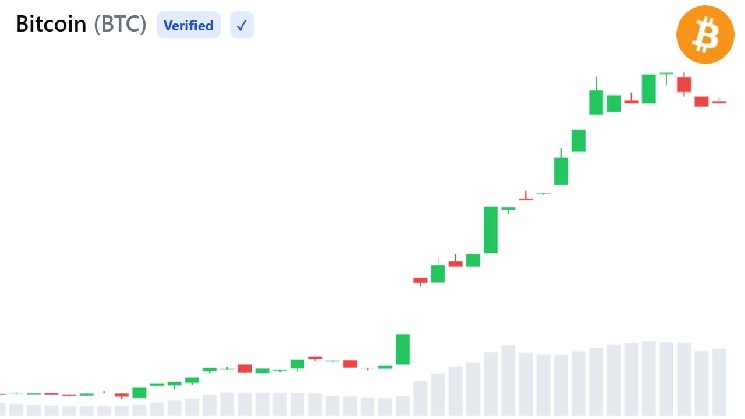
**U.S. Market Trends (Aug 21): Long-Term Bond Relief Fizzles, Walmart Drags Dow Down 700 Points** U.S. stocks fell sharply, with the Dow plunging over 700 points, as relief from the Treasury's long-term bond buyback plan proved fleeting. Major indexes declined as long-end Treasury yields and oil prices resumed their upward climb, reigniting inflation fears and pressure on high-valuation assets. The key catalyst was the rapid reversal in the bond market. The Treasury's expanded buyback program briefly calmed markets, but 30-year yields quickly rebounded near 5.26%, approaching recent 20-year highs. This signaled that liquidity interventions cannot overcome structural pressures from massive U.S. debt, fiscal deficits, and competing capital demands from AI infrastructure spending. Simultaneously, rising oil prices (WTI +2.3%) on geopolitical tensions renewed inflation concerns, squeezing consumer spending power. This pressure was highlighted by Walmart's 9% stock plunge. Despite beating earnings estimates, its weak U.S. same-store sales growth and lowered annual guidance exposed caution among lower-income consumers. Tech stocks faced broad pressure. The "Magnificent Seven" giants broadly declined, with Moderna crashing over 23% a day after a massive rally on vaccine trial news, exemplifying swift profit-taking. However, select semiconductor names (e.g., Marvell, Micron) gained on specific AI-related catalysts, indicating a more discerning market moving beyond hype to scrutinize real cash flows and capital expenditure sustainability. Bitcoin surged past $72,000, while gold seesawed near $4,500/oz. Alibaba's earnings showed strong AI cloud revenue growth but significant cash outflow due to infrastructure investments. The market's core takeaway is that Treasury actions provide only temporary relief, not a trend reversal. Focus now shifts to whether long-term yields can stabilize below 5.3% and to upcoming Federal Reserve commentary for clues on the rate path. Sustainable equity recovery hinges on the bond market calming and major tech stocks showing concurrent strength.

marsbit2 дні тому 02:01
US Stock Market Trends (August 21): Long-Term Bond Repo Fails, Walmart's Warning Drags Dow Down 700 Points

marsbit2 дні тому 02:01

Analysts Assess Bitcoin's Recent Surge: Reality or Trap?

In a recent market analysis program hosted by Benjamin Cowen, experts discussed Bitcoin's surge past $70,000, peaking at $72,000. They attributed the initial spike largely to a massive short squeeze, with around $2.6 billion in short positions liquidated. However, analysts like Guy argued this alone is insufficient for a sustained bull run; consistent spot market buying is needed. A net inflow of over half a billion dollars into spot Bitcoin ETFs was noted positively. The $65,000-$67,000 range, previously resistance, is now viewed as potential strong support. The market also reacted to US Treasury Secretary Scott Bessent's announcement of doubling bond buyback operations to support liquidity, seen as a key confidence signal. Against a backdrop of high US debt nearing $40 trillion and geopolitical tensions, analysts noted a continued investor shift toward hard assets like Bitcoin and gold as a hedge against fiat devaluation. Regarding altcoins, analysts observed a recovery in Ethereum's ratio against Bitcoin (ETH/BTC) and growing institutional interest in ETH, particularly for staking. They suggested the era of broad-based "rising tide" altcoin rallies may be over, with the market entering a phase where only projects with real utility and liquidity will thrive. Finally, on monetary policy, analysts cautioned that inflationary pressures and geopolitical risks persist. While noting actions by other central banks, they did not rule out the possibility of a future US Federal Reserve rate hike. *This is not investment advice.

cryptonews.ru08/20 21:31

Analysts Assess Bitcoin's Recent Surge: Reality or Trap?

cryptonews.ru08/20 21:31

The U.S. Treasury Department Doubles Treasury Repurchases to Stabilize the Market, But U.S. Stocks Only Edge Up Slightly — Is the Real Signal Hidden in Bitcoin?

The US Treasury significantly boosted its long-term bond repurchase program to curb surging yields, sparking a notable rally in Bitcoin while leaving the stock market with only modest gains. Facing high long-term bond yields that pressured equities, especially tech stocks, the Treasury announced it would double the maximum size of its repurchases for 10- to 30-year bonds. This move, seen as the government stepping in to provide liquidity and stabilize confidence, initially pushed bond yields lower. However, the market reaction was unusual. While liquidity-sensitive Bitcoin surged from around $64,000 toward $70,000, major US stock indices posted only minor gains. Previously high-flying AI-related sectors like semiconductors continued to weaken, largely ignoring the news. The article interprets Bitcoin's sharp rise as the key signal, reflecting its role as a gauge for dollar liquidity. The Treasury's action is seen as injecting fresh money into the system. While stocks remain preoccupied with sector-specific concerns, Bitcoin immediately priced in this loosening of financial conditions. This shift suggests the market's underlying dynamic may be transitioning from a fight for existing capital to an expectation of new inflows, potentially broadening the rally beyond the concentrated AI trade that dominated recent months.

marsbit08/20 11:01

The U.S. Treasury Department Doubles Treasury Repurchases to Stabilize the Market, But U.S. Stocks Only Edge Up Slightly — Is the Real Signal Hidden in Bitcoin?

marsbit08/20 11:01

Arthur Hayes: Awaiting Fed Signal, Replenishing Ammo to Position for Crypto Bull Market

Arthur Hayes, co-founder of BitMEX, argues that the yen is significantly undervalued and analyzes three potential paths for its appreciation. He dismisses the first two options—the Bank of Japan raising interest rates or Japanese institutions selling foreign assets—as politically or economically unfeasible. Instead, he identifies the preferred method: Japan's Ministry of Finance (MOF) using the Federal Reserve's FIMA (Foreign and International Monetary Authorities) repo facility to borrow dollars against its U.S. Treasury holdings, then selling those dollars to buy yen in the forex market. Hayes explains that U.S. Treasury Secretary "Besant" has already called for removing the FIMA per-counterparty limit to enable this. The execution depends on Fed Chair "Warsh" convening a subcommittee to adjust the FIMA rules. Hayes is confident this will happen, signaling a major shift in USD/JPY dynamics and the end of the "cheap" yen era. He connects this potential massive dollar liquidity injection directly to a surge in asset prices, particularly Bitcoin, physical gold, and gold miners' stocks, drawing parallels to the Fed's balance sheet expansion during COVID-19. Within crypto, besides Bitcoin, he views Ethereum as undervalued and highlights Ethena (ENA) as a high-potential, speculative altcoin that could see 5-10x returns if liquidity increases and boosts Bitcoin basis trade yields. Hayes concludes he is waiting for the Fed's signal to fully deploy capital, anticipating a significant crypto bull market.

marsbit08/20 03:57

Arthur Hayes: Awaiting Fed Signal, Replenishing Ammo to Position for Crypto Bull Market

marsbit08/20 03:57

活动图片