Автор: Ben Dooley
Компиляция: Deep Chao TechFlow
Введение от Deep Chao: Криптобатоматы, которые раньше можно было встретить в каждом углу американских магазинов, сейчас массово исчезают под давлением регуляторов. Крупнейший в мире оператор криптобатоматов Bitcoin Depot 18 мая подал заявление о защите от банкротства, все его примерно 9700 устройств прекратили работу. Прямой причиной стали новые ограничения на сумму сделок, приостановка лицензий и иски о мошенничестве, введенные в разных штатах — по данным ФБР, в 2025 году потребители потеряли 389 миллионов долларов в результате мошенничества через криптобатоматы. Этот репортаж от ICIJ (Международного консорциума журналистов-расследователей) восстанавливает процесс расширения и краха этой публичной компании.
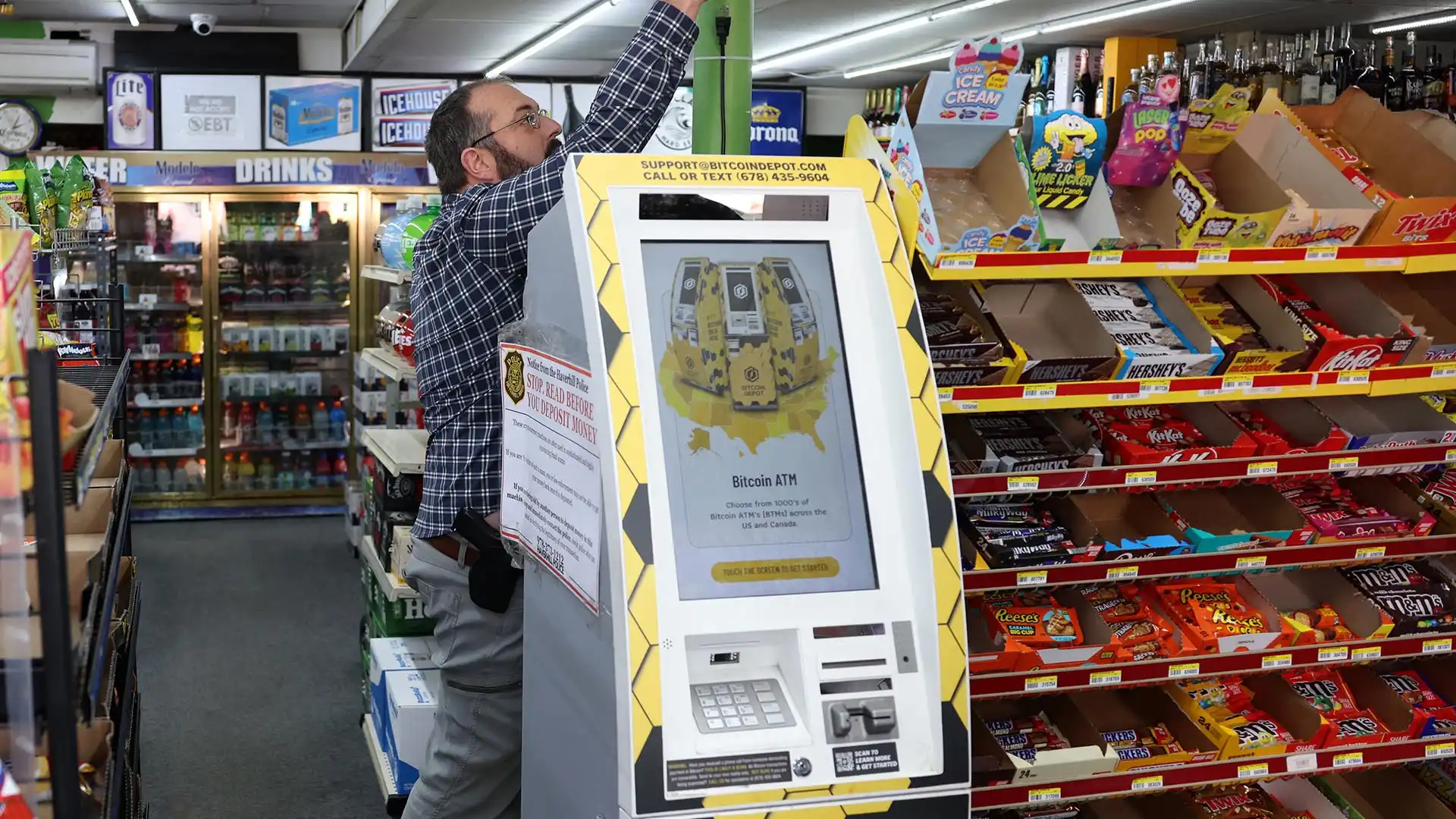
Подпись к фото: 6 апреля 2026 года, в магазине в Хаверхилле, штат Массачусетс, полицейский отключает питание криптобатомата Bitcoin Depot.
Источник фото: Jessica Rinaldi/The Boston Globe via Getty Images
Bitcoin Depot, ранее бывший крупнейшим в мире оператором криптовалютных банкоматов, 18 мая официально подал заявление о защите от банкротства. Эта компания, долгое время обвинявшаяся в пособничестве мошенничеству, нанесла еще один удар по индустрии.
Генеральный директор Алекс Холмс в заявлении на сайте компании сообщил, что все около 9700 криптобатоматов компании отключены, и компания прекращает работу.
Холмс объяснил причину «все более строгими регуляторными требованиями, включая новые лимиты на транзакции, а также прямые ограничения или запреты на криптобатоматы в некоторых юрисдикциях», которые сделали бизнес-модель компании неустойчивой.
За последний год местные власти и власти штатов по всей Америке резко ужесточили регулирование криптобатоматов. Эти устройства, похожие на банкоматы, предназначены для обмена наличных на криптовалюту. Обеспокоенные тем, что эти машины становятся инструментами мошенничества, регуляторы начали расследования в отношении операторов.
По данным ФБР, в 2025 году потребители потеряли 389 миллионов долларов из-за мошенничества через криптобатоматы. Мошенники используют эти устройства для быстрого перевода средств жертв за границу, вне досягаемости американских правоохранительных органов.
Под давлением нескольких штатов за полгода, квартальная выручка упала почти на 50%
Как крупнейший оператор криптобатоматов, Bitcoin Depot стал главной мишенью регуляторов. Насколько интенсивными были удары за последние шесть месяцев?
Штат Коннектикут аннулировал банковскую лицензию Bitcoin Depot из-за неэффективного контроля за отмыванием денег; генеральный прокурор штата Миссури начал расследование в отношении этой компании и других предприятий, работающих с криптобатоматами; штаты Невада и Мэн заключили с компанией соглашения по правоприменению, потребовав уплаты штрафов и соблюдения правил штата. Генеральный прокурор штата Массачусетс подал в суд на Bitcoin Depot, обвинив ее в том, что большая часть ее доходов поступает от криптомошенничества. Офис генерального прокурора штата Айова также подал иск.
Финансовые отчеты отражают шокирующие цифры. В документах, поданных Bitcoin Depot в SEC в начале этого месяца, говорится, что выручка за квартал, закончившийся в марте, упала почти на 50% по сравнению с аналогичным периодом прошлого года. Основными причинами стали «запреты или ограничения на криптобатоматы, установление потолка комиссий, ограничения на суммы транзакций со стороны штатов и муниципалитетов», а также вынужденные «более строгие» меры по соответствию нормам и борьбе с мошенничеством, принятые самой компанией, такие как усиление процедур KYC (знай своего клиента).
В феврале этого года компания объявила, что для всех транзакций будет требоваться проверка личности клиента. Это усложнило мошенникам использование этих устройств, но также отпугнуло многих пользователей.
Впутан в судебные разбирательства, юридические расходы растут как снежный ком
В то время как выручка резко падает, Bitcoin Depot также несет огромные юридические расходы. Согласно документам о банкротстве, компания столкнулась с несколькими судебными исками, которые указывают на одну и ту же проблему: недостаточность принятых мер для предотвращения мошеннических транзакций через ее устройства. Кроме того, арбитражное решение в конце 2025 года, связанное с деловым спором с канадской дочерней компанией, обязало компанию выплатить почти 19 миллионов долларов в качестве компенсации.
Совместное расследование ICIJ и CNN в 2025 году показало, что мошеннические транзакции на сумму не менее 1,5 миллиона долларов были совершены через сотни устройств Bitcoin Depot, установленных в магазинах Circle K. Bitcoin Depot платил Circle K миллионы долларов арендной платы, получая при этом комиссию с каждой транзакции.
Расследование показало, что руководство Circle K знало об этой проблеме, но продолжало сотрудничать с Bitcoin Depot.





















