Оригинал | Odaily Planet Daily (@OdailyChina)
Автор | Asher (@Asher_0210)

В текущих условиях крипторынка, если и есть альткойн, который может взволновать рынок, то это, вероятно, HYPE.
Данные рыночной конъюнктуры показывают, что курсы HYPE к BTC и BNB продолжают обновлять исторические максимумы, HYPE/BTC в настоящее время торгуется на уровне 0.0006249, HYPE/BNB — на уровне 0.075. Это означает, что сила HYPE — не просто следование рыночному отскоку, а устойчивое превосходство над такими основными криптоактивами, как BTC и BNB.
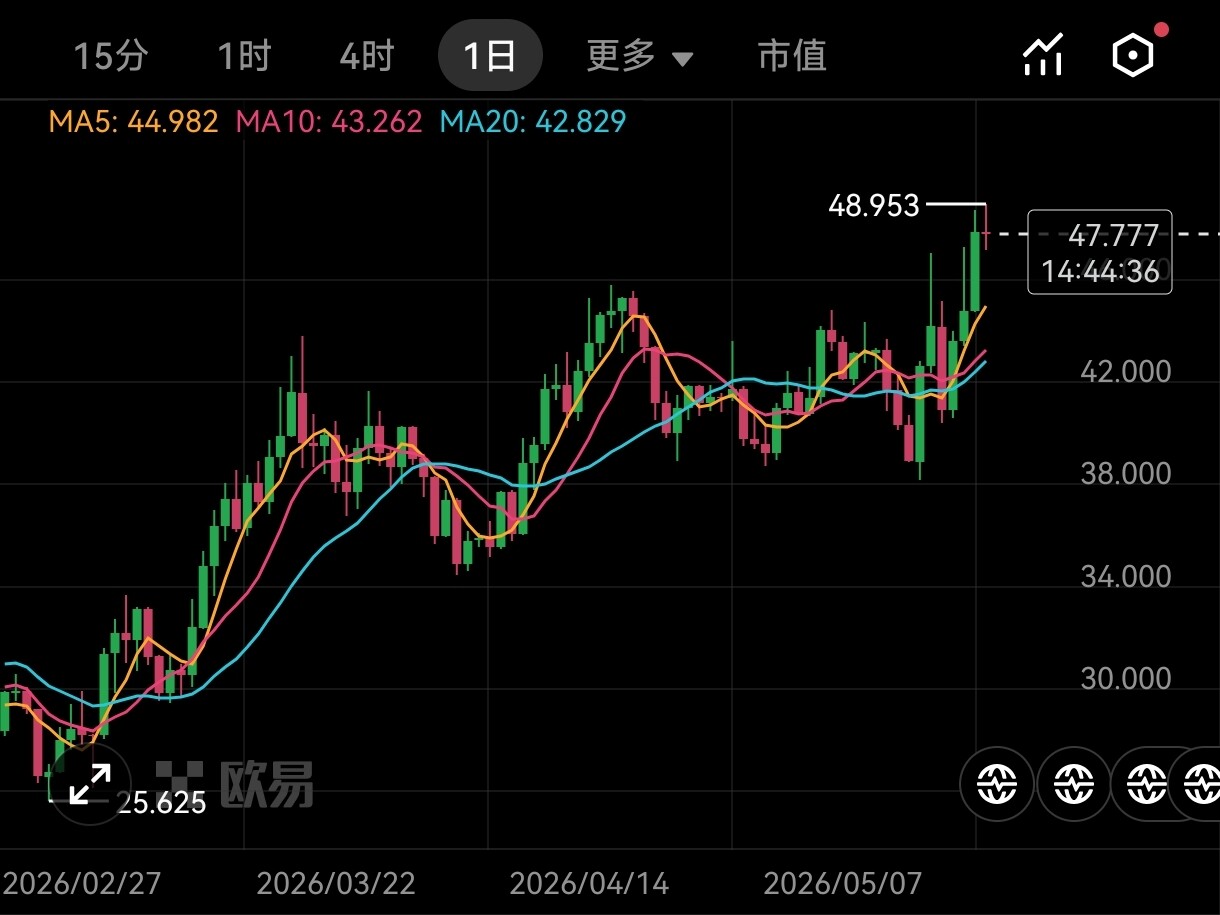
Раньше восприятие Hyperliquid внешним миром в основном ограничивалось высокопроизводительным Perp DEX. Но теперь деньги явно инвестируют не просто в токен платформы для децентрализованной торговли, а делают ставку на то, что Hyperliquid сможет вместить больше типов активов, больше ликвидности и больше торговых сценариев в одну и ту же систему ончейн-торговли.
Ценовые показатели HYPE также отражают то, как рынок начинает заново осознавать ценность Hyperliquid.
В этой статье Odaily Planet Daily разберет логику его роста с помощью нескольких ключевых изменений.
От THYP до BHYP: открываются ли институциональные каналы покупки HYPE?
Первым внешним катализатором недавнего роста HYPE стало открытие каналов ETF.
В настоящее время две управляющие компании уже начали выпускать ETF-продукты на основе Hyperliquid. 12 мая 21Shares выпустила ETF на Hyperliquid под тикером THYP; 15 мая Bitwise выпустила ETF на Hyperliquid под тикером BHYP. Данные показывают, что по состоянию на 18 мая (по восточному времени США) общий чистый приток средств в ETF THYP на Hyperliquid от 21Shares достиг 12,901 млн долларов; общий чистый приток в ETF BHYP на Hyperliquid от Bitwise достиг 2,0446 млн долларов.
Что еще более важно, Bitwise не остановилась на выпуске ETF. Вчера Bitwise объявила, что будет использовать 10% дохода от комиссий за управление своим ETF BHYP на Hyperliquid для удержания HYPE на корпоративном балансе, а также будет стейкать эти холдинги HYPE.
Это превращает повествование об ETF из простого запуска продукта в потенциальный источник постоянного спроса на покупку. Чем больше размер ETF и выше доход от комиссий за управление, тем больше, теоретически, сумма, которую Bitwise будет использовать для наращивания позиций в HYPE. В краткосрочной перспективе эти средства могут не сразу повлиять на цену; но в долгосрочной перспективе это связывает рост ETF, доход управляющей компании и холдинги HYPE.
Другими словами, ETF предоставляет HYPE не разовую популярность, а новый канал притока капитала. HYPE начинает превращаться из нативного криптоактива в токен платформы для ончейн-торговли, в ценообразовании которого могут участвовать и традиционные деньги.
Возвращение USDC в Hyperliquid: более 400 000 долларов потенциального ежедневного спроса на покупку HYPE
Второй причиной недавнего роста HYPE является то, что после возвращения USDC в Hyperliquid рынок начал заново оценивать потенциальный стабильный доход протокола в будущем и возможность направления этой части дохода на обратный выкуп HYPE.
Согласно официальному заявлению Hyperliquid, Coinbase выступит в роли оператора капитала, Circle будет отвечать за развертывание CCTP и нативной кросс-чейн инфраструктуры, и обе стороны обязались стейкать HYPE для активации AQAv2. Это означает, что возвращение USDC — не просто обычное подключение стейблкоина, а новый механизм, созданный Coinbase, Circle и Hyperliquid вокруг нативного USDC, кросс-чейн ликвидности и распределения доходов от резервов.
Ключевой момент заключается в том, что в дальнейшем Coinbase будет делиться большей частью доходов от резервов USDC с протоколом Hyperliquid. Хотя официально конкретная пропорция распределения еще не объявлена, если ориентироваться на предыдущий механизм распределения доходов от USDH, Hyperliquid фактически может получать около 90% доходов от резервов. Поэтому рынок также рассматривает AQAv2 как механизм распределения доходов от резервов USDC, установленный протоколом Hyperliquid.
Согласно оценкам сообщества, при размере резервов в 4,7 млрд долларов и годовой доходности 3,8%, доходы от резервов USDC составят около 160 млн долларов в год, что эквивалентно примерно 440 000 долларов ежедневного спроса на обратный выкуп HYPE. Как только интерфейс AQAv2 будет доработан и официально заработает, Hyperliquid больше не будет зависеть только от торговых комиссий для обратного выкупа HYPE, а может получить дополнительный относительно стабильный источник денежного потока.
Это именно то место, где возвращение USDC действительно влияет на оценку HYPE. Раньше интенсивность обратного выкупа HYPE в основном зависела от объемов торгов: чем активнее торговля, тем выше доход протокола и способность к обратному выкупу; но с добавлением доходов от резервов USDC источник спроса на покупку HYPE перестал зависеть только от торговых комиссий и стал также зависеть от того, сколько стейблкоин-средств Hyperliquid может аккумулировать. Другими словами, обратный выкуп за счет торговых комиссий отражает активность торгов на платформе, а обратный выкуп за счет доходов от резервов USDC отражает способность платформы аккумулировать капитал. Рынок переоценивает HYPE, возможно, именно потому, что наблюдает, как история обратного выкупа HYPE больше не зависит только от торговой активности.
Hyperliquid интегрирует HIP-4 и также вторгается в бизнес прогнозных рынков
Помимо RWA, Hyperliquid протянула руку к самому горячему сектору криптопространства этого года — прогнозным рынкам.
2 мая Hyperliquid запустила на мейннете HIP-4 Outcome Markets, первоначально предложив внутридневные бинарные контракты на исходы для BTC. Проще говоря, пользователи могут торговать тем, будет ли цена BTC выше указанной в определенный момент времени, цена контракта колеблется в диапазоне от 0.001 до 0.999, что соответствует оценке рынком вероятности наступления события; после наступления события расчет производится по 1, в противном случае — по 0.
Данные Predictefy показывают, что в день запуска HIP-4 объем торгов контрактами на события, связанные с ценой BTC, достиг 6,15 млн долларов, даже в этом нишевом сегменте объем торгов Hyperliquid уже значительно превысил аналогичные рынки на Kalshi, Polymarket и других прогнозных платформах.
Для HYPE значение HIP-4 не просто в добавлении новой функциональности продукта, а в соединении прогнозных рынков с механизмами стейкинга, комиссий и обратного выкупа HYPE. Согласно дизайну, в будущем при безразрешительном развертывании прогнозных событий создателям рынков потребуется застейкать 1 миллион токенов HYPE, что больше, чем 500 000 HYPE, требуемых для развертывания перпетуальных рынков в HIP-3. Каждый слот для стейкинга может поддерживать роулловерные и периодические рынки и использоваться повторно после расчетов; в случае манипуляций с оракулами, аномальных состояний рынка или длительных простоев застейканные активы могут быть подвергнуты слэшингу.
Таким образом, HIP-4 приносит HYPE не просто концептуальный бонус от прогнозных рынков, а более прямой путь к захвату стоимости. Больше безразрешительных развертываний прогнозных событий означает больший спрос на стейкинг HYPE, большие объемы торгов означают больший доход от комиссий, и эта часть дохода в конечном итоге также вернется в исходную логику обратного выкупа Hyperliquid.
Открытый интерес по RWA обновляет исторические максимумы: потолок Hyperliquid — не только Perp DEX
Помимо ETF и возвращения доходов от USDC, RWA продолжают расширять границы торговли Hyperliquid.
Данные показывают, что объем открытого интереса по сделкам с RWA на платформе Hyperliquid вырос до 2,6 млрд долларов, обновив исторический максимум и удвоившись за два месяца. Эти данные показывают, что Hyperliquid удовлетворяет не только спрос на торговлю криптоактивами, такими как BTC, ETH, SOL, но и на реальные мировые активы, которые также начинают формировать масштаб в его ончейн-торговой системе.
Это очень важно для оценки HYPE. Если бы Hyperliquid был просто Perp DEX, рыночная оценка в основном основывалась бы на криптоцикле, объемах торгов и доходах от комиссий. Но RWA открывает другое пространство: акции, товары, драгоценные металлы, Pre-IPO активы и другие могут стать объектами круглосуточной ончейн-торговли.
Значение RWA для Hyperliquid не в добавлении нескольких торговых пар, а в выводе платформы из внутренней конкуренции на крипторынке. Perp DEX соревнуются в том, кто сможет привлечь больше криптоторгового объема, а RWA — в том, кто сможет перенести спрос на торговлю оффчейн-активами в ончейн. Если Hyperliquid сможет постоянно наращивать эту часть рынка, оценка HYPE перестанет следовать только за циклом торговли на крипторынке и начнет привязываться к более крупному спросу на торговлю реальными активами.
SEC США планирует ввести освобождение для токенизированных акций, добавляя воображению к нарративу RWA
Потенциальное ослабление регулирования токенизированных акций со стороны SEC США также продолжает повышать долгосрочный потолок для Hyperliquid. По сообщениям, SEC США готовится ввести инновационное освобождение для торговли токенизированными акциями, разрешив токенам, привязанным к акциям публичных компаний, торговаться на криптоплатформах. В некоторых случаях соответствующим платформам может не потребоваться полная регистрация в качестве брокера-дилера или биржи, а токенизированные акции, выпущенные третьими сторонами, могут даже не требовать согласия компании-эмитента.
Для Hyperliquid значение этого не в том, чтобы начать с нуля заниматься токенизированными акциями, а в добавлении регуляторного воображения к уже развиваемому направлению RWA. На платформе Hyperliquid торговля реальными активами, такими как акции, Pre-IPO активы, уже начинает формировать масштаб, а открытый интерес по RWA также обновил исторический максимум. Если американское регулирование действительно откроет окно для экспериментов с токенизированными акциями, этот спрос на ончейн-торговлю может быть еще больше усилен.
Для Hyperliquid, чем четче регуляторные границы, тем меньше может быть сопротивление для вывода торговли реальными активами в ончейн; и легче всего получить прирост будут не отдельные эмитенты активов, а платформы, способные обеспечить ордерные книги, ликвидность и расчеты. Если токенизированные акции превратятся из серых экспериментов в легальный прирост, развивающийся бизнес RWA Hyperliquid — это не просто ранние попытки, а потенциальное основное поле для следующего раунда конкуренции в ончейн-торговле.
Фундаментальные показатели продолжают укрепляться, но краткосрочно рынок вошел в зону противостояния быков и медведей
Логика роста HYPE становится все более четкой. ETF открывают каналы для легального капитала, возвращение USDC приносит потенциальный прирост обратного выкупа, RWA, прогнозные рынки и токенизированные акции продолжают расширять торговые границы Hyperliquid — все эти изменения указывают в одном направлении: Hyperliquid больше не просто Perp DEX, а расширяющаяся система для более масштабной ончейн-торговли.
Но то, что долгосрочная логика верна, не означает, что краткосрочная цена будет постоянно расти односторонне. Согласно данным ончейн-аналитики, в настоящее время в HYPE наблюдается крупномасштабное противостояние быков и медведей среди китов, позиции кита TOP1 и кита TOP2 являются взаимно противоположными, общий объем превышает 60 млн долларов. Быки смотрят на будущее пространство для роста Hyperliquid, медведи делают ставку на давление отката после слишком быстрого краткосрочного роста. По мере увеличения объема позиций китов краткосрочная цена HYPE может определяться не только фундаментальными показателями, но и влиять на нее ликвидации плеч, фандинг-рейты и рыночные настроения.
Таким образом, краткосрочную динамику цены HYPE предсказать непросто, она больше зависит от того, какая сторона — быки или медведи — первой будет вынуждена выйти из игры. Но если взглянуть на более длительную перспективу, фундаментальные показатели HYPE по-прежнему заслуживают оптимизма рынка. Hyperliquid продолжает последовательно расширять торгуемые активы, каналы притока капитала и источники дохода, а HYPE играет все более центральную роль в качестве носителя стоимости в механизмах обратного выкупа, стейкинга и захвата комиссий.
Связанные материалы
Объемы торгов в первый день превзошли Polymarket: Hyperliquid с бинарными опционами на BTC вторгается на прогнозные рынки
За поглощением USDH Coinbase: выбор интересов Hyperliquid