Автор: Andjela Radmilac
Компиляция: Saoirse, Foresight News
Оригинальное название: Ставка на Иран в 700 миллионов долларов заставляет США ужесточать правила для рынков прогнозов
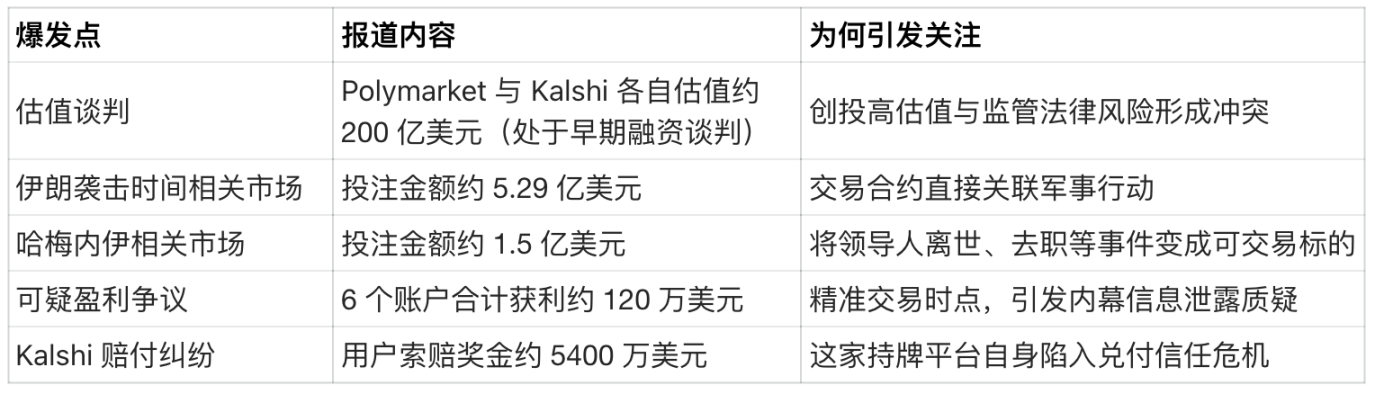
Polymarket и Kalshi стремятся привлечь финансирование с оценкой, ставящей их в ряд ведущих финтех-компаний для потребителей, в то время как американские регуляторы спешат разработать новые правила для подобных продуктов. Сообщается, что обе компании находятся на ранних переговорах о финансировании, и их оценка может достичь примерно 20 миллиардов долларов каждая.
Эта волна финансирования совпала с политическим штормом.
Контракты, связанные с Ираном, превратили рынки прогнозов из нишевого инструмента предсказаний в предмет споров, связанных с инсайдерской информацией и спекуляциями на войне. Reuters изучила рынки сделок на Polymarket, связанные со временем атаки Ирана и отстранением от власти Хаменеи (Khamenei), и обнаружила, что около 529 миллионов долларов было вложено в контракты, связанные со временем атаки, и около 150 миллионов долларов — в контракты, связанные с Хаменеи; одновременно появились сообщения, что шесть счетов, совершив точные по времени сделки, получили совокупную прибыль около 1,2 миллиона долларов.
Сейчас американские законодатели готовят соответствующие законопроекты, а Комиссия по торговле товарными фьючерсами США (CFTC) также заявила, что будет продвигать новые правила регулирования.
Уолл-стрит считает, что прогнозирование вероятности событий станет частью информационной системы; но Вашингтон препятствует этому, поскольку опасается, что эта система позволит неподходящим людям получать выгоду в самый неподходящий момент.
Почему Уолл-стрит看好рит рынки прогнозов
Рынки прогнозов могут преобразовать внимание в сделки, зарабатывать комиссионные с этих сделок, одновременно генерируя данные о вероятности в реальном времени и упаковывая их в информационный продукт.
Именно этот продукт данных выводит рынки прогнозов из категории «азартных игр» и относит их к информационным инструментам, аналогичным рыночным данным, опросам и финансовым терминалам — потому что форма их вывода очень напоминает котировки.
Основные СМИ уже начали сотрудничать с этими платформами:
-
CNBC заключила многолетнее соглашение с Kalshi, начиная с 2026 года, для интеграции ее данных о вероятности в телевизионные и цифровые программы.
-
Dow Jones заключила эксклюзивное партнерство с Polymarket для внедрения данных прогнозов в платформы The Wall Street Journal, Barron's и другие, рассматривая цены контрактов как часть новостной инфраструктуры наряду с отчетами о доходах, процентными ставками и выборами.
Это сотрудничество также усилило влияние скандала: как только данные о вероятности интегрируются в основные СМИ, они начинают влиять на общественное восприятие возможности и срочности событий. Это также причина, по которой регуляторы считают, что платформы должны соблюдать более высокие стандарты в отношении справедливости, мониторинга и расчетов.
Это также объясняет, почему оценки двух компаний продолжают расти, даже несмотря на политические споры, вызванные иранскими сделками.
Иранские события сделали рынки прогнозов проблемой для Вашингтона
Самое большое преимущество рынков прогнозов — это ранний доступ к информации. А иранские контракты ясно показывают, что такие платформы затрагивают чувствительную информацию, которую правительство пытается контролировать.
2 марта ставки на контракты, связанные со временем атаки, достигли 529 миллионов долларов, а контракты, связанные с отстранением от власти или смертью Хаменеи, — около 150 миллионов долларов. За несколько часов до атаки на высокопоставленных лиц Ирана 6 счетов внезапно пополнились, и на этих контрактах была получена прибыль в размере 1,2 миллиона долларов.
По мере эскалации конфликта в нескольких сообщениях указывалось, что множество новых зарегистрированных счетов точно делали ставки на события, связанные с Ираном. Такие сообщения превратили Polymarket из нишевой криптоплатформы в объект прямого внимания государственного регулирования и правоприменения.
Ключевой вопрос, с которым сейчас сталкиваются эти платформы: доверие и справедливость.
Чтобы рынок прогнозов функционировал, пользователи должны верить, что правила стабильны, результаты определяются последовательно и нет преимуществ для инсайдеров. Как только предметом сделок становятся военные действия, проблема доверия превращается в политическую проблему — потому что мотив досрочной торговли может стать мотивом для утечки чувствительной или даже секретной информации.
Это также причина быстрого усиления политической реакции.
Конгрессмен Майк Левин (Mike Levin) и сенатор Крис Мёрфи (Chris Murphy) уже готовят законопроекты, направленные на ограничение рынков прогнозов. Конгресс будет напрямую определять, какие контракты на события могут торговаться законно.
Кроме того, председатель CFTC Майкл Зелиг (Michael Selig) заявил, что агентство направило в Управление по вопросам управления и бюджета при Белом доме предварительное уведомление о разработке правил и вскоре представит нормативную базу для рынков прогнозов, которая может повлиять на все аспекты, включая дизайн контрактов, мониторинг и правоприменение.
Выбор, стоящий перед Вашингтоном, очевиден:
-
Признать рынки прогнозов законными контрактами на события, усилить регулирование, четко определить ограничения, позволив отрасли упорядоченно расширяться в рамках правил;
-
Прямо запретить категории контрактов, связанных с войной, убийствами, отстранением от власти лидеров, поскольку такие сделки极易 провоцировать инсайдерскую торговлю и создавать нежелательные мотивы.
Следующие данные показывают, почему этот конфликт трудно урегулировать:
Собственный спор Kalshi также показывает, что одного регулирования недостаточно для полного решения проблемы доверия.
5 марта против Kalshi был подан коллективный иск, в котором пользователи обвиняют платформу в отказе выплатить около 54 миллионов долларов призовых — пользователи ставили на то, что верховный лидер Ирана уйдет с поста до 1 марта. Истец утверждает, что платформа ввела «исключительные条款, связанные со смертью» только после атаки на лидера Ирана, чтобы отказать в выплатах.
Но Kalshi заявляет, что ее правила regarding сделок, связанных со смертью лидеров, были четко определены заранее, и что она вернула комиссионные и компенсировала убытки пользователей, поэтому пользователи не понесли убытков.
Это именно та дилемма противоречий, с которой сейчас сталкиваются инвесторы и политики.
Инвесторы希望, что отрасль будет расти, расширять распространение и обоснованно включать данные вероятностного прогнозирования в основную информационную систему.
Пользователи希望, чтобы в моменты, когда результаты событий спорны и эмоционально заряжены, правила платформы оставались стабильными и заслуживающими доверия.
Регуляторы хотят предотвратить превращение этими рынками чувствительных государственных действий в торгуемый продукт, избегая ситуации, когда «обладание секретной информацией дает возможность получить оптимальную торговую прибыль». Потому что как только цены этих сделок начинают влиять на информационную среду общественного мнения, связанные риски превращаются в проблему управления.
Twitter:https://twitter.com/BitpushNewsCN
Группа общения比推 TG:https://t.me/BitPushCommunity
Подписка比推 TG: https://t.me/bitpush