Авторы: Caleb Shack, Alana Levin
Компиляция: Цзяхуань, ChainCatcher
В Variant мы увлечены изучением возникающих рынков. Новые классы активов, финансовые продукты, выпуск активов, расширение доступа на рынок и новые способы участия глубоко укоренены в нашей учредительной ДНК.
В последнее время мы много думаем о рынках, построенных вокруг вычислительной мощности.
Доступ к вычислительной мощности — это огромная и растущая сфера, и можно утверждать, что она уже готова для дальнейшей финансовой обработки.
Однако динамика спроса и предложения на вычислительную мощность крайне сложна, непрозрачна и постоянно меняется. По-прежнему существует множество неясностей относительно времени выхода на рынок, его структуры и даже того, какой именно актив торгуется.
В ходе дебатов и обсуждений этих вопросов мы хотели бы поделиться зарождающейся аналитической структурой как отправной точкой для размышлений о рынке вычислительной мощности.
Обычно для возникновения нового рынка фьючерсов требуется пять предварительных условий:
- Фрагментация со стороны предложения
- Постоянная волатильность цен
- Какая-либо форма инфраструктуры для физических расчетов
- Стандартизированные, торгуемые единицы
- Отсутствие альтернатив для определения цен или хеджирования
Наша структура рассматривает текущую картину рынка вычислительной мощности через эти пять измерений. Мы используем исторические аналогии, чтобы объяснить важность каждого измерения и прогнозировать, когда рынок может достичь переломного момента.
Краткие ключевые выводы
Быстрый взгляд на эту структуру показывает, что сегодняшнему рынку вычислительной мощности не хватает зрелости, необходимой для устойчивого рынка фьючерсов.
(Тем не менее, рынок динамичен, и многие стартапы активно работают над изменением статус-кво; если вы этим занимаетесь, свяжитесь с нами!)
Вот наша текущая оценка рынка фьючерсов на вычислительную мощность по пяти измерениям:
- Фрагментация предложения:🔴 Предложение сильно монополизировано гиперскейлерами
- Волатильность цен:🟢 Цены на GPU крайне волатильны
- Инфраструктура физических расчетов:🟢 Инфраструктура физических расчетов существует на уровне OTC-брокеров
- Стандартизация:🔴 Вычислительной мощности не хватает стандартизированных, торгуемых единиц
- Отсутствие альтернатив:🟡 Вертикально интегрированные поставщики могут хеджировать внутри себя, другие участники вынуждены оставаться «быками»
1. Фрагментация со стороны предложения (Оценка для выч. мощности: 🔴)
Фьючерсные рынки — это механизмы определения цены.
При монопольном предложении определение цены теряет смысл, поскольку цена устанавливается небольшим числом крупных поставщиков, устраняя любую неопределенность в ценообразовании.
Исторически это происходило не раз.
Фьючерсы на нефть набрали силу только после ослабления картеля со стороны предложения (например, «Семь сестер» — семи транснациональных гигантов, доминировавших в мировой нефти в середине XX века).
Рынки электроэнергии сформировались после дерегулирования правительства, разрушения монопольного ценообразования и допуска независимых производителей на рынок. Фрагментация предложения способствовала тому, что фьючерсные рынки стали важным местом для определения цен.
Если взглянуть на сегодняшнюю динамику вычислительной мощности, предложение кажется относительно концентрированным.
Четыре облачных гиганта (например, AWS, Azure, GCP, Oracle) контролируют примерно 78% мировой емкости критической ИТ-электроэнергии собственного производства и около 69% поставок H100 (по оценке авторов, при условии наличия 12,4 млн H100 в Q4 2025).
Из этого мы делаем вывод, что они также доминируют в мировом предложении часов вычислительной мощности. Предложение не является фрагментированным.
Тем не менее, мы все еще думаем о факторах, которые могут изменить эту динамику.
Появляются новые облачные провайдеры. Новые архитектуры чипов создают возможности для других поставщиков получить долю рынка.
Некоторый подписанный на длительный срок объем мощностей у крупных лабораторий может в конечном итоге оказаться недостаточно используемым, что означает, что эти лаборатории в конечном итоге могут превратиться в поставщиков или продавцов вычислительной мощности на рынке.
Таким образом, хотя мы не уверены в будущей степени концентрации, наша оценка на данный момент такова: направление развития предложения на рынке будет более фрагментированным, чем сейчас.
2. Волатильность цен (Оценка для выч. мощности: 🟢)
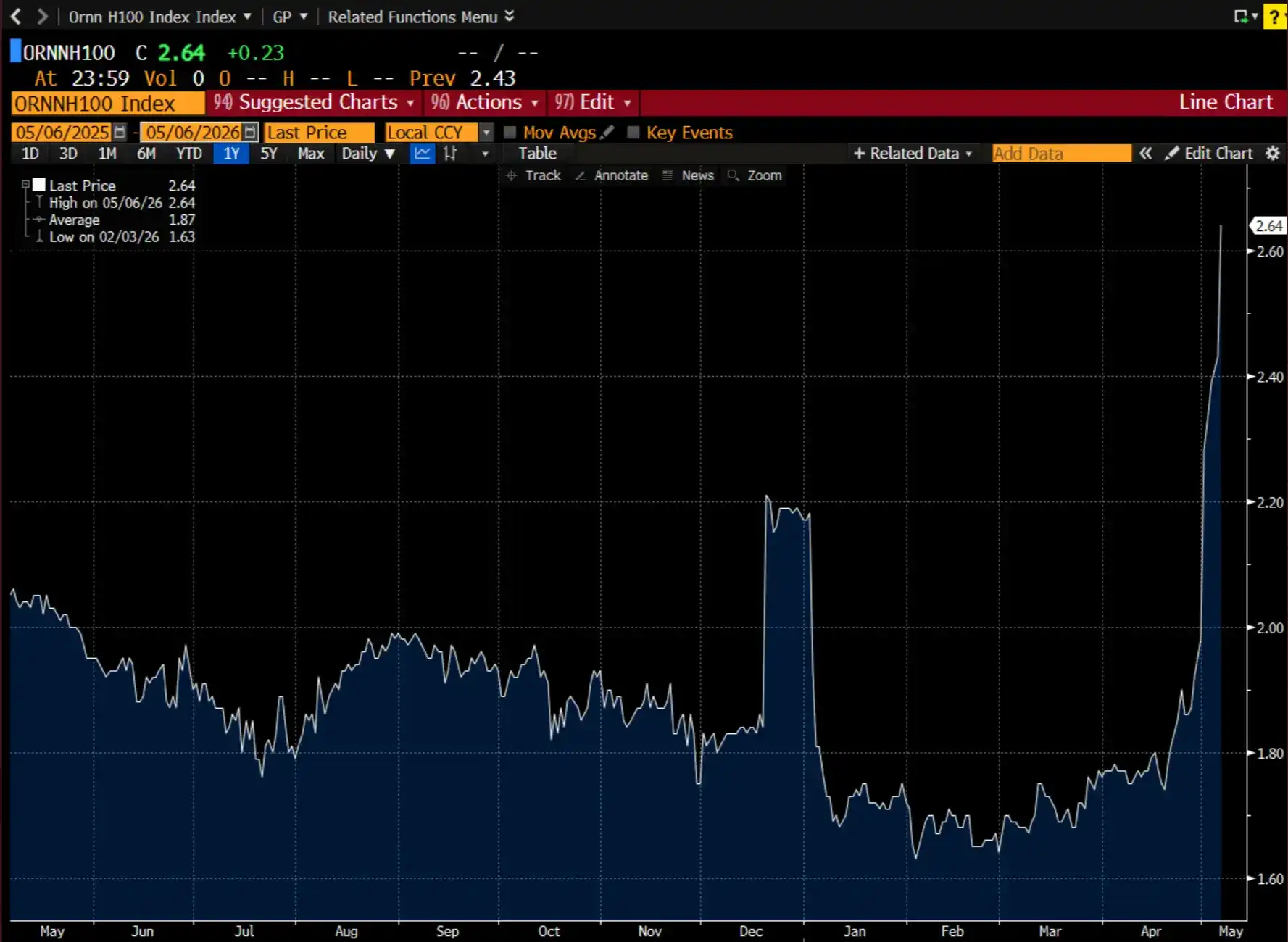
Индекс H100 от Ornn на терминале Bloomberg
Еще одно предварительное условие для фьючерсного рынка — высокая волатильность базового актива.
Без значительной ценовой неопределенности у хеджеров нет мотивации защищаться от риска колебаний.
Волатильность также привлекает спекулянтов, которые могут получить прибыль от значительных колебаний цен. Если рынок стабилен или предсказуем, спекулянты обратят взор на другие рынки.
Мы видели это на нефтяном рынке 1950-х годов.
Тогда, из-за перепроизводства нефти, СССР предложил цены ниже котировок «Семи сестер». «Семь сестер» в ответ снизили цены в этом регионе без уведомления ближневосточных производителей.
Возникший каскадный шок привел к национализации ближневосточной нефти, созданию ОПЕК и усилению неопределенности мировых цен на нефть. За этим последовала волатильность нефти, которая, в свою очередь, вызвала волатильность на рынках электроэнергии в 1970-х годах.
Ценообразование на вычислительную мощность в прошлом было, есть и будет оставаться волатильным.
Скорость вывода на рынок новых мощностей неопределенна. Новые архитектуры чипов или центров обработки данных могут повысить эффективность токенов для конкретных задач. Спрос продолжает резко расти и расширяться непредсказуемыми способами.
Мы вполне уверены, что это предварительное условие уже выполнено сегодня.
3. Инфраструктура для физических расчетов (Оценка для выч. мощности: 🟢)
Для эффективной работы рынка покупатели должны быть уверены, что смогут получить и использовать базовый инструмент в установленные дату и время.
Это требует инфраструктуры: механизмов для агрегации предложения, обеспечения надежной поставки, клиринга сделок, обработки обеспечения и управления расчетами. Эту работу обычно берут на себя посредники или брокеры.
На рынках электроэнергии этим занимаются независимые системные операторы, которые действуют как нейтральные третьи стороны, выполняя функции квазигосударственных организаций.
На текущем рынке вычислительной мощности нет полностью эквивалентной роли, но наша гипотеза заключается в том, что брокеры вычислительной мощности или OTC-конторы начинают (и все чаще склонны) брать на себя многие из этих функций.
Сегодня брокеры создают индексы и инструменты агрегации данных вокруг соглашений о покупке и аренде вычислительной мощности, чтобы зафиксировать рыночные цены.
Ornn и Silicon Data уже начали публиковать данные о ценах на GPU уровня дата-центра.
Сообщество брокеров также формирует консенсус по контрактным соглашениям, что аналогично тому, как SAFE-соглашения стандартизировали условия раннего финансирования. Эти инструменты дополняют базовую инфраструктуру физических расчетов — до этого значительная часть этой координации в значительной степени происходила в групповых чатах.
Мы даем зеленую оценку инфраструктуре физических расчетов, потому что она закладывает основу для определения цены.
Но она далека от совершенства по сравнению со зрелым спотовым рынком. Эти покупки происходят на уровне инфраструктуры, и не все участники рынка имеют право на перепродажу после покупки. Мы внимательно следим за прогрессом в создании новых рынков на этом уровне.
4. Стандартизация (Оценка для выч. мощности: 🔴)
Основная проблема, с которой сталкивается новый товар, часто заключается в уникальности и взаимозаменяемости его единиц.
Слишком много переменных может размыть ликвидность по множеству рынков или привести к чрезмерному базисному риску, неспособному удовлетворить большинство потребностей в хеджировании и поставке.
Например, сырая нефть измеряется по плотности и содержанию серы, которые различаются в зависимости от месторождения.
NYMEX нашла продукт, соответствующий рынку, со своим индексом WTI (легкая малосернистая нефть), потому что он зафиксировал стандарт, который может обслуживать глобальный восходящий рынок и даже использоваться нисходящими рынками (такими как авиакомпании) для хеджирования.
Электроэнергия стандартизирована по регионам, учитывая колебания спроса и предложения, которые различаются в зависимости от температуры, плотности населения и других факторов.
Рынку вычислительной мощности не хватает уровня стандартизации, который удовлетворил бы общие потребности в хеджировании.
Проблема в том, что один экземпляр H100 не всегда равен другому экземпляру H100.
Такие факторы, как регион (и, следовательно, стоимость местной электроэнергии), конфигурация системы (т.е. аппаратное и сетевое оборудование) и срок (т.е. продолжительность контракта), усугубляют различия в ценообразовании экземпляров GPU.
Тем не менее, мы видим ранние признаки стандартизации, особенно когда спрос исходит от длинного хвоста (т.е. не передовых лабораторий) на логический вывод.
В отличие от обучения, для рабочих нагрузок логического вывода требуется гораздо меньше нюансов, и они могут выполняться в распределенных, а не колокальных средах.
Если предложение для логического вывода будет распределено между множеством поставщиков, например, за счет увеличения доли рынка моделей с открытыми весами, может возникнуть стандартизация.
5. Отсутствие альтернатив (Оценка для выч. мощности: 🟡)
Это более тонкий и часто упускаемый из виду момент в формировании рынка.
Фьючерсные рынки создаются для обслуживания хеджеров. Если существуют альтернативы с достаточной ликвидностью и пренебрежимо малым базисным риском, альтернативные контракты не найдут спроса.
Классический пример — отсутствие внедрения фьючерсов на авиационное топливо, потому что WTI и другие восходящие индексы уже адекватно удовлетворяли спрос.
В области, связанной с электроэнергией, фьючерсы на температуру провалились, потому что участники рынка обнаружили, что хеджирование результата колебаний цены (электроэнергии) более эффективно, чем хеджирование их причины (температуры).
Сегодня поставщики моделей хеджируют риск вычислительной мощности с помощью долгосрочных соглашений об аренде или совместных предприятий, часто оформляемых по принципу «бери или плати», обменивая риски спотовых цен на риск контрагента.
Гиперскейлеры обычно физически владеют развернутыми ими GPU.
С другой стороны, поставщики из длинного хвоста не имеют ни договорных рычагов для получения выгодных условий аренды, ни капитала для создания собственной вертикально интегрированной инфраструктуры, поэтому они в первую очередь страдают от колебаний спотового рынка.
С точки зрения рынка, альтернатив не существует; однако участники, контролирующие предложение, могут осуществлять внутреннее хеджирование за счет вертикальной интеграции.
Общий вердикт
Согласно сводной оценочной карточке, для поддержания устойчивого рынка фьючерсов на вычислительную мощность, возможно, еще слишком рано.
У этого рынка есть волатильность, привлекающая спекулянтов, и ранняя инфраструктура расчетов для поддержки торговли, но ему не хватает фрагментации предложения и стандартизации, необходимых для истинного определения цены в больших масштабах.
Большинство сделок происходит на OTC-уровне.
Брокеры создают источники цен, Ornn и Silicon Data публикуют индексы, а торговля в групповых чатах формализуется в шаблоны контрактов.
Это не бессмысленно, но это еще не сформировавшийся рынок, подобный WTI или PJM. Объемы торгов слишком малы, контракты слишком индивидуальны, а предложение слишком концентрировано, чтобы существующая инфраструктура могла проводить клиринг в больших масштабах.
Правильный способ интерпретировать эту структуру — как диагностический инструмент, а не как окончательный вывод. Он говорит нам, чего не хватает, а не что невозможно.
Неразрешенные вопросы
Рынок будет развиваться способами, которые нам пока неясны.
У нас много неразрешенных вопросов и некоторые предварительные гипотезы. Эти гипотезы являются предварительными и требуют дальнейшей проверки или опровержения. Ниже мы излагаем наиболее сильные аргументы в пользу этих гипотез.
▍В ближайшие 1-2 года рынок со стороны предложения станет более фрагментированным или более концентрированным?
Мы ожидаем умеренной фрагментации.
Новые облачные провайдеры выводят на рынок новые мощности быстрее, чем любые другие категории.
Поскольку электроэнергия становится ключевым ограничивающим фактором, вводятся в эксплуатацию новые регионы, что выгодно операторам, которые могут создавать мощности рядом с дешевой электроэнергией (а не рядом с уже существующими следами гиперскейлеров).
Компании из списка Fortune 2000 даже поддерживают небольшие центры обработки данных. Расширение в этой области кажется неизбежным.
Однако стандартная бизнес-модель зависит от крупных, долгосрочных контрактов с надежными контрагентами, такими как гиперскейлеры и передовые лаборатории.
Поставщики облачных брокерских услуг, такие как Hyperbolic и SF compute, идут в противоположном направлении, предлагая мощности с почасовой оплатой.
Эти предприятия обслуживают длинный хвост спроса на вычислительную мощность со стороны AI-стартапов, компаний прикладного уровня, запускающих логический вывод на открытых весах, и исследовательских лабораторий без бюджетов передового уровня.
Мы считаем, что внедрение открытых весов, в частности, приведет к дальнейшей фрагментации предложения вычислительных мощностей — поскольку предложение будет «девертикализировано» от передовых лабораторий и гиперскейлеров.
▍Как будет происходить стандартизация?
Провайдеры индексов устанавливают стандарты вокруг почасовой стоимости экземпляров GPU.
Эти источники данных представляют собой приблизительные оценки, а не точные цены.
Цена экземпляра может сильно различаться в зависимости от множества факторов, включая регион, конфигурацию системы и срок, что затрудняет стандартизацию цены.
Дифференциация конфигурации системы особенно заметна, поскольку центры обработки данных настраиваются под индивидуальные рабочие нагрузки, а гиперскейлеры оптимизируют для блокировки экосистемы, а не для унификации рынка.
Стандарты появляются, когда существует унифицированный рыночный спрос.
Стандарт WTI был принят, потому что он обслуживает широкий спектр нисходящих нефтепродуктов, таких как бензин, дизельное топливо и авиационное топливо.
Сегодня спрос на вычислительную мощность обусловлен рабочими нагрузками обучения и логического вывода ИИ.
Инфраструктура обучения является кастомизированной, оптимизированной специально для длительных задач, требующих интенсивных вычислений, в крупных централизованных объектах, что делает базовые экземпляры вычислительной мощности практически невзаимозаменяемыми.
С другой стороны, инфраструктура логического вывода требует более простых аппаратных характеристик и меньше энергии; она оптимизирована по задержкам, что означает, что инфраструктура распределена по регионам, а не колокальна.
Логический вывод однороден, и, по прогнозам, к 2029 году на него будет приходиться более 65% спроса на вычислительную мощность ИИ. Мы предполагаем, что оптимизация на уровне инфраструктуры вычислительной мощности, обслуживающей этот рынок, приведет к унификации требований к вычислительной мощности между поставщиками.
Если различия на уровне экземпляров чипов сохранятся, другим путем стандартизации может стать бенчмаркинг на уровне аппаратного обеспечения.
NVIDIA создала бенчмарк MLPerf для оценки производительности логического вывода и обучения различных архитектур моделей.
В этом сценарии экземпляры GPU будут торговаться не по их аппаратным характеристикам, а по качеству и эффективности их вывода.
▍Что может помешать появлению стандартов в ближайшие 1-2 года?
Мы считаем, что «стенные сады» и кастомизированные рабочие нагрузки задушат попытки стандартизации.
В ближайшие 1-2 года гиперскейлеры и передовые лаборатории будут стремиться сохранить свое доминирование в инфраструктуре ИИ и предоставлении моделей.
Если эти два направления не разъединятся, они будут поддерживать аппаратное обеспечение в соответствии со своими потребностями, которые различаются от компании к компании. Внедрение новых архитектур чипов еще больше раздробит аппаратные характеристики, что затруднит разработку стандартов.
▍Как открытые веса получат значительное применение?
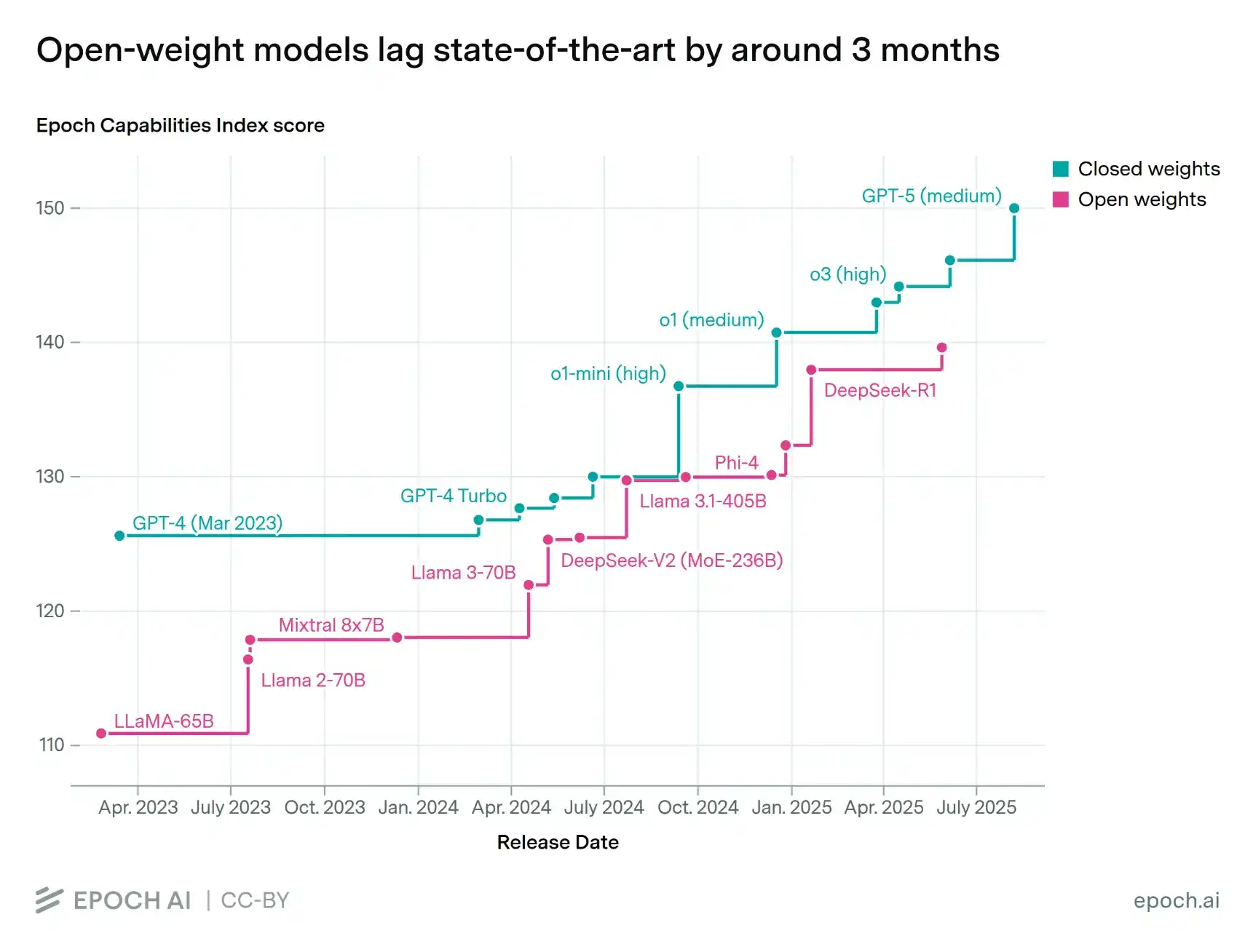
Это самый простой путь к формированию рынка вычислительной мощности.
Два основных узких места, с которыми сегодня сталкиваются эти рынки, — это концентрация предложения и отсутствие стандартизации.
Широкое внедрение открытых весов демократизирует возможность запуска логического вывода.
Это, в свою очередь, создает стимулы для формирования независимых операторов и способствует оптимизации инфраструктуры, адаптированной к этим конкретным моделям.
Мы видели ту же историю в майнинге биткойнов: открытое программное обеспечение породило множество майнеров и способствовало стандартизации конфигураций аппаратного обеспечения.
До сих пор модели с открытыми весами отставали по производительности от моделей с закрытыми весами.
Но если эта тенденция сохранится, модели с открытыми весами скоро достигнут порога производительности, который мы видим сегодня в моделях с закрытыми весами.
Компании уже начали широко внедрять модели с закрытыми весами в свои системы и наблюдают значительный рост производительности. Через три месяца модель, которая может дать такой же прирост производительности, может стоить лишь часть сегодняшней цены.
Однако большинство компаний, вероятно, все равно будут предпочитать модель с наилучшей производительностью.
Мы считаем, что в конечном итоге самая передовая модель с закрытыми весами станет слишком дорогой для выполняемых ею задач, и компании будут оптимизировать распределение интеллекта между различными моделями.
Важно помнить, что в настоящее время передовые лаборатории предоставляют услуги логического вывода себе в убыток, и в конечном итоге им придется поднять цены, чтобы остаться на плаву. Тогда у открытых весов наступит их звездный час.
▍В какой единице в конечном итоге будет происходить торговля?
Вычислительная мощность примерно разбивается на три уровня: чип, час экземпляра чипа, токен.
Уровень чипа — предложение сильно концентрировано.
ASML монополизирует литографические аппараты, используемые TSMC, TSMC монополизирует чип-фаундри, используемые NVIDIA, а NVIDIA монополизирует передовые дизайны чипов.
Кроме того, чип полезен только при подключении к источнику питания и поддержании высокого времени безотказной работы. Это заставляет нас полагать, что отдельный, поставляемый чип не станет окончательной единицей торговли.
Уровень часа экземпляра чипа — это период времени, в течение которого чип может быть фактически использован.
Это, пожалуй, самое ценное состояние чипа и ключевой уровень, обсуждаемый в данной статье.
На этом уровне вычислительная мощность как товар будет вести себя аналогично электроэнергии, если существует достаточный спрос на вычислительные ресурсы.
Мы представляем, что вычислительная мощность будет торговаться аналогично электроэнергии и другим коммунальным услугам: стандартизирована в региональных контрактах (вычислительная мощность является функцией электроэнергии) с наложенными на них спотовым и фьючерсным рынками для хеджирования. Это возможно в формате «часа экземпляра чипа».
Уровень токена — это побочный продукт экземпляра вычислительной мощности вниз по течению и также может стать окончательной единицей торговли.
Если токен является основным драйвером экземпляров вычислительной мощности, то рынок токенов предоставит стороне спроса способ хеджировать затраты, а стороне предложения — зафиксировать доход.
Сторона предложения может хеджировать затраты с помощью постоянных долгосрочных контрактов или вертикальной интеграции и поддерживать концентрацию.
Однако токены не унифицированы между моделями. Каждая модель имеет свои стандарты токенизации текста и выдает разный результат, что делает их не полностью взаимозаменяемыми между вариантами использования. Тем не менее, мы внимательно следим за развитием событий в этой области.