US Charges Trio In Brutal Crypto Wrench Attack Campaign

bitcoinistОпубликовано 2026-05-13Обновлено 2026-05-13

Введение

A federal grand jury in San Francisco has indicted three men from Tennessee—Elijah Armstrong, Nino Chindavanh, and Jayden Rucker—on charges including conspiracy to commit robbery and kidnapping. The group is accused of carrying out a series of violent "wrench attacks" across California between November and December last year. Posing as delivery drivers to gain entry into victims' homes, they used threats and physical violence to force the victims to surrender their cryptocurrency seed phrases, stealing at least $6.5 million. Authorities highlight that such violent crimes targeting crypto owners are becoming more common, exploiting the public visibility of on-chain wealth. The case underscores a critical vulnerability in digital asset security, as seed phrases obtained under duress grant irreversible control over wallets.

A federal grand jury in San Francisco has indicted three Tennessee men on charges that include conspiracy to commit robbery and kidnapping after prosecutors say the group carried out a series of wrench attacks — crimes where victims are physically threatened or harmed to force them to hand over crypto — stealing at least $6.5 million from victims across California.

A Violent Scheme With A Simple Disguise

Elijah Armstrong, Nino Chindavanh, and Jayden Rucker allegedly posed as delivery drivers to get inside their targets’ homes. Once in, they used threats of violence to force victims to hand over their crypto seed phrases — the recovery keys that grant full access to a digital wallet.

According to the Justice Department, the attacks took place between November 22 and December 31 last year across the Los Angeles area and the San Francisco Bay Area. Prosecutors identified at least four people targeted during that period.

One victim was forced to transfer $6.5 million in cryptocurrency to a wallet controlled by the group. That figure represents the bulk of what prosecutors say was stolen during the entire campaign.

BTCUSD now trading at $80,649. Chart: TradingView

Craig Missakian, the US Attorney for the Northern District of California, did not mince words. “These individuals, as alleged, terrorized their victims in the hopes of stealing vast sums of cryptocurrency,” he said in a statement Monday. “The scheme was not only sophisticated, it was brazen, violent, and dangerous.”

Physical Attacks On Crypto Owners Are Rising

The three men were arrested in December. Armstrong and Rucker are scheduled to appear in court Tuesday. Chindavanh is set to appear June 26. All three face charges of conspiracy to commit robbery, conspiracy to commit kidnapping, attempted robbery, and attempted kidnapping.

Reports from blockchain intelligence firm TRM Labs indicate that attacks like these have grown more common because personal data is easier than ever to find online.

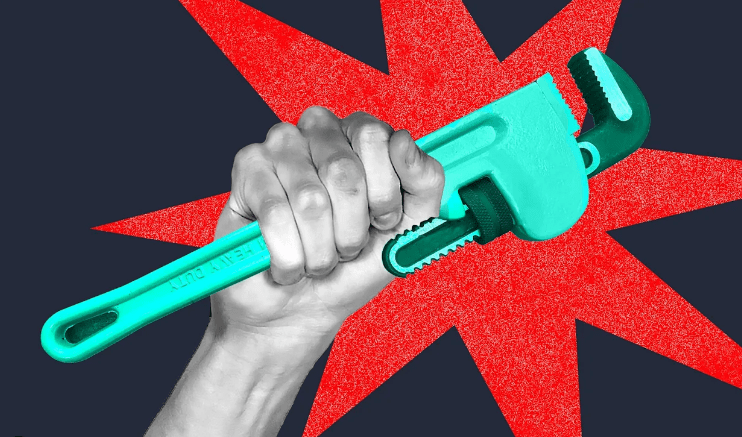
Crypto wrench attacks are turning digital wealth into a real-world target.
 Image: Yahoo News

The public nature of crypto wealth — visible on-chain to anyone who knows where to look — combined with the perceived anonymity of transactions has made holders attractive targets for criminals willing to use force.

The California cases are not isolated. French authorities charged 88 people in April in connection with similar attacks on cryptocurrency owners in that country.

Seed Phrases And The Limits Of Digital Security

Physical attacks of this kind expose a gap that no encryption can fix. A seed phrase, once spoken under duress, hands over complete control of a wallet with no way to reverse a transfer after the fact. The indictment, filed in federal court in San Francisco, was unsealed Monday.

Featured image from Pexels, chart from TradingView

Связанные с этим вопросы

QWhat specific charges were the three Tennessee men indicted for?

AThey were indicted on charges of conspiracy to commit robbery, conspiracy to commit kidnapping, attempted robbery, and attempted kidnapping.

QWhat was the total amount of cryptocurrency prosecutors say was stolen from the primary victim?

AProsecutors say at least $6.5 million in cryptocurrency was transferred by one victim to a wallet controlled by the group.

QAccording to the article, how did the suspects gain access to their victims' homes?

AThey allegedly posed as delivery drivers to get inside their targets' homes.

QWhat critical piece of information did the attackers force their victims to hand over to access the crypto wallets?

AThey forced victims to hand over their crypto seed phrases, which are the recovery keys that grant full access to a digital wallet.

QWhat is one reason, mentioned in the article from TRM Labs, for the rise in physical attacks against crypto owners?

AReports indicate such attacks have grown more common because personal data is easier than ever to find online, and the public nature of on-chain crypto wealth makes holders attractive targets.

Похожее

No Coding Required: Build Your First AI Agent in 2 Days (Complete Tutorial)

A No-Code Guide to Building Your First AI Agent in a Weekend This article presents a weekend, zero-code tutorial for beginners to build a functional AI Agent using tools like Claude. It clarifies the core difference between a chatbot, which responds to queries, and an Agent, which autonomously plans and executes multi-step tasks using tools to deliver a final result. The process is broken into four stages over two days: 1. **Saturday Morning: Understanding Agents.** Learn that an Agent requires a clear Goal, a Plan, necessary Tools, and an execution Loop. Identify a simple, multi-step task from your own work/life as your first project. 2. **Saturday Afternoon: Building with Claude.** Create a one-page "Agent Blueprint" answering: the Goal, sequential Steps, required Tools, the desired Output format, and error-handling rules. Implement this blueprint in Claude (Desktop Cowork or web Projects) and run the Agent for the first time. 3. **Sunday Morning: Debugging & Optimization.** Review the initial (often 60-70% accurate) output. Identify flaws, trace them back to vague instructions in your blueprint, and refine it with more specific criteria and error handling. Iterate this run-review-refine cycle 3-4 times to reach ~90% reliability. 4. **Sunday Afternoon: Expansion.** Apply the learned workflow to quickly build a second, different Agent (e.g., for research, content repurposing, or meeting prep), experiencing the compounding efficiency gains. The core skill is not writing a perfect blueprint initially, but rapidly iterating based on output. By the end of the weekend, you'll have built two usable Agents, moving beyond just chatting with AI to automating multi-step workflows, fundamentally changing how you approach repetitive tasks.

marsbit2 ч. назад

No Coding Required: Build Your First AI Agent in 2 Days (Complete Tutorial)

marsbit2 ч. назад

Торговля

Спот
Фьючерсы
活动图片