Автор: Sleepy.txt
В Аргентине даже доллар не работает.
Пабло — персона необычная. Десять лет назад он был сотрудником Huawei, командированным в Аргентину, где прожил два года; спустя десять лет он вернулся в страну уже как Web3-разработчик, чтобы принять участие в конференции Devconnect.
Этот десятилетний разрыв во взглядах сделал его свидетелем жестокого экономического эксперимента.
Когда он уезжал, за один доллар давали всего十几 песо; сегодня черный рынок Аргентины оценивает доллар уже в 1:1400 песо. По простой рыночной логике, это должно означать, что если у тебя в кармане доллары, ты в этой стране обладаешь королевской покупательной способностью.
Однако это чувство «долларового превосходства» длилось ровно до первого обеда.
«Я специально вернулся в свой старый обычный район, нашел маленький ресторан, где раньше часто ел, — вспоминает Пабло. — Заказал тарелку лапши, пересчитал в юани — вышло около 100 юаней».
Это был не туристический район для богатых, а заведение с атмосферой простой жизни — «забегаловка». Десять лет назад обед здесь стоил человеку не больше 50 юаней; сегодня же в этой стране, которую мировые СМИ называют «несостоявшимся государством», цены напрямую сопоставимы с деловым центром Шанхая или Парижем в Западной Европе.
Это классическая «стагфляция». Хотя песо обесценилось более чем в 100 раз, цены на товары в долларовом выражении выросли более чем на 50%.
Когда кредит доверия к стране рушится окончательно, инфляция подобна всесокрушающему потопу: даже если ты сидишь в看似 надежной лодке под названием «доллар», вода все равно поднимется выше твоих лодыжек. Эта страна魔ческим образом переложила издержки краха своей валюты на всех, включая тех, кто держит в руках твердую валюту.
Многие полагали, что в условиях таких потрясений люди в панике будут скупать доллары или, как предрекают адепты технологий, обратятся к криптовалюте. Но мы все ошиблись.
Здесь молодежь не копит деньги и не покупает жилье, потому что в момент получения зарплаты ее ценность начинает испаряться; здесь истинные хозяева финансовой системы — не центральный банк, а теневая финансовая сеть, сплетенная еврейскими менялами из района О́нсе и более чем 10 000 китайских супермаркетов по всей Аргентине.
Добро пожаловать в подпольную Аргентину.
Молодежь, которая не смеет иметь будущее
Чтобы понять теневую экономику Аргентины, нужно сначала понять логику выживания одной группы: тех самых «живущих одним днем» молодых людей.
Если пройтись ночными улицами Буэнос-Айреса, возникает серьезное когнитивное искажение: бары полны людей, музыка в танго-клубах не умолкает всю ночь, молодежь в ресторанах по-прежнему щедро оставляет 10% чаевых. Это не похоже на страну, переживающую «шоковую терапию» и кризис, скорее на процветающее общество.
Но это не символ процветания, а отчаянная «карнавальная вакханалия на краю пропасти». В первой половине 2024 года уровень бедности в стране взлетел до 52,9%; даже после жестких реформ Милея в первом квартале 2025 года 31,6% населения все еще боролись за выживание за чертой бедности.
В грандиозной нарративе мира Web3 Аргентину часто описывают как «крипто-утопию». Со стороны кажется, что в этой стране с несостоявшейся валютой молодые люди при получении зарплаты сходят с ума, скупая USDT или биткоины для защиты от рисков.
Но Пабло во время своего визита хладнокровно развеял этот пузырь элитарного взгляда.
«На самом деле это заблуждение, — прямо заявил Пабло. — Большинство молодых людей — типичные жители от зарплаты до зарплаты. После оплаты аренды, коммунальных услуг и повседневных расходов от зарплаты почти ничего не остается. У них просто нет сбережений, чтобы менять на доллары или стейблкоины».
Они не могут защититься от рисков не потому, что не хотят, а потому, что у них нет на это права.
Мешают сбережениям не только бедность, но и «обесценивание труда».
С 2017 по 2023 год реальная заработная плата аргентинцев упала на 37%. Даже после прихода к власти Милея и некоторого роста номинальной заработной платы, покупательная способность зарплат в частном секторе за последний год все равно упала на 14,7%.
Что это означает? Это означает, что молодой аргентинец в этом году работал усерднее, чем в прошлом, но на свою зарплату он может купить меньше хлеба и молока. В таких условиях «сбережения» становятся абсурдной шуткой.于是, среди этого поколения распространился近乎 рациональный «иммунитет к инфляции».
Раз无论如何 усердно работать не наскрести на первоначальный взнос за жилье, раз скорость накопления никогда не догонит скорость испарения денег, то единственным экономически rational выбором становится немедленно обменять обесценивающиеся в любой момент песо на сиюминутное удовольствие.
Согласно одному опросу, 42% аргентинцев постоянно чувствуют тревогу, 40% — глубокую усталость. Но в то же время 88% признаются, что борются с этой тревогой с помощью «эмоциональных трат».
Это коллективное психологическое противоречие как раз и является缩影ом столетних взлетов и падений этой страны. Они танцуют танго, противостоя неопределенности будущего, и одурманивают себя асадо и пивом, заглушая глубокое чувство бессилия.
Но это лишь поверхность подпольной Аргентины. Куда же в конечном итоге уходят те миллиарды песо наличными, которые сходят с рук молодежи?
Они не исчезают. Под покровом ночи Буэнос-Айреса эти наличные, словно подземные реки, в конечном итоге стекаются к двум особым группам.
Одни — это крупнейший в Аргентине «пылесос для наличных», другие — «теневой центральный банк», контролирующий валютные курсы.
Китайские супермаркеты и еврейские менялы
Если завтра Центральный банк Аргентины внезапно объявит о остановке работы, финансовая система страны может погрузиться в кратковременный хаос; но если те 13 000 китайских супермаркетов закроются одновременно, общественное функционирование Аргентины может немедленно парализовать.
В Буэнос-Айресе истинное финансовое сердце бьется не в роскошных банковских зданиях, а скрыто в кассовых аппаратах на улицах и переулках и в глубине квартала О́нсе.

Это тайный союз, заключенный двумя группами пришельцев: одни — владельцы супермаркетов из Китая, другие — еврейские финансисты с вековой историей.
В Аргентине ничто так не пронизывает ткань города, как «Supermercados Chinos (китайские супермаркеты)». По состоянию на 2021 год их количество в Аргентине превысило 13 000, что составляет более 40% от общего числа супермаркетов в стране. Они не такие огромные, как Carrefour, но зато вездесущи.
Для теневой экономики Аргентины эти супермаркеты — не просто места, где продают молоко и хлеб. По сути, они являются круглосуточными «пунктами приема наличных».
Большинство китайских супермаркетов стараются, чтобы клиенты расплачивались наличными. Некоторые рестораны при расчете напоминают, что оплата наличными дает скидку, а некоторые даже прямо вывешивают объявление: «Скидка 10-15% за оплату наличными».
На самом деле это делается для уклонения от налогов. Потребительский налог в Аргентине достигает 21%. Чтобы не отдавать этот кусок пирога государству,商家 готовы уступить выгоду потребителям, лишь бы оставить огромный оборот вне официальной финансовой системы.
«Налоговая, конечно, знает, но никогда строго не проверяла», — сказал Пабло в интервью.
Отчет за 2011 год показал, что уже тогда годовой объем продаж десятков тысяч китайских супермаркетов достигал 5,98 миллиардов долларов. Спустя более десяти лет эта цифра, несомненно, стала еще больше. Но здесь есть смертельная проблема: песо — «горячая картошка», в условиях трехзначной годовой инфляции они обесцениваются каждую секунду.
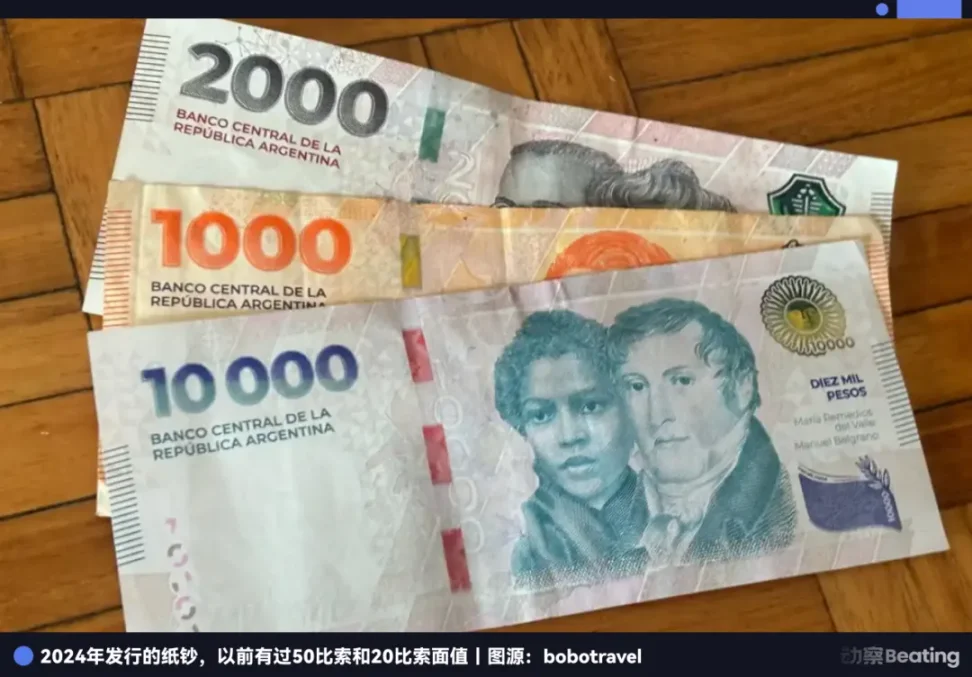
«Китайские бизнесмены заработали огромное количество наличных песо, им нужно конвертировать их в юани для отправки домой, поэтому они ищут различные способы обмена», — говорит Пабло. — «Тогда для китайских туристов самый удобный канал с лучшим курсом — это китайские супермаркеты или рестораны, потому что они остро нуждаются в юанях для хеджирования своих песо».
Однако разрозненные туристы не могут поглотить такие огромные объемы наличности. Китайским супермаркетам нужен другой выход, и в Буэнос-Айресе только подпольные обменные пункты, представленные евреями из района О́нсе, способны поглотить такие объемы наличных.
«Исторически евреи селились в оптовом районе под названием О́нсе. Если вы видели фильмы об аргентинских евреях, некоторые сцены взяты из О́нсе», —介绍道 Пабло. — «Там есть их собственная синагога, и это единственное место в Аргентине, где произошел теракт».
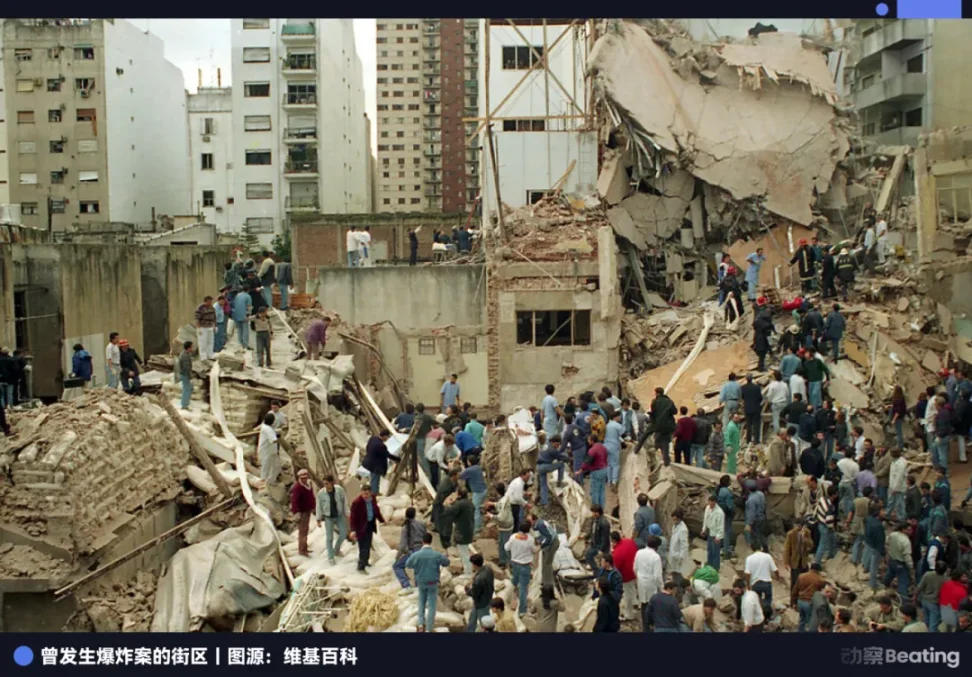
Он говорит о взрыве AMIA 18 июля 1994 года.
В тот день автомобиль, нагруженный взрывчаткой, врезался в Еврейский общинный центр AMIA. В результате взрыва погиб 85 человек, более 300 получили ранения. Это была самая темная страница в истории Аргентины. После этого события перед синагогой возвели огромную стену с надписью «Мир» на разных языках.
Эта катастрофа навсегда изменила философию выживания еврейской общины. С тех пор вся община стала крайне закрытой и бдительной. Эти стены не только защитили от бомб, но и сформировали крайне замкнутый, высоко сплоченный круг.
С течением времени еврейские бизнесмены постепенно отошли от оптовой торговли и перешли в более familiarную им сферу — финансы.
Они управляют подпольными обменными пунктами, называемыми «Cueva (Пещера)», используя свои глубокие связи в политической и экономической сферах, чтобы построить сеть оборота funds, независимую от официальной системы. К настоящему времени некоторые из них уже переехали из района О́нсе, и другие этнические группы, включая китайцев, также занялись бизнесом подпольных обменных пунктов.
В условиях длительного валютного контроля в Аргентине между официальным и черным курсом一度 существовал разрыв более чем в 100%. Это означало, что активы любого, кто честно менял валюту через официальные каналы, мгновенно теряли половину своей стоимости. Это заставляло как предприятия, так и частных лиц полагаться на подпольную финансовую сеть, построенную евреями.
Китайские супермаркеты ежедневно генерируют огромные объемы наличных песо, остро нуждаясь в обмене на твердую валюту; еврейские менялы имеют запасы долларов и глобальные каналы перевода funds, но нуждаются в больших объемах наличных песо для поддержания поворотных операций по кредитованию под высокие проценты и обменных операций. Потребности обеих сторон точно совпадают, рождается идеальная бизнес-цепочка.
Таким образом, в Аргентине специальные инкассаторские машины (или несколько неприметных私家ных автомобилей) ежедневно курсируют под покровом ночи между китайскими супермаркетами и районом О́нсе. Денежные потоки китайцев обеспечивают непрерывный приток крови для финансовой сети евреев, а долларовые резервы евреев предоставляют единственный канал спасения для богатства китайцев.
Без繁琐ких проверок на соответствие, без очередей в банках, полагаясь на эту межэтническую默契 и доверие, эта система эффективно работала десятилетиями.
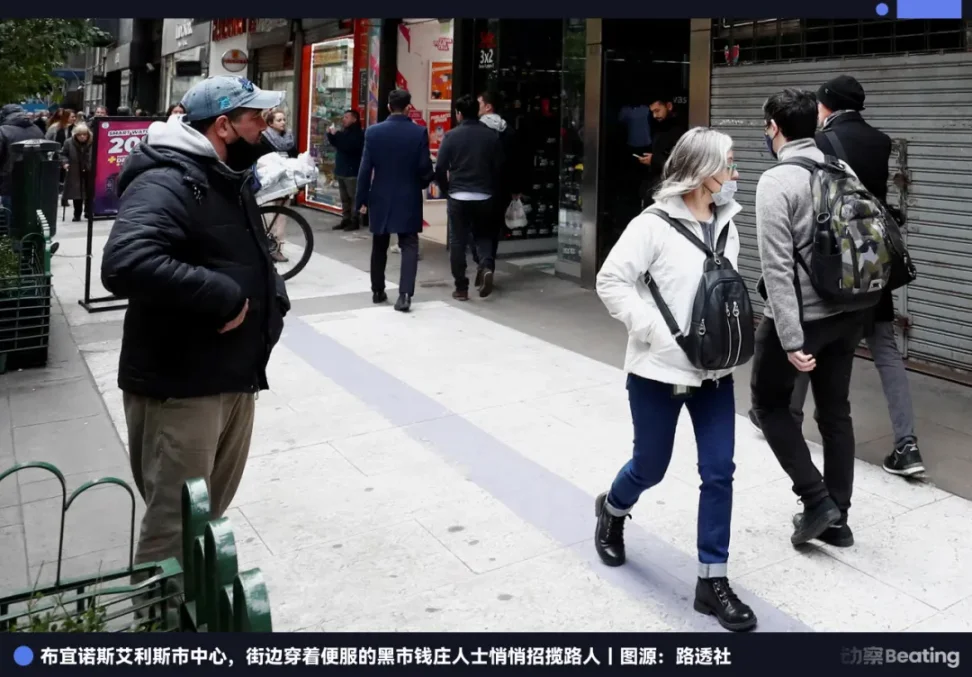
В те годы, когда государственная машина давала сбои, именно эта несоответствующая правилам подпольная система поддерживала самые основные потребности выживания бесчисленных обычных семей и商户. По сравнению с шатким официальным песо, китайские супермаркеты и еврейские менялы явно заслуживают большего доверия.
P2P-уклонение от налогов
Если китайские супермаркеты и еврейские менялы — это aorta подпольной экономики Аргентины, то криптовалюты — это более скрытые вены.
В последние годы в глобальном сообществе Web3 распространяется миф: Аргентина — святая земля криптовалют. Данные, казалось бы, подтверждают это: в этой стране с населением 46 миллионов человек уровень владения криптовалютами достигает 19,8%, занимая первое место в Латинской Америке.
Но когда вы, как Пабло, погружаетесь в эту землю, вы обнаруживаете, что правда behind the myth не так сексуальна. Здесь немногие говорят об идеалах децентрализации, немногие заботятся о технологических инновациях blockchain.
Весь энтузиазм в конечном итоге сводится к одному голому глаголу: бежать.
«За пределами криптосообщества обычные аргентинцы не очень разбираются в Crypto», — говорит Пабло. Для большинства аргентинцев, использующих криптовалюты, это не революция финансовой свободы, а самозащита для сохранения активов. Их не волнует, что такое Web3, их волнует только одно: может ли USDT предотвратить обесценивание их денег.
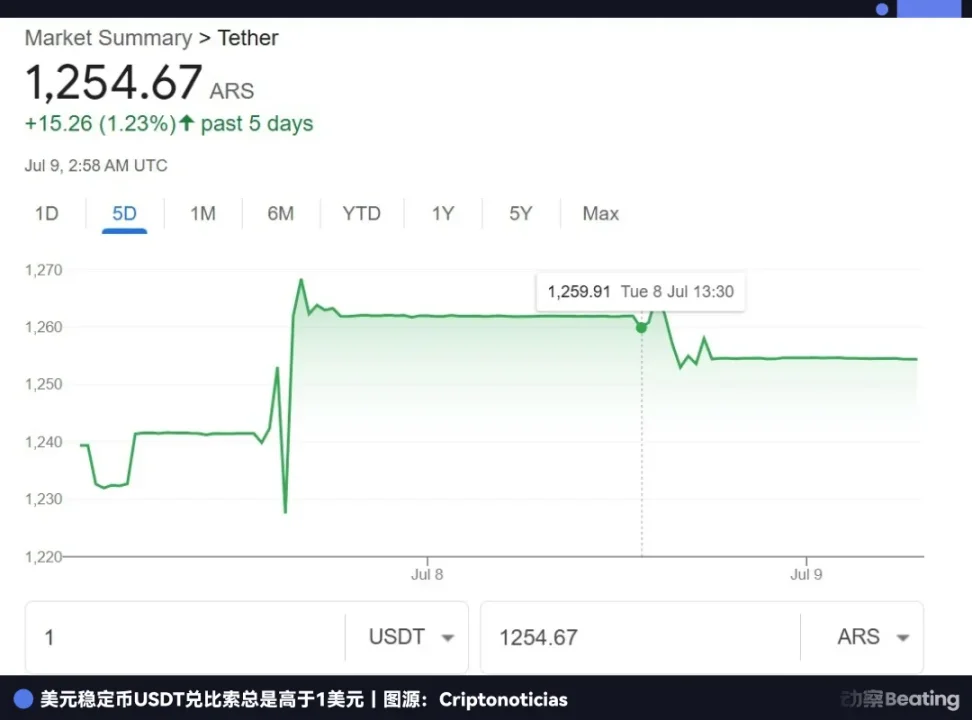
Это объясняет, почему стейблкоины занимают 61,8% объема криптовалютных交易 в Аргентине. Для фрилансеров, цифровых кочевников и富裕阶层, ведущих зарубежный бизнес, USDT — это их цифровой доллар.
По сравнению с хранением долларов под матрасом или рискованным обменом на черном рынке, обмен песо на USDT щелчком мыши кажется более элегантным и безопасным.
Но безопасность — не единственное соображение, более глубокая мотивация заключается в сокрытии.
Для низших слоев населения их «криптовалюта» — это наличные.
Почему китайские супермаркеты любят принимать наличные? Потому что оплата наличными позволяет не выписывать чек, напрямую экономя 21% налога. Для наемного работника с месячной зарплатой всего в несколько сотен долларов, эта мятая банкнота песо — их «налоговая гавань». Им не нужно понимать blockchain, им只需要 знать, что оплата наличными дешевле на 15%.
А для среднего класса, фрилансеров и цифровых кочевников стейблкоины, такие как USDT, играют ту же роль. Налоговая служба Аргентины не может отследить транзакции в blockchain. Один местный работник Web3 охарактеризовал криптовалюты как «цифровой швейцарский банк». Программист в Аргентине, принимающий зарубежные проекты, если он получает платежи через банк, не только вынужден конвертировать по официальному курсу, но и платить высокий подоходный налог.但如果 получать платежи в USDT, эти деньги становятся полностью невидимыми.
Эта логика «p2p-уклонения от налогов» пронизывает каждый слой аргентинского общества. Будь то наличные сделки у уличного торговца или переводы USDT у элиты, по своей сути это недоверие к государственному кредиту и защита частной собственности. В стране с высокими налогами,低福利 и постоянно обесценивающейся валютой, каждая «серая сделка» — это反抗 против институционального грабежа.
Пабло порекомендовал WebApp под названием Peanut, который не требует загрузки, имеет курс, близкий к черному рынку, и даже поддерживает китайскую идентификацию. Сейчас это приложение быстро растет в самой Аргентине. Популярность таких приложений как раз доказывает渴望 к «каналу побега».
Хотя инструменты стали доступными, этот Ноев ковчег по-прежнему вмещает только два типа людей:彻底的地下щиков (бедняки, использующие наличные, и богачи, использующие Crypto) и цифровых кочевников с зарубежными доходами.
Когда бедные уклоняются от налогов с помощью наличных, а богатые переводят активы с помощью Crypto, кто становится единственным проигравшим в этом кризисе?
Ответ разбивает сердце: те, кто соблюдает закон — «честные люди».
Соответствие правилам губит честных людей
Мы обычно считаем, что наличие легальной, соответствующей правилам приличной работы — это билет в средний класс. Но в стране с dual currency system и неконтролируемой инфляцией этот «билет соответствия» становится тяжелыми кандалами.
Их困境 проистекает из неразрешимой арифметической задачи: доход привязан к официальному курсу, а расходы — к черному рынку.
Предположим, вы менеджер высшего звена в multinational компании с месячной зарплатой 1 миллион песо. В официальной отчетности, по официальному курсу 1:1000, ваша зарплата эквивалентна 1000 долларов. Но в реальной жизни, когда вы идете в супермаркет за молоком, на заправку за бензином, все цены привязаны к черному рынку (1:1400 или даже выше).
Этот вход и выход означает, что ваша реальная покупательная способность в момент получения зарплаты уже уполовинивается.
Хуже того, у вас нет права «исчезнуть». Вы не можете, как владелец китайского супермаркета, давать скидку за наличные чтобы уклониться от налогов, и не можете, как цифровой кочевник, получать платежи в USDT чтобы скрыть активы. Каждый ваш доход находится на прицеле налоговой службы (AFIP), полностью прозрачен и无处可藏.
于是,出现残酷的社会学现象. С 2017 по 2023 год в Аргентине涌现出大批 «новых бедных (Nuevos Pobres)».
Они原本是体面的中产阶级, с высшим образованием, живущие в хороших районах. Но, зажатые между растущей стоимостью жизни и обесценивающимися доходами, они眼睁睁 смотрят, как скатываются за черту бедности.
Это общество «обратной селекции». Те, кто чувствуют себя как рыба в воде в подпольной экономике — владельцы китайских супермаркетов, еврейские менялы, фрилансеры, принимающие USDT — они овладели кодом выживания в руинах. А те, кто пытаются «хорошо работать» в официальной системе,反倒成为 те, кто платит за издержки системы.
Даже самые精明кие люди в этой группе все свои усилия прилагают лишь для «оборонительной» борьбы.
Пабло в интервью提到了 аргентинский средний класс «финансовую мудрость». Например, использование платформ типа Mercado Pago с годовой доходностью до 30-50% для хранения средств до востребования.
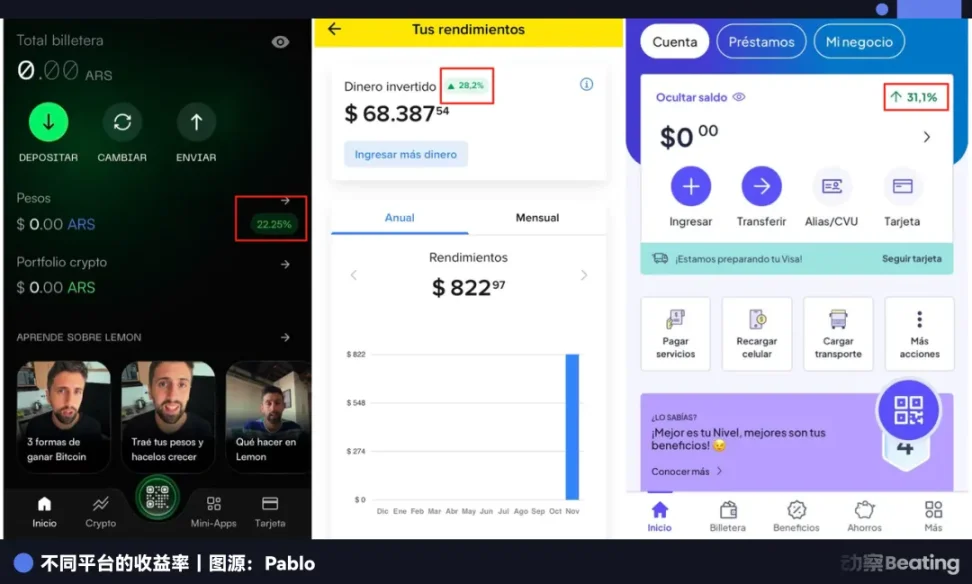
Звучит высоко? Но Пабло подсчитал: «С учетом инфляционного износа курса, такая APY лишь позволяет сохранить долларовую стоимость их песо в случае стабильного курса, но курс часто нестабилен. В целом такая доходность не поспевает за скоростью обесценивания песо».
Кроме того, многие精明кие аргентинцы перед ожидаемым обвалом песо不惜 издержки обналичивают через кредитные карты, затем меняют на доллары, используя временной лаг инфляции для арбитража.
Но все это лишь «оборона», а не «атака». В стране с разрушенным денежным доверием все управление финансами и арбитраж по сути являются попытками «не потерять» или «потерять меньше», а не реальным ростом богатства.
Крах среднего класса часто безмолвен.
Они не выходят на улицы жечь шины в знак протеста, как низшие классы, и не эмигрируют напрямую, как богатые. Они просто молча отменяют周末聚餐, переводят детей из частных школ и каждую ночь тревожно подсчитывают счета на следующий месяц.
Они самые послушные налогоплательщики страны и самая обобранная до нитки группа.
Судьбоносная ставка страны
Возвращаясь в Аргентину, Пабло в розетке на стене увидел缩影 поворота страны.
Раньше в Аргентине действовала近乎 абсурдная торговая протекционистская политика: все электроприборы должны соответствовать «аргентинскому стандарту», принудительно убирая верхний штырь универсальной вилки, иначе запрещены к продаже. Это была не просто проблема вилки, это символ меркантилистских барьеров, административными приказами заставляющих国民 платить за低качественную и дорогую отечественную промышленность.
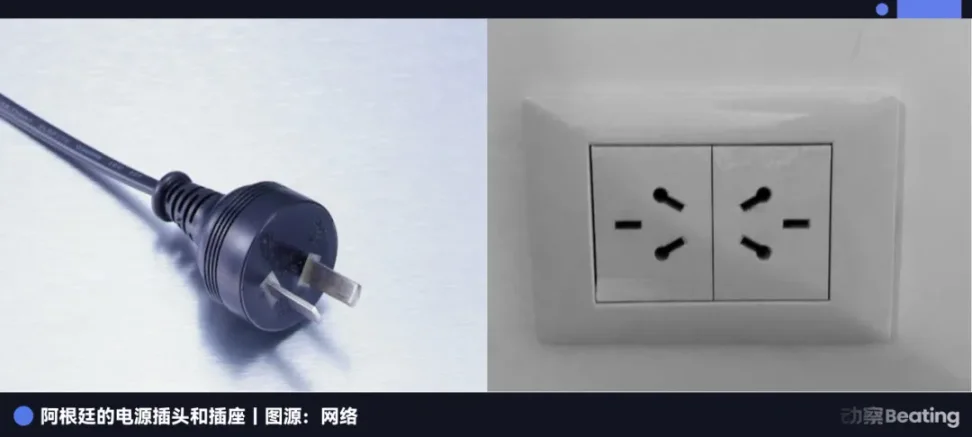
Сегодня Милей сносит эту стену. Этот «безумец»-президент,信奉 австрийскую школу, проводит впечатляющий мир социальный эксперимент: сокращает 30% государственных расходов, отменяет многолетний валютный контроль.
Этот удар дал мгновенный эффект. Впервые за много лет появился профицит бюджета, уровень инфляции с безумных 200% снизился до уровня около 30%, когда-то достигавший 100% разрыв между официальным и черным курсом сократился до около 10%.
Однако цена реформ — это мучительная боль.
Когда субсидии были сокращены, а курс отпущен, новые бедные и живущие от зарплаты до зарплаты, о которых мы упоминали ранее, приняли на себя первый удар. Однако, к удивлению Пабло,尽管生活艰难, большинство接触到的民众仍然支持 Милея.
История Аргентины — это цикл периодических крахов и восстановлений. В 1860-1930 годах она была одной из самых богатых стран мира; но затем погрузилась в длительную рецессию,反复 качаясь между экономическим ростом и кризисами.
В 2015 году Макри пришел к власти, отменил валютный контроль, попытался провести либеральные реформы, но в конечном итоге потерпел неудачу, что привело к восстановлению контроля в 2019 году. Станут ли реформы Милея переломным моментом,打破 этот цикл? Или это очередная кратковременная надежда, за которой послеет еще большее отчаяние?
Никто не знает ответа. Но можно быть уверенным, что тот подпольный мир, построенный еврейскими менялами, китайскими супермаркетами и无数ыми «иммунными к инфляции» индивидами, обладает强大的 инерцией и жизненной силой. Он提供 убежище, когда официальный порядок рушится, и选择蛰伏 и适应, когда официальный порядок восстанавливается.
В конце статьи вернемся к тому обеду Пабло.
«Сначала я подумал, что при таких дорогих ценах официант должен много зарабатывать, поэтому дал только 5% чаевых, но потом朋友 меня просветил, все равно нужно давать 10%», — вспоминает Пабло.
В стране с взлетающими ценами и崩溃ющей валютой люди по-прежнему сохраняют привычку давать чаевые, по-прежнему кружатся в танго-клубах, по-прежнему смеются и беседуют в кафе. Эта дикая жизненная сила — истинная суть этой страны.
Сто лет Розовый дворец в Буэнос-Айресе менял хозяев, песо меняло купюры. Но простые люди, полагаясь на подпольные сделки, на серую мудрость,硬是在 тупике проложили путь.
Пока渴望 этой страны к «стабильности»依然 меньше, чем к «свободе»; пока доверие народа к правительству依然 ниже, чем к угловому Chino, подпольная Аргентина будет существовать вечно.
Добро пожаловать в подпольную Аргентину.







