Автор: Hongyu
Предисловие
Я начал следить за Никитой Бьером примерно с 2023 года, когда сам занялся предпринимательством в сфере социальных продуктов, и продолжал следить за ним до его прихода в X на должность руководителя продукта в прошлом году. Мне давно хотелось написать о нем.
Его три продукта: Politify, TBH и GAS добились значительного успеха. В его компании всего несколько десятков человек. Возможно, ни один из этих продуктов не стал слишком большим, чтобы рухнуть, ведь для этого нужны удачное время, место и люди. Но он один из самых проницательных продуктовых менеджеров в социальной сфере в моем представлении, многие в англоязычном сообществе называют его королем вирусного распространения.
Предпринимательская траектория Никиты Бьера похожа на тщательный эксперимент над слабостями человеческой природы: от инструмента моделирования политики в кампусе Беркли до двух вирусных приложений, вызывающих привыкание у подростков, и до руководства итерациями продукта в X (бывший Twitter). Он всегда находит рычаги в тонких психологических промежутках между «почему пользователь открывает» и «почему остается», чтобы вызвать масштабные изменения в поведении. В 31 год он уже дважды превращал идеи маленьких команд в дорогостоящие экзиты. Теперь он приносит этот подход в платформу Маска, пытаясь重塑овать будущее социального гиганта. Но за блестящим успехом стоят бесчисленные неудачные пробы и прямое正视ование «горькой правды».
Politify: Привлечение клиентов с нулевой стоимостью для студенческого стартапа
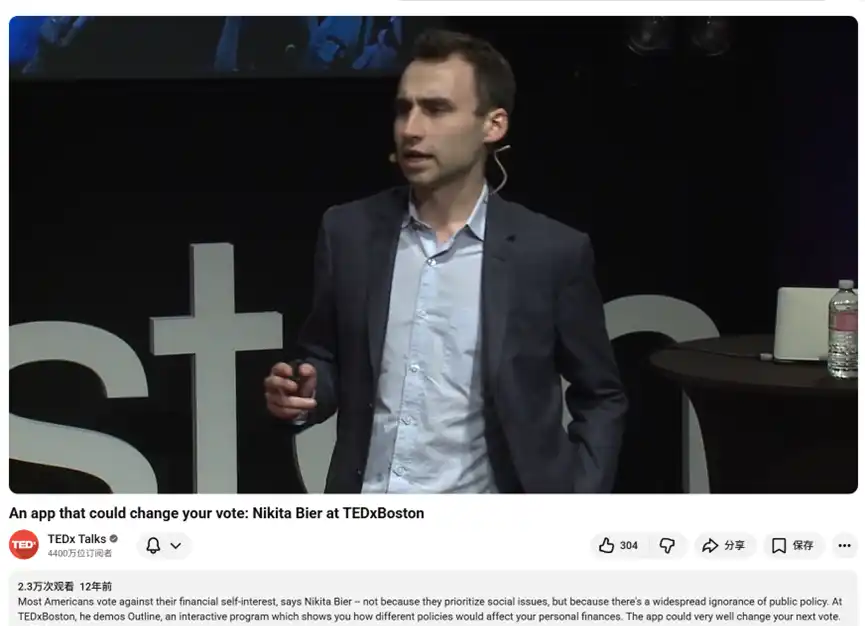
(Никита рассказывает на TED о том, почему он основал Politifi, ссылка:https://www.youtube.com/watch?v=k9QTVII_lkg)
Старт Никиты был не в Кремниевой долине, а в его детском увлечении созданием сайтов. С 12 лет он начал создавать веб-страницы для потребительских приложений, например, полноценные сайты электронной коммерции. Тогда он уже размышлял о том, почему пользователи нажимают и почему остаются — возможно, из любопытства, чувства срочности или эмоционального отклика. Эта ранняя практика выработала у него чувствительность к пользовательскому поведению.
Эта чувствительность стала очевидна во время его обучения в Беркли.
Его первый продукт Politify, внешне похожий на калькулятор налогов, пошел дальше современных ему аналогов. Во время выборов 2012 года многие аналоги были простыми калькуляторами налогов, основанными на粗略ных расчетах ставок для определения личного бремени; Politify требовал деталей о семейном положении и т.д., чтобы смоделировать, как политика разных кандидатов в президенты (например, налоговые реформы Обамы или Ромни) повлияет на личные финансы, финансы сообщества и даже страны в целом, включая изменения доходов, влияние на расходы и использование государственных услуг.
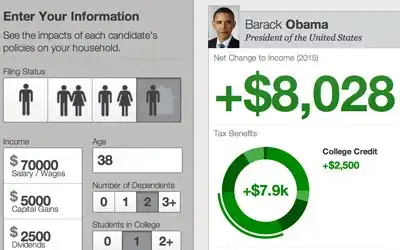
Такой дизайн возник из наблюдений Бьера: большинство американцев голосуют, игнорируя свои экономические интересы, что приводит к «саморазрушительному поведению». Politify, используя алгоритмы данных и визуализацию, бил прямо в эту слепую зону. Пользователь, видя результат «поддержка кандидата X будет стоить вам 2000 долларов чистого убытка в год», естественно, задерживался, делился и даже переосмысливал свой выбор.
Эта логика движется не функциональностью и не является простым клоном, а естественно вытекает из пользовательской боли. На самом деле, это также главное отличие продукта от инструмента. Я вижу много так называемых работ «Vibe coding» в твиттере (включая мои собственные), которые на самом деле являются инструментами, а не продуктами. Продукт — это расширение и преобразование эмоций, инструмент решает вашу конкретную проблему. Не буду углубляться.
Влияние Politify вышло далеко за пределы кампуса. Во время выборов 2012 года он привлек 4 миллиона пользователей с нулевым маркетинговым бюджетом, возглавил чарты загрузок, выиграл multiple awards, Knight Foundation поддержал его расширение до Outline.com, сотрудничал с правительствами, как например Массачусетс, продвигая обсуждения «цифровой демократии». Хотя нет данных, доказывающих ощутимую окупаемость продукта, он доказал вирусный талант Бьера:подход к слабостям человеческой природы через политику
Позже он размышлял о похожей логике в X:«Потребители принимают продукт не из-за функциональных пробелов, а из-за чувств, которые он вызывает». Это понимание стало скрытой нитью всех его продуктов — от «симуляции личной выгоды» в Politify до дофаминовых контуров последующих приложений.
TBH: Вирусный взрыв среди студенческой аудитории
По-настоящему Никита Бьер стал известен благодаря TBH (To Be Honest) в 2017 году. Это анонимное приложение для взаимных комплиментов среди старшеклассников, разрешающее только позитивные отзывы, чтобы избежать токсичности. В деталях, оно стартовало в одной старшей школе в Джорджии, полагаясь на естественный взрывной рост среди студентов, и достигло 5 миллионов всего пользователей и 2.5 миллиона DAU за два месяца. И все это силами всего четырех человек — Никиты Бьера и трех сооснователей (Эрик Хаззард, Кайл Зарагоза, Николя Дюкдодон).
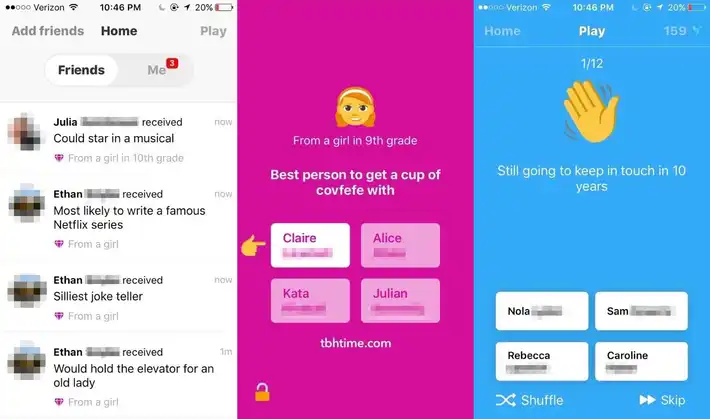
Схематическое изображение продукта tbh
Анализируя причины взрывного успеха продукта, скорее всего, он抓住了原始льную жажду подростков к «социальному подтверждению»: главным образом, возбуждение от анонимных комплиментов (ктот/та мне нравится? кто меня вообще любит? может, нам стоит сойтись?), формировало дофаминовые контуры.
Бьер в подкасте透露, что они потерпели неудачу с 14 приложениями, прежде чем нашли эту точку; команда также пробовала более негативные анонимные оценки, но не получила позитивного отклика, так как это была просто продуктизация традиционного кибербуллинга. Поэтому перешли на анонимные позитивные отзывы.
После запуска TBH быстро заметила встревоженная Facebook. От Instagram до Mnus, вы же знаете, Facebook всегда пытается решить проблемы приобретения, и на этот раз не исключение.
В то время Snapchat захватывал рынок подростков, Facebook столкнулся с кризисом «старения», а его контент-экосистема была полна токсичности.
Модель позитивного взаимодействия TBH соответствовала повороту Цукерберга к «здоровым сообществам»; что более важно, ее вирусный механизм доказал потенциал привлечения молодых пользователей с нулевым бюджетом. После приобретения TBH работала независимо, но закрылась в 2018 году из-за падения использования. Бьер присоединился к Meta в качестве продуктового менеджера до 2021 года.
Эта сделка в ретроспективе оказалась беспроигрышной: Facebook успешно исполнил стратегию защиты от конкуренции (как раннее приобретение Instagram), Бьер получил деньги и опыт работы в крупной компании. Возможно, с этого времени он научился сохранять скорость итераций в условиях масштабирования.
Gas: Снова с подростками, наконец-то прибыль
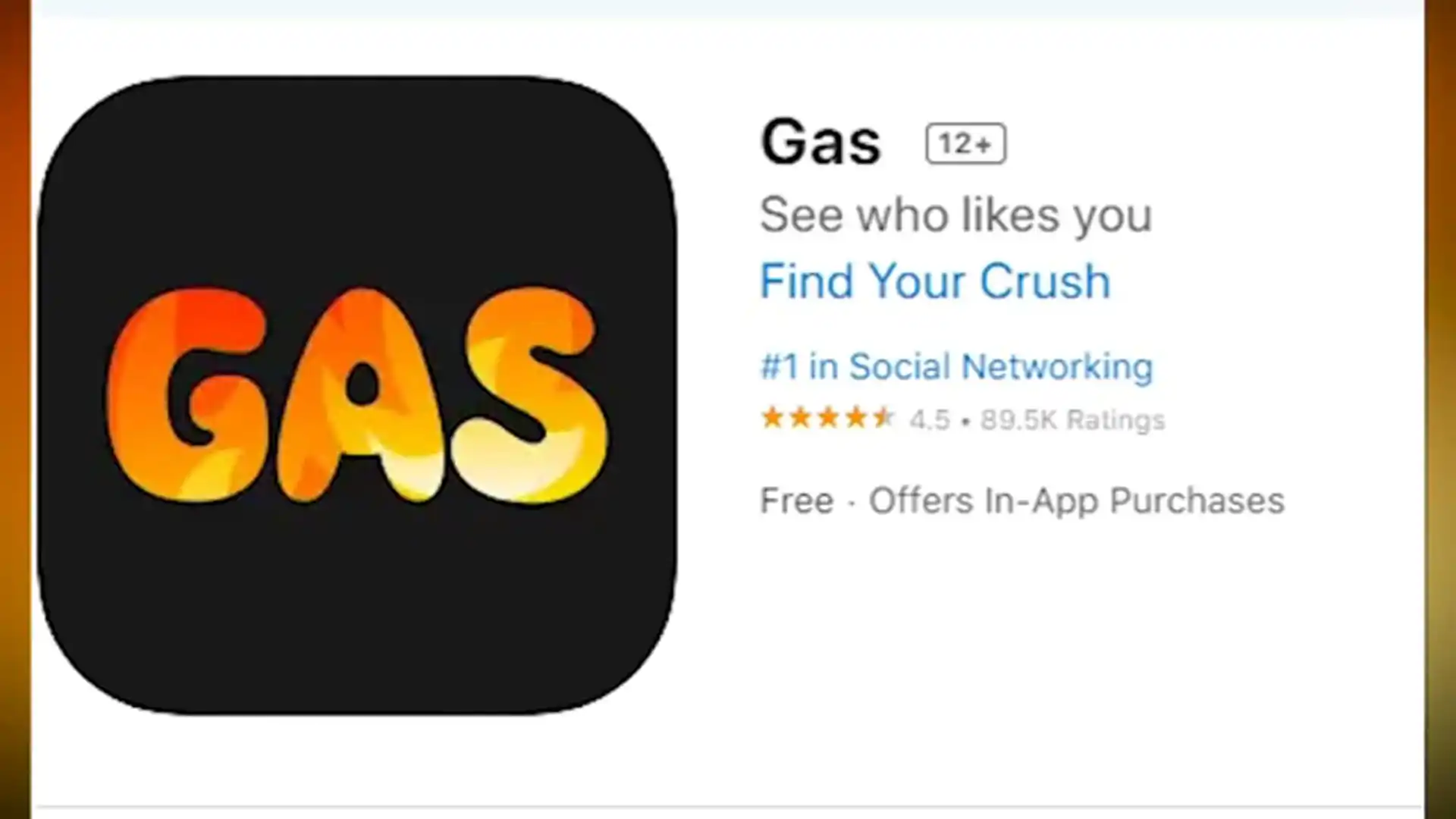
Приложение Gas
В 2022 году Бьер вернулся, выпустив Gas — можно рассматривать как усовершенствованную версию TBH, с добавлением функций голосования, геймификации и платного раскрытия лайкнувших. За три месяца достиг 10 миллионов пользователей, выручка $11 миллионов, в рейтинге App Store一度 обогнал TikTok и Meta, став самым популярным приложением в США.
В деталях, оно использовало любопытство пользователей платить, чтобы увидеть, кто их хвалит, формируя замкнутый цикл монетизации. Продукт был приобретен Discord в январе 2023 года за $50 миллионов, причина — заинтересованность в понимании подросткового сообщества Gas и его навыках growth hacking, которые уже доказали способность превращать кратковременный вирусный взрыв в устойчивую прибыльную сеть.
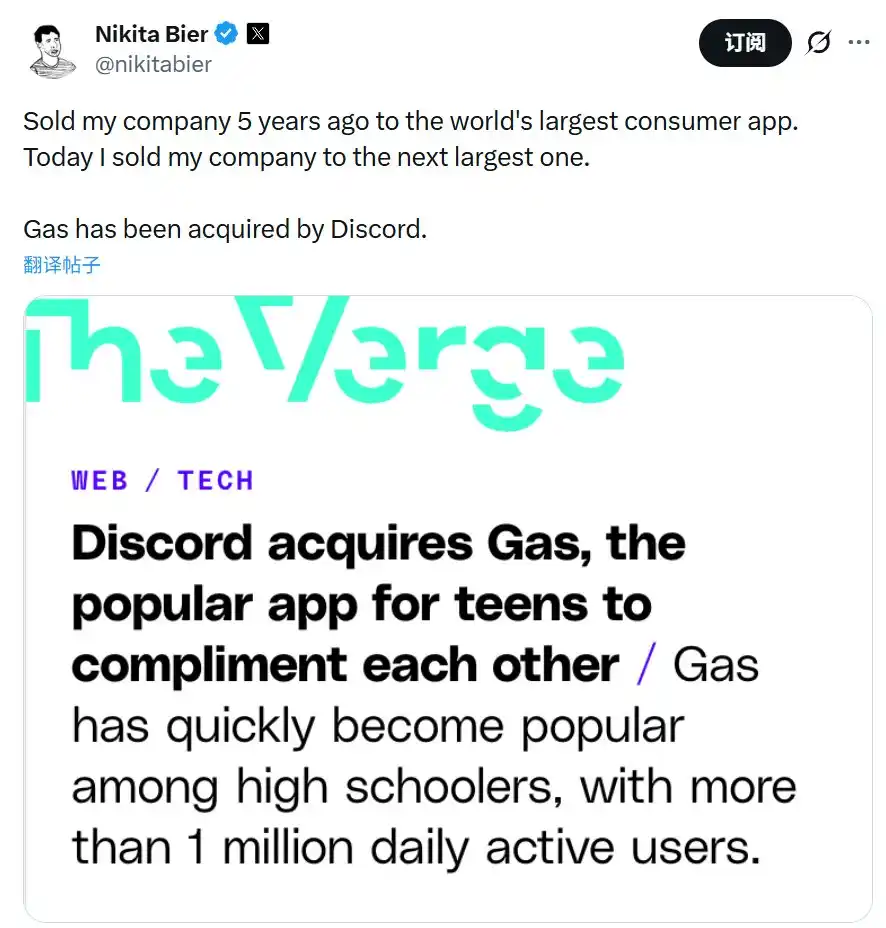
«Через пять лет снова продать следующему крупному игроку.»
Подводя итог его двум предпринимательским моделям: маленькая команда, без финансирования, быстрые пробы и ошибки. Хотя уровень неудач высок, но при попадании — взрывной вирусный рост.
Методология продукта: Эмоциональный рычаг и менталитет «сумасшедшего»
Методология продукта Бьера на самом деле проста и жестока.
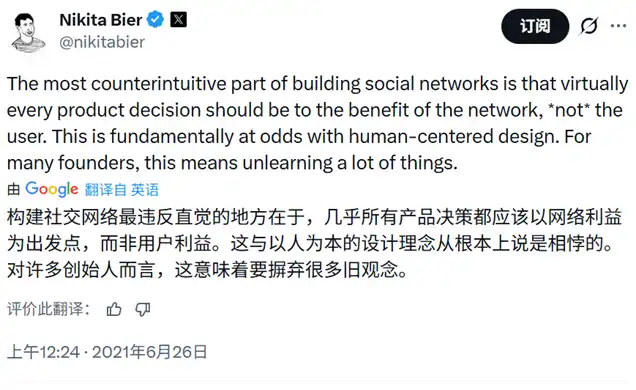
Служение интересам сети, а не отдельной боли
Он постоянно подчеркивает: хорошие потребительские приложения решают не боль отдельного пользователя, а служат всей сети; не исправляют баги конкурентов, а переосмысливают маховик роста.
«Не оптимизируйте 10% сообщений или фотографий, это уже достаточно хорошо сделано WeChat, Instagram и другими. Новички должны полагаться на вирусные идеи, на дофаминовые контуры, чтобы с нуля что-то сдвинуть.
» Его любимая концепция — «переломные моменты жизни» — учеба, сделки, прием на работу, эти уязвимые моменты, когда пользователь больше всего жаждет связи, продукт, попавший в них, может взорваться.
Бьер также直言不讳: нужно признать «горькую правду» в человеческой природе, например,原始льную жажду похвалы, статуса, социального подтверждения. Только усиливая эти эмоции, можно создать вызывающие привыкание вещи.Он рассматривает потребителей как «рептильный мозг»: политика или децентрализация не движут принятием, только赚钱, знакомства这些本能ные потребности.Создание продукта требует менталитета «сумасшедшего»: 99% решений生死攸关, уровень неудач极高, но итерации — король. В X он абстрагирует это как «академическая честность»: быстро признавать ошибки, принимать обратную связь, избегать погони за фантомами в больших компаниях.
Крипто-интерлюдия: От советника до движителя мобильной экосистемы Solana
После двух экзитов Бьер не бездействовал, а обратил взгляд на crypto/Web3 — но его участие было, как всегда, прагматичным: не торговля монетами или создание цепочек, а использование опыта вирусного роста для помощи таким топовым блокчейнам, как Solana, в построении потребительской мобильной экосистемы. В сентябре 2024 года он присоединился к Lightspeed Venture Capital в качестве партнера по продукту и росту. Lightspeed — старый игрок в крипто, ранее инвестировала в Solana. Никита здесь в основном помогал портфельным компаниям оптимизировать вирусный рост, сетевые эффекты и стратегии распространения. Роль позволила ему на уровне VC接触更多 Web3-проектов, не привязываясь к单一链.
25 марта 2025 года Бьер официально joined Solana Labs в качестве советника. Он公开表示, что его взгляды на crypto в последние годы были полны споров, но недавнее ослабление регулирования, большая дружелюбность App Store к crypto, хайп memecoin, который普及 Phantom-кошелек до миллионов телефонов, эти изменения сделали Solana идеальной платформой для потребительских приложений. Его конкретная работа в Solana — помощь в росте мобильной экосистемы Solana и связанных проектов.
Но он сохранил определенную дистанцию с crypto. Хотя через связи с Solana он также стал советником Pump.fun и公开 хвалил основателя Alon, он также подчеркнул, что у него нет доли в pump.fun.
Он偶尔在X上评论 memecoin, например, иронизировал «dropping a meme coin is a liquidation of your brand equity» (выпуск meme coin равносилен распродаже brand equity) или жаловался «every single meme coin launched in the last year has gone to zero» (каждая meme coin, выпущенная за последний год, обнулилась). Но это больше ирония или моральная позиция, он никогда по-настоящему не продвигал конкретные продукты по выпуску монет.
Эта крипто-интерлюдия高度一致 с его一贯ным стилем:
- Ловля «переломного момента» (здесь регулирование + мобильный переломный момент)
- Усиление сетевых эффектов, а не погоня за краткосрочными колебаниями
После присоединения к X его偶尔 дразнят в крипто-сообществе как maxi Solana, особенно когда недавние корректировки алгоритма повлияли на контент, связанный с крипто. Но все вышеперечисленное также закладывает основу для финансового позиционирования X.
Присоединение к X: Хронология от саморекомендации до руководства продуктом
В конце июня 2025 года Бьер официально присоединился к X в качестве руководителя продукта.
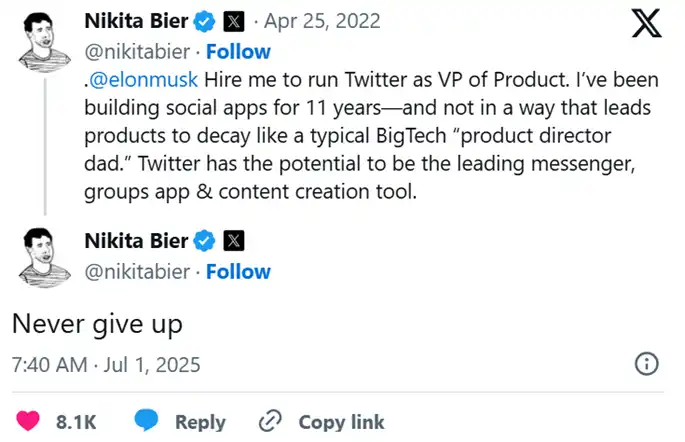
2022 год, Никита Бьер公开 в X саморекомендовался Маску на должность вице-президента по продукту Твиттера
После вступления в должность он снова начал активно работать, сделал кучу функций, просто перечислю: в начале июля оптимизировал核心 ленту, в октябре анонсировал функцию Сообществ. Январь 2026 года стал кульминацией — сотрудничество с командой алгоритмов, корректировка страницы рекомендаций, увеличение доли контента от друзей, взаимных подписок и подписчиков, одновременный запуск Smart Cashtags (актуальные цены акций + обсуждения), синхронизация черновиков (с приложения на веб), борьба с AI-спамом и т.д.

Почему так? На самом деле, это его логика:
- Страница рекомендаций нацелена на «плотность сети», позволяет пользователям видеть знакомых, усиливает привычку (как цикл лайков в TBH).
- Smart Cashtags усиливает уникальное позиционирование X (финансовые новости), использует «переломные моменты» (торговые решения).
- Скорость реагирования на обратную связь极高, потому что он верит, что каждый пользователь — это рычаг — игнорирование их разрушает сетевые эффекты.
Эти меры служат замкнутому циклу: сначала повышение удержания, затем захват потенциала монетизации, что соответствует его growth-ориентированному подходу. Эффект: загрузки приложения X выросли на 60%, время пользователей выросло на 20-43%. Подписки превысили 1 миллиард.
От вируса Politify, дохода Gas до рекорда подписчиков X, он始终 доказывает: продукт — это «эмоциональный рычаг», воздействующий на человеческую природу.
Блокировка Infofi: Возможно, это то, ради чего вы зашли
16 января Никита сбросил重磅 бомбу, объявив, что X пересмотрел политику API для разработчиков, больше не разрешая приложения типа «infofi» (механизм вознаграждения пользователей за посты), и напрямую отозвал доступ к API этих приложений.
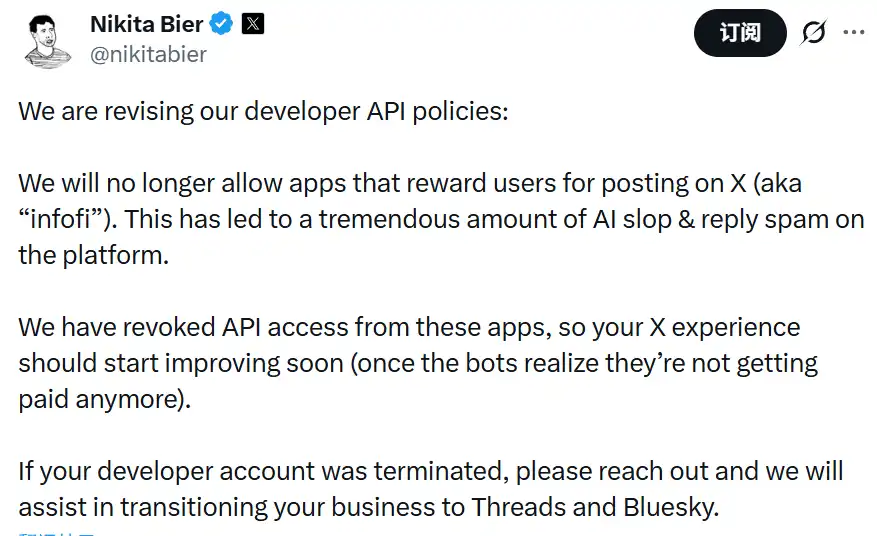
Infofi изначально было горячим термином в крипто-сообществе, referring to модель, стимулирующую пользователей производить контент в X через баллы или токены, как проекты Kaito, Cookie и другие. Эти приложения были一度 популярны, пользователи зарабатывали вознаграждения «yap» (болтовня в постах), но также создавали массу AI-генерированного «slop» (低质 контент) и спама в ответах, загрязняя ленту времени. Если вы дочитали до here, вы должны понять, что блокировка Infofi Никитой — естественным ходом вещей. Массовая генерация低质 контента не только загрязняет ленту, но и может привести к массовому оттоку пользователей Твиттера.
Никита一贯 подчеркивает «служение сети, а не индивидууму», контент Infofi разрушал качество контента сети Твиттера, противореча его философии роста.
Копнув глубже, это, возможно, также столкнулось со стратегическим布局ом X в крипто-сфере.
X продвигает финансовые функции, такие как отображение актуальных цен активов (включая crypto) в Smart Cashtags, превью-версия уже поддерживает смарт-контракты и упоминания активов,旨在 сделать X надежным хабом для финансовых новостей и торговых обсуждений.
В видении Маска, X должен интегрировать платежи, DeFi, даже экосистему memecoin, но при условии доминирования высококачественного контента. Если infofi продолжит распространяться, платформа утонет в低质 yap, отпугнув серьезных инвесторов и строителей. Сейчас大量的 мусорного контента уже имеет эту тенденцию.
Блокировка infofi равносильна расчистке пути Бьером для крипто-амбиций X: устранение scam, переход к устойчивым сетевым эффектам. Этот ход, хотя и может принести X небольшие временные трудности, в долгосрочной перспективе может выделить X, сделав его «эмоциональной инфраструктурой» крипто-эпохи.
В сегодняшнее время, когда потребительские социальные сети делать все сложнее, подход Бьера кажется одновременно архаичным и передовым. Мы видели слишком много взлетевших и рухнувших за ночь приложений. Теперь у него на руках большая экспериментальная площадка — X. Если удастся, возможно, удастся переписать правила социальных платформ; если провалится, это будет еще одна обучающая пометка. Результат придется подождать.







