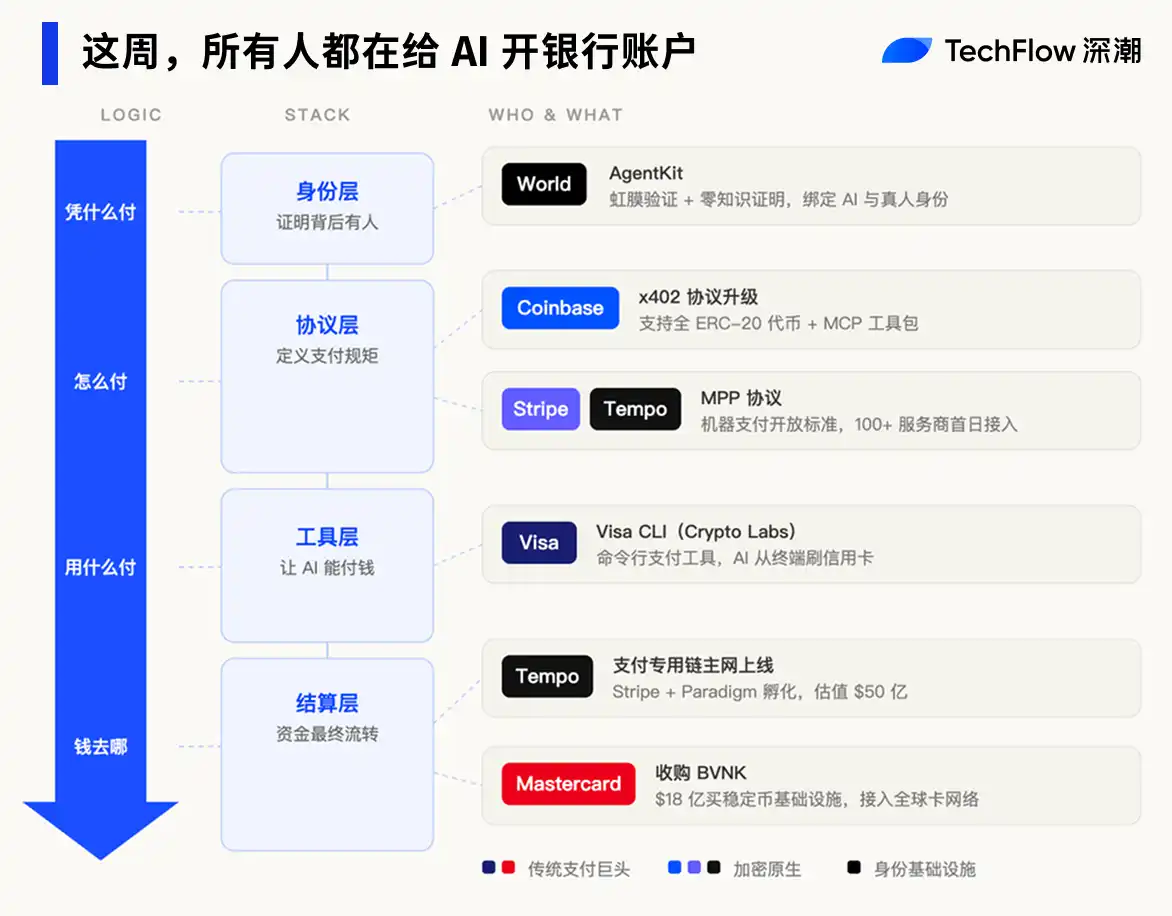
This Week, Everyone Is Helping AI Open Bank Accounts

marsbitОпубликовано 2026-03-19Обновлено 2026-03-19

Введение

This week, major players in finance and tech are racing to build payment infrastructure for AI agents. Stripe and Paradigm-backed blockchain Tempo launched its mainnet with a valuation of $5 billion, introducing the Machine Payments Protocol (MPP) to enable autonomous machine-to-machine transactions. Simultaneously, Visa unveiled a command-line tool for AI payments, Mastercard acquired stablecoin firm BVNK for $1.8 billion, Coinbase upgraded its crypto payment protocol x402, and Sam Altman’s World released an AI identity verification toolkit. The core problem: AI agents increasingly need to spend money autonomously—on APIs, compute, data, and services—but traditional payment systems (bank accounts, credit cards) require human authentication, creating a bottleneck. Both traditional finance giants and crypto-native companies are converging on solutions, leveraging existing card networks or blockchain-based systems to reduce friction for AI-driven transactions. Despite the flurry of high-value investments and infrastructure launches, current transaction volumes remain minimal (e.g., x402 processed just $65.4K in 24 hours). The market is nascent, resembling early internet infrastructure build-outs where demand eventually caught up with supply. The race is on to capture what could become a foundational layer for AI commerce—whether through traditional rails or crypto pipelines.

Author: David, Shenchao TechFlow

On March 18th, another blockchain mainnet went live.

It's called Tempo, backed by Stripe and Paradigm. Stripe is one of the world's largest online payment companies, processing $1.9 trillion in transactions last year; Paradigm is one of the largest venture capital firms in the crypto industry. The two jointly invested $500 million in Tempo last year, valuing the project at:

5 billion.

A $5 billion blockchain, not speculating on cryptocurrencies, not doing DeFi, not issuing memes. On the day of the mainnet launch, Tempo's most high-profile product was:

Enabling machines to pay machines.

This might sound abstract, but you can think of it as AI now having to pay for every step. Calling an API costs money, buying computing power costs money, pulling a batch of data from a database costs money...

But the existing payment systems are all designed for humans. Bank accounts require ID cards, credit cards require facial recognition, Alipay requires SMS verification codes.

AI can't pass any of these.

It can help you complete an entire workflow, but when it comes to the payment step, it has to stop and wait for a human to press "confirm."

So, launched alongside the mainnet is an open protocol called MPP (Machine Payments Protocol), co-developed by Stripe.

Simply put, it sets rules for transactions between machines, including how to request payments, how to authorize, how to settle, etc.

The envisioned scenario is that AI can autonomously spend money within preset limits without needing human approval for every transaction. On launch day, over 100 service providers had already integrated, including OpenAI, Anthropic, and Shopify.

But Tempo isn't the only one doing this this week.

Within five days, Visa established a new department and launched an AI payment tool, Coinbase's payment protocol underwent a major upgrade, Mastercard acquired a stablecoin company for $1.8 billion, and Sam Altman's World released a toolkit specifically for AI identity verification.

Five giants rushed through the same door in one week, eager to open bank accounts for AI.

Two Paths, One Door

Tempo is helping AI with settlements. But settlement is just one part of the payment system. For an AI Agent to truly spend money autonomously, it also needs payment tools, funding channels, and identity verification.

Here, traditional payment companies and crypto companies are competing for the cake using their respective strengths.
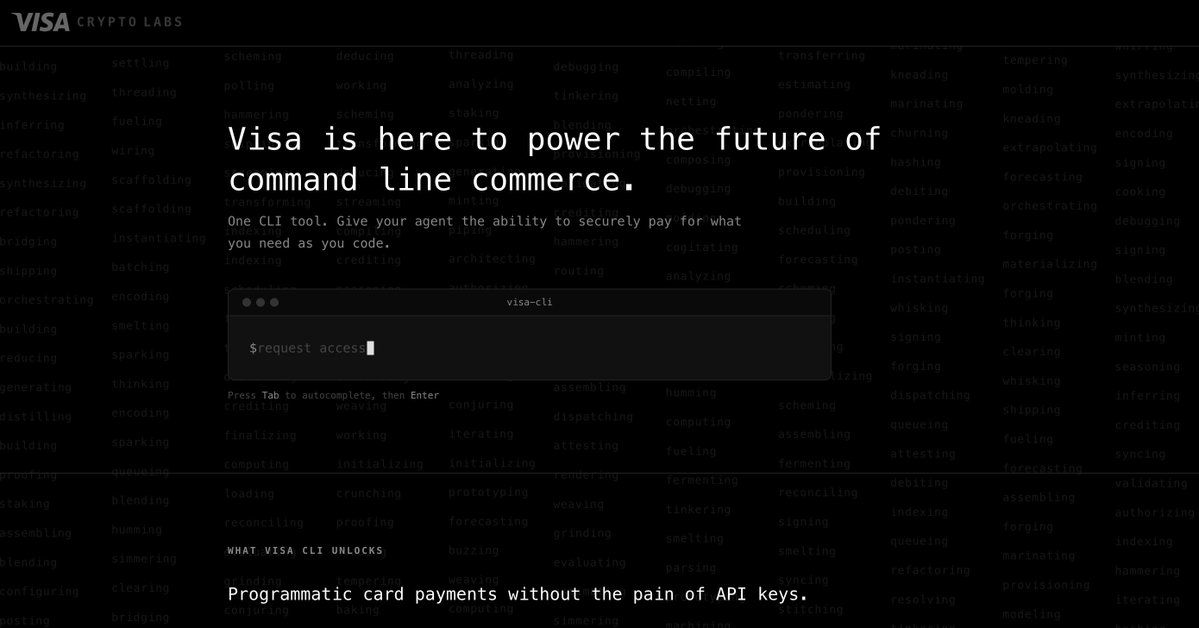
On March 18th, the same day Tempo's mainnet launched, payment giant Visa also moved. Its newly established Crypto Labs department released its first product: Visa CLI, a tool that allows AI Agents to initiate credit card payments directly from the terminal.

No API key needed, no pre-registration required. If an AI needs to buy some service while running a task, it can pay with one line of command. Visa calls this "command-line commerce."
Visa's global card network connects billions of cards and tens of millions of merchants. If AI payments can run on this existing network, it doesn't need to wait for any new infrastructure to mature.

Visa is extending the old path. Its competitor Mastercard chose another way: buying the path outright.

On March 17th, Mastercard announced the acquisition of London-based stablecoin infrastructure company BVNK for $1.8 billion. This is the largest stablecoin acquisition in the history of the crypto industry.

The purpose of this acquisition is straightforward: if AI payments are going to use stablecoins, then let those stablecoins flow through my pipes.

On the crypto-native side, the moves are equally密集 (dense).

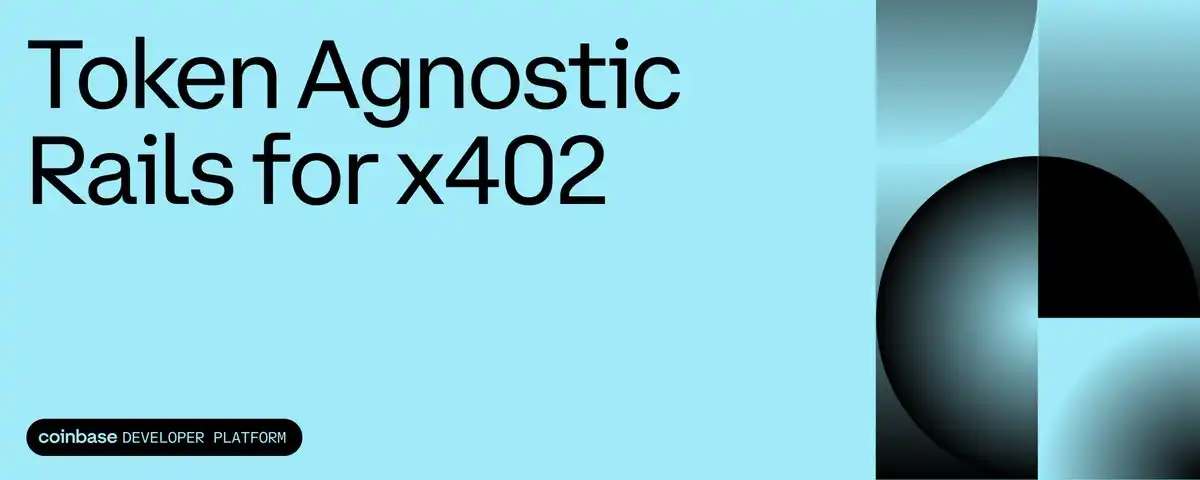
Coinbase's x402 protocol completed a major upgrade, expanding its payment scope from a few stablecoins to all ERC-20 tokens, while also releasing the MCP toolkit, allowing developers to integrate AI tools into the payment network with one click.
The two sides seem to start from different points, but their actions point in the same direction: Traditional payment companies are embracing crypto, crypto companies are embracing AI. Ultimately, crypto infrastructure is becoming the underlying pipeline for AI payments.

One环节 (link) remains. AI can spend money, but how does the merchant know if there's a human responsible for the AI spending the money?

On March 17th, World, co-founded by Sam Altman, released AgentKit, integrated with Coinbase's x402. It does only one thing: allow the AI to prove, while paying, that there is a verified real person behind it. The merchant can confirm that someone is responsible for the transaction but cannot see who that person is.

Five days, five companies. Settlement, channels, tools, protocols, identity. Every环节 (link) has been卡位 (staked out).

AI Cake Divided, Only the Cashier Left

Over the past three years, most positions on the AI industry chain have been taken.

The model layer is the table for OpenAI, Anthropic, Google, and a number of Chinese companies. Computing power is locked down tightly by Nvidia. The application layer is a bloody red ocean from programming assistants to search engines...

Every layer is crowded, and the competitive barriers in each layer are getting higher.

But the payment layer is still relatively vacant.

It's not that no one thought of it, the timing just wasn't right. AI Agent payment has a prerequisite: AI must first have the ability to independently complete an entire task chain. If it can only chat, doesn't need to call APIs, doesn't need to buy computing power, doesn't need to hire other Agents to work, then payment is not a rigid demand.

Over the past year, this prerequisite has slowly been established.

OpenClaw allows AI to directly operate computers, the MCP protocol allows AI to access external services, and the Agent capabilities of various large models saw concentrated breakthroughs in the second half of 2025. AI changed from a "conversation tool" to a "tool that gets work done," and getting work done costs money...

The demand for spending money has arrived, but the infrastructure for spending money does not yet exist.

This is why Stripe, Visa, Mastercard, and Coinbase acted simultaneously. For traditional payment companies, this is the first time they have gained a home-field advantage in the entire AI wave. They can't make models, they can't make chips, but payment is what they've been doing for decades.

Visa's global card network connects billions of cards and tens of millions of merchants, Mastercard covers over 200 countries, Stripe processed $1.9 trillion in transactions last year. If every AI expenditure flows through these pipes, the more capable AI is, the more money they make.

For crypto companies, the logic is somewhat different.

Coinbase CEO Brian Armstrong once said something very direct: "AI can own a crypto wallet, but it can't open a bank account."

Every step of the traditional financial system confirms "who you are." Opening a bank account requires an ID card, applying for a credit card requires facial recognition, every transaction requires an SMS verification code. AI is software, not a person; it can't pass any of these checkpoints.

But crypto wallets don't need these. A private key is an account. For an AI Agent, on-chain payment is the path of least resistance.

Crypto or not, AI payment will be a new infrastructure-level market. The difference is only whose pipeline is more suitable for machines.

Road Built, Cars Not Here

The story seems all set here, five giants are in place.

But there's a number worth looking at.

Coinbase's x402 protocol is currently the earliest landed and widest-reaching AI payment protocol. According to x402scan data, the total transaction volume of the entire ecosystem in the past 24 hours is $65,400. 150,000 transactions, averaging less than 50 cents per transaction.

What infrastructure is paired with this number? Tempo is valued at $5 billion, Mastercard spent $1.8 billion to acquire BVNK, Visa specifically established a new department, Stripe personally wrote the protocol.
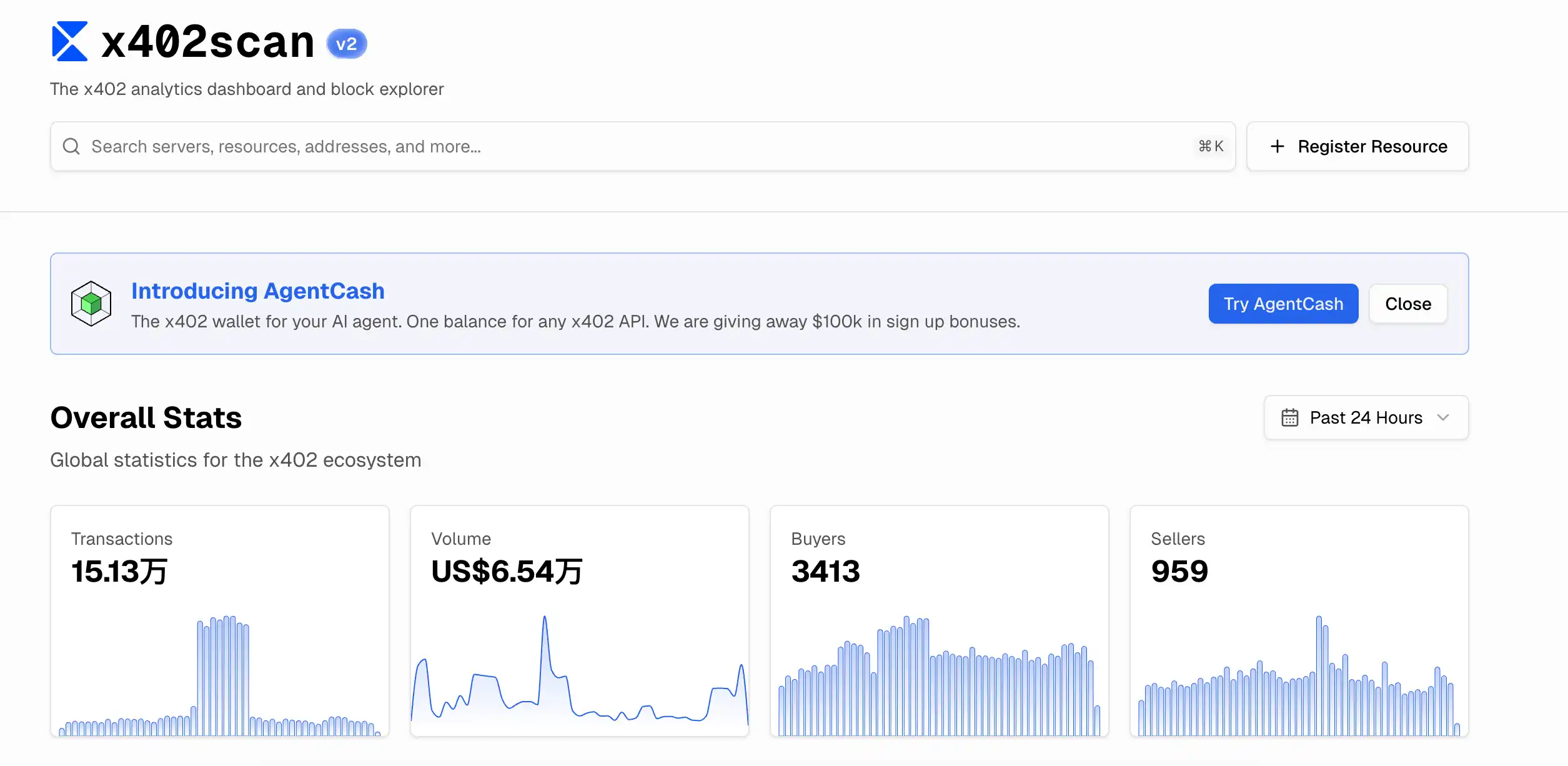
Billions in valuation infrastructure, serving a daily transaction volume akin to a roadside bubble tea shop.

All infrastructure businesses seem to have this常态 (normal state).

On the eve of the 2000 internet bubble, telecom companies laid millions of kilometers of fiber optic cables under the sea. After laying them, they found that global internet traffic only used 5% of it. Most of those companies went bankrupt, but the cables remained.

A decade later, video streaming and mobile internet filled those pipes. The road pavers didn't make money, but the road was real.

AI payment is at this stage now. The demand logic is sound: AI Agents are indeed becoming more capable, they indeed need to spend money autonomously, they indeed need a new financial infrastructure.

Everyone is on the starting line, but after the starting gun fires, they find that, for now, they are the only ones on the track.

As for whose road ultimately succeeds, and when the first truly autonomous AI transaction happens in your life, it might be faster than everyone expects, or it might be slower than everyone expects.

The only certainty is that this battle has already begun, and your wallet and mine might be the last to know.


Связанные с этим вопросы

QWhat is Tempo and what is its primary purpose as described in the article?

ATempo is a new blockchain mainnet launched by Stripe and Paradigm, with a valuation of $5 billion. Its primary purpose is not to trade cryptocurrencies or engage in DeFi, but to enable 'machine-to-machine payments'—allowing AI systems to autonomously pay for services like API calls, computing power, or data without human intervention for each transaction.

QWhich major payment companies made significant moves in the AI payment space during the week mentioned in the article?

AVisa, Mastercard, and Stripe all made significant moves. Visa launched a new tool called Visa CLI for AI agents to initiate credit card payments, Mastercard acquired stablecoin infrastructure company BVNK for $1.8 billion, and Stripe co-developed the Machine Payments Protocol (MPP) for Tempo.

QWhat problem does the current payment system pose for AI agents according to the article?

AThe current payment system is designed for humans and requires identity verification steps like ID cards, facial recognition, or SMS codes—all of which AI agents cannot pass. This forces AI workflows to pause at the payment step, waiting for human approval, hindering full autonomy.

QWhat role does encryption infrastructure play in AI payments as per the article?

AEncryption infrastructure, such as blockchain and crypto wallets, provides a low-friction path for AI payments because it doesn't require human identity verification. AI agents can use private keys to hold and spend funds autonomously, making it easier for machines to transact compared to traditional banking systems.

QWhat is the current scale of AI payment transactions on Coinbase's x402 protocol, and what does this indicate about the market?

AAccording to x402scan data, the daily transaction volume on Coinbase's x402 protocol is $65,400, with 150,000 transactions averaging less than $0.50 each. This indicates that despite massive infrastructure investments and high expectations, the actual market for AI payments is still in its very early stages, similar to historical infrastructure booms where demand lags behind supply initially.

Похожее

Warsh Hearing Concludes: What Are the Notable Signals for the Crypto Industry?

The Senate Banking Committee held a confirmation hearing for Judy Shelton, a Federal Reserve nominee, who faced intense questioning regarding her ability to maintain the central bank's independence amid pressure from President Trump to lower interest rates. Shelton denied any pre-arranged commitments on rate cuts and emphasized her independence, though Democrats remained skeptical, citing contradictions with Trump's public statements. Shelton characterized post-pandemic inflation as a major policy failure and called for a "regime change" in the Fed’s approach, including reforms to inflation measurement and communication strategies. She criticized the current practice of Fed officials frequently signaling future rate moves and did not commit to maintaining post-meeting press conferences, suggesting potential reductions in transparency. Regarding crypto markets, Shelton’s extensive investments in digital asset companies—including Solana, DeFi, and blockchain infrastructure—were noted, though she has pledged to divest these holdings due to ethics rules. Her familiarity with the crypto industry and deregulatory leanings may signal a more open, though cautious, stance toward digital assets. However, concerns were raised about potential conflicts of interest, especially given Trump family involvement in crypto-financial ventures. The timing of her confirmation remains uncertain, pending a Justice Department investigation into current Chair Powell. Shelton’s potential leadership could lead to a more hawkish, productivity-focused Fed with tighter policy communication—factors that may significantly influence liquidity conditions and macro narratives for crypto markets.

marsbit6 ч. назад

Warsh Hearing Concludes: What Are the Notable Signals for the Crypto Industry?

marsbit6 ч. назад

Торговля

Спот
Фьючерсы

Популярные статьи

Что такое $BANK

Банк ИИ: Революционный шаг в будущее банковского дела Введение В эпоху, отмеченную быстрыми темпами технологического прогресса, Банк ИИ находится на пересечении искусственного интеллекта (ИИ) и банковских услуг. Этот инновационный проект стремится переопределить финансовый ландшафт, повышая операционную эффективность, меры безопасности и качество обслуживания клиентов с помощью ИИ. Приступая к этому изучению Банка ИИ, мы углубимся в то, что включает в себя проект, его операционную динамику, его исторический контекст и значительные вехи. Что такое Банк ИИ? В своей основе Банк ИИ представляет собой преобразовательную инициативу, направленную на интеграцию искусственного интеллекта в различные банковские операции. Этот проект использует возможности ИИ для автоматизации процессов, улучшения протоколов управления рисками иEnhancing взаимодействия с клиентами через персонализированные услуги. Основные цели Банка ИИ включают: Автоматизация банковских функций: Используя технологии ИИ, Банк ИИ стремится автоматизировать рутинные задачи, снижая нагрузку на человеческие ресурсы и повышая эффективность. Улучшение управления рисками: Проект использует алгоритмы ИИ для прогнозирования и выявления рисков, тем самым укрепляя меры безопасности против мошенничества и других угроз. Персонализация банковских услуг: Банк ИИ сосредоточен на предложении индивидуально подобранных финансовых продуктов и услуг, анализируя данные и поведение клиентов. Улучшение клиентского опыта: Внедрение решений на базе ИИ, таких как чат-боты и виртуальные помощники, направлено на предоставление пользователям более человеческого взаимодействия, революционизируя способ, которым клиенты взаимодействуют с банками. С этими целями Банк ИИ позиционирует себя как ключевого игрока в сделании банковских услуг более эффективными, безопасными и ориентированными на пользователей. Кто создатель Банка ИИ? Детали, касающиеся создателя Банка ИИ, остаются неизвестными. Таким образом, ни одно конкретное лицо или организация не были идентифицированы в доступной информации. Анонимность, окружающая начало проекта, поднимает вопросы, но не умаляет его амбициозного видения и целей. Кто инвесторы Банка ИИ? Подобно создателю проекта, конкретная информация о инвесторах или поддерживающих организациях Банка ИИ не была раскрыта. Без этой информации трудно описать финансовую поддержку и институциональную поддержку, которая может продвигать проект вперед. Тем не менее, важность наличия прочной инвестиционной базы является ключевой для поддержания развития в такой инновационной сфере. Как работает Банк ИИ? Банк ИИ работает на нескольких инновационных фронтах, сосредотачиваясь на уникальных факторах, которые отличают его от традиционных банковских рамок. Ниже приведены ключевые операционные особенности: Автоматизация: Применяя алгоритмы машинного обучения, Банк ИИ автоматизирует различные ручные процессы внутри банков. Это приводит к снижению операционных затрат и позволяет работникам перераспределять свои усилия на более стратегические деятельности. Совершенное управление рисками: Интеграция ИИ в практики управления рисками обеспечивает банки инструментами для точного прогнозирования потенциальных угроз, таких как мошенничество, обеспечивая безопасность информации и активов клиентов. Индивидуализированные финансовые рекомендации: Путем непрерывного обучения на основе взаимодействия с клиентами, системы ИИ развивают тонкое понимание потребностей пользователей, позволяя им предлагать персонализированные советы по финансовым решениям. Улучшенные взаимодействия с клиентами: Используя чат-боты и виртуальных помощников на базе ИИ, Банк ИИ обеспечивает более увлекательный клиентский опыт, позволяя пользователям быстро получать ответы на свои запросы, тем самым сокращая время ожидания и повышая уровень удовлетворенности. Все вместе эти операционные особенности позиционируют Банк ИИ как пионера в банковском секторе, устанавливающего новые эталоны для предоставления услуг и операционного совершенства. Хронология Банка ИИ Понимание траектории Банка ИИ требует взгляда на его исторический контекст. Ниже представлена хронология, подчеркивающая важные вехи и события: Начало 2010-х: Концепция интеграции ИИ в банковские услуги начала привлекать внимание, когда банковские учреждения осознали потенциальные преимущества. 2018: Произошел заметный рост внедрения технологий ИИ, когда банки начали использовать инструменты ИИ, такие как чат-боты, для базового обслуживания клиентов и системы управления рисками для улучшения безопасности. 2023: Сложность ИИ продолжала развиваться, при этом генеративный ИИ был представлен для выполнения более сложных задач, таких как обработка документов и анализ инвестиций в реальном времени. Этот год стал значительным шагом вперед в возможностях, которые ИИ-технологии предоставили банкам. 2024-Настоящее состояние: На данный момент Банк ИИ находится на восходящей траектории, с продолжающимися исследованиями и разработками, которые расширяют возможности в банковских операциях. Продолжение изучения приложений ИИ намекает на захватывающие события, которые еще предстоят. Ключевые моменты о Банке ИИ Интеграция ИИ в банковское дело: Банк ИИ сосредоточен на принятии искусственного интеллекта для оптимизации банковских процессов и улучшения пользовательского опыта. Автоматизация и фокус на управлении рисками: Проект сильно акцентирует внимание на этих областях, стремясь сместить бремя рутинных задач, одновременно усиливая системы безопасности с помощью предсказательной аналитики. Персонализированные банковские решения: Используя данные клиентов, Банк ИИ предоставляет индивидуально подобранные банковские услуги, которые учитывают потребности отдельных пользователей. Обязанность по развитию: Банк ИИ остается приверженным постоянным исследовательским и развивающим усилиям, обеспечивая свою адаптируемость и постоянную актуальность по мере того, как технологии продолжают развиваться. Заключение В заключение, Банк ИИ является важным шагом вперед в банковской индустрии, использующим искусственный интеллект для изменения операционных парадигм, повышения безопасности и повышения удовлетворенности клиентов. Несмотря на пробелы в информации о создателе и инвесторах, четкие цели и функциональные механизмы Банка ИИ обеспечивают прочную основу для его постоянной эволюции. Поскольку технологии ИИ продолжают развиваться и сливаться с банковским сектором, Банк ИИ хорошо позиционирован, чтобы существенно повлиять на будущее финансовых услуг, улучшая наш подход к пониманию и взаимодействию с банковским делом.

148 просмотров всегоОпубликовано 2024.04.06Обновлено 2024.12.03

Что такое $BANK

Как купить BANK

Добро пожаловать на HTX.com! Мы сделали приобретение Lorenzo Protocol (BANK) простым и удобным. Следуйте нашему пошаговому руководству и отправляйтесь в свое крипто-путешествие.Шаг 1: Создайте аккаунт на HTXИспользуйте свой адрес электронной почты или номер телефона, чтобы зарегистрироваться и бесплатно создать аккаунт на HTX. Пройдите удобную регистрацию и откройте для себя весь функционал.Создать аккаунтШаг 2: Перейдите в Купить криптовалюту и выберите свой способ оплатыКредитная/Дебетовая Карта: Используйте свою карту Visa или Mastercard для мгновенной покупки Lorenzo Protocol (BANK).Баланс: Используйте средства с баланса вашего аккаунта HTX для простой торговли.Третьи Лица: Мы добавили популярные способы оплаты, такие как Google Pay и Apple Pay, для повышения удобства.P2P: Торгуйте напрямую с другими пользователями на HTX.Внебиржевая Торговля (OTC): Мы предлагаем индивидуальные услуги и конкурентоспособные обменные курсы для трейдеров.Шаг 3: Хранение Lorenzo Protocol (BANK)После приобретения вами Lorenzo Protocol (BANK) храните их в своем аккаунте на HTX. В качестве альтернативы вы можете отправить их куда-либо с помощью перевода в блокчейне или использовать для торговли с другими криптовалютами.Шаг 4: Торговля Lorenzo Protocol (BANK)С легкостью торгуйте Lorenzo Protocol (BANK) на спотовом рынке HTX. Просто зайдите в свой аккаунт, выберите торговую пару, совершайте сделки и следите за ними в режиме реального времени. Мы предлагаем удобный интерфейс как для начинающих, так и для опытных трейдеров.

911 просмотров всегоОпубликовано 2025.05.09Обновлено 2025.05.09

Как купить BANK

Обсуждения

Добро пожаловать в Сообщество HTX. Здесь вы сможете быть в курсе последних новостей о развитии платформы и получить доступ к профессиональной аналитической информации о рынке. Мнения пользователей о цене на BANK (BANK) представлены ниже.

活动图片