Автор оригинала: ChandlerZ, Foresight News
Ondo Finance 26 мая 2026 года в своем официальном аккаунте в Twitter опубликовала заявление, в котором объявила о неожиданной смерти основателя и генерального директора Натана Оллмана и назначила давнего президента Яна Де Боде новым генеральным директором. Компания заявила, что семья и близкие Оллмана получат поддержку всей компании, но не раскрыла дополнительных подробностей о причине смерти.
В заявлении также подчеркивалось, что Оллман создал в компании команду руководителей, способную работать независимо. Ян Де Боде более двух лет фактически отвечал за стратегию, продукты и повседневные операции компании и получил полную поддержку руководства. Компания четко заявила, что продолжит курс, заданный Оллманом.
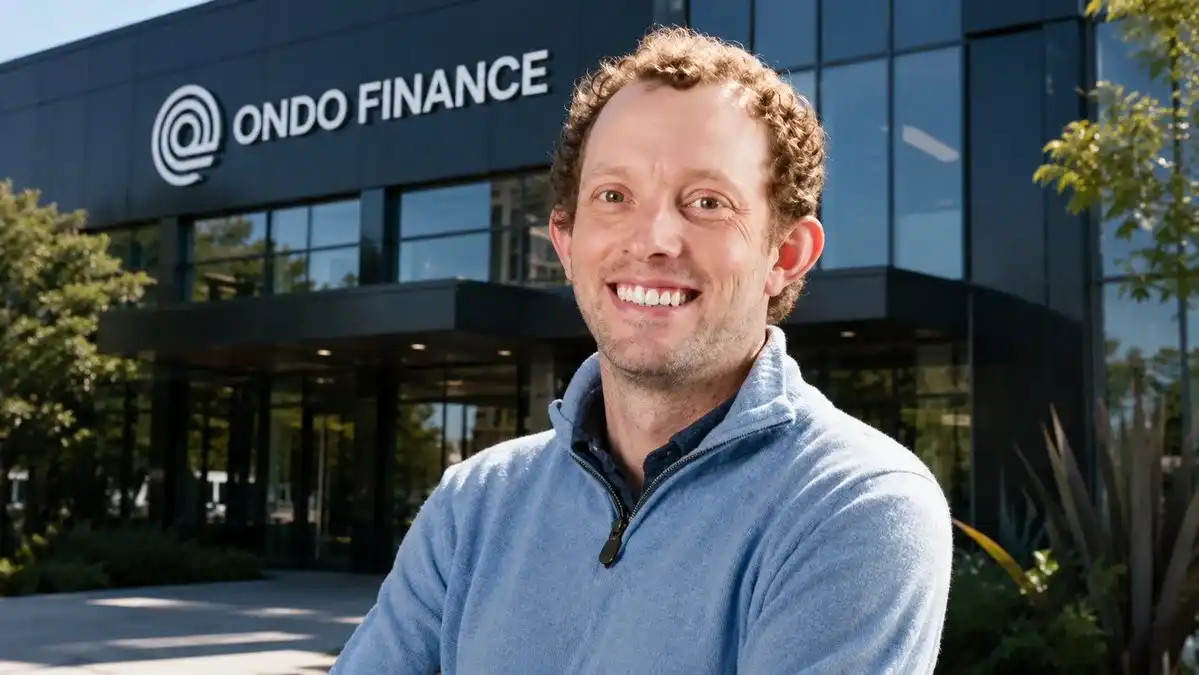
От Goldman Sachs до переговорного стола по регулированию токенизированных ценных бумаг
Натан Оллман был одним из общепризнанных ключевых двигателей направления RWA. Он окончил бакалавриат в Университете Брауна (Brown University), изучая экономику и биологию. Затем он поступил в Стэнфордскую школу бизнеса для получения степени MBA.
В 2018 году он управлял собственным крипто-хедж-фондом ChainStreet Capital, а в 2019 году перешел в подразделение цифровых активов отдела глобальных рынков Goldman Sachs, где специализировался на создании услуг криптовалютного рынка для институциональных инвесторов и использовании блокчейн-инфраструктуры для преобразования процессов выпуска и торговли традиционными ценными бумагами. Этот опыт стал непосредственным источником методологии для его будущих продуктовых разработок, и два года спустя он покинул Goldman Sachs и основал Ondo Finance.
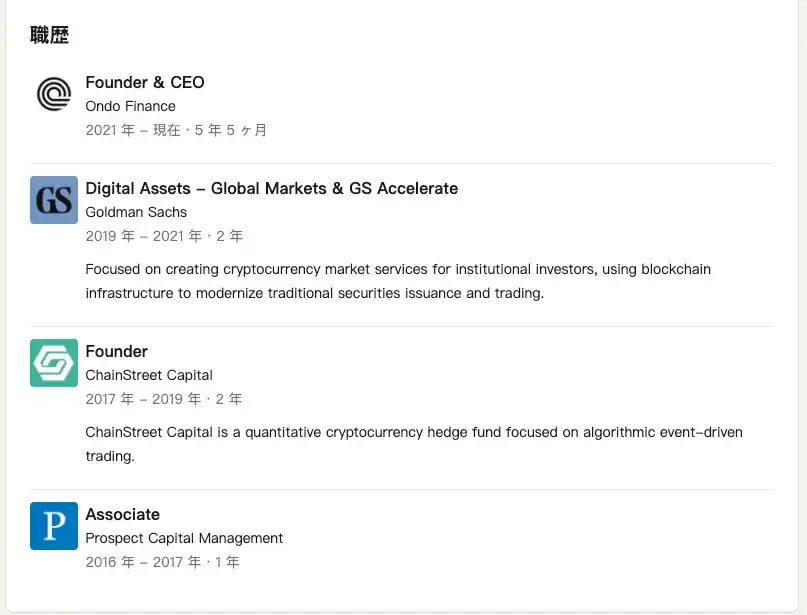
В 2021 году Оллман основал Ondo Finance, четко определив миссию проекта как «соответствующий нормативным требованиям канал, соединяющий традиционные финансы с ончейн-инфраструктурой». Основная линейка продуктов Ondo развивалась именно по этому пути.
На начальном этапе Ondo занималась структурированными DeFi-продуктами для получения дохода, а в 2023 году сместила фокус на токенизацию реальных мировых активов. Первым продуктом после этого поворота стал OUSG (Ondo Short-Term US Treasuries Fund): пользователи вносят стабильные монеты, такие как USDC, Ondo использует эти средства для покупки краткосрочных казначейских облигаций США, а затем распределяет доход в форме токенов среди держателей; одновременно USDY упаковывает доход от краткосрочных казначейских облигаций в бессрочный токен, открытый для квалифицированных инвесторов за пределами США.
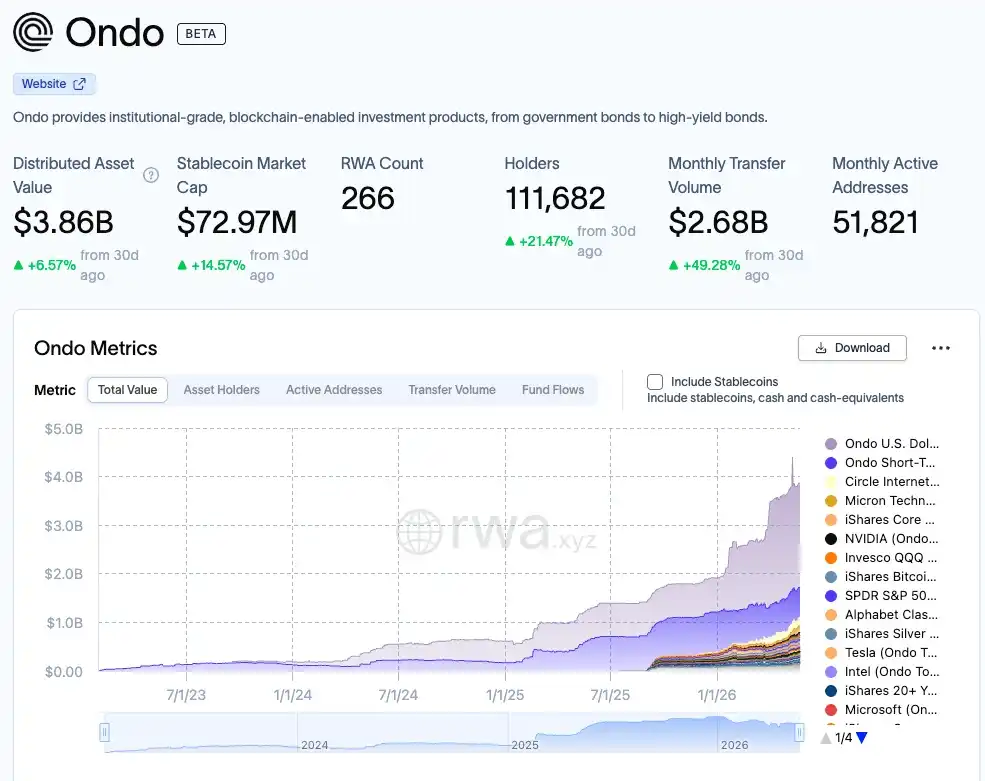
В то время крупнейшим продуктом токенизированных казначейских облигаций на рынке был фонд BUIDL от BlackRock с минимальным взносом в 5 миллионов долларов, недоступным для обычных инвесторов. В начале 2024 года Оллман принял ключевое решение: интегрировать BUIDL в базовые активы OUSG, позволив пользователям Ondo через OUSG косвенно владеть казначейскими облигациями под управлением BlackRock, одновременно снизив порог входа с 5 миллионов до 100 тысяч долларов и обеспечив круглосуточную (24/7) подписку и выкуп. Этот шаг укрепил позиции Ondo в направлении RWA. В течение всего 2024 года TVL Ondo вырос с 40 миллионов до 534 миллионов долларов, увеличившись в 13 раз.
После казначейских облигаций настала очередь акций. В сентябре 2025 года Оллман запустил Ondo Global Markets, расширив список токенизируемых активов с американских казначейских облигаций до акций США и ETF. Логика этого продукта заключается в следующем: огромное количество инвесторов по всему миру не могут напрямую покупать американские акции из-за географических ограничений, высокого порога входа или разницы во времени работы бирж. Ondo создал ончейн-токены для 260+ американских ценных бумаг, таких как акции Apple, NVIDIA, ETF S&P 500 и других. Пользователи за пределами США могут круглосуточно торговать этими токенизированными версиями в сетях Solana, Ethereum и BNB Chain. В интервью CNBC Оллман заявил, что значительная часть спроса исходит от криптопользователей, которые еще не пробовали инвестировать в традиционные активы, и ETF для них — самый простой вход.
TVL Ondo Global Markets превысил 240 миллионов долларов за 48 часов после запуска, а через 8 месяцев превысил 1 миллиард долларов, став первой платформой токенизированных акций, достигшей такого масштаба. Вместе с OUSG и USDY совокупный TVL всей платформы в какой-то момент превысил 4 миллиарда долларов, что составило около 58% рынка токенизированных акций.
Но главным препятствием для токенизированных ценных бумаг никогда не была технология, а регулирование. В США выпуск и торговля ценными бумагами строго регулируется Комиссией по ценным бумагам и биржам (SEC), а создание акций в виде ончейн-токенов находится в юридической серой зоне. Оллман выбрал путь прямого диалога.
В апреле 2025 года он возглавил команду на встрече с рабочей группой по криптовалютам SEC для обсуждения соответствия нормативным требованиям токенизированных американских ценных бумаг. В декабре того же года Ondo представила в SEC дорожную карту по токенизированным ценным бумагам, ключевым запросом которой было официальное признание SEC законной роли публичных блокчейнов на рынке токенизированных ценных бумаг и открытие доступа для розничных инвесторов. В том же месяце SEC тихо закрыла конфиденциальное расследование в отношении токенизированных казначейских облигаций США от Ondo и токена ONDO, не выдвинув никаких обвинений. Для криптокомпании, работающей в серой зоне регулирования, это было равноценно молчаливому разрешению.
Что касается финансирования, Ondo привлекла в общей сложности 46 миллионов долларов. Founders Fund и Pantera Capital совместно возглавили раунд Series A, с участием Coinbase Ventures, Tiger Global и Wintermute. В июле 2025 года Оллман и Pantera совместно учредили фонд Ondo Catalyst на сумму 250 миллионов долларов для инвестирования в инфраструктурные проекты RWA.
Последние кусочки пазла, оставленные Оллманом
В декабре 2025 года Ondo Finance объявила, что представила Комиссии по ценным бумагам и биржам США (SEC) свою дорожную карту по токенизированным ценным бумагам, заявив: прямая регистрация, бенефициарное владение, а также модели владения ценными бумагами через оболочку и связанные с ними модели сегодня сосуществуют на финансовых рынках и играют важную роль в ончейн-среде. В письме Ondo призвала SEC разрешить эти три модели следующим образом: поддержать модели прямого и опосредованного владения; 2. Принять разрешенные, безразрешенные и гибридные блокчейны; обеспечить целевое нормативное разъяснение для токенизации через агентов по трансферу; разрешить более широкую токенизацию ценных бумаг, хранящихся в DTC.
А за несколько недель до смерти Оллмана Ondo последовательно завершила несколько дел, которые никто в отрасли раньше не делал.
6 мая в официальном блоге Ondo Finance сообщалось, что совместно с Kinexys by J.P. Morgan, Mastercard и Ripple завершена первая почти в режиме реального времени транзакция трансграничного межбанковского обмена токенизированного фонда казначейских облигаций США. Традиционный процесс трансграничного выкупа ценных бумаг обычно занимает несколько дней: инвестор подает заявку на выкуп, банк-кастодиан подтверждает позиции, через межбанковские сети, такие как SWIFT, инициируется перевод средств, несколько посредников последовательно подтверждают операцию.
В этом пилотном проекте Ripple обменяла принадлежащие ей на XRP Ledger краткосрочные правительственные облигации США Ondo (OUSG). Ondo обработала обмен, отправила платежные инструкции в фиатных валютах через Mastercard Multi-Token Network, после чего блокчейн-инфраструктура Kinexys by J.P. Morgan выполнила расчеты по средствам и через свою сеть корреспондентских банков доставила долларовые средства на банковский счет Ripple в Сингапуре.
Примерно в то же время Ondo получила письмо об отсутствии возражений (No-Action Letter) от SEC, устранив препятствия для соответствия нормативным требованиям при выпуске токенизированных ценных бумаг в сети Ethereum. В компании заявили, что заявка Ondo имеет ограниченный охват, позиционирование продукта OGM остается прежним — это токенизированные векселя, предоставляющие инвесторам за пределами США доступ к американским акциям и ETF, при этом базовые ценные бумаги и официальные записи реестра остаются в существующей системе кастодиального хранения и хранятся у кастодиана BitGo. Основное изменение заключается в том, что при ограниченных обстоятельствах соответствующие права на ценные бумаги будут синхронно записываться в токенизированной форме в основной сети Ethereum для оптимизации мониторинга залога, процессов подписки и выкупа, а также сверки операций.
5 мая депозитарная трастовая клиринговая корпорация (DTCC) США опубликовала заявление, в котором сообщила, что служба токенизации DTC сотрудничает с более чем 50 финансовыми институтами, включив Ondo в альянс токенизированных ценных бумаг наряду с BlackRock и Goldman Sachs. Эта служба будет поддерживать токенизацию RWA, хранящихся в DTC, предоставляя те же самые права и защиту инвесторов, что и в традиционной форме. DTCC планирует запустить первые ограниченные производственные транзакции в июле 2026 года, а официальный запуск службы — в октябре.
Криптонативной команде, основанной пять лет назад, в списке партнеров значатся J.P. Morgan, BlackRock, Goldman Sachs, DTCC и Mastercard. В направлении RWA множество проектов занимаются токенизацией, но практически только Ondo одновременно сидит за столом переговоров с SEC и в альянсе DTCC. Установление этих партнерских отношений тесно связано с личным влиянием Оллмана.
Преемник уже на месте два года
В своем заявлении Ondo сказала, что Оллман помог им построить прочную организацию, и конкретный смысл этой фразы указывает на преемника Яна Де Боде.
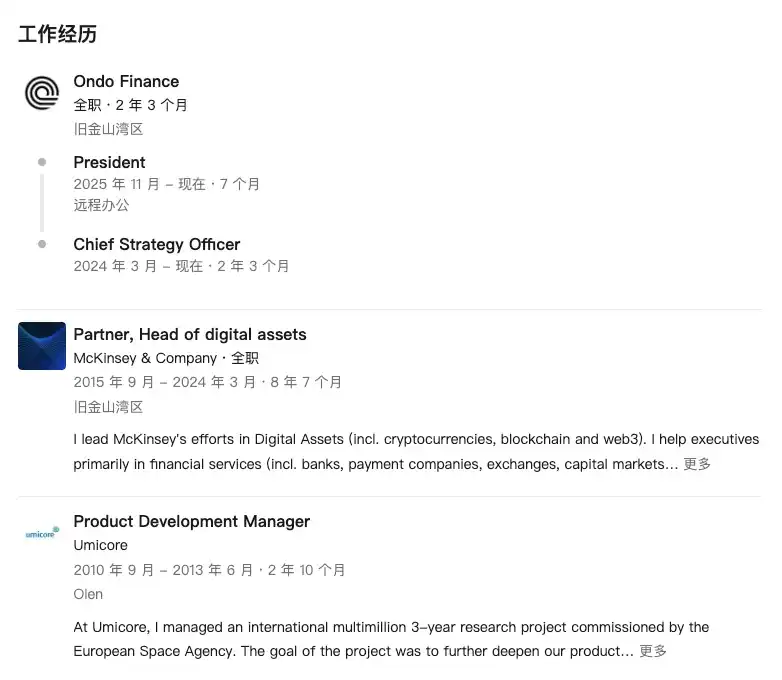
До прихода в Ondo Де Боде был глобальным руководителем практики цифровых активов в McKinsey, более десяти лет работая в консалтинге по цифровой трансформации институциональных организаций. Он также имеет степень MBA Стэнфордского университета. В конце 2023 года он присоединился к Ondo в качестве главного стратегического директора, в ноябре 2025 года был повышен до президента и более двух лет фактически руководил стратегией, продуктами и повседневными операциями компании. В заявлении Ondo особо подчеркивается, что Де Боде получил «полное доверие» управленческой команды.
Для криптокомпании крайне необычно, чтобы после неожиданной смерти основателя был преемник, проработавший более двух лет, знающий весь бизнес и готовый немедленно принять управление. Проекты в криптоиндустрии часто сильно зависят от личного влияния основателя и его способности привлекать сообщество; уход основателя обычно означает риски смены курса и кризис доверия. Но испытание, оставленное Оллманом, также очевидно: в апреле прошлого года он лично вел переговоры с SEC; накопленная им сеть личных связей в регулирующих органах и среди институциональных партнеров на Уолл-стрит — это то, что Де Боде нужно доказать, что он сможет перенять.
Токен ONDO упал примерно на 6% после объявления новости и в настоящее время торгуется на уровне 0,413 доллара. Реакция рынка относительно сдержанная, панических распродаж не наблюдается.
На момент смерти Оллмана не было зафиксировано публичных проблем со здоровьем. В заявлении Ondo используется формулировка «неожиданная кончина», причина не раскрывается. Пилотный проект по токенизации ценных бумаг DTCC в июле — это новая веха в его планах, но он не увидит ее запуска своими глазами.







