Автор|Хуахуа, Баньцзюнь
За последнюю неделю китайская индустрия больших моделей внезапно вступила в состояние почти бешеного финансирования.
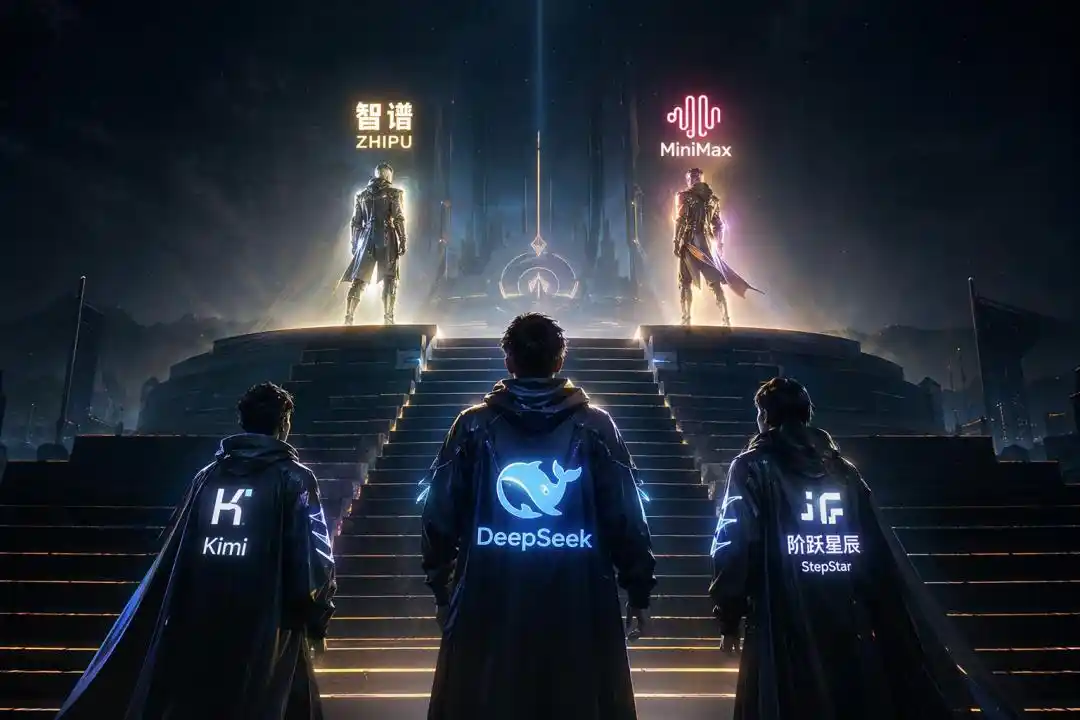
Kimi завершила раунд финансирования на $20 млрд, ее оценка превысила $200 млрд.
StepFun, как сообщается, близка к завершению раунда финансирования почти на $25 млрд, одновременно ускоряя демонтаж своей структуры VIE и вступая в финальный этап подготовки к IPO на Гонконгской бирже.
Впервые появилась информация о привлечении DeepSeek внешнего финансирования с участием государственного фонда, а его оценка поднялась до диапазона $45-50 млрд.
Три компании, три дня, более $70 млрд одновременно хлынули в отрасль. Это уже не дополнительное финансирование для благополучия, а больше похоже на коллективную погоню за квотами на будущее выживание.
На поверхности это самый жаркий момент в индустрии больших моделей.
Но самые опасные отрасли часто и самые горячие.
Когда капитал перестает распределяться равномерно и направляет все фишки нескольким последним ведущим игрокам, отрасль кажется необычайно процветающей, но на самом деле вступает в предрассветную ночь зачистки.
Бурный рост после IPO Zhipu и MiniMax постепенно заставил всех осознать: У независимых компаний больших моделей, возможно, осталось не так много времени.
I. Модели начинают коммодитизироваться
За последние два года самым большим консенсусом в индустрии больших моделей было то, что между возможностями моделей существует огромный разрыв.
GPT-4 когда-то казался недостижимым. Если стартап мог хотя бы немного приблизиться по какому-то параметру — длинный контекст, рассуждения, мультимодальность, агент — капитал готов был дать высокую премию.
Все верили, что разрыв в возможностях создаст долгосрочные барьеры.
Но в 2026 году ситуация изменилась.
Длинный контекст перестал быть редкостью. Способности к рассуждению перестали быть редкостью. Мультимодальность перестала быть редкостью.
После того как DeepSeek V4 поднял уровень возможностей открытых моделей близко к GPT-4 или даже более новым версиям, отрасль впервые по-настоящему осознала, что сами возможности модели, возможно, легче догнать, чем все думали.
Разрыв между Qwen, DeepSeek, Gemini, Claude, GPT-5.5 все еще существует, но уже вряд ли может создать разрыв поколений.
Модели коммодитизируются.
Как только происходит коммодитизация, рынок капитала снова задает вопрос: что остается кроме модели?
И тогда вся отраслевая нарративная риторика внезапно меняется.
В 2023 году все компании говорили о более сильной модели, большем числе параметров, лучших рассуждениях, более длинном контексте. Сегодня начали говорить о захвате конечных точек, привязке к цепочке создания стоимости, обладании пользовательскими входами, обладании национальной стратегической ценностью.
Этот переход знаменует формальный переход больших моделей от технологической гонки к этапу захвата позиций.
Данные рынка капитала уже отражают это.
В период «войны сотни моделей» в 2023 году количество китайских компаний, занимающихся большими моделями, росло экспоненциально. Данные из EBANG показывают, что в том году «шесть молодых тигров» суммарно привлекли более 6 млрд юаней, что составило более половины от общего объема раннего финансирования отечественных больших моделей. В 2024 году было еще безумнее: в глобальной цепочке создания стоимости больших моделей было 168 сделок финансирования на сумму свыше 100 млн юаней каждая, общий объем финансирования превысил 400 млрд юаней.
«Шесть молодых тигров» в совокупности привлекли за год не менее 20 млрд юаней, постоянно обновляя рекорды на раунд.
А затем наступил 2025 год. Резкий спад.
Согласно отчетам инвестиционного сообщества, компании уровня моделей ИИ за год завершили лишь 22 инвестиционные сделки, общий раскрытый объем составил 9.4 млрд юаней, что на 52.9% меньше, чем в 2024 году. Доля финансирования больших моделей в общем объеме инвестиций в ИИ упала с 51% в 2024 году до 14%. Компаний, привлекших за раунд более 2 млрд юаней, осталось только три: Zhipu, MiniMax и Moonshot AI.
Из 100 компаний осталось менее 10, способных получить финансирование. За два года уровень отсева превысил 90%.
Поэтому, когда мы видим, что три сделки на $70 млрд сконцентрировались в одну неделю мая 2026 года, их значение становится ясным: деньги текут не в отрасль, а к последним нескольким игрокам.
Чем больше этот раунд финансирования, тем выше концентрация. Чем выше концентрация, тем меньше места остается для следующих.
II. Музыка еще не остановилась, но мест уже не хватает
Безумный рост акций Zhipu и MiniMax после IPO сделал нечто, имеющее далеко идущие последствия для всей отрасли: установил на вторичном рынке ориентир, сколько стоят отечественные большиие модели.
Как только этот эталон установлен, все непубличные компании сталкиваются с вопросом жизни и смерти во времени. Если не успеть оцениться в текущем окне, то, как только рыночная усталость вызовет коррекцию, ваша оценка на первичном рынке будет мгновенно разрушена.
Окно открыли не вы, его удерживают первопроходцы. Если вы в него не прыгнете, оно закроется.
StepFun планирует подать заявку на листинг в Гонконге до конца июня, завершить IPO до конца года. Структура VIE уже демонтирована. Акционерная реформа завершена в апреле. Все подготовительные шаги сжаты в несколько месяцев.
ARR Kimi вырос с $100 млн до $200 млн за месяц. Инвесторы активно раскрыли эту цифру прессе, что на первичном рынке крайне необычно. Обычно компании позволяют утекать ключевым финансовым показателям только при подготовке к следующему раунду финансирования или рывку к IPO.
Такие действия, демонстрирующие стремление «доказать свою добропорядочность», говорят о том, что первичный рынок больше не верит в чистую фантазию, он хочет видеть денежные потоки, видеть определенность выхода. (Читайте далее:Kimi не испытывает недостатка в деньгах, ей не хватает DeepSeek)
DeepSeek ранее никогда не привлекал внешнего финансирования. Теперь на сцене появились государственные фонды.
Три компании делают, казалось бы, разные вещи, но их базовая логика полностью одинакова: зафиксировать статус, зафиксировать оценку, зафиксировать канал выхода. Пока окно еще открыто.
III. Дороже и дороже, дешевле и дешевле
Почему именно сейчас? Почему нельзя еще подождать?
Причина в том, что экономическая модель индустрии больших моделей обнажает все более смертельное противоречие.
На стороне затрат: кластеры GPU, вычислительные мощности для вывода, длинный контекст, мультимодальность, агенты — каждая новая возможность поглощает наличные деньги.
Но по-настоящему страшны не затраты на обучение. А затраты на вывод (инференс).
Обучение — это разовые вложения. Стоимость вывода растет синхронно с масштабом пользователей. Каждый токен, каждый вызов, каждая задача агента соответствует реальному потреблению GPU.
В эпоху мобильного интернета чем больше пользователей, тем больше платформа зарабатывает. В эпоху ИИ чем больше пользователей, тем беднее может сначала стать компания-разработчик модели.
У WeChat на одного пользователя больше — предельные издержки Tencent почти не меняются. У Douyin на одного пользователя больше — у ByteDance на одну рекламную позицию больше. У Doubao на одного активного пользователя больше — за этим стоят постоянно растущие расходы на вывод. (Читайте далее:Чем больше пользователей, тем беднее ByteDance)
Компании больших моделей по своей природе нуждаются в способности постоянно привлекать финансирование. А деньги на первичном рынке не могут поставляться бесконечно.
То, почему IPO внезапно стало невероятно важным, заключается не только в выходе, но, что более важно, в получении публичного канала капитала, способного долгосрочно «переливать кровь».
Вот что действительно беспокоит сегодня все независимые компании-разработчики моделей.
На стороне выручки все еще более жестоко.
DeepSeek действительно привнес ценовую войну в индустрию больших моделей. Высокие возможности, открытый исходный код, крайне низкая цена — эти три вещи впервые объединились.
Это стало разрушительным ударом по всей отрасли. Пространство для прибыли на рынке API было напрямую сжато.
Вся отрасль внезапно обнаружила, что возможности модели, возможно, не самая дефицитная вещь. По-настоящему дефицитными являются способность постоянно сжигать деньги, способность долгое время терпеть убытки, способность выдерживать ценовую войну.
А эти способности у стартапов по своей природе уступают гигантам.
Ужас гигантов не в моделях. В том, что у них есть способность к перекрестному субсидированию, которой у стартапов никогда не будет. ByteDance может долгое время делать Doubao бесплатным, потому что рекламный бизнес постоянно «переливает кровь». Недавно Doubao планировал ввести плату, и это тоже потому, что не выдерживает расходов, что показывает, насколько безумно сжигание денег.
Tencent же может продвигать Yuanbao по низкой цене, потому что игры и социальные сети по-прежнему приносят деньги. Модели стартапов должны научиться сами себя содержать.
Гиганты соревнуются экосистемами. Стартапы соревнуются выживанием.
Есть еще одно изменение, которое многие еще не осознали.
В 2023 году, когда капитал инвестировал в большие модели, он по сути покупал «возможность».
Потому что все верили, что достаточно создать следующий GPT-4, и можно переопределить интернет. Поэтому на том этапе финансирование все еще смотрело на бэкграунд основателя, техническую команду, возможности модели и пространство для воображения.
Но сегодня капитал начинает смотреть на другие вещи.
Он начинает спрашивать: есть ли у вас денежный поток, есть ли входные точки для конечных пользователей, есть ли привязка к экосистеме, сможете ли вы пережить следующую ценовую войну?
Это означает, что логика финансирования в индустрии больших моделей уже начала меняться от венчурных инвестиций к инфраструктурным инвестициям.
Венчурные инвестиции верят в будущее. Инфраструктурные инвестиции верят только в выживаемость.
Как только отрасль вступает в инфраструктурную стадию, капитал естественным образом концентрируется на верхушке. Потому что инфраструктурным отраслям никогда не нужно много игроков.
IV. Дежавю «Четырех драконов»
Этот сценарий разыгрывается не в первый раз.
Примерно в 2018 году «Четыре дракона» в области компьютерного зрения — SenseTime, Megvii, CloudWalk, Yitu — пережили почти идентичный сценарий: бешеное финансирование, взлет оценок, каждый раунд устанавливал рекорды. Все верили, что наступила эра ИИ.
А что случилось потом?
Tencent, Alibaba, Huawei вышли на рынок в полную силу. Компьютерное зрение стало стандартной функцией в облачных сервисах. Технологическая премия независимых компаний мгновенно испарилась, коммерциализация не смогла достичь масштаба, и в итоге после IPO последовали долгие периоды падения ниже цены размещения и затишья.
Сегодняшний сегмент больших моделей вступает в ту же стадию. Разница лишь в том, что на этот раз ставки выше, скорость сжигания денег быстрее, а давление гигантов более прямое. Годовые инвестиции ByteDance в ИИ могут превысить совокупный объем финансирования всех «шести молодых тигров».
Глобальные деньги рассказывают ту же историю. В третьем квартале 2025 года общий объем финансирования глобальных стартапов в области ИИ достиг $97 млрд, из которых почти 46%, около $44.6 млрд, были сконцентрированы и направлены не более чем пяти ведущим компаниям, разрабатывающим базовые модели, таким как Anthropic, xAI.
В 2026 году финансирование ведущих компаний, разрабатывающих модели, еще больше ускорилось, а объемы снова выросли:
OpenAI в марте завершила раунд финансирования на $122 млрд, оценка после инвестиций составила $852 млрд; Anthropic в феврале завершила раунд финансирования серии G на $30 млрд при оценке $380 млрд, а затем запустила новый пред-IPO раунд примерно на $50 млррд, целевая оценка — $900 млрд.
Капитал с беспрецедентной силой концентрируется на самой верхушке, компании среднего звена переживают самую долгую зиму ликвидности.
Эта тенденция справедлива и для Китая. За весь 2025 год доля финансирования больших моделей в общем объеме инвестиций в ИИ упала с 51% до 14%, но ведущая тройка забрала большую часть этих денег. Деньги не исчезли, они просто перестали распределяться поровну.
И скорость отсева намного выше, чем в предыдущем поколении. От «войны сотен групповых покупок» в мобильном интернете до дуополии AT потребовалось почти десять лет. Индустрии больших моделей, чтобы пройти путь от «войны сотни моделей» до зачистки, может потребоваться всего три года.
Год назад Baichuan AI была одной из компаний, наиболее похожих на китайский OpenAI. Ван Сяочуань появлялся практически в каждом обсуждении больших моделей. Сегодня его все реже можно увидеть в центре новостей о финансировании. 01.AI была звездной стартап-командой, Ли Кайфу громко объявил «All in AI». Но в отрасли все меньше и меньше обсуждают, сможет ли она выйти на следующий раунд.
Индустрия больших моделей отсеивает компании, даже если их технологии не отстают. Достаточно, чтобы окно капитала закрылось раньше.
V. Три пути, три ставки
Сегодняшние стартапы в области больших моделей уже разделились на три совершенно разных пути.
DeepSeek выбрал путь становления национальным технологическим активом.
Оценка в $45 млрд исходит не полностью от коммерциализации, а от стратегического значения технологического барьера, лидерство в эффективности алгоритмов делает его своего рода национальным резервом. Вход государственного фонда показывает, что его позиционирование вышло за рамки коммерческой конкуренции. Его риски лежат в другом месте: хрупкая организационная структура, несколько ключевых исследователей уже ушли.
StepFun выбрал привязку к цепочке создания стоимости аппаратного обеспечения. Ключевые игроки цепочки создания стоимости потребительской электроники, такие как Huaqin, Longcheer, OmniVision, ZTE, коллективно вошли в долю.
Логика председателя StepFun Инь Ци ясна: базовые возможности модели в конечном итоге будут уравнены, настоящий ров заключается в том, кто сможет встроить модель в цепочку поставок конечных устройств, чтобы противник не смог заменить вас, не заменив всю цепочку. По состоянию на конец 2025 года — 42 миллиона предустановленных телефонов, охват 60% ведущих брендов — важность этих цифр не в масштабе, а в глубине внедрения.
Kimi выбрал пользовательский масштаб и скорость. ARR вырос с $100 млн до $200 млн за месяц, подписки и API росли синхронно. Но ее проблемы также самые острые: месячная активная аудитория упала с пика в 36 млн до 8.33 млн, 350 млн MAU ByteDance Doubao образуют абсолютное давление, а цена B2B API пробита DeepSeek.
Продукт Kimi по-прежнему превосходен. Но факт превосходства продукта уже недостаточен.
Три компании идут совершенно разными путями, но у них есть общая черта: ни одна из них больше не говорит о том, чтобы создать лучшую модель в Китае. Все начали говорить о том, какую позицию они захватили.
VI. Конечная цель финансирования — не расширение
Почему за три дня одновременно хлынуло $70 млрд?
На поверхности это жар в отрасли. Но когда отрасль действительно на пике, финансирование, наоборот, должно быть неторопливым, компании будут не спеша выбирать инвесторов, растягивать цикл, ждать более высокой оценки.
Сейчас ключевое слово только одно: захватывать.
StepFun спешит с IPO. Kimi спешит доказать доходность. DeepSeek спешит завершить подтверждение статуса.
Они захватывают не деньги. Деньги — лишь инструмент. Что они действительно захватывают, так это последнее окно для независимого выживания.
В конечном счете, в индустрии больших моделей, возможно, не останется много независимых игроков. Инфраструктурные отрасли всегда таковы: облачные вычисления в итоге принадлежат нескольким гигантам, телекоммуникационные сети в конечном итоге сводятся к трем операторам, энергосистемы высоко централизованы.
Когда возможности модели коммодитизируются, цена API приближается к нулю, гиганты бесплатной стратегией собирают пользователей, независимым компаниям-разработчикам моделей остается либо провести IPO и получить способность постоянно привлекать финансирование, либо быть интегрированными в какую-либо экосистему, либо исчезнуть.
IPO — это получение удостоверения личности. Поддержка государственных фондов — это другое удостоверение личности. Удостоверение личности не гарантирует победу. Но без удостоверения личности вы даже не сможете войти в следующий раунд.
А те имена, которые не появились в новостях на этой неделе, само их молчание уже является ответом.
Слова «За пределами страницы»:
В 2023 году самый частый вопрос в сегменте отечественных больших моделей был: кто сможет это сделать?
В 2026 году этот вопрос превратился в: кто сможет выжить?
От «сделать» до «выжить» — всего три года. Но этих трех лет достаточно, чтобы отрасль перепрыгнула из весны прямо в осень.
Эта статья из официального аккаунта WeChat «За пределами страницы», автор: Хуахуа