Помните громкую историю 2021 года — «Битву розничных инвесторов с Уолл-стрит вокруг GameStop (GME)»? Тогда множество частных инвесторов покупали акции GME через платформы вроде Robinhood, пытаясь противостоять фондам, играющим на понижение. Но произошел драматичный поворот: несколько брокеров временно ограничили покупки, разрешив только продажи. Возмущенные инвесторы спрашивали: почему я не могу решать, как торговать акциями, за которые заплатил? За этим скрывался разрыв между правами «номинального держателя» и «фактического бенефициара» в традиционной финансовой системе для розничных инвесторов.
Сейчас происходит более глубокая трансформация, которая может从根本上 решить эту проблему. Недавно под руководством криптовалютного инвестиционного банка Galaxy Digital (GLXY) в мае 2026 года на годовом собрании акционеров впервые в мире пройдет онлайн-голосование акционеров на блокчейне. Это не просто технический эксперимент — он знаменует эволюцию токенизированных акций из «цифровой копии» в «настоящие долевые права» с полным набором прав акционеров, что может изменить ландшафт корпоративного управления на десятилетия вперед.
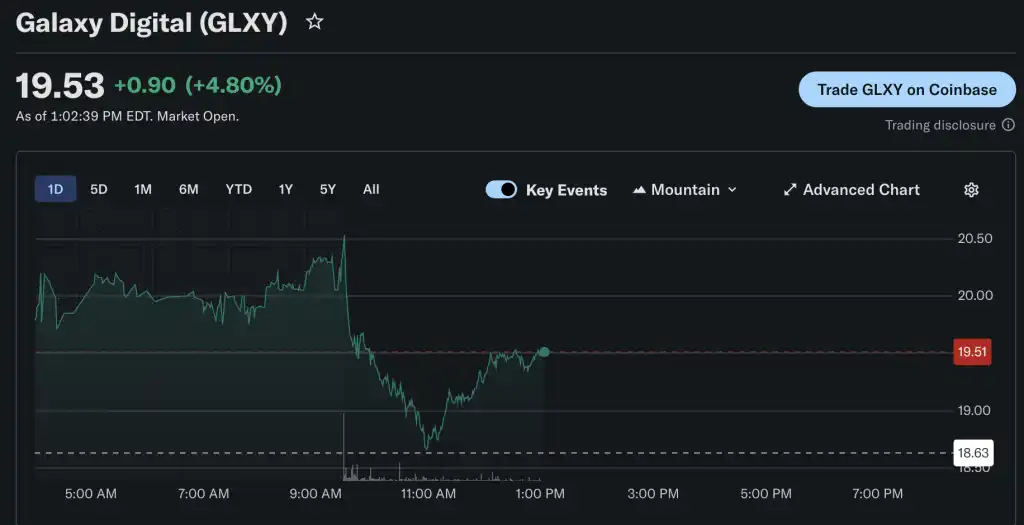
От «цифровой расписки» к «настоящим акциям»: совершеннолетие токенизированных активов
За последние годы мы наблюдали, как токенизация реальных активов (RWA) прошла путь от концепции до инфраструктуры. От казначейских облигаций США до фондов недвижимости — различные активы «переехали» в блокчейн. Но у токенизации акций всегда был неудобный «первородный грех»: многие токенизированные акции больше похожи на «цифровую расписку», отслеживающую цену акций, или синтетический дериватив, где держатель не обладает ключевыми правами акционера, такими как право голоса или получения дивидендов.
Для розничных инвесторов, стремящихся к стабильному доходу, это, возможно, не имеет значения, но для институциональных инвесторов (например, пенсионных фондов, взаимных фондов), связанных фидуциарными обязанностями, это фатальный недостаток. Они не могут вкладывать средства клиентов в «псевдо-акции» без права голоса. Поэтому токенизированные акции долгое время оставались в нишевых торговых сценариях, не привлекая внимания mainstream-институтов.
Сотрудничество Galaxy Digital с финтех-гигантом Broadridge как раз и призвано прорвать этот барьер. С помощью платформы, построенной на блокчейне Avalanche, инвесторы, владеющие токенизированными акциями GLXY, смогут напрямую получать материалы собраний и подавать голоса через цифровой кошелек. Как сказал CEO Galaxy, легенда Уолл-стрит Майк Новограц: «Доверенное голосование — это ключевая функция права собственности на акции. Реализация онлайн-доверенного голосования для публичных компаний больше не теоретическая дискуссия.»
Это напоминает мой опыт инвестирования в некоторые акции через Hong Kong Stock Connect: как инвестор из материкового Китая, процесс участия в голосовании на собраниях акционеров был настолько сложным, что от него приходилось отказываться. Прямое, прозрачное и неизменяемое онлайн-голосование — именно то лекарство, которое нужно для решения таких проблем.
Анатомия «движка онлайн-голосования»: как прозрачность побеждает «черный ящик»?
Решение Broadridge так важно, потому что оно бьет в самое сердце традиционной системы доверенного голосования: непрозрачность и неэффективность.
В нынешней системе владения «уличным именем» (street name) с ядром в лице Depository Trust Company (DTC), ваши акции могут пройти через несколько посредников — брокера, кастодиана, клиринговую палату — прежде чем будут зарегистрированы. Ваша инструкция для голосования похожа на письмо, которое должно пройти через несколько почтовых отделений; задержка или потеря на любом этапе может помешать вашему голосу быть услышанным на собрании акционеров. В истории немало примеров «сбоев сверки голосов» (vote reconciliation failures), возникших из-за этого.
Онлайн-платформа Broadridge делает три умные вещи:
- Прямое голосование из кошелька: материалы для голосования поступают прямо в ваш цифровой кошелек, голосование происходит в блокчейне, путь最短, нет посредников, которые могут «навредить».
- Мультичейн-аудит: записи голосования хранятся не в одном блокчейне, а распределены по нескольким для аудита. Это как хранить протокол собрания одновременно в банковском сейфе, архиве суда и облаке — любой может проверить и отследить, что значительно повышает доверие.
- Единый интерфейс: независимо от того, как вы владеете акциями — через прямую регистрацию, через брокера или в токенизированной форме — все данные голосования суммируются в одном интерфейсе. Это решает проблему раздробленности прав из-за разных способов владения.
Согласно данным Broadridge, их платформа уже обрабатывает ежемесячно токенизированные активы на $8 трлн и более 70 млрд инвесторских коммуникаций в год. Это уже не «масштабное тестирование», а финансовая инфраструктура, проверенная огромным объемом транзакций. CEO Тим Гоки считает, что точные и недорогие инструменты управления являются предпосылкой для массового adoption токенизированных акций институтами, а не дополнением, добавляемым постфактум.
Возможности и подводные течения: когда корпоративное управление входит в «эпоху прямых трансляций»
Распространение онлайн-голосования переместит корпоративное управление из «закрытых залов заседаний в эпоху прозрачных прямых трансляций». Представьте: процесс голосования по всем важным решениям (например, выборы совета директоров, сделки M&A, вознаграждение топ-менеджеров) можно проверять в реальном времени, и он неизменяем. Это значительно сократит существующую асимметрию информации между зарегистрированными акционерами и номинальными бенефициарами.
Для активных инвесторов и активистов-акционеров это, несомненно, благо. Они могут точнее объединять права голоса и продвигать изменения в стратегии компании. Для публичных компаний это также стимул, заставляющий руководство больше внимания уделять коммуникации со всеми акционерами (особенно мелкими).
Однако Международный валютный фонд (МВФ) в недавнем отчете высказал трезвое предупреждение. В нем отмечается, что токенизированные финансы могут усиливать финансовые кризисы, ускоряя передачу рыночных напряжений, поскольку скорость расчетов в блокчейне может опережать реакцию регуляторов. Когда функции управления и расчетов одновременно перемещаются на общую блокчейн-инфраструктуру, этот канал риска становится более relevant.
Это не преувеличение. Если сомнительное решение компании будет принято через онлайн-голосование и быстро исполнено, паника на рынке и распродажи также могут распространиться со скоростью света. Поэтому программируемое регулирование (например, установка периода охлаждения для голосования, задержка расчетов по крупным сделкам) должно развиваться同步но с технологическими инновациями.
Взгляд в будущее: Кто следующий? Какие препятствия?
Galaxy Digital сделала первый выстрел, но кто следующий? Это ключ к тому, станет ли эта трансформация «выступлением одного актера» или «большим хором».
Платформа Broadridge изначально разработана для поддержки multiple эмитентов, она не создана специально для Galaxy. Nasdaq уже получила одобрение SEC на пилотный проект по торговле токенизированными ценными бумагами, Нью-Йоркская фондовая биржа также сотрудничает с Securitize, готовя запуск цифровой торговой платформы. Инфраструктура готовится.
Но широкое adoption все еще сталкивается с препятствиями:
- Ясность регулирования: Несмотря на пилотные проекты, всеобъемлющие regulatory framework для выпуска, торговли и управления токенизированными ценными бумагами в блокчейне все еще формируется.
- Традиционные интересы: Существующие системы доверенного голосования, клиринга и расчетов involve обширные сети интересов, поэтому изменения неизбежно встретят сопротивление.
- Технологический порог и безопасность: Обычным инвесторам仍需 учиться управлять приватными ключами и использовать кошельки; а такие риски безопасности, как уязвимости смарт-контрактов или кражи кошельков, нельзя игнорировать.
Согласно моим личным наблюдениям за рынком, с 2024 года объем токенизированных фондов, выпущенных такими гигантами asset management, как BlackRock и Fidelity, продолжает расти, что показывает, как институциональные деньги тихо входят на рынок в форме «токенизации активов». Это прокладывает путь для «токенизации акций». Как только несколько знаковых технологических или финансовых компаний последуют за Galaxy, создав кластерный эффект, переломный момент может наступить быстро.
Заключение: Ваши инвестиции, ваши права
В конечном счете, эксперимент Galaxy Digital с онлайн-голосованием касается самого фундаментального принципа: подлинности права собственности. В цифровую эпоху мы инвестируем не просто в строку ценового кода, а в ясный, полный и исполняемый документ прав.
Эта трансформация не произойдет overnight, она будет продвигаться amidst аплодисменты, споры и磨合. Но для каждого инвестора это означает, что в будущем мы, возможно, сможем真正 участвовать в судьбе компаний, в которые инвестируем, как настоящие «владельцы». Когда каждый ваш голос будет четко записан в блокчейне, как высеченный в камне, рынок капитала сделает большой шаг к идеалу «верховенства акционеров». Конечно, embracing новым технологиям всегда должно сопровождаться清醒ным отношением к новым рискам, которые они несут — это неизменный закон инвестиций.



















