# Сопутствующие статьи по теме Trade War

Новостной центр HTX предлагает последние статьи и углубленный анализ по "Trade War", охватывающие рыночные тренды, новости проектов, развитие технологий и политику регулирования в криптоиндустрии.

A Hidden Financial War? Iran Collects Strait Passage Fees with Stablecoins

Iran has officially institutionalized a mandatory toll system for all large tankers passing through the Strait of Hormuz, rejecting dollar-denominated payments. Instead, fees must be paid either via yuan-denominated wire transfers or in USD-pegged stablecoins via decentralized networks. The move is designed to bypass U.S. financial sanctions and traditional banking channels like SWIFT system. The Islamic Revolutionary Guard Corps (IRGC) is implementing a tiered pricing model based on geopolitical alignment: allies like China and Russia pay the lowest rates, while U.S. allies and Israel are barred entirely. Vessels must display approved flags and are escorted through the strait after payment. This marks the first time a nation has integrated cryptocurrency into strategic-level payment infrastructure at commercial scale. The mechanism could channel over $20 billion annually in stablecoins through Iranian-controlled wallets, creating a grey liquidity pool shielded by sovereign power. However, risks remain. Compliance with sanctions from the EU and UK may void insurance coverage for vessels paying the IRGC, forcing shipowners to choose between longer routes or potential financial penalties. Russia is considering a similar model for the Northern Sea Route, signaling a broader shift toward using geographic chokepoints as financial leverage in a reordered global trade system.

marsbit04/07 03:51

A Hidden Financial War? Iran Collects Strait Passage Fees with Stablecoins

marsbit04/07 03:51

Complete Analysis of Trump's Tariff "Playbook": A Practical Operation Guide

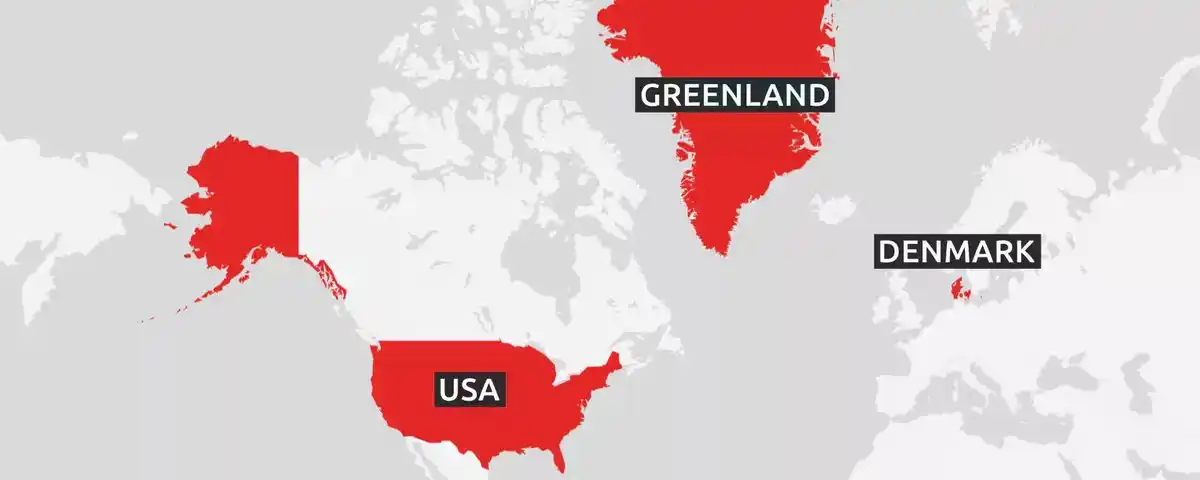
Former President Trump has announced new tariffs targeting multiple European nations, including Denmark, Norway, Sweden, France, Germany, the UK, the Netherlands, and Finland, starting at 10% on February 1 and escalating to 25% by June 1. These measures are tied explicitly to his strategic objective of acquiring Greenland, which he insists must be a "complete and comprehensive purchase." This follows a recurring pattern in Trump’s trade strategy: using high-stakes tariff threats as a negotiation tool, often announced over weekends when markets are closed to maximize psychological impact. The approach typically triggers an initial wave of market volatility and emotional selling, followed by a rebound as investors anticipate negotiated resolutions before tariffs take effect. The Kobeissi Letter outlines a consistent tactical playbook observed since early 2025: tariff threats are introduced, markets react negatively, buying opportunities emerge mid-week, and eventual deal announcements drive market rallies. While the Greenland demand is notably more ambitious than previous objectives—such as persuading China to drop export controls—the expected market response and negotiation timeline are projected to follow a similar cyclical pattern. Ultimately, the strategy leverages volatility as an opportunity, with disciplined traders capitalizing on predictable fluctuations tied to trade war headlines.

marsbit01/19 07:02

Complete Analysis of Trump's Tariff "Playbook": A Practical Operation Guide

marsbit01/19 07:02

活动图片