NFT могут зарабатывать токены акций? Что такое StonkBrokers?
**NFT, приносящие токенизированные акции? Что такое StonkBrokers?**
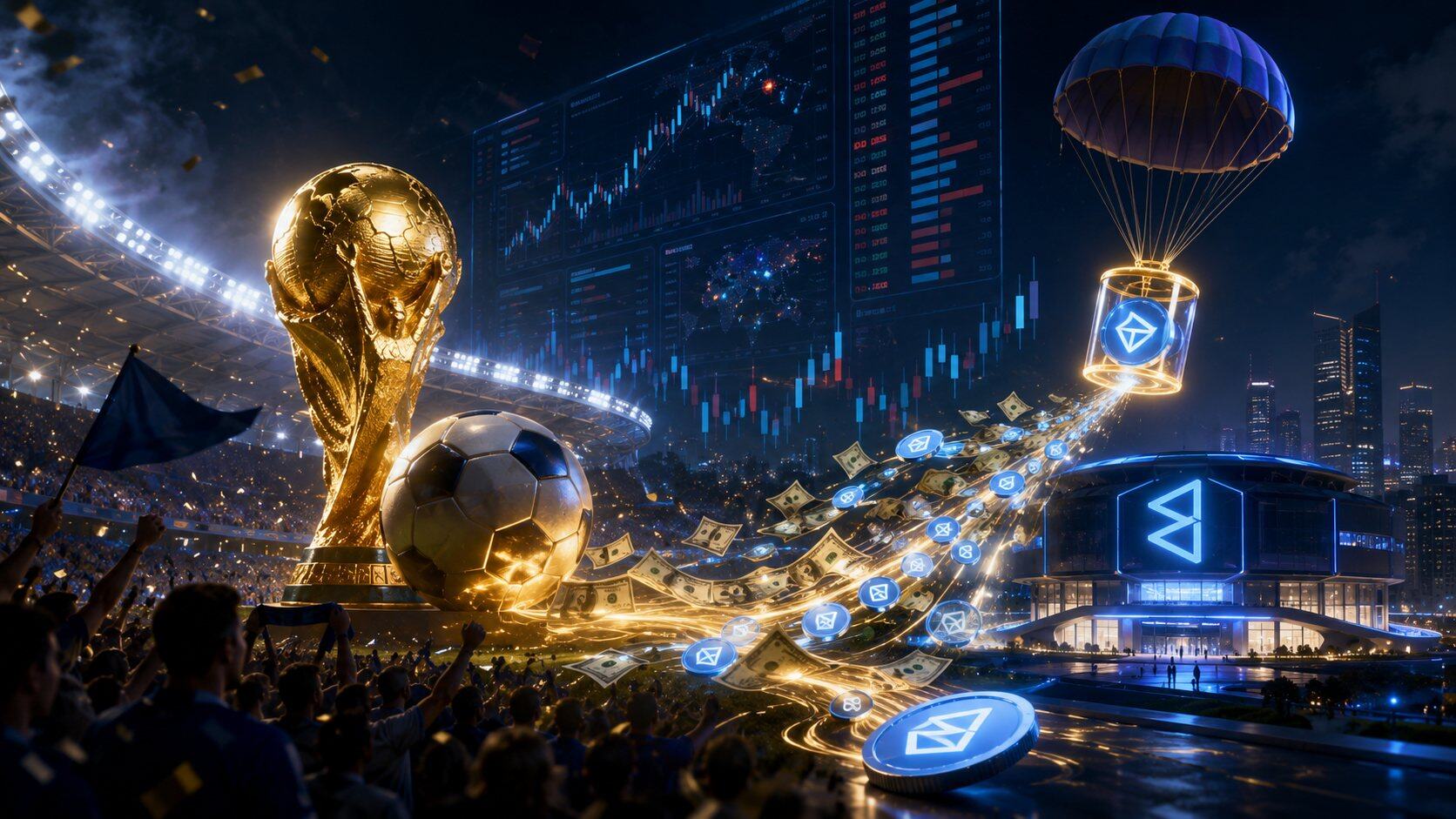
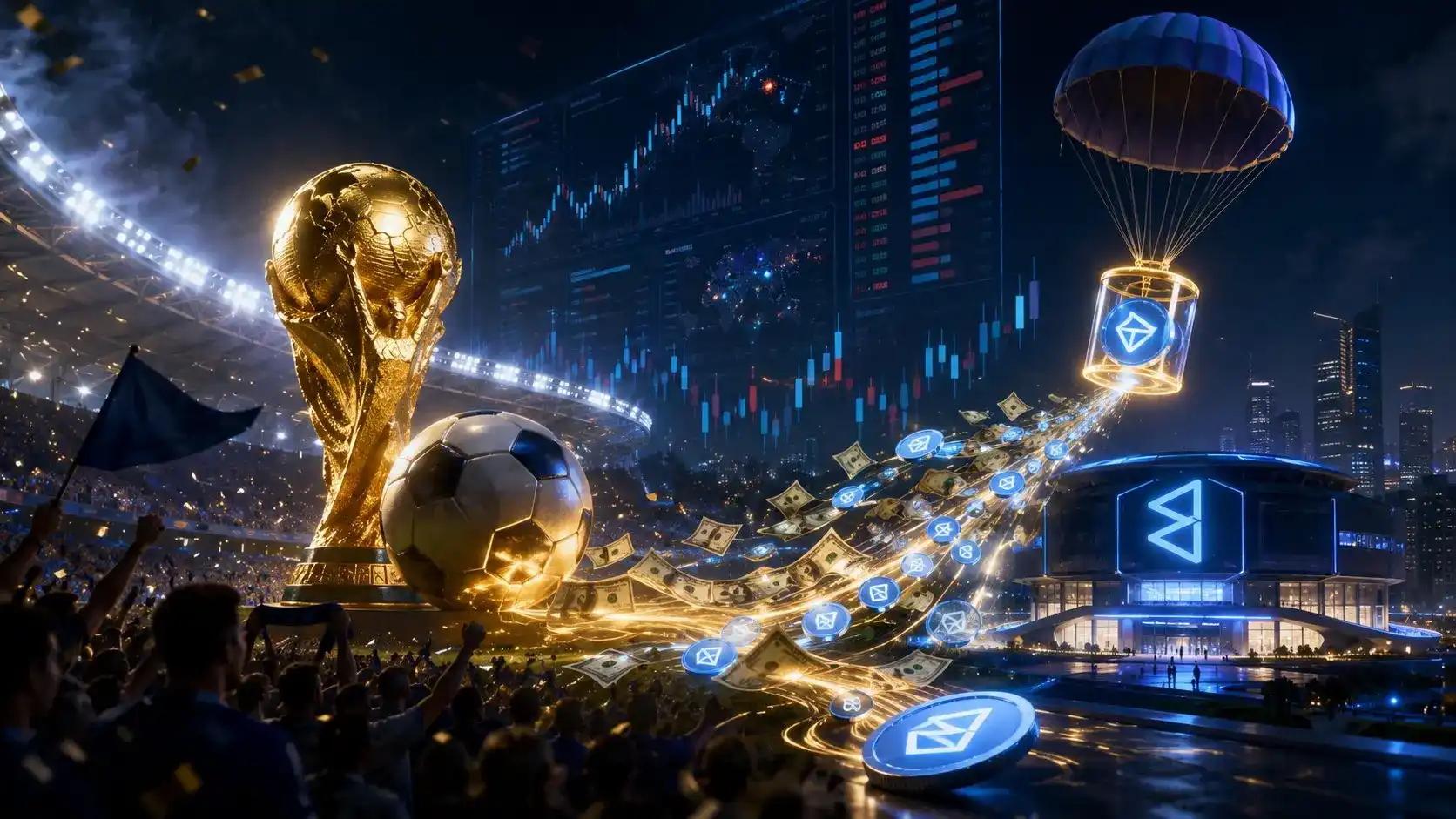
Проект StonkBrokers от команды CLUTCH Labs представляет собой эксперимент, объединяющий NFT, DeFi и RWA (реальные активы) в экосистеме Robinhood Chain.
**Ключевые особенности:**
1. **NFT как активный счет:** Каждый из 4444 NFT StonkBroker связан с аккаунтом ERC-6551 (Token-Bound Account), который может самостоятельно хранить активы, такие как токенизированные акции. Контроль над счетом передается вместе с правом собственности на NFT.
2. **Двойная токеномика:** Система использует NFT (ERC-721) и служебный токен STONKBROKER (ERC-20). Протокол Anvil NFT AMM позволяет конвертировать между ними по фиксированному курсу (666,666 STONKBROKER за 1 NFT), обеспечивая базовый уровень ликвидности.
3. **Вознаграждение токенизированными акциями:** Чтобы получать вознаграждения, NFT необходимо «активировать», заплатив токены STONKBROKER. Уровень активации определяет вес в распределении наград. Основным источником вознаграждений являются комиссии в ETH от сделок в AMM Anvil (70% поступает в фонд StockBooster). Любой пользователь может запустить функцию «Clock In», чтобы конвертировать накопленный ETH в токены акций и распределить их по активным NFT-кошелькам.
4. **Дополнительные функции:**
* **Залоговое кредитование:** Владельцы могут заблокировать NFT в ссудном хранилище (Loan Vault), чтобы взять кредит в STONKBROKER.
* **Планы на будущее:** Анонсирован запуск платформы для запуска токенов Stonk Launcher (30 июля) и DEX Stonk Exchange (29 августа), где держатели STONKBROKER смогут участвовать в управлении, например, голосовать за распределение торговых комиссий.
**Резюме:**
StonkBrokers — это попытка превратить NFT из статичного цифрового предмета коллекционирования в активный, приносящий доход финансовый инструмент с собственной ликвидностью. Однако проект все еще находится на ранней стадии, с запланированными, но еще не реализованными ключевыми модулями. Его долгосрочный успех будет зависеть от реальных доходов протокола, внедрения продуктов, безопасности и развития экосистемы Robinhood Chain. Участие сопряжено с высокими рисками, включая волатильность рынка и умные контракты.
Foresight News07/21 02:23