# Сопутствующие статьи по теме SEC

Новостной центр HTX предлагает последние статьи и углубленный анализ по "SEC", охватывающие рыночные тренды, новости проектов, развитие технологий и политику регулирования в криптоиндустрии.

2026 US Crypto Policy: Keep an Eye on These Six Key Milestones

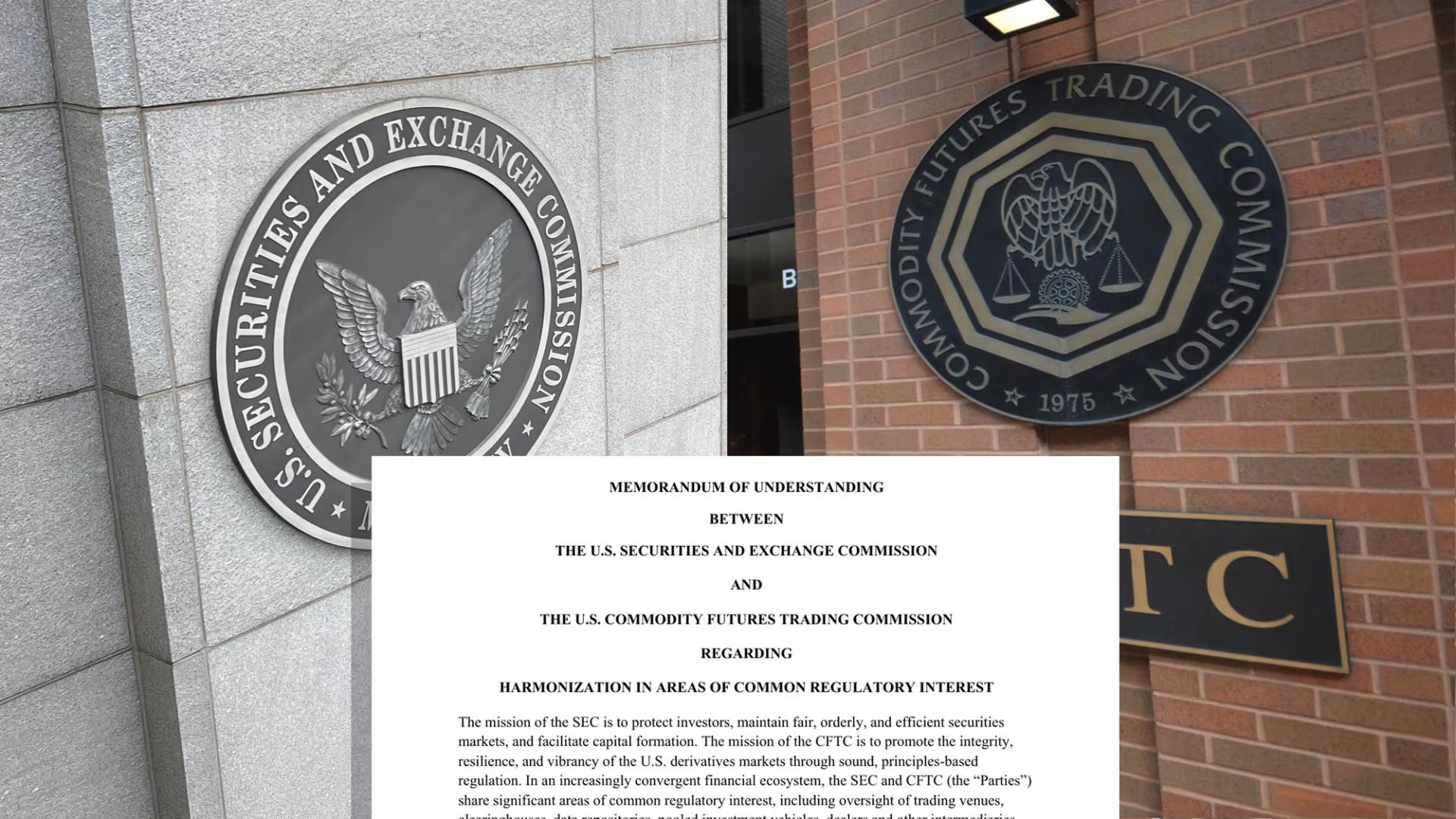
The year 2026 is poised to be a pivotal period for US cryptocurrency policy, marked by six key dates. The policy revolution initiated under President Trump's second term is expected to continue, with major legislative and regulatory actions scheduled throughout the year. In January, the Senate is anticipated to hold hearings on the market structure bill, aiming to resolve the regulatory turf war between the SEC and CFTC. Additionally, SEC Chair Paul Atkins is expected to introduce an "innovation exemption" for new technologies. On May 15, the term of Federal Reserve Chair Jerome Powell ends. President Trump is likely to appoint a more dovish successor, whose monetary policy decisions could significantly impact crypto markets and inflation. A new crypto licensing law, the Digital Financial Assets Law, takes effect in California on July 1, potentially setting a precedent for other states. By July 18 deadline, federal and state regulators must issue supplementary rules for the recently passed stablecoin legislation (the Genius Act), covering areas like licensing and anti-money laundering. This process is already facing contention from banks and industry groups. By the end of August, two key developments are expected: the potential passage of crypto tax legislation (the Parity Act) addressing staking and small transactions, and the finalization of CFTC rules on blockchain technology applications in capital markets. The November 3 midterm elections represent the most significant variable. The current pro-industry "golden age" in Washington, facilitated by a Republican-controlled Congress, could end if Democrats regain control of either chamber, drastically reducing the likelihood of future crypto-friendly legislation. The passage of any pending bills too close to this date carries a high risk of stalling.

比推01/02 04:52

2026 US Crypto Policy: Keep an Eye on These Six Key Milestones

比推01/02 04:52

6 Key Dates for US Crypto Policy in 2026

Summary of Key US Crypto Policy Dates in 2026: 2026 is poised to be another significant year for US cryptocurrency policy. Key dates include: - **January**: The Senate is expected to hold hearings on the stalled crypto market structure bill (the "Clarity Act"), aiming to resolve the jurisdictional battle between the SEC and CFTC. Additionally, SEC Chair Paul Atkins is expected to unveil an "innovation exemption" for new technologies. - **May 15**: The term of Federal Reserve Chair Jerome Powell ends. President Trump, who has criticized Powell, is likely to appoint a more dovish successor, a move that could impact crypto markets and inflation. - **July 1**: California's Digital Financial Assets Law takes effect, requiring businesses engaging in digital asset activities with state residents to be licensed by the state’s financial regulator. - **July 18**: Regulators face a deadline to publish supplementary rules for the recently passed stablecoin legislation (the "Genius Act"), covering areas like licensing and anti-money laundering. This process is already contentious, with banks and crypto lobbyists clashing over certain provisions. - **August**: Two major developments are anticipated: the potential passage of crypto tax legislation (e.g., the "Parity Act" for de minimis exemptions) and the finalization of CFTC rules on blockchain technology applications in capital markets. - **November 3**: The US midterm elections could drastically alter the crypto policy landscape. The industry's recent successes relied on a Republican-controlled Congress; if Democrats regain control, the passage of pro-industry legislation would become far more difficult. The implementation of new laws and the political climate will be crucial in determining if the US remains a hub for crypto innovation.

marsbit01/02 04:25

6 Key Dates for US Crypto Policy in 2026

marsbit01/02 04:25

Trump's Year of Embracing Cryptocurrency

Under the Trump administration's pro-crypto policies, the cryptocurrency industry has rapidly expanded into traditional finance and public policy. This period, dubbed "DAT Summer," saw the emergence of Digital Asset Treasury (DAT) companies—public firms accumulating cryptocurrencies like Bitcoin and Dogecoin to attract investors. Over 250 companies adopted this strategy, often using significant leverage, with plans to borrow over $20 billion for crypto purchases. However, a market crash in October, triggered by new tariff announcements and amplified by high leverage, led to massive liquidations—$19 billion in leveraged bets were wiped out, affecting 1.6 million traders. The administration’s supportive regulatory shift, including the SEC’s new crypto task force, facilitated innovations like tokenized stocks and high-leverage trading products. Companies like Coinbase introduced 10x leverage options, while firms like Plume sought to tokenize real-world assets, blurring lines between crypto and traditional markets. Critics, including former regulators, warn of systemic risks, such as contagion to the broader economy and excessive speculation. Trump-linked entities, such as World Liberty Financial, played a role in this expansion, though some ventures, like ALT5 Sigma, faced significant declines and governance issues. Despite the volatility, industry leaders argue these developments modernize finance, offering higher returns and accessibility. The ongoing experiment highlights the tension between innovation and financial stability, with regulatory oversight struggling to keep pace.

marsbit01/02 02:42

Trump's Year of Embracing Cryptocurrency

marsbit01/02 02:42

活动图片