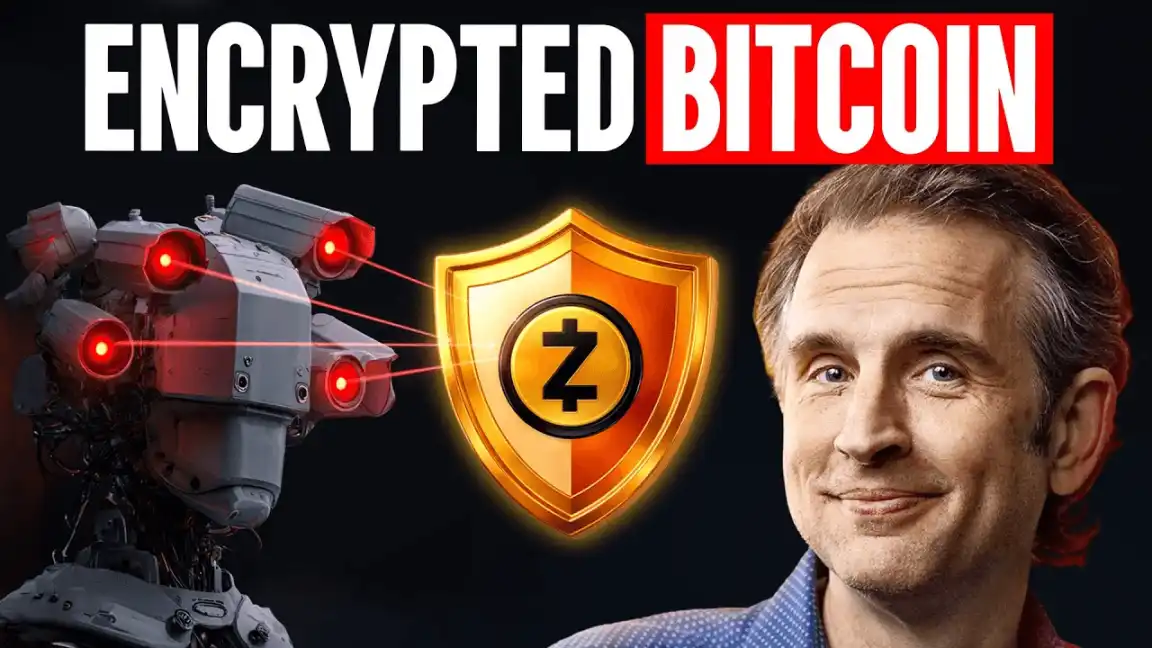
Основатель Zcash о приватности, искусственном интеллекте и о том, как ZEC может стать «зашифрованным Биткоином»
Сооснователь Zcash Зуко в интервью Bankless рассуждает о состоянии криптоиндустрии, приватности и будущем ZEC. Он выражает опасения, что криптовалюты, подобно Linux, могут стать инструментом крупных корпораций, не дав реальной власти обычным пользователям. Главным достижением Зуко считает развитие криптографии, в частности, технологий zk-доказательств.
Ключевой проблемой отрасли он называет сложность пользовательского опыта (UX), ссылаясь на критику основателя Signal Moxie Marlinspike: для массового adoption инструменты должны быть простыми и не требовать от пользователей меняться.
В эпоху ИИ приватность становится не опцией, а необходимостью. Зуко вводит концепцию «приватности покоя» (Value at rest): истинная конфиденциальность достигается не при перемещении средств, а при их хранении в таких активах, как ZEC, что «ослепляет» алгоритмы ИИ, отслеживающие намерения.
Он также обсуждает эксперименты с управлением в Zcash, включая фонд развития, и мем «ZEC — это зашифрованный Биткоин». Зуко призывает аудиторию рассматривать приватность как основной инструмент цифрового суверенитета в мире тотального наблюдения.
marsbit01/29 08:09