# Сопутствующие статьи по теме Palantir

Новостной центр HTX предлагает последние статьи и углубленный анализ по "Palantir", охватывающие рыночные тренды, новости проектов, развитие технологий и политику регулирования в криптоиндустрии.

The "Big Short" Prototype Makes a Major Bet: Shorting Nvidia, Going Long on Software Stocks 'Scared Away' by AI

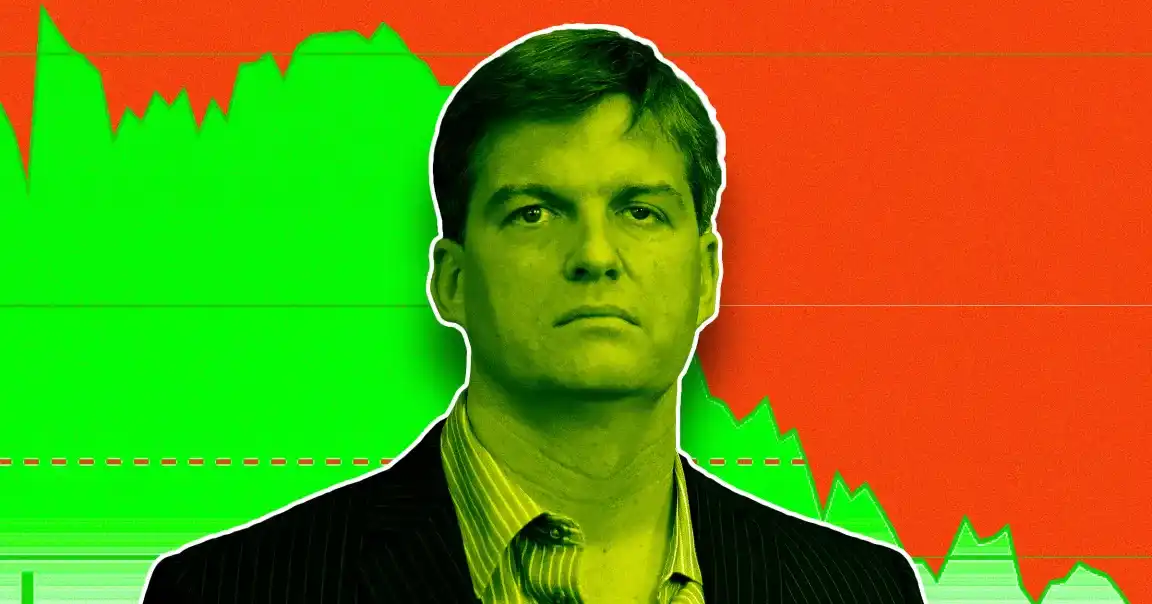
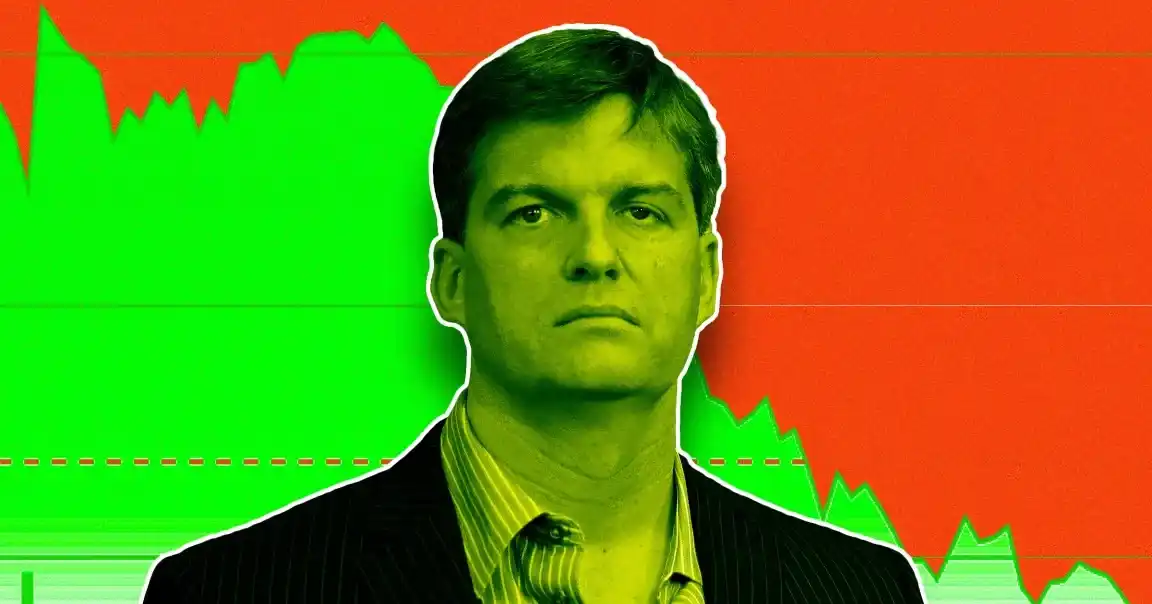
'The Big Short' Legend Michael Burry Doubles Down on AI Bet: Shorts Nvidia, Buys Beaten-Down Software Stocks As the Nasdaq hits record highs and Nvidia's market cap nears $5.3 trillion, Michael Burry—famed for his 2008 subprime mortgage bet—is making a major contrarian move. He is significantly expanding his bearish wagers against the AI frenzy while buying traditional software stocks he believes have been unfairly punished. Burry's latest portfolio adjustments, revealed in his Substack column, include maintaining and increasing put options on Nvidia and Palantir. He has also initiated new short positions on Palantir and expanded bearish bets on the semiconductor ETF (SOXX), the Nasdaq 100 ETF (QQQ), and Oracle. Simultaneously, he is buying shares of software companies like Adobe, Autodesk, Salesforce, and Veeva Systems. He argues these stocks have been sold off due to "AI disruption" fears and technical selling pressure from private credit funds, not deteriorating fundamentals. Their valuations have fallen to multi-year lows. This creates a complete hedge: short the perceived "AI winners" and long the oversold "AI losers." Burry believes the current AI infrastructure spending boom mirrors the late-1990s internet bubble, with inflated demand projections and questionable accounting practices by large cloud customers extending GPU depreciation schedules. While his Palantir short is currently profitable, his Nvidia put options are deeply underwater as the stock trades near all-time highs. Burry remains steadfast, comparing Nvidia to Cisco during the dot-com era. He anticipates a broad repricing of the AI bubble, where overvalued beneficiaries fall and unfairly battered companies rebound.

marsbit05/10 03:06

The "Big Short" Prototype Makes a Major Bet: Shorting Nvidia, Going Long on Software Stocks 'Scared Away' by AI

marsbit05/10 03:06

The Kevin Warsh Era Begins: Which Assets Will Rise?

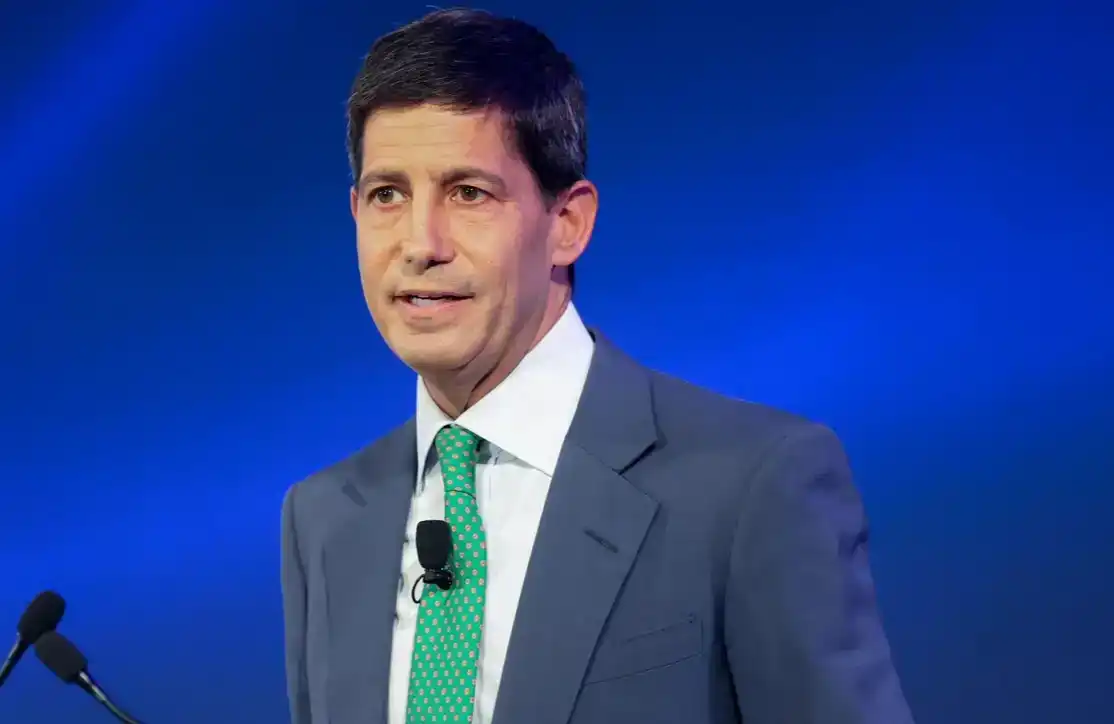
The appointment of Kevin Warsh as the new Federal Reserve Chair signals a major shift in monetary policy and institutional priorities, centered on AI-driven fiscal discipline and government efficiency. Warsh views inflation not as a result of wage growth but as a consequence of fiscal excess and government waste. AI, particularly through companies like Palantir, is seen as a key tool to combat fraud, reduce inefficient spending, and boost productivity, thereby acting as a deflationary force. Palantir is already being used by federal agencies like the SBA and Fannie Mae to detect and prevent fraud, indicating a structural move towards greater transparency and accountability. This shift is expected to benefit assets tied to AI and semiconductors, banking, small-cap stocks, and cryptocurrencies like Bitcoin, which Warsh endorsed as "the new gold" for younger generation. Conversely, metals like gold and silver may face pressure due to a stronger dollar and reduced monetary easing, while renewable energy sectors could lose policy support. Globally, economies aligned with AI and tech exports (e.g., Japan, South Korea) may resilience, whereas emerging markets and China could struggle with dollar strength and tighter liquidity. The new policy mix—potential rate cuts coupled with balance sheet contraction—creates a unique environment where traditional labels like "hawkish" or "dovish" no longer apply, emphasizing instead structural changes over cyclical moves.

marsbit02/03 03:01

The Kevin Warsh Era Begins: Which Assets Will Rise?

marsbit02/03 03:01

The 'Mastermind' Behind the Venezuela Incident? An Article to Unravel the AI Intelligence Empire—Palantir

Venezuela Event and the "AI Intelligence Empire": A Look at Palantir Global attention has recently focused on a swift, high-precision operation in Venezuela, with speculation that Palantir Technologies—a data integration and AI decision-making company whose stock surged nearly 20-fold in two and a half years—provided the digital intelligence backbone. Although no official confirmation exists, the company's reputation and past involvement in missions like the capture of Osama bin Laden have fueled market narratives linking it to the operation. Founded in 2003 by Peter Thiel, Palantir operates as a data and AI-driven operating system for governments, militaries, and large enterprises. Its core capability lies in its Ontology" model, which integrates disparate data sources into a unified semantic framework, enabling real-time situational awareness and decision-making in high-stakes environments like military and intelligence operations. Beyond defense, Palantir has expanded into the crypto sector with “Foundry for Crypto,” offering compliance, anti-money laundering, and risk management solutions for exchanges and institutions. It serves as infrastructure—not a direct participant—in crypto. While founders like Thiel are personally bullish on Bitcoin, the company remains focused on its role as an enterprise AI and data platform. Palantir embodies multiple narratives: a tool for national security, a driver of enterprise digital transformation, and a behind-the-scenes actor in geopolitics and crypto compliance.

marsbit01/06 03:51

The 'Mastermind' Behind the Venezuela Incident? An Article to Unravel the AI Intelligence Empire—Palantir

marsbit01/06 03:51

活动图片