Папа Римский выпустил первую энциклику об ИИ: 40 000 слов, 10 тезисов, которые раскрывают все тревоги об ИИ
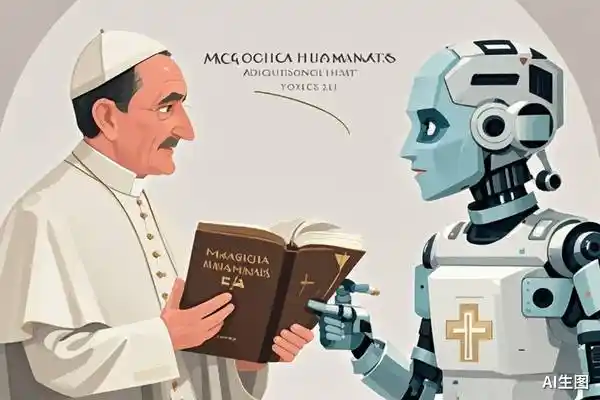
15 мая 2026 года Папа Лев XIV выпустил энциклику «Magnifica Humanitas», первый документ Католической церкви, посвящённый искусственному интеллекту. В документе объемом более 40 000 слов Папа излагает десять ключевых положений, обращённых к основным тревогам общества по поводу ИИ.
Он подчёркивает, что ИИ уже не просто инструмент, а среда, влияющая на повседневные решения в социальных сетях, найме, образовании и других сферах. Проблема заключается не только в регулировании, но в том, кто обладает технологической властью, сосредоточенной у крупных частных корпораций. Папа отмечает, что даже разработчики не до конца понимают внутренние механизмы генеративного ИИ, что вызывает вопросы об ответственности.
Важным предостережением является то, что ИИ нельзя рассматривать как морального субъекта или замену человеческим отношениям, особенно в таких чувствительных областях, как здравоохранение, правосудие или трудоустройство, где необходимы прозрачность и человеческий контроль. Папа выступает за то, чтобы ресурсы ИИ служили общему благу, а не углубляли цифровой разрыв, и выражает озабоченность по поводу усиления дезинформации с помощью ИИ.
В образовании важно учить не просто пользоваться ИИ, а сохранять критическое мышление. На работе ИИ должен повышать эффективность, а не лишать людей смысла труда. Наконец, необратимые решения, особенно связанные с жизнью и смертью, никогда нельзя передоверять автоматическим системам.
Основной посыл энциклики заключается в том, что технология не нейтральна — её формируют ценности и интересы её создателей. Ключевой вызов ИИ — не технический, а антропологический: он заставляет человечество заново ответить на вопрос, что делает нас людьми в эпоху, когда машины могут имитировать творчество, суждение и общение. Цель документа — внести этот моральный вопрос в публичную дискуссию.
marsbit05/28 00:21