# Сопутствующие статьи по теме IPO

Новостной центр HTX предлагает последние статьи и углубленный анализ по "IPO", охватывающие рыночные тренды, новости проектов, развитие технологий и политику регулирования в криптоиндустрии.

Musk's New Plan: Building an AI Base on the Moon, More Appealing Than Mars Colonization?

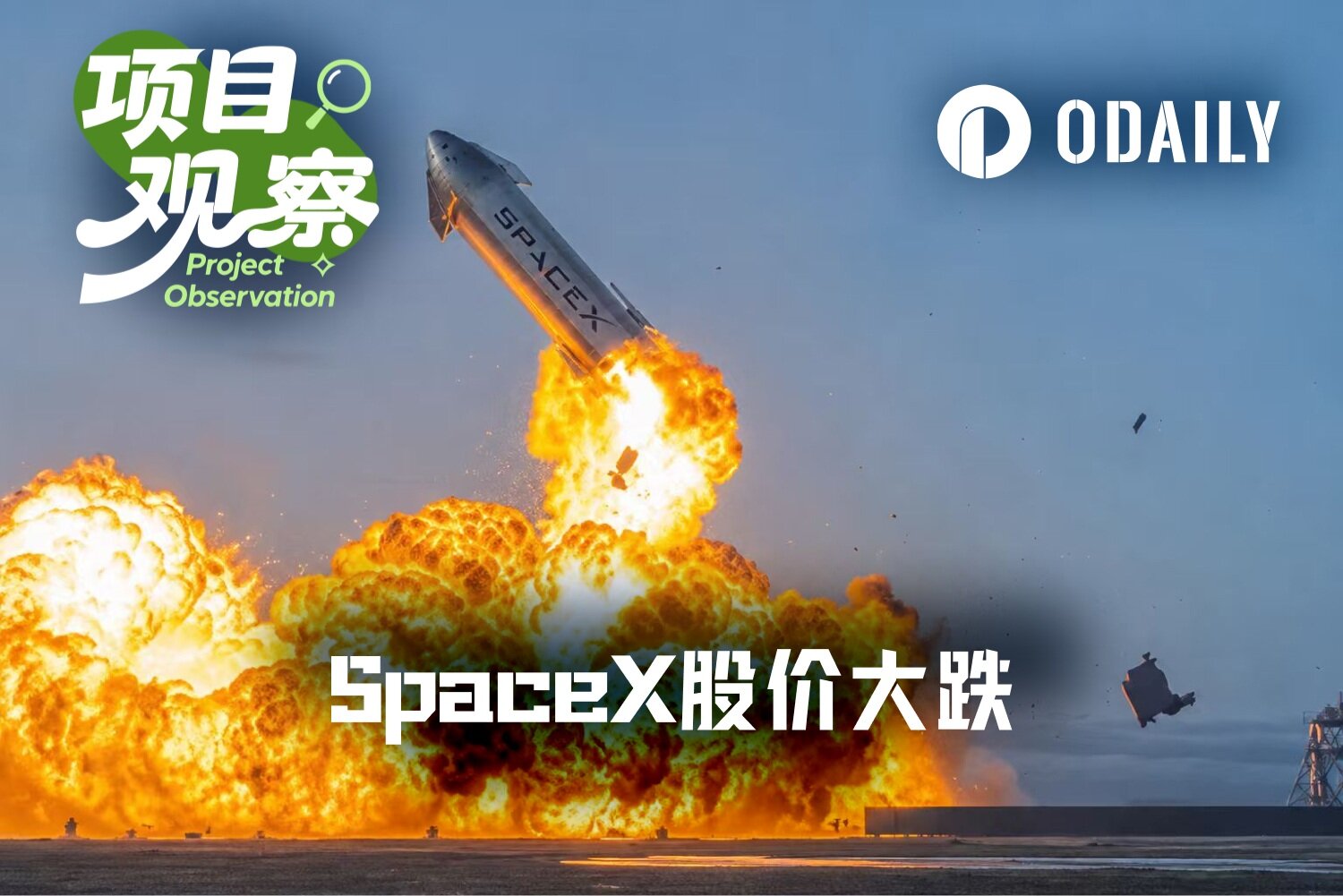
Elon Musk is shifting his strategic focus from colonizing Mars to establishing an AI base on the Moon, according to an internal presentation to employees following the merger of SpaceX and xAI. This new vision, dubbed "Lunar Base Alpha," involves building a city on the Moon and using mass drivers to launch AI satellites into deep space. The initiative is positioned as both a new recruitment tool and a unique value proposition for the merged entity, aiming to attract talent and capital by offering an ambitious alternative to conventional Earth-based AI development. Musk argues that achieving computational power exceeding one terawatt annually requires leveraging solar energy available on the Moon. This pivot aligns with SpaceX’s recent move away from its long-term Mars colonization goal, which lacks clear commercial funding, toward more immediately profitable ventures like Starlink satellite launches and NASA’s lunar missions. The Moon base narrative also serves to reinvigorate engineering enthusiasm by framing the project within the theoretical framework of the Kardashev Scale—suggesting that advanced civilizations harness stellar energy through space-based infrastructure. While technically and economically speculative, the momentums reflects a strategy to differentiate xAI from other AI labs, potentially boosting market expectations ahead of a possible IPO and appealing to retail investors.

比推02/13 15:21

Musk's New Plan: Building an AI Base on the Moon, More Appealing Than Mars Colonization?

比推02/13 15:21

A New Paradigm in Tokenomics? When Backpack Makes VCs 'Delay Gratification'

The article discusses Backpack's innovative tokenomics model, which challenges conventional practices in the cryptocurrency industry. Unlike typical projects where teams and venture capitalists (VCs) receive immediate token allocations, Backpack allocates 100% of liquid tokens to users at TGE. The remaining 37.5% of tokens, traditionally reserved for teams and investors, are locked in a corporate vault and tied to the company’s eventual IPO. This structure ensures that internal stakeholders can only benefit after a successful IPO, with an additional one-year lock-up period post-IPO to prevent early sell-offs. Backpack’s approach emphasizes long-term alignment with user interests and project sustainability. The token distribution prioritizes community incentives, with 25% of tokens released at TGE to reward users and NFT holders. Future unlocks are tied to product milestones, ensuring that new token releases contribute more value to the ecosystem than they dilute the token’s price. Additionally, Backpack prioritizes regulatory compliance, currently serving only 48% of global regions to adhere to legal standards. Its goal is to build a hybrid platform integrating crypto and traditional financial services. Market reactions are mixed: Backpack is reportedly seeking funding at a $1 billion valuation, but predictions about its token FDV reflect uncertainty. Ultimately, Backpack’s model represents a shift toward transparency, long-term value, and user-centric growth in Web3.

marsbit02/10 14:42

A New Paradigm in Tokenomics? When Backpack Makes VCs 'Delay Gratification'

marsbit02/10 14:42

活动图片