Основатель Bankless: Почему я продал весь свой ETH
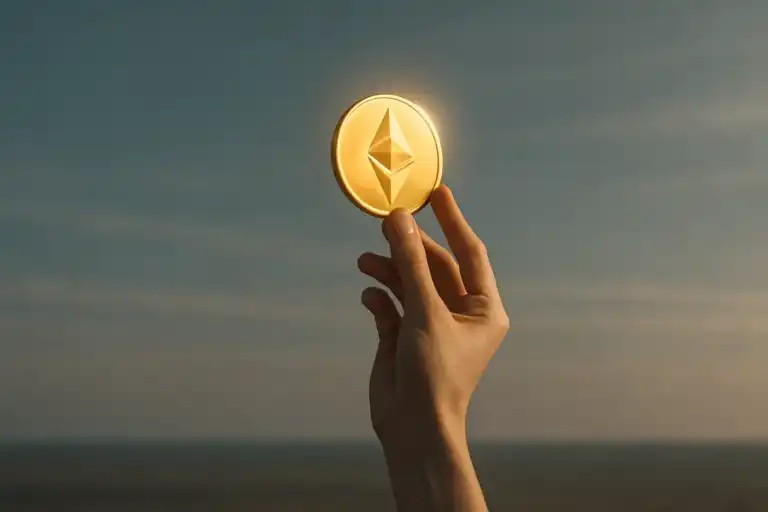
Основатель Bankless Дэвид Хоффман продал все свои ETH, объяснив это решение в статье. Он подчеркивает, что не стал «медвежьим» по ETH, но считает, что тезис «ETH — это деньги», который он активно продвигал, уже реализовался. По его мнению, Ethereum достиг своей справедливой рыночной стоимости, и потенциал для значительного переоценки актива, как вверх, так и вниз, теперь ограничен.
Хоффман указывает, что путь ETH к статусу глобальных денег был крайне амбициозным и требовал почти безупречной координации и доминирования на всех уровнях — от управления и разработки до принятия на рынке. Однако конкуренция, в частности рост Solana, и общая сложность координации в экосистеме Ethereum (например, баланс между самостоятельностью L2 и их связью с Ethereum) показали, что окно для такого исхода закрывается.
Он отмечает несколько ключевых моментов: во-первых, цена L1-активов, таких как ETH, тесно связана с доходами от комиссий, а архитектура Ethereum, ориентированная на роллапы, оставляет базовому слою лишь малую часть прибыли. Во-вторых, «сильная» версия криптовалюты как независимой финансовой системы, необходимая для успеха ETH как денег, не смогла завоевать устойчивого позитивного восприятия в обществе после 2022 года. В-третьих, полезность Ethereum в качестве платформы для токенизации активов (например, стейблкоинов) в большей степени укрепляет существующие деньги, такие как доллар США, чем продвигает ETH.
Хоффман называет Ethereum «дающим, а не берущим» — благородным некоммерческим проектом, который предоставляет свои ресурсы миру практически по себестоимости. Эта архитектурная особенность, хотя и полезна для роста экосистемы, не способствует захвату стоимости самим токеном ETH. В итоге, он остается очень оптимистичным в отношении сети Ethereum и её приложений, но считает, что будущий успех сети будет в основном отражаться на её экосистеме (L2, dApps), а не на переоценке ETH. Поэтому он продал свои ETH, чтобы перераспределить капитал в другие возможности на рынке.
链捕手05/27 02:14