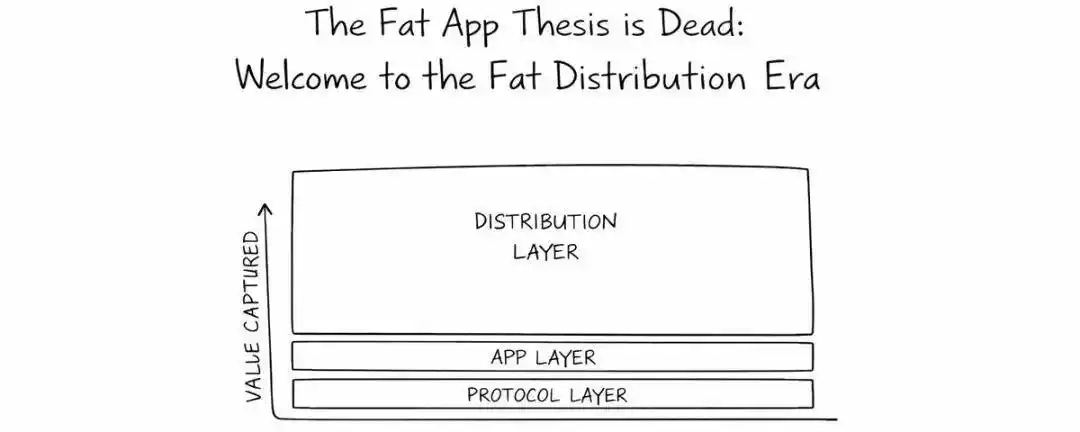
Если Hyperliquid — новый Nasdaq, какие проекты выступают в роли брокеров?
В условиях низкой активности рынка и сокращения ликвидности проекты все чаще рассматривают экосистему Hyperliquid как стратегическое направление. Если представить Hyperliquid как «новый Nasdaq», то строящиеся на его основе приложения (такие как торговые фронтенды, стратегические платформы и AI-агенты) выполняют роль «брокеров». HIP-3, в частности, позволяет проектам создавать собственные рынки на базе инфраструктуры Hyperliquid, получая долю от комиссий за транзакции и выгоду от роста токена HYPE.
Ключевые проекты включают:
* **Trade.xyz**: лидер, предлагающий контракты на индексы, акции и товары.
* **Dreamcash**: фокусируется на мобильном опыте и массовом пользователе.
* **Ventuals**: создает рынки для сделок с долями в Pre-IPO компаниях.
* **Based**: стремится стать «супераппом», объединяющим торговлю, платежи и прогнозные рынки.
* **Minara AI**: предоставляет уровень исполнения для AI-агентов, совершающих сделки.
Эта модель превращает Hyperliquid в финансовую операционную систему, где платформа обеспечивает ликвидность и инфраструктуру, а «брокеры» привлекают пользователей. Такая открытая, симбиотическая экосистема может стать основным конкурентным преимуществом и «рвом» Hyperliquid, формируя сетевой эффект по мере роста числа интегрированных приложений и пользовательских точек входа.
Odaily星球日报06/08 06:02