# Сопутствующие статьи по теме Ethereum

Новостной центр HTX предлагает последние статьи и углубленный анализ по "Ethereum", охватывающие рыночные тренды, новости проектов, развитие технологий и политику регулирования в криптоиндустрии.

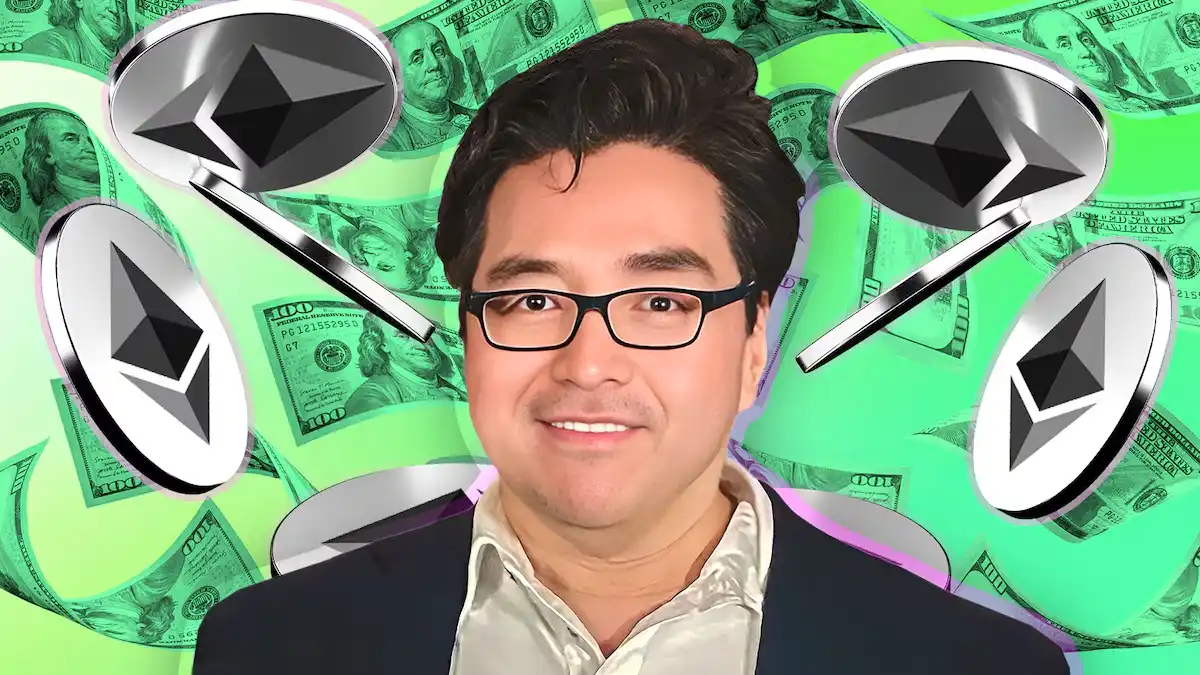
Massively Accumulating 3.86 Million ETH: What Is the Investment Logic of 'Unwavering Bull' Tom Lee?

Based on multiple interviews, Tom Lee's core investment thesis for Ethereum (ETH) is built on several key arguments. He views ETH as the fundamental settlement layer for the future of finance, powering critical areas like DeFi, stablecoins, NFTs, and the tokenization of real-world assets (RWA). He believes the massive institutional adoption of RWA, such as Wall Street moving trillions in assets on-chain, will create substantial demand and drive ETH's value independently of Bitcoin. Lee highlights that crypto adoption is still in its early stages compared to traditional finance. He argues ETH's strong developer community, network robustness, and actual utility—such as staking yields and DeFi—make it more suitable for long-term institutional holding than BTC. He also sees a "non-consensus" opportunity, as early investors move to other sectors like AI, leaving the industry ripe for a new wave of entrants. Backing his views with action, Lee is Chairman of BitMine (BMNR), which has accumulated approximately 3.86 million ETH (about 3.2% of supply) and aims to reach 5%. The company continues to buy ETH aggressively, supported by a $1 billion cash reserve and staking rewards. Regarding price, Lee's long-term, extreme target is $62,000 if the ETH/BTC ratio returns to 0.25. More realistic targets are $7,000-$9,000 by 2026, potentially reaching $20,000 if tokenization sees explosive growth. He anticipates 2026 will be a major year for Layer 1 chains, especially Ethereum.

marsbit12/15 06:19
Massively Accumulating 3.86 Million ETH: What Is the Investment Logic of 'Unwavering Bull' Tom Lee?

marsbit12/15 06:19

Ethereum Is Becoming the New Global Financial Backend

Ethereum is emerging as a global financial backend, reducing the complexity and cost of building financial services while increasing speed and security. It embeds core financial operations—such as ownership recording, value transfer, and obligation enforcement—into software, executed via a distributed validator set. This shared infrastructure eliminates the need for redundant internal systems, transforming capital-intensive processes into software-driven activities. The platform addresses key economic frictions: triangulation (discovery and agreement), transfer (value movement), and trust (enforcement). By providing a transparent, programmable, and cryptographically secured environment, Ethereum enables real-time settlement, automated compliance, and global interoperability. This reduces operational risks and costs, particularly for new entrants and markets with fragile financial systems. Ethereum’s impact is most significant in emerging economies, where it offers immediate functional improvements, while in developed markets, benefits accumulate gradually as more processes become programmable. It shifts institutional focus from infrastructure maintenance to innovation and product design, promoting leaner, more efficient financial services. As a resilient, open, and verifiable system, Ethereum is positioned to serve as the foundational layer for future financial infrastructure, driven by economic incentives favoring transparency and reliability.

marsbit12/13 10:36

Ethereum Is Becoming the New Global Financial Backend

marsbit12/13 10:36

Public Chain Moat Only 3/10? Alliance DAO Founder's Remarks Ignite Crypto Community Debate

Alliance DAO founder qw (@QwQiao) sparked intense debate in the crypto community by claiming that Layer 1 blockchains have "limited moats," rating them only 3/10 in terms of sustainable competitive advantage. This triggered strong reactions from key industry figures. Dragonfly Capital partner Haseeb strongly disagreed, arguing that Ethereum’s decade-long dominance despite well-funded challengers proves its strong moat. Others, like Multicoin’s Kyle Samani and researchers from Ethereum and Circle, questioned whether liquidity alone constitutes a real moat, with some calling it fleeting and unreliable. In response, qw elaborated on his moat rating framework, giving traditional giants like Microsoft, Apple, and Visa perfect scores (10/10) based on revenue models and infrastructure, while rating top crypto projects around 5/10. He notably rated Bitcoin at 9/10, citing its unique founding story and Lindy effect, but deducted a point due to uncertainties around security and quantum threats. The debate expanded into what truly constitutes a moat in crypto. Critics argued qw’s framework overemphasizes current revenue and undervalues network effects, trust, and technological ethos. Defenders of blockchain moats pointed to elements like developer ecosystems, brand strength, switching costs, and application diversity as core defensive attributes. The article concludes that the crypto industry is still young and small compared to traditional finance and tech giants. Rather than fixating on abstract moat concepts, the priority should be solving real user needs at scale, driving adoption, and expanding overall market reach.

marsbit12/13 03:06

Public Chain Moat Only 3/10? Alliance DAO Founder's Remarks Ignite Crypto Community Debate

marsbit12/13 03:06

活动图片