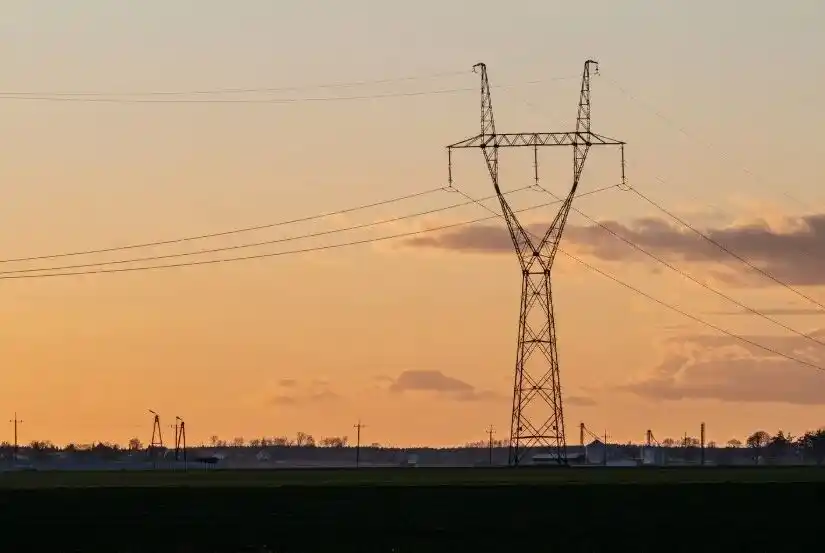
Продал NVIDIA, купил электростанции: 24-летний инвестор в нетрадиционный ИИ заработал 5 миллиардов долларов за год
Леопольд Ашенбреннер, 24-летний бывший исследователь OpenAI, основал хедж-фонд Situational Awareness LP и увеличил его активы с $383 млн до $5,5 млрд за 12 месяцев. Его инвестиционная стратегия основана на идее, что главным ограничением для развития ИИ является не программное обеспечение, а физическая инфраструктура — электроэнергия и вычислительные ресурсы.
Вместо инвестиций в популярные AI-акции он сфокусировался на компаниях, обеспечивающих инфраструктуру: Bloom Energy (топливные элементы), CoreWeave (GPU-сервисы), Intel (производство чипов) и биткоин-майнерах (дешёвая энергия и площадки для дата-центров). Он также продал акции NVIDIA и Broadcom, считая их переоценёнными.
Его подход основан на 165-страничном эссе, где он предсказал скорое появление AGI и грядущий энергетический кризис из-за роста потребления ИИ. Несмотря на панику рынка после выхода DeepSeek-R1, он сохранил уверенность в своей стратегии, доказав её состоятельность.
marsbit03/06 03:25