# Сопутствующие статьи по теме Degen

Новостной центр HTX предлагает последние статьи и углубленный анализ по "Degen", охватывающие рыночные тренды, новости проектов, развитие технологий и политику регулирования в криптоиндустрии.

Rumor: Coinbase to Acquire Farcaster, Still an Acquihire

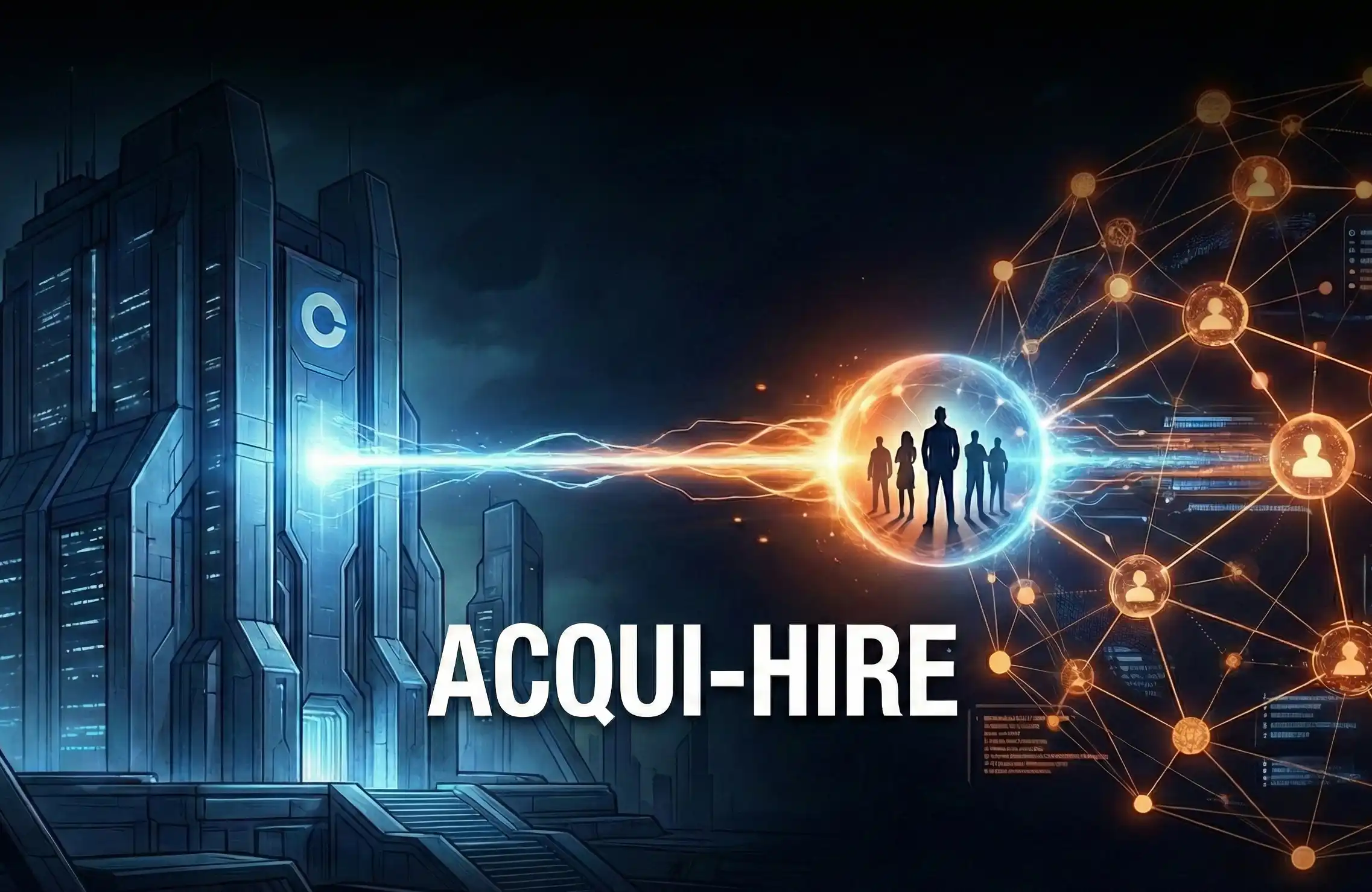
In Silicon Valley, a common unwritten rule suggests that when a tech giant shows sudden interest in a startup—especially one with a similar product—the goal is often not to eliminate competition or acquire technology, but to acquire talent. This practice is known as an "acqui-hire." Recent rumors about Coinbase's potential acquisition of Farcaster likely follow this logic. Similar to Meta's acquisition of Manus, the focus is on the elite engineering team rather than just the product. Coinbase’s Base app already integrates Farcaster content, and Coinbase has no shortage of wallet products, indicating that the real target is Farcaster’s founder, Dan Romero. Dan Romero, who spent five years at Coinbase as a key executive overseeing international operations and backend systems, understands Coinbase’s compliance framework intimately. Since leaving, he has built Farcaster, demonstrating deep expertise in decentralized, community-driven Web3 ecosystems. Farcaster’s team, under Merkle Manufactory, remains small despite significant funding. It includes former Coinbase engineering lead Varun Srinivasan and other full-stack experts who efficiently developed a decentralized social protocol even used frequently by Vitalik Buterin. The acquisition could also create token opportunities: - DEGEN, Farcaster’s community currency, might become a core asset within Coinbase’s ecosystem. - ZORA, key for NFT minting, could strengthen as Base’s primary asset issuance layer. - CLANKER, an AI-driven token issuance tool, may evolve into a standard financial interface. - BANKR, an emerging DeFi project, could play a central role in future "social wallet" integrations.

marsbit01/16 04:02

Rumor: Coinbase to Acquire Farcaster, Still an Acquihire

marsbit01/16 04:02

2 Days, 20x: A Quick Look at the Automated Market Making Mechanism of the New Gem Snowball

The meme token Snowball" launched on pump.fun on December 18 and gained significant traction in the English-speaking crypto community, reaching a $10 million market cap within four days while largely flying under the radar in Chinese crypto circles. Its core innovation is an automated market-making mechanism: instead of the typical "creator fee" (usually 0.5%–1% per transaction) going to the developer’s wallet—a common setup that often leads to rug pulls—Snowball directs 100% of this fee to an on-chain bot. This bot periodically: 1. Buys back tokens to create buy pressure, 2. Adds the purchased tokens and corresponding SOL to the liquidity pool to improve depth, 3. Burns 0.1% of tokens to induce deflation. The fee rate also adjusts dynamically based on market cap (0.05%–0.95%) to balance accumulation and transaction friction. The idea is a "snowball effect": trading generates fees → fees fuel buybacks → buybacks may push price up → higher prices attract more trading. On-chain data shows 7,270 holders, with the top 10 holding ~20% of supply. Trading volume has been relatively balanced between buys and sells. However, the token remains highly speculative. While the structure reduces dev exit risk, it doesn’t eliminate other meme coin risks like low liquidity, narrative fatigue, or large holder dumps. Similar projects like FIREBALL are emerging, suggesting a trend toward "mechanism-driven memes." But as past examples like OlympusDAO and Safemoon show, complex tokenomics alone don’t guarantee sustainability—external demand and market conditions remain critical. In short: Snowball is a meme first and an experiment second. Its mechanism is interesting, but it doesn’t change the high-risk, speculative nature of meme coins.

marsbit12/22 10:42

2 Days, 20x: A Quick Look at the Automated Market Making Mechanism of the New Gem Snowball

marsbit12/22 10:42

活动图片