# Сопутствующие статьи по теме Compliance

Новостной центр HTX предлагает последние статьи и углубленный анализ по "Compliance", охватывающие рыночные тренды, новости проектов, развитие технологий и политику регулирования в криптоиндустрии.

Who's at the CFTC Table? A Redistribution of American Innovative Financial Discourse Power

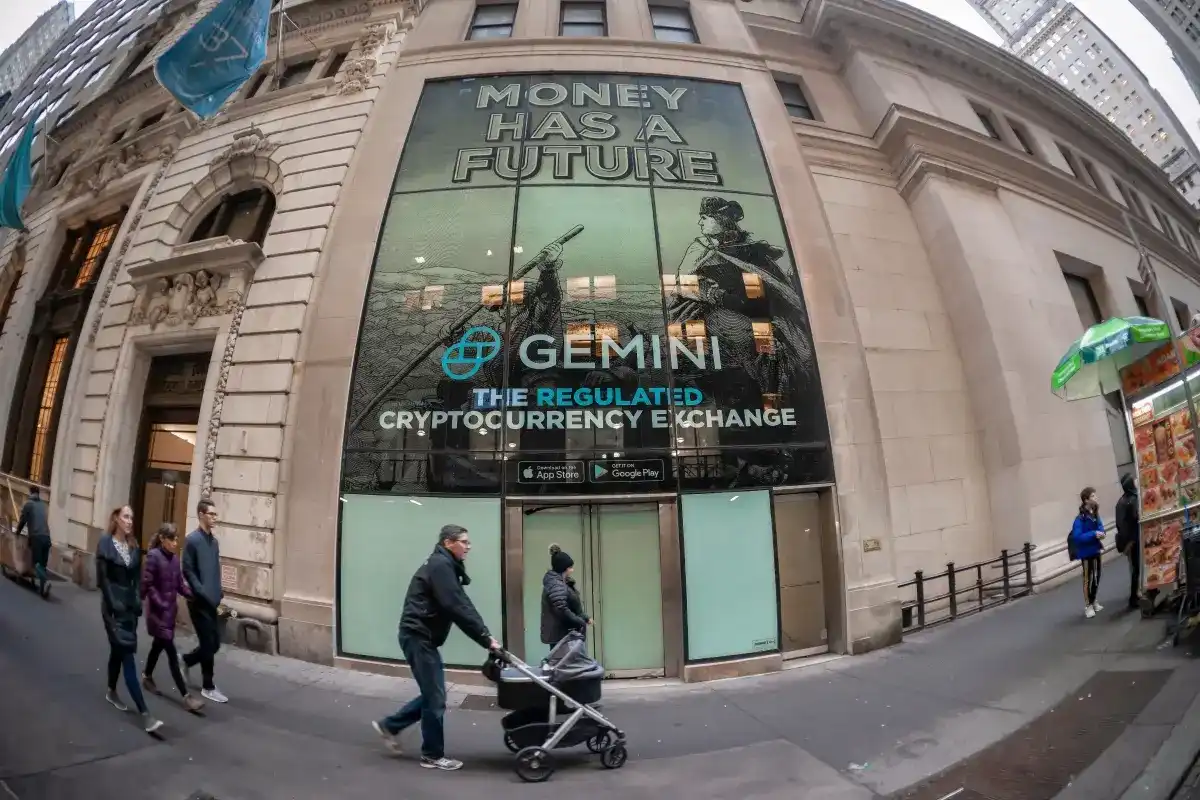
On February 12, 2026, the U.S. Commodity Futures Trading Commission (CFTC) announced the formation of its Innovation Advisory Committee (IAC), a significant step signaling a shift from reactive oversight to collaborative governance in financial innovation. The committee comprises 35 members from diverse sectors, including major cryptocurrency exchanges (Coinbase, Kraken, Gemini), DeFi and blockchain infrastructure leaders (Uniswap, Solana, Chainlink), prediction markets (Polymarket, Kalshi), top investment firms (a16z, Paradigm), traditional financial institutions (Nasdaq, CME Group), and academic representatives. The IAC, replacing the former Technical Advisory Committee, is tasked with providing expert advice on emerging technologies like AI and blockchain, focusing on their impact on derivatives and commodity markets. It aims to help the CFTC develop adaptive regulatory frameworks that foster responsible innovation while maintaining market integrity. Key implications include the legitimization of prediction markets as financial instruments, official recognition of DeFi and public blockchain infrastructure, and the consolidation of compliance advantages for established crypto platforms. This initiative reflects the CFTC’s commitment to engaging with industry stakeholders early in the innovation process, balancing regulatory clarity with support for technological advancement in modern financial markets.

marsbit02/13 11:08

Who's at the CFTC Table? A Redistribution of American Innovative Financial Discourse Power

marsbit02/13 11:08

BlackRock's First Foray into DeFi Trading, Coinbase CEO's Stock Sale Controversy – What's the Overseas Crypto Community Talking About Today?

In the past 24 hours, the crypto market saw significant developments, including institutional entry into DeFi and rising concerns over high-leverage narratives. BlackRock made its first direct DeFi transaction by listing its $1.8B tokenized treasury product BUIDL on Uniswap and acquiring UNI tokens, causing a short-term price surge. The move, executed via UniswapX for accredited investors, is seen as a major step in TradFi-DeFi integration but raised questions about protocol neutrality. MicroStrategy’s Michael Saylor sparked concern by stating the company could withstand a Bitcoin drop to $8K through debt refinancing, leading to comparisons with past failed high-leverage schemes. Meanwhile, Coinbase CEO Brian Armstrong’s continued stock sales drew mixed reactions, with some viewing it as insider caution despite possible personal financial planning reasons. On the ecosystem front, Citi completed a full supply chain finance operation on Solana, boosting its institutional credibility. Perp DEX Lighter launched Korean stock perpetuals (e.g., Samsung, Hyundai) with funding fee rebates, while Nado increased deposit limits. Additional notable updates include a Dune and Visa collaboration on a stablecoin report, Pudgy Penguins’ new crypto Visa card, and AI agents beginning to use Coinbase’s Agent Wallet for on-chain transactions.

marsbit02/12 16:37

BlackRock's First Foray into DeFi Trading, Coinbase CEO's Stock Sale Controversy – What's the Overseas Crypto Community Talking About Today?

marsbit02/12 16:37

Robinhood Ventures into L2, Focusing on RWA Tokenization

In late January 2026, Robinhood CEO Vlad Tenev highlighted that the GameStop short squeeze incident five years earlier could have been avoided with blockchain’s real-time settlement capabilities. Shortly after, Robinhood launched the testnet of Robinhood Chain, an Arbitrum-based Layer 2 network focused on tokenizing real-world assets (RWA), including stocks, ETFs, and private assets. Built on Arbitrum Orbit, Robinhood Chain leverages Ethereum for data availability and uses ETH as its native gas token. The platform combines Ethereum’s security with custom compliance features, allowing Robinhood to enforce regulatory rules while maintaining interoperability with existing DeFi infrastructure. Prior to the testnet, Robinhood had already been testing tokenized stocks in Europe for eight months. These assets are structured as derivative contracts pegged to the price of underlying equities—not as direct ownership claims. The system supports features like dividend pass-through and on-chain minting/burning tied to user positions. Robinhood acquired necessary regulatory licenses, including MiCA and MiFID approvals, partly through its acquisition of Bitstamp. The platform aims to enable 24/7 trading, instant settlement, and global accessibility with low fees. However, challenges remain, including legal ambiguity around asset representation, centralization risks (with Robinhood Europe as the sole counterparty), and potential pushback from traditional institutions. Robinhood Chain represents a significant step in blurring the lines between traditional finance and crypto, though its balance between compliance and decentralization remains a key point of observation.

marsbit02/12 08:34

Robinhood Ventures into L2, Focusing on RWA Tokenization

marsbit02/12 08:34

活动图片