# Сопутствующие статьи по теме Argentina

Новостной центр HTX предлагает последние статьи и углубленный анализ по "Argentina", охватывающие рыночные тренды, новости проектов, развитие технологий и политику регулирования в криптоиндустрии.

Non-Dollar Stablecoins Are Winning the Wrong Battle

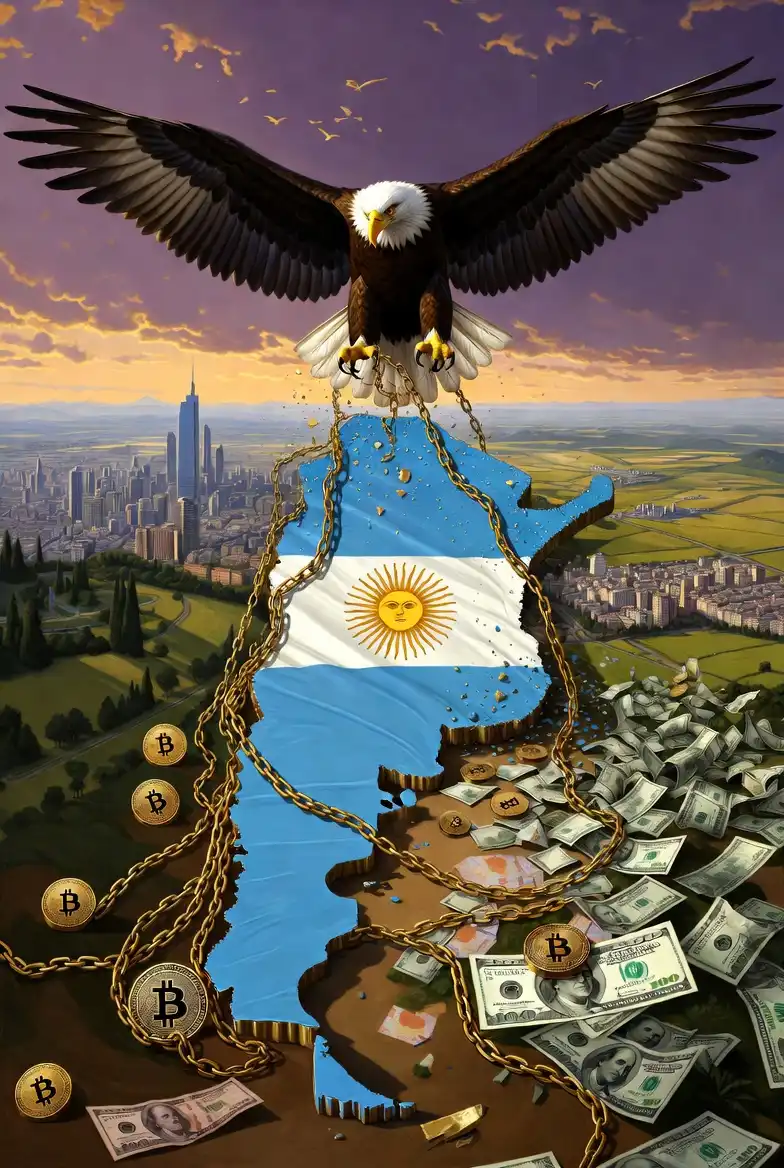
The article argues that non-USD stablecoins (euros, local currencies) create a misleading impression of challenging dollar dominance by merely changing the currency label, without altering the underlying monetary power structure. True monetary sovereignty is analyzed through three layers: 1. **Pricing Layer (most visible):** The currency unit used for pricing. Non-USD stablecoins win here, but this is a superficial, low-cost change—like changing a shop's sign without changing its ownership. 2. **Settlement Layer (most valuable):** The actual infrastructure (banking, payments, compliance, liquidity networks) through which money moves. This "plumbing" is controlled by existing players. Changing the currency flowing through these pipes doesn't change who owns them. 3. **Freeze Layer (most powerful):** The ultimate authority to freeze, blacklist, or halt transactions. This final control often remains with external entities enforcing KYC/AML and sanctions. The case of Argentina's $LIBRA token scandal is used to illustrate that such initiatives are often not genuine innovation but a symptom of a failing local currency. When a national currency loses its pricing power and trust (e.g., due to hyperinflation), external digital credit (like dollar-based or crypto narratives) rushes in to fill the void. The dependency merely shifts from traditional dollar systems to on-chain dollar networks; the underlying power dynamics remain. The conclusion is that non-USD stablecoins are expanding monetary expression but not rewriting monetary power. The real battle isn't about which currency is used for pricing, but about who controls the settlement infrastructure and the ultimate authority to freeze assets. Until that changes, "de-dollarization" remains superficial.

marsbit04/09 00:08

Non-Dollar Stablecoins Are Winning the Wrong Battle

marsbit04/09 00:08

Post a Tweet for $5 Million? The Price Tag for a President's Endorsement of a Meme Coin Exposed

Argentine President Javier Milei is accused of accepting a $5 million bribe to promote the meme token LIBRA on his X (formerly Twitter) account, according to a report by local media El Destape. The allegation is based on evidence recovered from the phone of a crypto lobbyist, Mauricio Novelli, who represented KIP Protocol, the entity behind LIBRA. The scandal erupted after Milei posted a tweet on February 15, 2025, endorsing LIBRA as a project aimed at supporting Argentine entrepreneurs. The token's market cap surged to $4.56 billion within 30 minutes, but it collapsed after insiders executed a "rug pull," cashing out over $100 million. Milei later deleted the tweet, claiming he was misled and that the post was intended to support private enterprise. Investigators uncovered a purported agreement between Milei and Hayden Davis, the alleged mastermind behind the scheme. The deal involved a $5 million payment—$1.5 million upfront, another $1.5 million after Milei publicly endorsed Davis as an advisor, and a final $2 million for a blockchain consulting contract. Phone records also showed frequent communication between Novelli and Milei’s office around the time of the tweet. Despite initial investigations by anti-corruption offices and Congress, no conclusive action was taken. The report suggests Milei was aware of the token’s speculative nature but proceeded for financial gain. Davis defended the scheme in an interview, arguing that meme token trading is a “casino” where such practices are expected. The incident highlights growing concerns over the ethical boundaries and regulatory challenges within the crypto industry.

比推03/17 12:11

Post a Tweet for $5 Million? The Price Tag for a President's Endorsement of a Meme Coin Exposed

比推03/17 12:11

活动图片