# Сопутствующие статьи по теме Allocation

Новостной центр HTX предлагает последние статьи и углубленный анализ по "Allocation", охватывающие рыночные тренды, новости проектов, развитие технологий и политику регулирования в криптоиндустрии.

Is Tether's Gold Token XAUT Worth Buying?

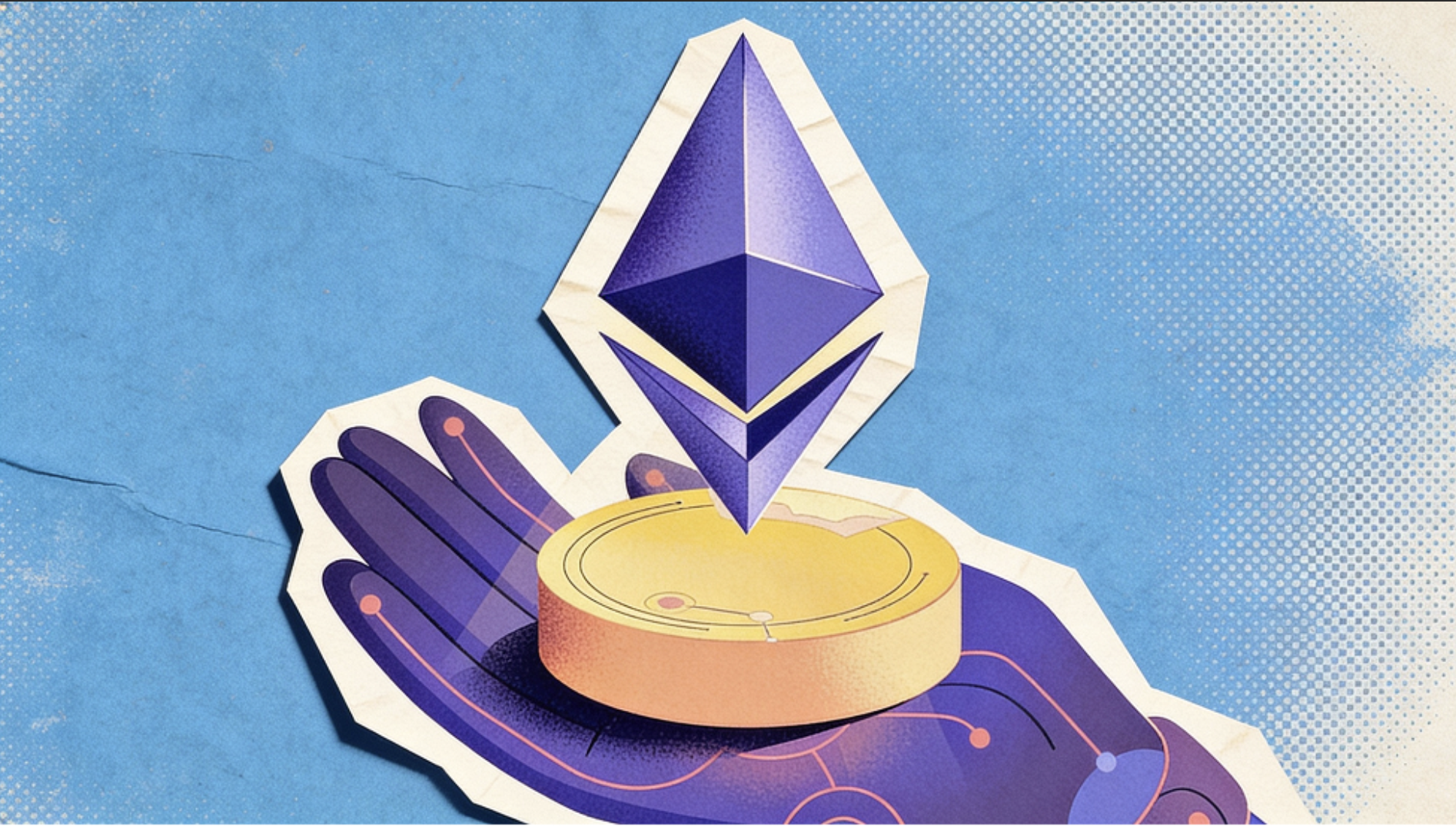
"Tether's Gold Token (XAUT): A Viable Investment in 2026?" Amidst a challenging 2026 market, gold emerges as a key asset for hedging against inflation and currency devaluation. Tether's XAUT, a gold-backed token, is positioned as an optimal solution for crypto-savvy investors seeking exposure to gold. Gold's impressive performance in 2025, with a ~65% annual increase and over 50 record highs, sets a strong precedent. Its price surge to nearly $4,550/oz is supported by factors including potential U.S. policy shifts, massive inflows into Gold ETFs, and ongoing geopolitical tensions. Institutions like UBS are bullish, forecasting a rise to $5,000/oz by mid-2026. XAUT offers four main advantages: 1. **Strong Backing & Liquidity:** Tether holds 116 tons of physical gold, making it a top 30 global holder. XAUT's market cap stands at ~$2.3 billion, ensuring robust liquidity. 2. **Low Entry Barrier:** The recent introduction of "Scudo," a new unit equal to 1/1000th of an XAUT token (~$4.40), drastically lowers the investment threshold. 3. **High Accessibility:** XAUT is listed on major CEXs (Bybit, OKX) and DEXs (Uniswap), supporting both spot and leveraged trading. 4. **Tether's Dominance:** Backed by Tether's profitable stablecoin empire and significant Bitcoin reserves, XAUT benefits from immense institutional strength. With the de-dollarization trend and a weak USD/CNY exchange rate, XAUT presents a compelling, lower-risk option for ordinary investors to diversify into gold.

marsbit01/10 07:31

Is Tether's Gold Token XAUT Worth Buying?

marsbit01/10 07:31

Lighthouses Guide the Way, Torches Claim Sovereignty: A Hidden War Over AI Allocation Rights

The article "Lighthouse Guides Direction, Torch Fights for Sovereignty: A Hidden War Over AI Allocation" by Zhixiong Pan examines the underlying power struggle in AI development, moving beyond superficial metrics like model size and performance rankings. It identifies two coexisting paradigms: the "Lighthouse," representing state-of-the-art (SOTA), centralized AI systems controlled by tech giants like OpenAI and Google, which push cognitive boundaries but are resource-intensive and create dependency risks; and the "Torch," symbolizing open-source, locally deployable models (e.g., DeepSeek, Mistral) that democratize access, ensure data sovereignty, and enable private, customizable AI assets. The Lighthouse drives innovation and sets technical directions but poses risks in accessibility, control, and single-point failures. The Torch, while shifting security and responsibility to users, offers resilience, cost stability, and compliance for critical applications in sectors like healthcare and finance. The interplay between these models forms a symbiotic relationship: Lighthouses expand capabilities, while Torches disseminate and stabilize these advances, collectively elevating AI’s baseline. Ultimately, the conflict is over AI allocation rights—defining default intelligence, managing externalities, and determining individual control. A dual strategy—using Lighthouses for frontier tasks and Torches for private, reliable deployment—is proposed as the pragmatic path forward, balancing extreme capability with broad, sovereign access. The true measure of the AI era lies not in raw power but in whether individuals possess "a light they don’t have to borrow from anyone."

marsbit12/22 11:13

Lighthouses Guide the Way, Torches Claim Sovereignty: A Hidden War Over AI Allocation Rights

marsbit12/22 11:13

2025 Year-End Final Exam: Crypto Asset Allocation Guide After the FOMC Decision

Crypto markets face a critical juncture in late 2025. Bitcoin hovers near $90,000, with the Fear & Greed Index at 25 (Extreme Fear) and short-term holder capitulation at historic highs. The December FOMC meeting delivered an expected 25bps rate cut but adopted a hawkish tone, projecting only one more cut in 2026, causing a brief BTC sell-off. However, the Fed also initiated a $40B/month Reserve Management Purchases (RMP) plan, a form of "stealth QE" injecting liquidity. Key themes emerge: - **Macro Impact**: Hawkish guidance creates short-term pressure, but ending QT and launching RMP set the stage for a 2026 liquidity surge, historically bullish for crypto. - **Institutional Shift**: 2025 marked a pivot to institutional dominance. While BTC remains core, portfolios are diversifying into ETH, Solana, stablecoins, and tokenized real-world assets (RWA). Pension and sovereign wealth funds are increasing exposure. - **Historical Pattern & On-Chain Data**: A potential "Santa Low-Chinese New Year Rally" pattern is anticipated due to seasonal liquidity shifts. On-chain metrics signal a likely bottom: massive STH capitulation, declining exchange reserves, and valuation indicators (MVRV Z-Score, Puell Multiple) in historic buy zones. The confluence of extreme fear, strong underlying accumulation signals, and impending macro liquidity shifts presents a strategic entry point for long-term investors, framing the current pullback as a mid-cycle correction within a broader upward trend.

marsbit12/18 07:13

2025 Year-End Final Exam: Crypto Asset Allocation Guide After the FOMC Decision

marsbit12/18 07:13

活动图片