Sam Altman in Conversation with Stripe CEO: The Era Where Ideas Are More Valuable Than Code Has Arrived!

marsbitОпубликовано 2026-05-15Обновлено 2026-05-15

Введение

At Stripe's 2026 annual conference, OpenAI CEO Sam Altman joined Stripe CEO Patrick Collison for a fireside chat. Altman shared key insights on the AI revolution, emphasizing that we are in a period of rapid takeoff, with AI capabilities advancing weekly. He outlined OpenAI's evolution from a research lab to a product company and now a large-scale "token factory" – a low-margin, utility-like provider of intelligence. Altman stressed that the most successful AI adopters have CEOs who personally automate workflows, driving organizational change. A significant shift is the rise of the "idea person." Altman now actively invests in founders with deep product insight but no coding skills, as AI tools enable them to build. He advocates for "suspension of disbelief" in investing, planning long-term (e.g., 20-year infrastructure deals) while focusing on a clear 2-year product roadmap. Beyond products, Altman is most excited about AI accelerating scientific discovery, shortening decade-long research cycles in complex diseases and driving breakthroughs in materials science and energy. He predicts the first profitable fusion reactor could emerge within five years, spurred by AI's compute demands. Finally, Altman defended OpenAI's philosophy of iterative public deployment over elite control, believing democratizing AI access is crucial to avoid centralized power and unlock global innovation.

Source: Stripe

On April 30, 2026, OpenAI CEO Sam Altman took the stage at Stripe's annual conference for an in-depth fireside chat with Stripe CEO Patrick Collison.

The two have known each other for nearly two decades, and their conversation covered the inflection point in AI development, OpenAI's management philosophy, changes in the startup ecosystem, and the profound impact of AI on science and humanity's future.
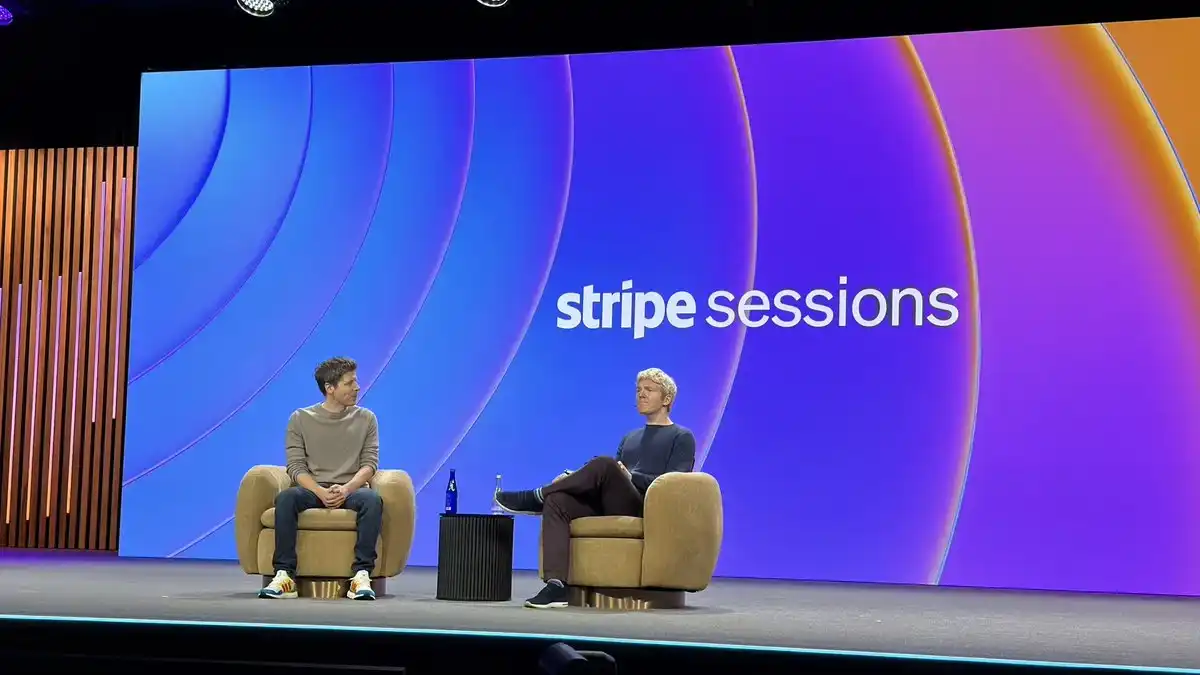
During the conversation, Altman dropped a series of heavyweight viewpoints:

  • We are indeed in the midst of some kind of takeoff. AI is developing very fast; it's a little different every week.

  • OpenAI has undergone three evolutions: from a research lab, to a product company, and now to a large-scale token factory.

  • The revenge of the "Ideas People" is here: I am now willing to invest in people who deeply understand user needs and have product insight but can't write code at all.

  • What excites me most about AI is not products, nor business models, but the potential to accelerate scientific discovery.

We Are in the Midst of Takeoff

When does the Singularity begin?

Patrick Collison offered an interesting perspective in his opening: treat this year as the first year of the Singularity.

In response, Sam Altman said, "We are indeed in the midst of some kind of takeoff." From the second half of last year to the beginning of this year, AI model capabilities broke through a certain tipping point—especially in the field of code generation.

"It's a little different every week, things are moving very fast."

A Shift in Perception

Currently, Codex (OpenAI's programming model branch) is having its "moment."

While the most dedicated users are still programmers, a large number of users without programming backgrounds are also flocking to it, trying to use it to handle all their daily computer-based work.
Altman believes people will undergo a more widespread cognitive shift: realizing how much of their time is wasted on computer drudgery.

Switching messaging apps, copying and pasting content, handling repetitive emails that could obviously be automated—these fragmented tasks are quietly eroding people's focus and work experience. When most people truly realize AI can do this "grunt work" for them, the feeling will be revolutionary.

Who's Really Using AI Well?

It Only Counts if the CEO Gets Hands-On

After observing many enterprise clients, Altman concluded: The companies most successfully applying AI often share a common characteristic—the CEO personally gets hands-on.

Not symbolically announcing "we will embrace AI," but actually building automated workflows themselves, then demanding the team follow. He gave the example of Shopify's CEO: he was one of the earliest hands-on CEOs Altman had seen, directly driving the entire company to integrate AI into all processes.

OpenAI is now trying a new experiment: sending an engineer to directly accompany a company's CEO, helping them automate as many workflows as possible.

If you can make a company's leadership truly feel the power of AI, that feeling will permeate the entire organization like a fractal.

OpenAI's Three Evolutions

Sam Altman candidly shared the management evolution inside OpenAI, which is essentially a microcosm of AI's industrialization path.

Three Stages of Transformation

The first stage, a pure research lab, aiming to figure out how to build AGI when everyone thought it was crazy.

The second stage, while continuing research, needed to learn how to be a product company.

The third stage, which is now being entered: on top of the previous two, building a large-scale token factory. Altman compared it to a new type of utility, like electricity; the world needs massive, cheap, accessible intelligence.

Vision of Low-Margin Infrastructure

Addressing doubts about "will AI giants monopolize everything," Altman used Stripe as a reference point: Stripe and its customers are highly aligned; the more Stripe earns, the better its customers do, a positive infrastructure relationship.

Altman hopes OpenAI can ultimately play a similar role: an intelligence infrastructure provider, even if perpetually low-margin, as long as it's big enough, fast enough, and deeply tied to the success of the world's distributed economy.

He also acknowledged that AI's switching costs are inherently low, making high margins difficult to sustain. The recent large-scale migration of users from competitors to Codex shows that friction for switching will become smaller in the AI era.

Compute Investment: The Most Expensive Infrastructure in History

Regarding massive compute investment, Altman stated: "This will be the most expensive infrastructure project in human history."

Efficiency gains per GPU have exceeded his expectations, but demand growth is even faster. As for how much compute needs to be built? "I don't have a good answer... in some sense, demand is almost unlimited."

OpenAI's Management Philosophy

OpenAI gathers some of the smartest and most unique individuals in the world. Altman revealed his secret is extreme conviction gambling:

  • Concentrate Resources: When training GPT-3, OpenAI threw almost all its compute resources into one project. At the time, people at DeepMind warned this would create a toxic competitive culture; OpenAI's response was: We have conviction, this is the right direction.

  • Shared Vision: Altman believes that even if team members have personal conflicts or clash, their shared belief in "Scale" allows them to sit together and solve problems.

"Directly Managing Hundreds" Communication Style

Asked about any unusual management habits, Altman mentioned: He communicates directly with hundreds of people in the company daily via Slack—not through assistants, but directly himself, with one or two short messages at a time.

This decentralized approach sometimes brings him very valuable information.

The New Paradigm for Startups

"Ideas People" Revenge

Altman developed a deep-seated bias during his YC days: disdain for entrepreneurs who "only have an idea and need a programmer to implement it," thinking it was as absurd as saying "I have a great song idea, just need someone who plays guitar to make it."

But now, "the revenge of the Ideas People has arrived."

Those who deeply understand user needs and have product insight but can't code at all can now quickly build products using AI tools. Altman said he is now very willing to invest in such people.

How to Invest Before the Singularity?

AGI might arrive in three to five years. Is the traditional ten-year investment horizon for venture capital still reasonable?

Altman's answer: Do everything on this timescale with a 'suspension of disbelief.' You can't do nothing just because "the Singularity is coming in three years, we can't see through it." You still have to act as if life will continue.

OpenAI has signed twenty-year power and land agreements but only has a clear grasp of its product roadmap for the next two years.—Make long-term infrastructure investments while staying clear about the near term; that's his answer.

AI is Reshaping Scientific Discovery

What excites Altman most about AI is not products, nor business models, but the potential to accelerate scientific discovery.

He believes this will be this technology's most profound contribution to improving human quality of life.

Tackling Complex Diseases

Through collaboration with the Arc Institute, OpenAI is supporting the use of large biological foundation models like Evo 2 to research complex diseases involving multiple genes, such as cancer and Alzheimer's.
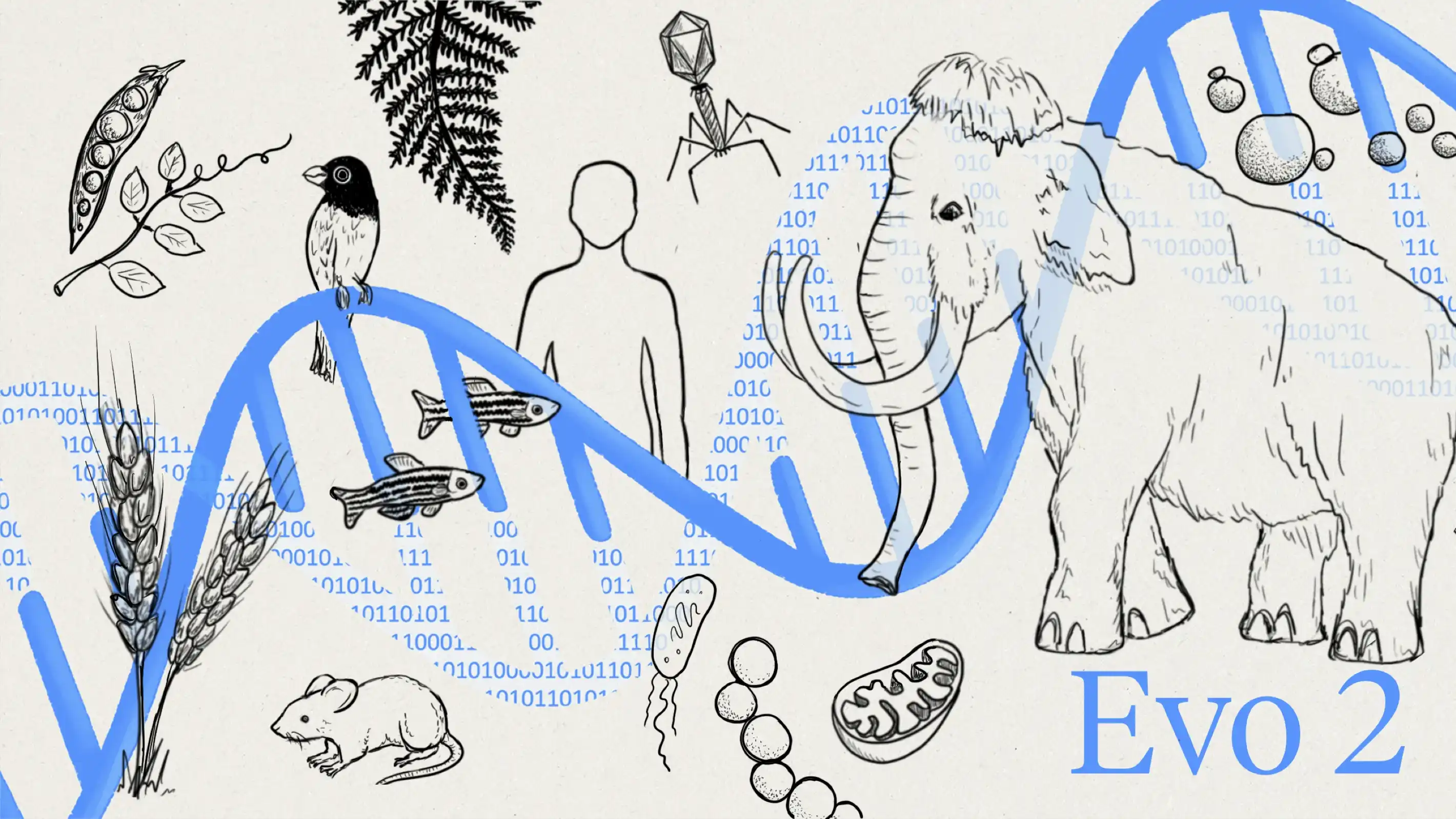
AI is shortening research cycles that originally took ten years down to one year.

Leaps in Energy and Materials

He specifically pointed out a severely underestimated field: materials science.

AI is exceptionally good at finding optimal solutions in vast combinatorial spaces, which will bring breakthroughs in catalyst development, energy efficiency improvements, etc. He expects very rapid progress here, changing all our lives in profound ways.

👉 On energy, Altman boldly predicted: Driven by the demands of AI compute, the first profitable fusion reactor could appear within five years.

Democratization: Sam Altman's Final Stand

At the end of the conversation, Altman discussed the most controversial decision in OpenAI's history: Iterative Deployment.

He recalled that many safety experts advocated locking AI in an "ivory tower," controlled by a select few, before distributing the results to the world.

"That idea made me very uncomfortable." Altman stated: Avoiding concentration of power, making this technology truly belong to the world, is extremely important.

"People will use AI in all sorts of ways, but I believe most people are good, and most will use tools to do amazing things. I think my most important contribution is pushing for this technology to be a democratized technology, accessible and buildable by everyone."


Трендовые криптовалюты

Связанные с этим вопросы

QAccording to the article, what is Sam Altman's current stance on investing in founders who lack coding skills?

ASam Altman now expresses a strong willingness to invest in founders who have a deep understanding of user needs and product insight but completely lack coding skills, marking a shift from his earlier bias at Y Combinator. He calls this the 'revenge of the idea people.'

QHow does Sam Altman characterize the current state of AI development in the conversation?

ASam Altman states that 'we are definitely in some kind of takeoff,' with AI developing very rapidly and feeling different week to week, especially after a critical breakthrough in model capabilities from late last year to early this year.

QWhat are the three evolutionary phases that OpenAI has gone through, as described by Sam Altman?

AThe three phases are: 1) A pure research institution focused on figuring out how to build AGI. 2) A phase of learning to be a product company while continuing research. 3) The current phase of building a 'large-scale token factory' or a new type of utility providing abundant, cheap, and accessible intelligence.

QWhat does Sam Altman identify as the most exciting potential of AI, beyond products and business models?

AHe is most excited about AI's potential to accelerate scientific discovery, which he believes will be the technology's most profound contribution to human quality of life, citing progress in complex diseases and material science.

QWhat is the controversial principle that Sam Altman cites as his most important contribution regarding AI's development?

AHe cites 'Iterative Deployment'—the principle of democratizing AI technology by making it widely available for people to use and build upon, rather than keeping it locked in an 'ivory tower' controlled by a small elite, as his most important contribution.

Похожее

После трёх кварталов падения: получится ли у крипторынка стабилизироваться в третьем квартале?

Криптовалютный рынок пережил худший квартал с 2022 года, общая капитализация упала на 12,6% до $2,1 трлн, а дневные объемы торгов снизились на 20,9%. Впервые за три года сократилась и капитализация стейблкоинов. Основные факторы спада — отток средств из биткоин-ETF, распродажа биткоинов корпоративным казначейством Strategy и ужесточение монетарной политики ФРС. Второй квартал завершился чистым оттоком $46,7 млрд из ETF, при этом в июне отток достиг рекордных $45 млрд. Ключевым событием третьего квартала станет заседание ФРС 28–29 июля. Мягкий сигнал может поддержать биткоин в диапазоне $68 000–84 000 и вернуть приток в ETF, тогда как жесткая риторика способна сместить торговый диапазон к $50 000–56 000. Законодательная неопределенность также давит на рынок: прогресс по закону CLARITY Act, определяющему регуляторные границы, замедлился, и вероятность его принятия в 2026 году упала до 40–45%. Несмотря на общий спад, два сегмента показали рост: объемы на рынках предсказаний выросли на 48,7%, а торговля токенизированными коллекционными предметами увеличилась на 143%. Сектор RWA продолжает стабильно развиваться, достигнув $28,1 млрд. Рынок, вероятно, миновал фазу острой распродажи, но для устойчивого восстановления необходимы ясность от ФРС и регуляторный прогресс.

marsbit12 ч. назад

После трёх кварталов падения: получится ли у крипторынка стабилизироваться в третьем квартале?

marsbit12 ч. назад

BIT Торговые часы: BTC по-прежнему под давлением 200 EMA на недельном графике, после отскока возможен перезапуск нисходящего движения; секторы хранения данных и полупроводников, выросшие ночью, начали падение в вечерней сессии

**Краткий обзор рынка: BTC под давлением, коррекция на рынке акций, внимание к данным и событиям** Рынок криптовалют демонстрирует осторожное восстановление. Bitcoin торгуется около $66 000, сталкиваясь со значительным сопротивлением в районе $68 000, где сосредоточены объемные "застрявшие" позиции. Ключевые технические уровни — 200-недельная скользящая средняя (~$63 333) и 200-недельная EMA (~$68 328). Аналитики отмечают низкую ликвидность, характерную для летнего периода. На фондовом рынке после сильного роста во вторник наблюдается коррекция. Фьючерсы на основные индексы США снижаются. Акции полупроводниковой и памяти, которые резко выросли накануне, падают в ночных торгах. Исключением стал SMCI, который вырос более чем на 15% после оптимистичного прогноза. На общий настрой негативно влияют рост цен на нефть (более $91 за баррель Brent) и доходности государственных облигаций США (10-летние — около 4,64%), что возрождает инфляционные опасения. Азиатские рынки показали нестабильную динамику. Индекс KOSPI в Корее вырос на 0,74%, а японский Nikkei 225 снизился на 0,18%. Основной риск для региона — ослабление японской иены до минимумов с 1986 года, что повышает вероятность вмешательства властей. **Ключевые события для наблюдения:** * **24 июля:** Финансовые отчеты Alphabet (Google), Tesla, IBM. Событие AMD, посвященное ИИ. * **25 июля:** Решение по процентной ставке ЕЦБ и пресс-конференция Кристин Лагард. Финансовые отчеты Intel, American Airlines, Honeywell и других. Данные по числу первичных заявок на пособие по безработице в США.

marsbit13 ч. назад

BIT Торговые часы: BTC по-прежнему под давлением 200 EMA на недельном графике, после отскока возможен перезапуск нисходящего движения; секторы хранения данных и полупроводников, выросшие ночью, начали падение в вечерней сессии

marsbit13 ч. назад

Бывший глава CFTC и президент Circle Тарберт: призывает к долгосрочной стратегии, но сам выводит $30 млн

Бывший председатель CFTC и президент Circle Хит Тарберт, публично пропагандируя долгосрочное видение компании для инвесторов на фоне падения акций на 70% с пиковых значений, сам активно распродавал свои акции CRCL. С момента IPO Circle он по плану 10b5-1 продал более 360 тысяч акций, выручив около 30 миллионов долларов, и при этом ни разу не докупал акции на открытом рынке. Эта разница между его публичными заявлениями и личными действиями вызвала критику. Карьера Тарберта демонстрирует классическое использование «вращающейся двери» между регулирующими органами и частным сектором. Уйдя с поста председателя CFTC в 2021 году, через 27 дней он занял должность главного юрисконсульта в маркет-мейкере Citadel Securities, который в тот момент находился под пристальным вниманием из-за скандала с акциями GameStop. Позже, уже работая в Citadel, Тарберт выступал за расширение полномочий CFTC на крипторынок, в то время как его работодатель планировал выход на этот рынок. В 2023 году Тарберт присоединился к Circle, где его опыт и связи сыграли ключевую роль в успешном проведении IPO компании в 2025 году. Однако его последующие массовые продажи акций, совпавшие с падением котировок и его же призывами к долгосрочным инвестициям, ставят под сомнение искренность его уверенности в будущем компании. Критики видят в его карьере образец превращения регуляторного опыта и политических связей в личную выгоду, в то время как риски несут обычные инвесторы, верящие его нарративам.

marsbit13 ч. назад

Бывший глава CFTC и президент Circle Тарберт: призывает к долгосрочной стратегии, но сам выводит $30 млн

marsbit13 ч. назад

Gate Research: Взлет «уолл-стритизации» криптофинансовых продуктов — это конкуренция или интеграция?

**Аналитический обзор Gate Research Institute: Волна "уолл-стритизации" криптофинансовых продуктов — конкуренция или интеграция?** Создание биткоина в 2009 году было ответом на финансовый кризис и стремлением построить децентрализованную систему без доверенных посредников. Однако к 2026 году значительная часть биткоинов (около 7,14%) хранится через ETF таких гигантов, как BlackRock. Это символизирует глубокую интеграцию традиционных финансов (TradFi) и крипторынка. С появлением биткоин-ETF, фьючерсов, RWA (токенизированных реальных активов) и государственных облигаций на блокчейне, традиционные институты получают всё больше влияния на выпуск, ценообразование, кастодию и дистрибуцию криптоактивов. Однако это не одностороннее поглощение, а взаимодополняющая конвергенция. Криптосфера приносит TradFi глобальную 24/7 ликвидность и программируемость, а TradFi предоставляет криптосфере регулируемые каналы, институциональное доверие и массовый доступ. Яркий пример — две противоположные, но ведущие к одной цели траектории: * **Путь А:** Криптобиржи, такие как Gate, начинают с токенизированных акций и CFD, а затем напрямую подключаются к инфраструктуре традиционных брокеров, предлагая реальную торговлю акциями США, Гонконга и Кореи за стейблкоины. * **Путь Б:** Традиционные брокеры, такие как Robinhood, интегрируют криптоактивы, а затем создают собственные Layer 2 для токенизации своих акций, стремясь к круглосуточной торговле. Обе стратегии нацелены на создание **универсального финансового аккаунта будущего** — единой точки доступа к акциям, криптовалютам, ETF, токенизированным облигациям и другим активам. Ключевой конкурентной борьбой становится не между CEX и брокерами, а между этими "супераккаунтами". Параллельно, слой RWA и токенизированных гособлигаций растёт даже на медвежьем рынке, становясь "прослойкой" для объединения капиталов. Хотя этот рынок (около $150 млрд токенизированных казначейских облигаций) ещё мал по сравнению с традиционным ($30 трлн), он демонстрирует устойчивый структурный тренд, привлекающий крупнейшие финансовые институты (JPMorgan, DTCC и др.). **Вывод:** "Уолл-стритизация" — это не поражение идеалов децентрализации, а формирование новой гибридной модели. Децентрализованные протоколы продолжают работать на базовом уровне, в то время как на уровне приложений и пользовательского опыта формируется более эффективный, глобальный и свободный объединённый рынок капитала, где активы TradFi и DeFi торгуются бок о бок в одном интерфейсе. Уолл-стрит не завоевала криптосферу, а криптосфера не обошла Уолл-стрит — они совместно строят новые финансовые рельсы.

marsbit13 ч. назад

Gate Research: Взлет «уолл-стритизации» криптофинансовых продуктов — это конкуренция или интеграция?

marsbit13 ч. назад

S&P Dow Jones и Pantera выпускают криптоиндекс, биткоин оставлен за бортом из-за «отсутствия прибыли»

Стандард энд Пурс (S&P Dow Jones Indices) совместно с Pantera Capital запускает индекс S&P Pantera Digital Asset Index. Новый индекс включает 18 токенов, но исключает биткоин, XRP и мем-токены. Критерием отбора послужила «финансовая жизнеспособность», по аналогии с S&P 500: протокол должен демонстрировать положительный доход в течение нескольких кварталов и распределять стоимость среди держателей токенов. Это первое применение фундаментального подхода к оценке криптоактивов со стороны крупнейшего в мире провайдера индексов. В первую пятерку активов вошли Ethereum (ETH), BNB, Solana (SOL), TRON (TRX) и Hyperliquid (HYPE). Pantera отмечает, что совокупный годовой доход всех протоколов индекса превышает $30 млрд. Биткоин был исключен по трем причинам: он рассматривается как монетарный актив, доступный через отдельные ETF; он не генерирует доход протокола; а смешивание его в индексе с доходными активами затрудняет фундаментальный анализ для институциональных инвесторов. Пока индекс является эталонным, но Pantera ведет переговоры о создании на его основе ETF и других инвестиционных продуктов. Компания также отмечает значительный разрыв на рынке: многие институциональные инвесторы готовы к аллокации в криптоактивы, но им не хватает структурированных продуктов, фокусирующихся на активах с реальной экономической деятельностью.

marsbit13 ч. назад

S&P Dow Jones и Pantera выпускают криптоиндекс, биткоин оставлен за бортом из-за «отсутствия прибыли»

marsbit13 ч. назад

Торговля

Спот

Популярные статьи

Как купить ERA

Добро пожаловать на HTX.com! Мы сделали приобретение Caldera (ERA) простым и удобным. Следуйте нашему пошаговому руководству и отправляйтесь в свое крипто-путешествие.Шаг 1: Создайте аккаунт на HTXИспользуйте свой адрес электронной почты или номер телефона, чтобы зарегистрироваться и бесплатно создать аккаунт на HTX. Пройдите удобную регистрацию и откройте для себя весь функционал.Создать аккаунтШаг 2: Перейдите в Купить криптовалюту и выберите свой способ оплатыКредитная/Дебетовая Карта: Используйте свою карту Visa или Mastercard для мгновенной покупки Caldera (ERA).Баланс: Используйте средства с баланса вашего аккаунта HTX для простой торговли.Третьи Лица: Мы добавили популярные способы оплаты, такие как Google Pay и Apple Pay, для повышения удобства.P2P: Торгуйте напрямую с другими пользователями на HTX.Внебиржевая Торговля (OTC): Мы предлагаем индивидуальные услуги и конкурентоспособные обменные курсы для трейдеров.Шаг 3: Хранение Caldera (ERA)После приобретения вами Caldera (ERA) храните их в своем аккаунте на HTX. В качестве альтернативы вы можете отправить их куда-либо с помощью перевода в блокчейне или использовать для торговли с другими криптовалютами.Шаг 4: Торговля Caldera (ERA)С легкостью торгуйте Caldera (ERA) на спотовом рынке HTX. Просто зайдите в свой аккаунт, выберите торговую пару, совершайте сделки и следите за ними в режиме реального времени. Мы предлагаем удобный интерфейс как для начинающих, так и для опытных трейдеров.

804 просмотров всегоОпубликовано 2025.07.17Обновлено 2026.06.02

Как купить ERA

Обсуждения

Добро пожаловать в Сообщество HTX. Здесь вы сможете быть в курсе последних новостей о развитии платформы и получить доступ к профессиональной аналитической информации о рынке. Мнения пользователей о цене на ERA (ERA) представлены ниже.

活动图片












