Автор: Vaidik Mandloi, thetokendispatch
Перевод:白话区块链
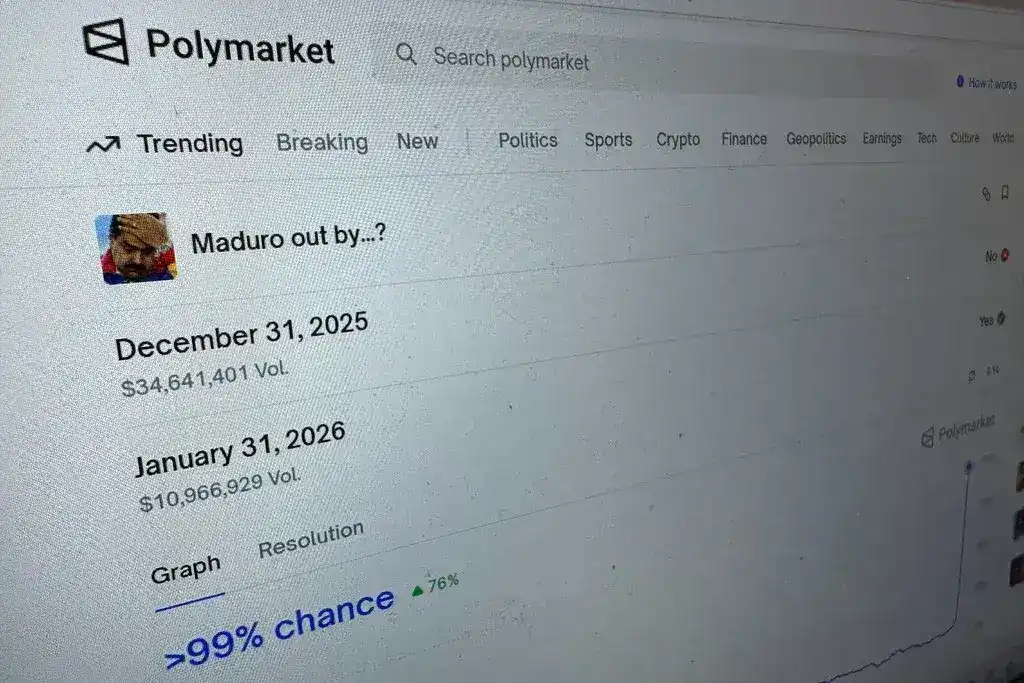
В январе 2026 года анонимный трейдер сделал серию ставок на криптовалютной платформе Polymarket на то, что президент Венесуэлы Николас Мадуро будет захвачен. Общая сумма ставок составила около 34 000 долларов. Спустя несколько дней силы специального назначения США провели операцию по захвату, и трейдер получил выигрыш в размере более 400 000 долларов. Позже госсекретарь подтвердил, что операция была настолько секретной, что не требовала уведомления Конгресса. Подумайте только: Конгресс США, уполномоченный санкционировать военные операции, ничего не знал. Американская публика также оставалась в неведении. Однако кто-то, сидящий за экраном платформы для криптовалютных ставок, обладал достаточной информацией и поставил на это реальные деньги. И его предсказание сбылось.
Это стало распространенным нарративом в индустрии прогнозных рынков сегодня. Как заявил генеральный директор Polymarket Шейн Копленд, это называется «машиной истины». Аргумент заключается в том, что, поскольку трейдеры заинтересованы материально, их коллективные ставки более точно отражают будущее развитие мира, чем любые опросы, эксперты или комментаторы (которые не несут никаких последствий в случае ошибки). Можно сказать, что коэффициенты Polymarket — это самое близкое к истине, что можно найти.
Этот нарратив, кажется, работает. Прогнозные рынки больше не являются нишевым уголком интернета, где несколько азаторов ищут острых ощущений. Недавний анализ набора данных из 364 видеороликов в TikTok, упоминающих прогнозные рынки, показал, что 68% роликов не связаны с трейдингом. Люди не делают ставки, а ссылаются на коэффициенты на этих платформах в политических дебатах, как раньше ссылались на опросы. Polymarket фигурирует примерно в 70% этих видео. 22-летний пользователь TikTok, публикуя политические видео, использовал коэффициенты платформы для криптовалютных ставок, чтобы предсказать развитие событий в реальном мире, и значительная часть аудитории с этим соглашалась.
Это невероятно. Два года назад в это было бы невозможно поверить. Но вопрос, который никто серьезно не обдумывает: действительно ли этим вероятностям можно так доверять?
Итак, я спрашиваю: насколько точны эти рынки? Что происходит, когда коэффициенты начинают влиять на события, которые они должны предсказывать? И каково будущее, когда весь мир воспринимает коэффициенты ставок как истину?
Как оценивать прогнозные рынки?
Прежде чем анализировать данные, нам нужно понять, как измерить эффективность прогнозного рынка. Потому что большинство людей никогда об этом не задумывались, и если игнорировать это, вся реклама Polymarket и Kalshi — не более чем маркетинговый ход.
Существует метод оценки под названием Score Brier (Оценка Бриера). Метеоролог Глен Бриер предложил его в 1950 году для оценки качества прогнозов погоды, поскольку прогнозисты были (и остаются) одними из первых профессионалов, которым приходилось серьезно относиться к вероятностным прогнозам и зарабатывать на этом. Метод очень прост. Предположим, вы предсказываете 90%-ную вероятность дождя на завтра, и дождь действительно идет. Это хороший прогноз, ваша оценка Бриера низкая. Теперь предположим, вы предсказываете 90%-ную вероятность дождя, а на улице ясно. Это плохой прогноз, ваша оценка Бриера высокая. Оценка Бриера 0 означает, что ваш прогноз абсолютно точен. 0.25 означает, что ваш результат эквивалентен подбрасыванию монетки. Любая оценка выше 0.25 означает, что вам лучше просто угадывать случайным образом.
Почему это важно? Потому что когда Polymarket сообщает, что их рынок предсказывает 60%-ный шанс победы Трампа, и он в итоге побеждает, это звучит впечатляюще в заголовках новостей, но с статистической точки зрения один правильный прогноз почти ничего не значит. Вам нужно оценить полную историю рынка по тысячам вопросов. Вот для чего нужна оценка Бриера. Это единственный честный способ оценить, действительно ли эти рынки хороши в предсказании результатов выборов.
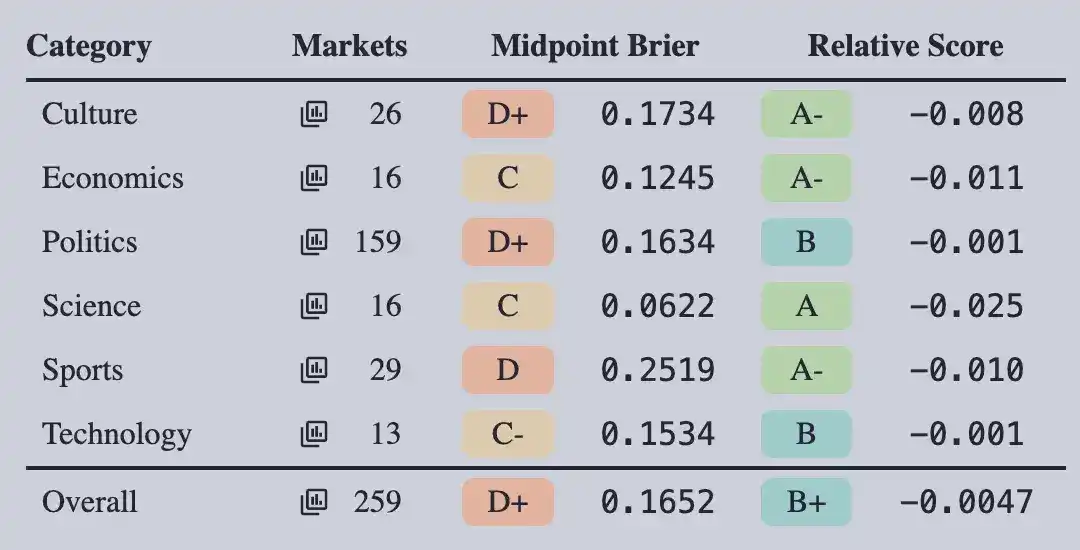
Сайт под названием Brier.fyi делает именно это. Они проанализировали более 84 000 вопросов на платформах Polymarket, Kalshi, Manifold и Metaculus. Совокупный показатель Brier для Polymarket составляет 0.047. Это действительно очень хороший показатель. Проще говоря, представьте себе предсказателя, который говорит: «Я на 90% уверен, что это произойдет», и каждый раз оказывается прав с такой точностью.
Но вот где начинается интересное, и нарратив о «машине истины» рушится.
Оценка 0.044 — это среднее значение по всем листингам Polymarket. И в этом случае среднее значение играет ключевую роль. Если разбить оценку по тому, на что люди фактически делают ставки, она сильно колеблется.
Наука и экономика? У Polymarket оценка A. Рынок основан на данных CPI, решениях ФРС по процентным ставкам и данных ВВП. Эти рынки работают хорошо, потому что трейдеры, как правило, обладают финансовой грамотностью, данные проверяемы, и институциональные инвесторы, разбирающиеся в теме, вкладывают реальные деньги.
Политика? B+. Вполне приемлемо, в основном за счет огромного рынка президентских выборов, куда притекают миллиарды долларов. Культура и технологии? Хуже. Намного хуже.
Затем спорт. Совокупный показатель прогнозных рынков по спорту на всех платформах составляет всего 0.325, то есть -D. Помните, вероятность подбрасывания монетки — 0.25. Прогнозные рынки по спорту в целом работают хуже, чем простое угадывание для каждого вопроса. Подумайте об этом.
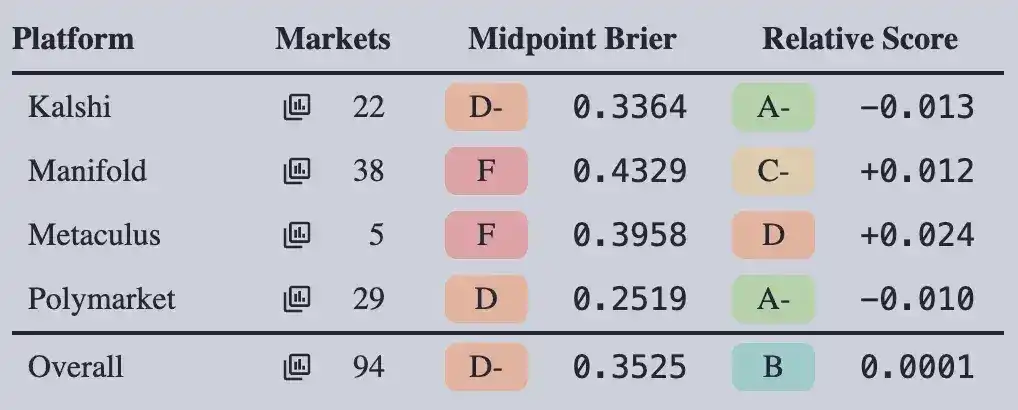
Категория, которая привлекает больше всего обычных betторов, и которую Kalshi активно развивала (в какой-то момент около 90% объема торгов Kalshi приходилось на спортивные ставки), — это категория, где рынки доказали свою ненадежность.
Теперь перейдем к отдельным рынкам, и здесь история становится еще интереснее.
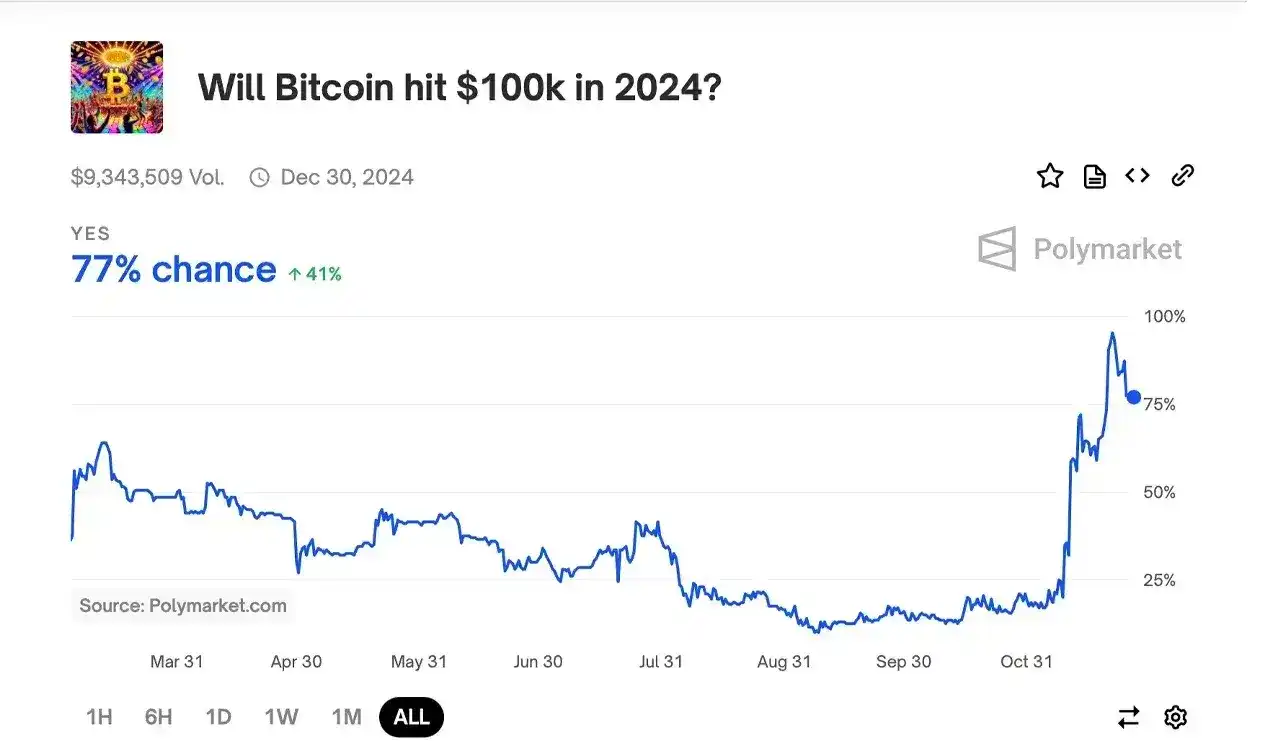
Polymarket запустила рынок на тему, достигнет ли биткоин 100 000 долларов к январю 2025 года. Биткоин в конечном итоге достиг 100 000 долларов. Рынок правильно предсказал исход, но он ошибочно оценивал вероятность большую часть времени, месяцами оставаясь в состоянии низкой уверенности, и только на последнем этапе взлетел до уровня, близкого к определенности. Его оценка Бриера составила 0.4909, то есть F. Помните, после 0.25 (эквивалент подбрасыванию монетки) вам лучше просто угадывать случайно. А оценка Бриера для этого рынка почти вдвое выше.
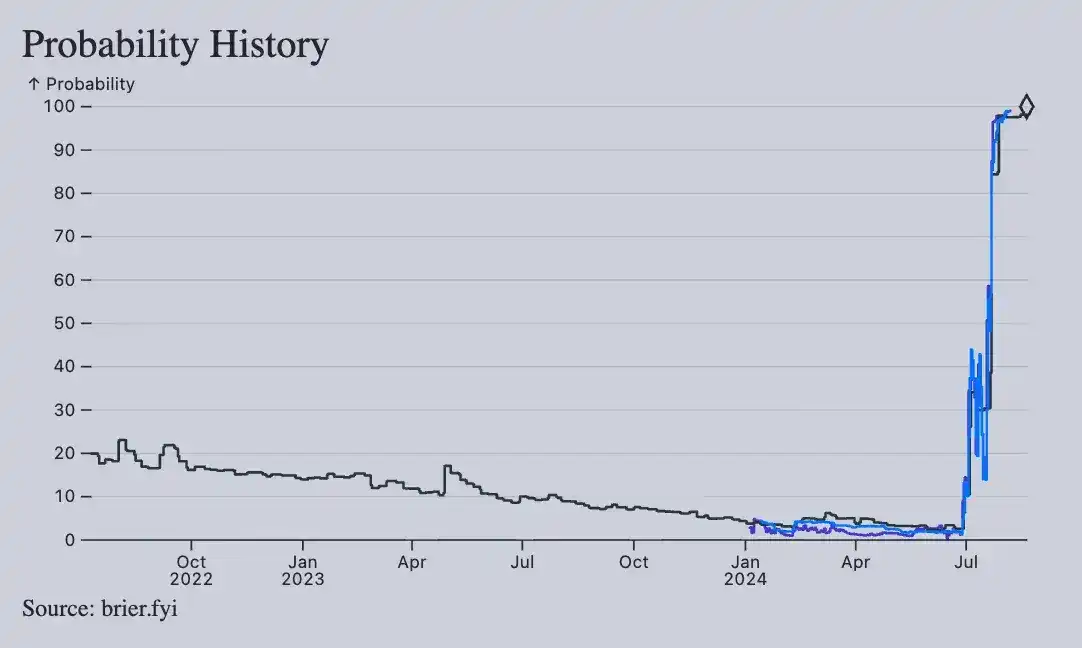
Динамика рынка по поводу того, получит ли Камала Харрис выдвижение в кандидаты в президенты от Демократической партии в 2024 году, была еще более безумной. В итоге она получила номинацию, и рынок снова, по иронии судьбы, правильно предсказал исход. Но показатель Бриера составил 0.9098. Эта цифра настолько плоха, что невозможно переоценить. Рынок так долго и уверенно ошибался, что даже правильный конечный результат не мог его спасти. Если бы вы полагались на этот рынок для принятия решений, вас вводили бы в заблуждение на протяжении всего избирательного цикла вплоть до самого момента объявления результатов.
Теперь обратная сторона, потому что это не простая история. Президентские выборы в США 2024 года стали настоящей победой для прогнозных рынков. В то время как все основные опросы показывали жесткую конкуренцию, Polymarket предсказывал примерно 60% шансов для Трампа. Исследование Университета Вандербильта, использующее байесовскую модель временных рядов, сравнило прогнозные цены Polymarket с результатами национальных опросов в семи колеблющихся штатах. Результаты показали, что Polymarket был точнее во всем.
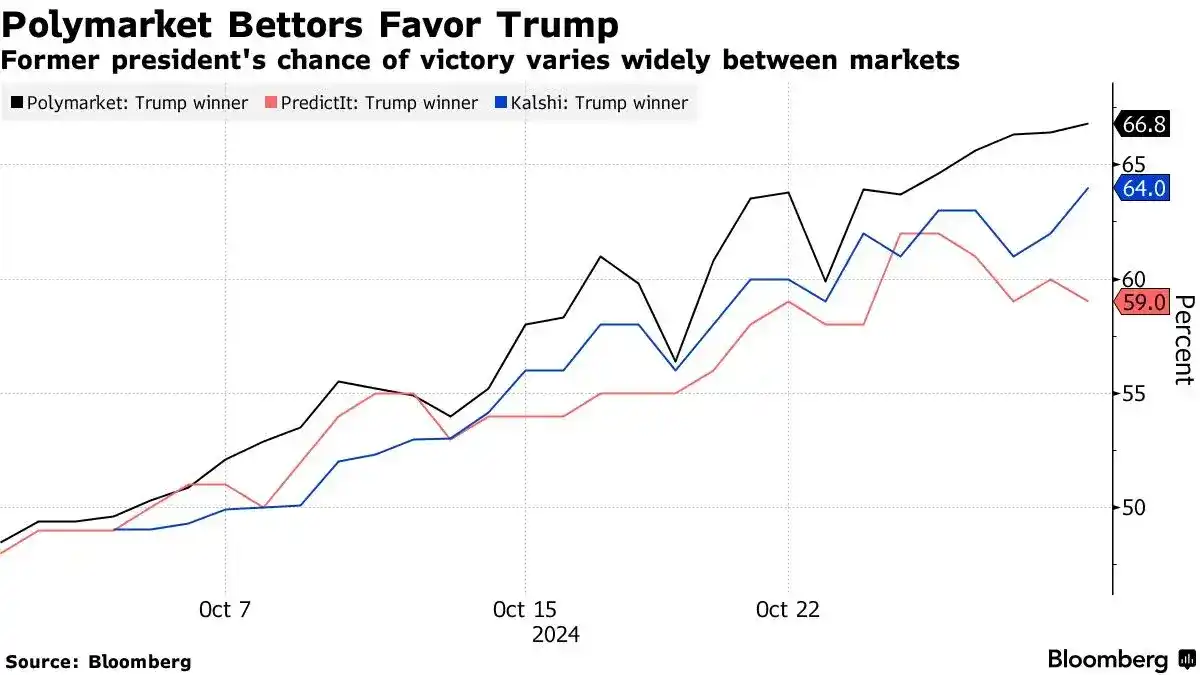
Итак, что это значит? Прогнозные рынки превосходно предсказывают выборы. Особенно в случае самых крупных и ликвидных выборов, где миллиарды долларов, десятки тысяч трейдеров и широкое внимание общественности сосредоточены на одном вопросе, прогнозы часто превосходят опросы.
Но загвоздка в том, что прогнозы выборов, вероятно, составляют всего 2% от объема торгов на этих платформах. Только рынок президентских выборов 2024 года на Polymarket принес более 3,6 миллиарда долларов объема, с 63 000 уникальных трейдеров в месяц. Если вы посмотрите на выборы в Конгресс, государственные референдумы или любые вопросы, связанные с культурой, технологиями или спортом, спреды между ценой покупки и продажи контрактов взлетают до 20-100% от средней цены. Спреды на рынках, связанных с законодательством и кризисами, приближаются к 100%. Такие большие спреды означают, что рынок почти ничего не знает. Это просто два человека, делающие совершенно противоположные предположения по одному и тому же вопросу, причем ни у кого из них почти нет денег для поддержки.
Когда судьба начинает писать историю
Если бы проблема точности ограничивалась экосистемой прогнозных рынков, это еще можно было бы контролировать. Трейдеры, делающие ставки на плохие рынки, теряют деньги, извлекают уроки, и система со временем улучшается. Так работали все финансовые рынки на протяжении ста лет. Но проблема в том, что коэффициенты перестали быть внутреннимом сигналом для трейдеров и превратились в информацию, доступную для всех.
За последние 18 месяцев крупные американские новостные СМИ начали интегрировать данные прогнозных рынков в свои политические репортажи. The Wall Street Journal заключила официальное соглашение с Polymarket о включении данных о ставках Polymarket в свои новостные материалы. CNN начали показывать коэффициенты Kalshi на экране в ночь выборов. CNBC поступили так же. В декабре 2024 года даже Substack объявил о прямом партнерстве с Polymarket, чтобы авторы рассылок могли встраивать данные рынка в реальном времени прямо в свои статьи.
Вот почему коэффициенты в конечном итоге появляются в TikTok. Эти цифры переходят из Polymarket в The Wall Street Journal, затем на кабельные новости, потом в Twitter и, наконец, в TikTok. Когда обычный пользователь видит эти коэффициенты, они уже распространились через достаточно авторитетные каналы, чтобы люди воспринимали их как факт. Люди принимают цифры, которые уже «отбелены» мейнстримными медиа.
В этом заключается корень проблемы прогнозных рынков: как только коэффициенты распространяются как новости, они начинают влиять на то, что должны были предсказывать. У этого явления есть специальное название, экономисты называют его эндогенностью. Проще говоря, результат измерения изменяет измеряемый объект.
Приведу конкретный пример. Генеральный директор Coinbase Брайан Армстронг участвует в телеконференции о прибылях и убытках. Он узнает, что Polymarket исполняет контракт, связанный с тем, упомянет ли он определенные фразы во время звонка.于是他修改了自己原本要用的措辞。 Изначально рынок должен был предсказать, что он скажет. Однако его знание о движении рынка изменило его окончательные слова.
Теперь давайте放大这种动态到选举层面。 На президентских выборах в США 2024 года французский трейдер под псевдонимом «Тео» (в СМИ его называют «китом Polymarket») поставил на победу Трампа и в итоге выиграл более 85 миллионов долларов. Это был не просто удачливый bettor. Он заказал private опрос, независимый от всех публичных опросов по стране, который показал, что Трамп выступает намного лучше, чем показывали публичные опросы.
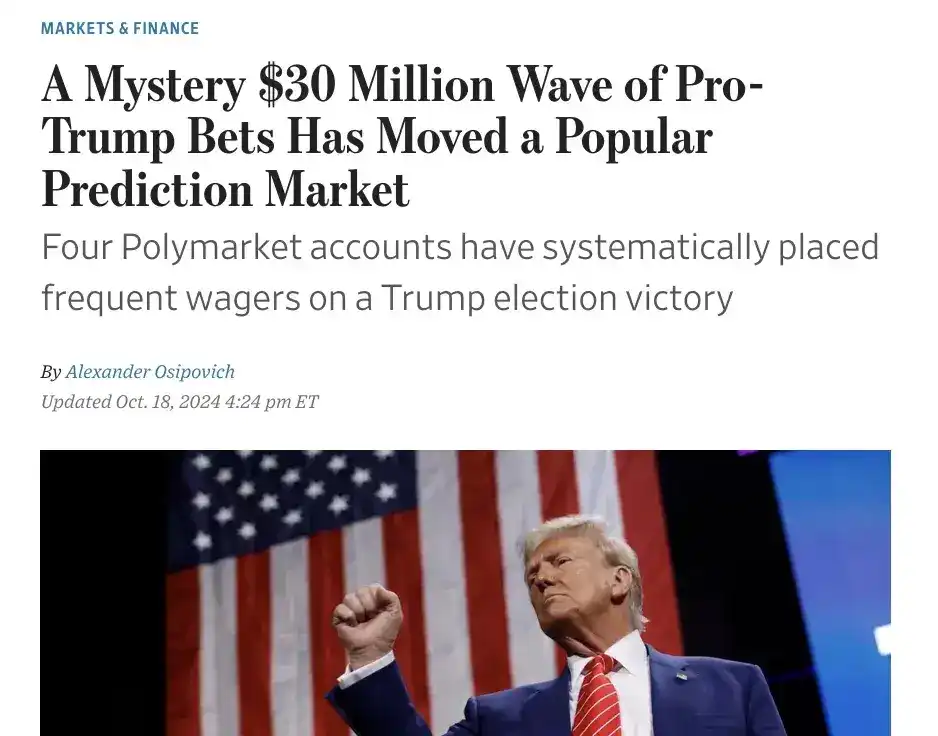
Именно поэтому его ставки подняли цены на нескольких платформах, которые затем были освещены упомянутыми мной СМИ, включая The Wall Street Journal, CNN и политических комментаторов на всех платформах. Несмотря на то, что опросы показывали жесткую конкуренцию, рыночный прогноз склонялся в пользу Трампа. Эта единственная нарратив повлияла на то, как миллионы людей воспринимали ситуацию в последние недели. Комментаторы спорили, обладают ли «умные деньги» информацией, недоступной для опросов. Избиратели приняли эту идею, и в итоге Трамп победил.
Я не утверждаю, что Тео изменил результат выборов. Это утверждение было бы слишком натянутым, и я не могу его подтвердить. Что я действительно хочу сказать, так это то, что любой, кто следил за этим, должен быть обеспокоен: трейдер, обладающий эксклюзивными данными private опроса, к которым у других не было доступа, смог повлиять на движение цен на Polymarket, а The Wall Street Journal и CNN затем упаковали эту цену и распространили ее как коллективную мудрость рынка. Хороший прогнозный рынок должен агрегировать огромное количество информации от множества участников в четкий сигнал. А в 2024 году произошло то, что эксклюзивные данные опроса одного человека были «отбелены» через Polymarket и перераспространены так, как будто они представляют консенсус тысяч трейдеров.
Если один трейдер с 85 миллионами долларов может это сделать, представьте, что могут сделать те, у кого действительно есть деньги и власть?
В феврале 2026 года израильские власти предъявили обвинения как минимум двум людям за использование секретной военной развединформации для азартных игр на платформе Polymarket. Они делали ставки по контрактам, связанным с этими операциями, до того, как они стали публично известны, с потенциальным выигрышем около 100 000 долларов. Эти люди имели допуск к секретной информации и использовали информацию, недоступную публике в течение нескольких дней, для ставок на войну. Это было первое в мире дело такого рода, подтвердившее, что прогнозные рынки достаточно быстры, ликвидны и анонимны, чтобы их можно было использовать для монетизации секретной информации в реальном времени.
Сделка с Мадуро, упомянутая в начале статьи? Та же схема. Кто-то поставил до того, как секретная военная операция стала известна, и выиграл более 400 000 долларов. Кто бы это ни был, либо обладал инсайдерской информацией, либо был самым удачливым угадывающим в истории политических ставок. Мы никогда не узнаем.
Что происходит, когда все верят коэффициентам?
Медианное время разрешения вопросов на платформе Polymarket составляет четыре дня. Среднее время разрешения — 19 дней, но его завышают несколько долгосрочных рынков. Большинство вопросов на платформе связаны с движением рынка на текущей неделе.
Это говорит о том, что эти рынки не делают никаких значимых долгосрочных прогнозов на будущее. Они просто оценивают ближайшие события. Будет ли голосование в пятницу принято? Скажет ли этот человек завтра что-то? Будет ли объявленная в среду цифра выше или ниже ожиданий? Эта информация, безусловно, полезна. Но это совершенно не то, что люди обычно подразумевают под «машиной истины» прогнозных рынков. Слова «машина истины» обычно означают, что рынок может сказать вам, каким будет мир через шесть месяцев, год или пять лет. Но данные показывают, что он этого не делает. И очень далек от этого.
99% объема торгов на прогнозных рынках сосредоточено в последние несколько часов перед тем, как событие становится известным. Деньги притекают в последние часы, когда результат уже практически предрешен. Кроме того, на этих рынках больше разрывов в ликвидности. К концу 2025 года еженедельный совокупный объем торгов на двух крупнейших платформах, Polymarket и Kalshi, по прогнозам, составит около 2,5 миллиардов долларов. Звучит впечатляюще, да? Но только американский рынок опционов清算ляет около 760 миллиардов долларов в день.
Прогнозные рынки составляют лишь 0.05% от этого. Вся индустрия прогнозных рынков, независимо от платформы, контракта или категории, ничтожна по сравнению с рынками, которые институты используют для принятия реальных решений.
Вот как обстоят дела: прогнозные рынки работают только для одного особого типа вопросов: бинарных, высоко значимых, краткосрочных событий с участием миллионов долларов. Но это лишь крошечная часть вопросов, которые эти платформы фактически предлагают. Для остальных 98% вопросов цены ненадежны, ликвидность практически нулевая, а их результаты больше похожи на опрос в Twitter, чем на финансовый инструмент.
Они создают источник вероятностей по умолчанию для всего. Подобно тому, как вы открываете терминал Bloomberg, чтобы узнать цену акции, их видение заключается в том, что вы откроете Polymarket, чтобы узнать вероятность. Их стратегия заключается в том, что как только достаточное количество медиа, новостных редакций, финансовых аналитиков и государственных исследователей начнут полагаться на этот источник данных, независимо от его точности, этот продукт станет незаменимым.
Я думаю, это сработает. И я считаю, что это должно беспокоить всех.
Потому что проблема не в том, полезны ли прогнозные рынки. Ответ — да. Для выборов, основных экономических данных и нескольких высокопрофильных событий они consistently превосходят альтернативы. Это факт, и это важно. Проблема в том, что происходит, когда вся информационная экосистема начинает воспринимать выводы этих рынков как истину, даже для тех 98% вопросов, которые рынки абсолютно не могут предсказать?
Экономист Робин Хансон, десятилетиями выступавший за прогнозные рынки, описывал их как систему, которая заставляет людей вкладывать деньги в свои убеждения. В его модели конечная цена будет наилучшей на данный момент оценкой истины. Но эта модель предполагает, что рынки ликвидны, участники разнообразны и ими нелегко манипулировать. А существующие у нас рынки доминируются handful «китов», сосредоточенных в двух областях (выборы и спорт), на которые приходится около 80% объема торгов. Остальные 20% объема разбросаны по тысячам контрактов, где несколько тысяч долларов могут сдвинуть цену на двузначные проценты.
Это инструменты для привлечения внимания. Когда весь мир смотрит, они работают; когда никто не смотрит, они терпят неудачу. Чем больше люди верят, что они являются машинами истины, тем больше власти получают те, кто может двигать цены. А те, кто двигает цены, — это не масса информированных обычных людей, а небольшая группа состоятельных трейдеров с private опросами и, по крайней мере, в двух подтвержденных случаях, с доступом к секретной развединформации.
Самая опасная вещь в прогнозных рынках заключается не в том, что они ошибаются, а в том, что они оказываются достаточно правы в ключевых вопросах, чтобы заслужить доверие, которого они не заслуживают. И это доверие медленно встраивается в механизмы обработки информации миром. The Wall Street Journal печатает прогнозные данные, CNN транслирует их, TikTok репостит. В конечном итоге, какой-нибудь трейдер с достаточным капиталом решает, что означает эта цифра.
Такова реальность машины истины. Система, которая генерирует цифры, а мир решает назвать это истиной.







