"No Questions Asked, Cash Accepted": A Record of Cryptocurrency Street Trading in Montenegro

marsbitОпубликовано 2025-12-10Обновлено 2025-12-10

Введение

In Montenegro, cryptocurrency transactions operate in a regulatory vacuum, with unverified intermediaries facilitating anonymous cash-for-crypto exchanges on the streets of Podgorica. A BIRN investigation documented a typical transaction: 70 USDT swapped for €60 cash in minutes, with no questions asked about fund origins. These over-the-counter (OTC) deals, often arranged via Telegram groups, bypass banks and legal oversight. Blockchain analysis revealed one trader’s wallet handled millions in transactions over a year, with a quarter flagged as medium-to-high risk—including ties to frozen or sanctioned funds. Traders include locals and foreigners from Russia, Ukraine, and Turkey, who rely on cash exchanges due to banking access barriers. Despite 2025 anti-money laundering amendments requiring KYC checks for transactions over €1,000, enforcement remains absent. Montenegro’s EU-aligned crypto laws are pending, aiming to regulate service providers and enable tax oversight. For now, the gray market thrives, unregistered and unchecked.

In Montenegro, cryptocurrency trading remains in a regulatory vacuum. People conduct transactions through offline cash dealings and unverified intermediaries to circumvent legal oversight.

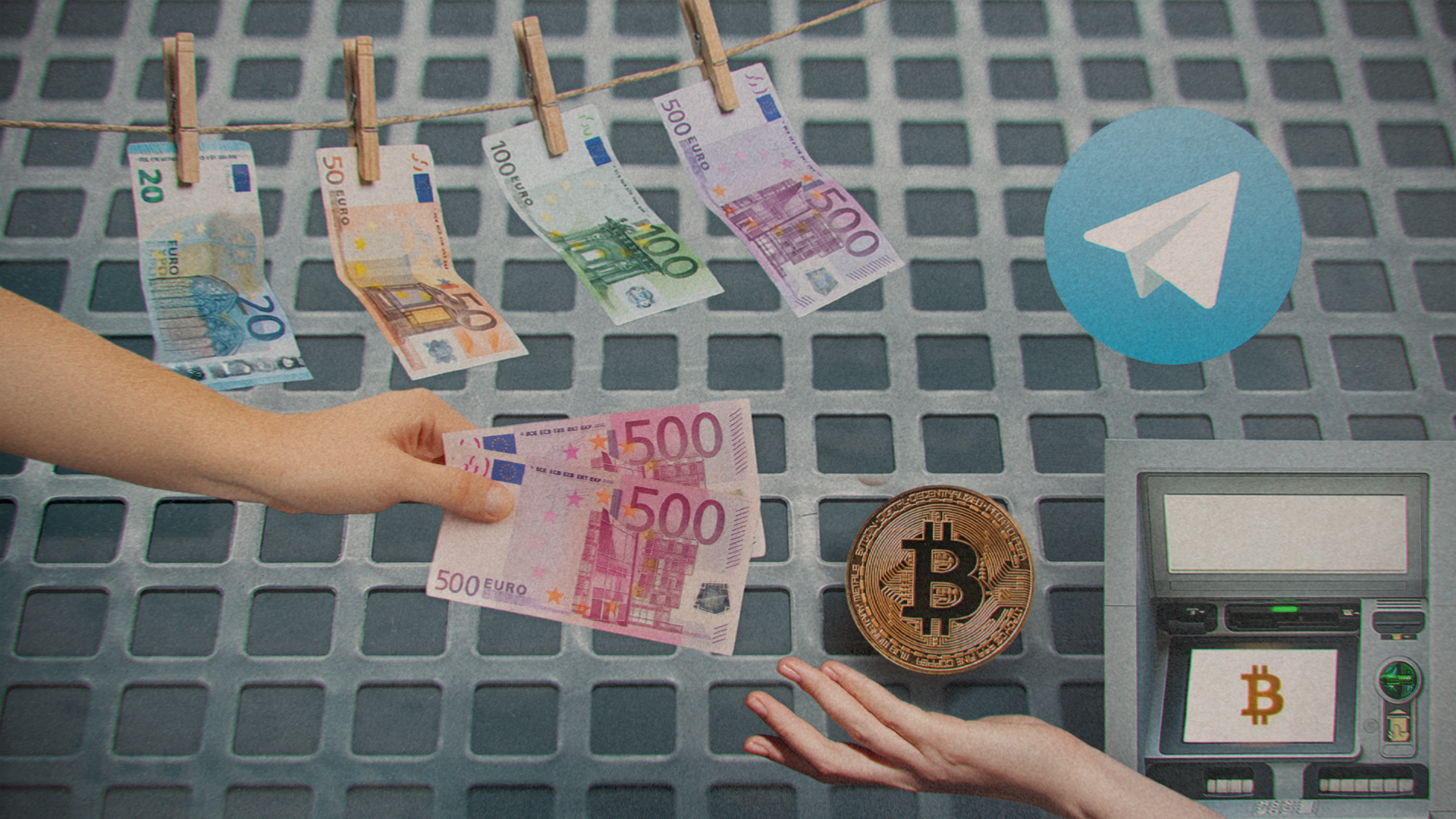
A trader posts an advertisement on social media, and both parties arrange the transaction details via chat software—within just a few minutes, 70 USDT is transferred from one crypto wallet to another, while 60 euros in cash are exchanged on the bustling streets of Podgorica (the capital of Montenegro). A fee of 5 euros is charged, with no questions asked and no inquiries about the source of funds.

After the transaction is completed, both parties quickly shake hands and depart. The trader mentions that he has other clients waiting for his services.

This scene is a true portrayal of Montenegro's cryptocurrency "gray area": cryptocurrencies are exchanged for cash outside the purview of legal regulation, with undercurrents flowing.

Anonymity, Cash, and High Risks

In fact, although Montenegro has promised to enact digital asset regulatory laws since 2020, they have yet to materialize.

While transferring funds from bank accounts to crypto trading platforms is not illegal in itself, cryptocurrencies cannot be converted into fiat currency through banks or registered exchange institutions.

At this point, intermediary platforms, Telegram groups, and online forums become the main channels for transactions—so-called "over-the-counter" (OTC) trading. Transactions are typically completed offline, with cryptocurrencies and cash exchanged directly and without any identity verification.

According to statistics from the blockchain forensics and crypto risk assessment platform "Global Ledger," the crypto wallet address involved in BIRN's transaction handled transactions worth millions of euros between October 2024 and October 2025. The largest single incoming transaction was $440,000, while the largest outgoing transaction exceeded $500,000.

Most of these transactions were conducted through well-known crypto platforms such as Binance and Gate.io, with about 75% of the activity occurring on low-risk platforms. However, a quarter of the transactions were classified as medium to high risk, including dealings with "frozen funds" (assets linked to frozen or sanctioned wallets) and entities sanctioned by the U.S. Financial Crimes Enforcement Network (FinCEN). Global Ledger rated the risk level of the trader's crypto wallet as "medium."

"In Podgorica, ask anyone involved in cryptocurrencies—everyone has their own 'dealer,'" said Ivan Jolicic, developer of Montenegro's digital currency Perper and a crypto expert. These dealers are not only locals but also include many expatriates from Russia, Ukraine, and Turkey.

"Participants include local crypto investors as well as foreigners, especially Russians, Ukrainians, and Turks. For them, this is the only way to make a living in Montenegro," Jolicic told BIRN. "They need to cover their living expenses in Montenegro, but banks are either unwilling or outright refuse to open accounts for them."

Another crypto trader active in the Balkans declined a request from a journalist to exchange 70 euros for Bitcoin, stating that their transaction threshold was "no less than 10,000 euros per transaction."

Russian-Language Telegram Groups Become Trading Hubs

BIRN's investigation found that multiple Telegram channels and online forums operate crypto exchange services in the Balkans or specifically for Montenegro. These groups range from a few dozen to several thousand members, with content including exchange amounts, rates, fees, and specific transaction locations.

A Russian-language Telegram group named "Обмен Валют Montenegro" (Montenegro Currency Exchange) has over 7,000 members and specializes in direct exchanges of cryptocurrencies for cash.

The group advises users to "only conduct transactions in person in public places and take necessary precautions," but also allows transactions through verified traders—these traders must submit passport information for group verification to receive a certified badge.

The group's logo and administrator usernames include the "Montelibero" community symbol. This community, located in Pecurice near the port city of Bar in Montenegro, was established by Russians in 2021. It claims to be a "free society" based on anarcho-capitalist principles and has issued its own cryptocurrency, EURMTL.

Victor Korb, a member of the Montelibero community council, denied any association between the community and the Telegram group: "Questions about others using the Montelibero project identifier should be directed to the users themselves."

Montenegro's tax authorities stated that, due to the lack of a legal basis, they are unable to tax such transactions.

"Until digital assets and their transactions are regulated by law, we cannot take any action," responded the Montenegrin Tax Authority. "Once the legal framework is established, the tax authorities will take all measures within their jurisdiction."

Although the process is slow, there has been preliminary progress.

In February 2025, the parliament passed an amendment to the "Anti-Money Laundering and Counter-Terrorist Financing Law," adding a "Register of Crypto-Asset Service Providers" and requiring "Know Your Customer" (KYC) verification for every crypto transaction exceeding 1,000 euros.

The Montenegrin Capital Market Committee (an independent securities and capital market regulatory body) was required to establish the register by mid-December 2025.

"Individuals or entities providing cryptocurrency-to-cash exchange services through social media operate in an unregulated 'gray area,'" the committee stated. "If service providers are unregistered and do not comply with the law, their activities may be deemed illegal—especially if there is suspicion of money laundering, unauthorized provision of financial services, or evasion of regulatory measures."

However, Jolicic remains skeptical. He believes that the registration requirements contradict the logic of the current gray market operations: "Those engaged in over-the-counter crypto trading must register and perform KYC verification for every client—but currently, no one is doing this. The law remains vague, and I believe these activities are inherently suspect under anti-money laundering regulations."

Legislative Revisions Imminent

BIRN previously exposed cases in Montenegro where cryptocurrencies were used to purchase real estate and vehicles, but such transactions were not incorporated into the tax or legal systems.

Due to the lack of a legal framework, authorities cannot even accurately track crypto assets held by public officials.

In mid-2023, the European Commission, the executive body of the EU, adopted the "Markets in Crypto-Assets Regulation" (MiCA), establishing a unified framework for digital asset regulation in the EU.

In September 2025, Montenegrin Prime Minister Milojko Spajic announced plans to draft digital asset laws in line with EU standards, and the Ministry of Finance has initiated public consultations on the relevant draft.

The proposed amendment to the "Credit Institutions Law" will, for the first time, define the concept of "digital assets," allowing credit institutions to provide crypto-related services (including digital token custody, trading platform operation, and transaction intermediation). The amendment to the "Tax Administration Law" will align Montenegrin law with the EU's "Directive on Automatic Exchange of Information on Crypto-Assets."

The Ministry of Finance stated that this will enable Montenegrin tax authorities to automatically exchange digital asset information with EU member states and other countries. Crypto service providers will need to collect and maintain user data (including accounts, transactions, and crypto income) and submit formal reports to the national service provider register.

"Regarding the taxation of crypto assets, we emphasize that once the digital asset regulatory law takes effect, the Ministry of Finance will amend tax laws to clarify the tax treatment of digital assets," the ministry responded.

Связанные с этим вопросы

QWhat is the current regulatory status of cryptocurrency transactions in Montenegro?

ACryptocurrency transactions in Montenegro exist in a regulatory vacuum, with no specific digital asset laws yet implemented, allowing unregulated over-the-counter (OTC) cash exchanges to operate outside legal oversight.

QHow do OTC cryptocurrency transactions typically occur on the streets of Podgorica?

AOTC transactions involve parties agreeing on details via chat apps, transferring crypto between wallets, and exchanging cash in person on busy streets—often with no identity verification or questions about fund origins, completed within minutes.

QWhat risks are associated with the unregulated crypto-to-cash exchanges in Montenegro?

ARisks include medium-to-high risk wallet activities (per Global Ledger analysis), potential ties to frozen/sanctioned funds, anonymity enabling money laundering, and lack of consumer protection or legal recourse.

QWhich group facilitates a significant portion of crypto exchanges in Montenegro via Telegram?

ARussian-language Telegram groups like 'Обмен Валют Montenegro' (with 7,000+ members) serve as key hubs, offering crypto-cash exchanges often linked to foreign nationals (e.g., Russians, Ukrainians, Turks) who face banking access barriers.

QWhat legislative steps is Montenegro taking to regulate digital assets?

AMontenegro amended its Anti-Money Laundering Law in February 2025 to require KYC for transactions over €1,000 and plans EU-aligned laws (e.g., MiCA standards) to define digital assets, establish crypto service provider registries, and enable tax information exchange with the EU.

Похожее

Fei-Fei Li's Team Clarifies the Concept of 'World Models', Sora Merely a Renderer

"World Models" has become a widely used yet confusing term in AI. To address this, a team led by Fei-Fei Li and World Labs proposed a functional taxonomy based on the Partially Observable Markov Decision Process framework. This taxonomy categorizes systems called "world models" into three distinct projections: Renderers, Simulators, and Planners. Renderers, like OpenAI's Sora and other video generation models, focus on producing photorealistic visual outputs for human perception. They prioritize visual fidelity over physical accuracy. Simulators, such as NVIDIA Omniverse, aim to compute precise future environmental states for computational tasks like engineering analysis or digital twins. Planners, like Vision-Language-Action models, take in observations and goals to output executable actions for robots or agents. The article clarifies that most current "world models," including Sora, are primarily Renderers. They generate convincing visuals but lack the core ability to simulate state transitions based on actions, a key requirement for a true world model in classic reinforcement learning definitions. This conceptual confusion has practical implications, leading to potential misalignment in technology selection, investment, and public understanding of AI capabilities. Clear categorization is crucial. It helps enterprises avoid costly mistakes (e.g., using a renderer for robot training), allows investors to accurately assess markets, and enables researchers to build comparable benchmarks. While future systems may integrate these functions, recognizing current boundaries is essential for honest assessment and progress.

marsbit1 ч. назад

Fei-Fei Li's Team Clarifies the Concept of 'World Models', Sora Merely a Renderer

marsbit1 ч. назад

Bloomberg Uncovered: How Do China's Wealthy Circumvent the Annual $50,000 Limit to Transfer Assets?

**Summary: How Wealthy Chinese Circumvent $50,000 Annual Foreign Exchange Limits** Despite China's strict capital controls, including an annual $50,000 per person foreign exchange quota, an estimated $150 billion in funds still leaves the country annually via various gray and underground channels. This report outlines the evolution of China's "capital wall" and the methods used to bypass it. **The Evolving Capital Controls:** * **Foundation (1994):** The system of "current account convertibility with strict capital account controls" was established. * **Quota Set (2007):** The $50,000 individual annual forex purchase limit was formalized. * **Crackdown Begins (2015-2017):** Following market volatility, enforcement tightened. Banks were required to scrutinize transactions, and channels like using UnionPay cards for Hong Kong insurance premiums or buying overseas property were blocked. * **Digital & Legal Upgrades (2024-2026):** Enhanced algorithms now flag suspicious patterns (e.g., "smurfing"). The Common Reporting Standard (CRS) provides Chinese tax authorities with data on citizens' offshore accounts. Unlicensed cross-border brokers have been targeted. **Five Primary Methods for Moving Capital:** 1. **Underground Banking / "Hawala" (Duiqiao):** The largest-scale method. No money crosses borders. Clients pay RMB to a domestic account; an overseas associate deposits equivalent foreign currency into the client's offshore account. Risks include high fees, account freezes, and legal penalties. 2. **"Smurfing" or "Ant Moving":** Using multiple individuals' $50,000 quotas to pool funds for one offshore recipient. Increasingly detected by anti-money laundering algorithms. 3. **Trade Invoice Manipulation:** Businesses over-invoice imports or under-invoice exports via offshore shell companies, creating a pretext to transfer excess funds abroad under the guise of trade. 4. **Channel Migration:** After a crackdown on internet brokers, funds flow toward more compliant but costly channels like major banks' cross-border wealth management services or Qualified Domestic Institutional Investor (QDII) quotas. 5. **Structural Arrangements:** High-net-worth individuals use complex, high-cost legal structures involving offshore trusts, insurance, and investment migration programs to transfer asset ownership. **Regulatory Response: Focusing on People, Not Just Money** The current strategy extends oversight from enterprises to **individual residents**. Tools like CRS allow retroactive visibility into offshore assets. Cryptocurrencies, once seen as a potential loophole, are now actively monitored and prosecuted as an illegal channel. The underlying driver remains: with significant wealth concentrated among millions of affluent households seeking diversification amid domestic economic shifts, the incentive to move assets offshore persists despite regulatory barriers.

marsbit1 ч. назад

Bloomberg Uncovered: How Do China's Wealthy Circumvent the Annual $50,000 Limit to Transfer Assets?

marsbit1 ч. назад

Торговля

Спот
Фьючерсы

Популярные статьи

Что такое ZEST

I. Введение в проект1. Что такое Zest Protocol?Zest Protocol — это кредитный протокол, основанный на Bitcoin, построенный на Stacks Layer 2, который позволяет пользователям зарабатывать доход с помощью BTC или занимать активы, закладывая BTC. Умные контракты протокола написаны на языке Clarity, полностью работают в цепочке и являются открытым исходным кодом, с дизайном, вдохновленным Aave v3. Zest в настоящее время является крупнейшим DeFi-протоколом на Stacks, с более чем 800 BTC, внесенными в депозит, и пиковым TVL, превышающим 100 миллионов долларов. В мае 2026 года протокол дополнительно представил Bitcoin Collateral Vaults, расширив кредитные возможности с Stacks на основную сеть Bitcoin. Это позволяет пользователям занимать стейблкоины, не перемещая BTC с сети Bitcoin, что обеспечивает кредитование с самоуправлением.2. Как работает Zest Protocol?Zest Protocol состоит из двух рынков. Рынок Stacks построен на Aave v3, позволяя пользователям вносить такие активы, как sBTC, STX и USDC, чтобы зарабатывать доход или брать кредиты с избыточным обеспечением. Максимальное LTV по умолчанию составляет 50% (70% для sBTC). Рынок Bitcoin работает через недавно запущенные Bitcoin Collateral Vaults. Пользователи занимают стейблкоины, блокируя BTC в самоуправляемых хранилищах на цепочке Bitcoin. Обеспечение остается на основной сети Bitcoin на протяжении всего процесса, и пользователи сохраняют право собственности, если позиция не ликвидирована.3. Кто основал Zest Protocol?Tycho Onnasch (Соучредитель): Выпускник Оксфордского университета. Участвовал в исследованиях и грантах для Фонда открытого интернета Stacks. Бывший менеджер в Trust Machines и основатель Deedmob. Профиль LinkedIn: https://www.linkedin.com/in/tychokoonnasch/.Fernando Foy (Соучредитель): Ранее работал в IT-консалтинге в Objectif Emploi. Профиль LinkedIn: https://www.linkedin.com/in/fernando-foy/.Emil E. (Соучредитель): Имеет степень магистра физики из Университета Уорика. Бывший инженерный партнер в Trust Machines, Full-Stack разработчик для проектов Web3 и дата-ученый в HSBC. Профиль LinkedIn: https://www.linkedin.com/in/emil-e-49771a145/.Детали финансирования: В мае 2024 года Zest Protocol объявил о завершении раунда начального финансирования в размере 3,5 миллиона долларов, возглавляемого Тимом Дрейпером, с участием Binance Labs, Flow Traders, Trust Machines и других.4. Токеномика $ZEST$ZEST — это нативный токен Zest Protocol с фиксированным общим предложением в 1 миллиард токенов и без инфляционного механизма.Сообщество (27,83%): Используется для аирдропов и стимулов для пользователей;Развитие экосистемы (24,82%): Используется для ликвидности, партнерств, маркетинга, листинга на биржах и т. д.;Инвесторы (22,35%): Поддержка инвестиционных сторон, которые поддержали раннее развитие Zest Protocol;Команда (25%): Выделено для основных участников.График вестинга: Токены команды и инвесторов подлежат 1-летнему периоду блокировки, за которым следует 3 года линейного разблокирования.5. Хронология ключевых этапов2022: Официальное основание Zest Protocol.Март 2024: Завершен аудит безопасности и запущен рынок кредитования Stacks на основной сети.В феврале 2026 года запускается Stacks Market V2, вводящий группы риска.В мае 2026 года были представлены Bitcoin Collateral Vaults, и теперь доступен рабочий прототип основной сети. Это позволяет пользователям использовать самоуправляемый BTC на Bitcoin L1 в качестве обеспечения для займа стейблкоинов на EVM-цепочках, заканчивая мосты, обертки и стороннее хранение. Этот запуск разделен на два этапа. Этап 1: Использует заранее подписанные транзакции для ограничения движения BTC; Этап 2: Использует BitVM для проверки. II. Информация о токенеНазвание токена: ZEST (Zest Protocol)III. Связанные ссылкиВебсайт: https://www.zestprotocol.com/Эксплореры: https://bscscan.com/token/0x5506599c722389a60580b5213ea1da60d64754a1Твиттер: https://twitter.com/ZestProtocolПримечание: Введение в проект основано на материалах, опубликованных или предоставленных официальной командой проекта, и предназначено только для справки и не является инвестиционным советом. HTX не несет ответственности за любые прямые или косвенные убытки, возникшие в результате.

235 просмотров всегоОпубликовано 2026.05.19Обновлено 2026.06.02

Что такое ZEST

Как купить ZEST

Добро пожаловать на HTX.com! Мы сделали приобретение Zest Protocol (ZEST) простым и удобным. Следуйте нашему пошаговому руководству и отправляйтесь в свое крипто-путешествие.Шаг 1: Создайте аккаунт на HTXИспользуйте свой адрес электронной почты или номер телефона, чтобы зарегистрироваться и бесплатно создать аккаунт на HTX. Пройдите удобную регистрацию и откройте для себя весь функционал.Создать аккаунтШаг 2: Перейдите в Купить криптовалюту и выберите свой способ оплатыКредитная/Дебетовая Карта: Используйте свою карту Visa или Mastercard для мгновенной покупки Zest Protocol (ZEST).Баланс: Используйте средства с баланса вашего аккаунта HTX для простой торговли.Третьи Лица: Мы добавили популярные способы оплаты, такие как Google Pay и Apple Pay, для повышения удобства.P2P: Торгуйте напрямую с другими пользователями на HTX.Внебиржевая Торговля (OTC): Мы предлагаем индивидуальные услуги и конкурентоспособные обменные курсы для трейдеров.Шаг 3: Хранение Zest Protocol (ZEST)После приобретения вами Zest Protocol (ZEST) храните их в своем аккаунте на HTX. В качестве альтернативы вы можете отправить их куда-либо с помощью перевода в блокчейне или использовать для торговли с другими криптовалютами.Шаг 4: Торговля Zest Protocol (ZEST)С легкостью торгуйте Zest Protocol (ZEST) на спотовом рынке HTX. Просто зайдите в свой аккаунт, выберите торговую пару, совершайте сделки и следите за ними в режиме реального времени. Мы предлагаем удобный интерфейс как для начинающих, так и для опытных трейдеров.

240 просмотров всегоОпубликовано 2026.05.19Обновлено 2026.06.02

Как купить ZEST

Обсуждения

Добро пожаловать в Сообщество HTX. Здесь вы сможете быть в курсе последних новостей о развитии платформы и получить доступ к профессиональной аналитической информации о рынке. Мнения пользователей о цене на A (A) представлены ниже.

活动图片