Составитель: ChainCatcher
Важные новости:
- Компания по цифровым активам Laser Digital получила предварительное условное одобрение от Управления валютного контролёра США (OCC) на создание трастового банка под федеральным надзором.
- Aave опубликовал расследование инцидента с атакой на мост Kelp rsETH.
- Вьетнам планирует разрешить малым и средним предприятиям использовать цифровые активы и виртуальные активы в качестве залога для банковских кредитов.
- Кросс-чейн мост Gravity Bridge экосистемы Cosmos приостановил работу после атаки.
- Председатель Комиссии по ценным бумагам и фьючерсам Гонконга (SFC): оборот 12 лицензированных платформ для торговли виртуальными активами в первом квартале 2026 года вырос почти в три раза в годовом исчислении.
- Майкл Сэйлор снова опубликовал информацию о трекере Bitcoin; на следующей неделе могут быть раскрыты данные о покупках.
Какие важные события произошли за последние 24 часа?
Член Совета управляющих ФРС Уоллер: Распространение стейблкоинов усилит влияние политики
ChainCatcher сообщает, что, по данным JinShi, член Совета управляющих ФРС Кристофер Уоллер на 32-й Дубровницкой экономической конференции заявил, что глобальное распространение стейблкоинов может усилить влияние политики ФРС.
Он отметил, что для стран, принимающих стейблкоины, это похоже на систему фиксированного обменного курса, фактически расширяющую сферу влияния денежно-кредитной политики США.
Майкл Сэйлор снова опубликовал информацию о трекере Bitcoin; на следующей неделе могут быть раскрыты данные о покупках
ChainCatcher сообщает, что основатель компании Bitcoin казначейства Strategy Майкл Сэйлор снова опубликовал информацию, связанную с трекером Bitcoin.
Согласно предыдущей практике, Strategy всегда раскрывает информацию о покупке биткойна на следующий день после публикации соответствующих новостей.
Председатель Комиссии по ценным бумагам и фьючерсам Гонконга (SFC): оборот 12 лицензированных платформ для торговли виртуальными активами в первом квартале 2026 года вырос почти в три раза в годовом исчислении
ChainCatcher сообщает, что председатель Комиссии по ценным бумагам и фьючерсам Гонконга У Тинь И в своей последней речи раскрыл, что оборот 12 лицензированных платформ для торговли виртуальными активами в Гонконге в 2025 году превысил 6,4 триллиона гонконгских долларов, а в первом квартале этого года объем торгов вырос почти в три раза в годовом исчислении.
Кроме того, связанные комиссионные доходы брокерских компаний, занимающихся бизнесом, связанным с виртуальными активами, в прошлом году выросли более чем на 80%.
Кросс-чейн мост Gravity Bridge экосистемы Cosmos приостановил работу после атаки
Вьетнам планирует разрешить малым и средним предприятиям использовать цифровые активы и виртуальные активы в качестве залога для банковских кредитов
ChainCatcher сообщает, что, согласно сообщению Viet Nam News, Министерство финансов Вьетнама в проекте поправок к Закону о поддержке малых и средних предприятий предложило разрешить малым и средним предприятиям использовать цифровые активы, виртуальные активы, интеллектуальную собственность, нематериальные активы и активы, которые будут созданы в будущем, в качестве залога для банковских кредитов, чтобы улучшить доступ к финансированию для частных предприятий и технологических стартапов.
Проект также поощряет кредитные организации больше выдавать кредиты на основе кредитного рейтинга, бизнес-плана, потенциала расширения рынка и денежных потоков предприятия, уменьшая зависимость от традиционного залога, такого как недвижимость. Министерство финансов Вьетнама заявляет, что эта политика направлена на высвобождение ресурсов частного сектора и соответствует Резолюции № 68 - NQ / TW.
Aave опубликовал расследование инцидента с атакой на мост Kelp rsETH
ChainCatcher сообщает, что после инцидента с атакой на мост Kelp rsETH LayerZero V2 18 апреля, Aave опубликовал расследование на платформе X, подчеркнув, что основная уязвимость была связана с инфраструктурой стороннего моста, а не с самим протоколом. Злоумышленник с помощью атаки «отравление RPC» на одного валидатора LayerZero сфабриковал кросс-чейн сообщение. Это привело к выпуску 116 500 rsETH на стороне Ethereum, без фактического сжигания в Unichain. Злоумышленник затем внес украденные rsETH в Aave V3 (Ethereum Core и Arbitrum), заняв около 82 650 WETH и 821 wstETH.
Хранитель протокола Aave (Protocol Guardian) и управляющий рисками (Risk Steward) немедленно применили защитные меры для резервов rsETH и WETH. В настоящее время рынки WETH и rsETH в затронутых развертываниях V3 работают нормально. rsETH злоумышленника на Arbitrum были сожжены, адаптер LayerZero OFT был полностью пополнен пятью партиями, поддержка rsETH полностью восстановлена, Kelp снова открыл функции вывода, моста и подачи претензий для rsETH. LTV для WETH на затронутых рынках был сброшен к значениям до атаки. За исключением rsETH, Aave V3 полностью работает на всех рынках.
Arbitrum DAO проголосовал за разрешение на передачу замороженного ETH компании Aave LLC, в настоящее время ожидается выполнение на блокчейне. Суд все еще рассматривает существо судебного запрета (restraining order), и Aave LLC будет продолжать соблюдать его в ходе рассмотрения судом. В настоящее время продолжаются следующие проекты: разработка фреймворка рисков Aave от Llama Risk, фреймворк оценки мостов, публикация отчетов об оценке уже запущенных активов, выполнение на блокчейне голосования Arbitrum DAO, а также судебное рассмотрение судебного запрета.
Мужчина из Циндао (Китай) украл 107 BTC у знакомого при "помощи в регистрации кошелька", признан виновным в краже и приговорен к 10 годам и 9 месяцам тюрьмы
ChainCatcher сообщает, что прокуратура района Лицан города Циндао провинции Шаньдун, Китай, недавно рассмотрела дело о краже биткойнов. Обвиняемый Чжан (Zhang) получил сид-фразу (seed phrase/мнемоническую фразу) при помощи знакомому в регистрации криптовалютного кошелька, а затем в несколько этапов перевел 107 BTC. По текущей рыночной цене это эквивалентно более 50 миллионам юаней. Чжан утверждал, что его действия были "защитным изъятием под контроль", но прокуратура установила, что он перевел украденные BTC через несколько торговых платформ и обменял их на более 660 000 юаней. Суд первой инстанции района Лицан приговорил Чжана к 10 годам и 9 месяцам лишения свободы за кражу и оштрафовал на 100 000 юаней; апелляционный суд оставил приговор в силе.
Сообщается, что прокурор, рассматривающий дело, строго руководствовался законом и судебной политикой, и после тщательного изучения пришел к выводу, что, хотя политика регулирования Китая отрицает статус виртуальной валюты как законного платежного средства, она не отрицает её имущественные атрибуты и не запрещает гражданам законно владеть ею и передавать. Биткойн требует затрат вычислительной мощности, средств и других ресурсов для получения, обладает экономической ценностью; правообладатель может осуществлять исключительный контроль и управление с помощью закрытого ключа и сид-фразы, что соответствует основным характеристикам "имущества" в уголовном праве и может быть объектом преступления кражи. При определении суммы, поскольку у виртуальной валюты нет официальной цены, прокуратура района Лицан отказалась от оценки по рыночной цене и использовала фактическую выручку от продажи украденного имущества в размере более 660 000 юаней в качестве суммы кражи, что обеспечило точность квалификации преступления, соразмерность наказания и единство преступления, ответственности и наказания.
Santiment: Коэффициент лонг/шорт для биткойна взлетел до 2,23, достигнув годового максимума, что может сигнализировать о краткосрочной коррекции
ChainCatcher сообщает, что платформа анализа настроений на крипторынке Santiment в своем анализе заявила, что соотношение положительных и отрицательных комментариев об Ethereum изменилось с сильного настроения FOMO в конце апреля на явное настроение FUD в настоящее время. Гарвардский университет полностью продал все свои ETF на Ethereum на сумму 87 миллионов долларов через квартал после покупки; исследователь из Фонда Ethereum объявил об уходе; и Дэвид Хоффман публично заявил об уходе из проекта Ethereum. Команда Santiment интерпретирует эту тенденцию как умеренно бычий сигнал, аналогичный значительному росту, последовавшему за дном рыночных настроений в середине 2023 года.
Несмотря на панические настроения, количество непустых кошельков Ethereum по-прежнему велико и составляет 192,92 миллиона, что более чем в три раза превышает примерно 59 миллионов у биткойна. Активность в DeFi и стейкинговых транзакциях резко возросла в начале года, затем нормализовалась, но создание новых кошельков по-прежнему сохраняет здоровые темпы роста. Базовые данные, такие как количество держателей и активность, не подтверждают утверждения о том, что "сеть Ethereum умирает". Кроме того, коэффициент лонг/шорт для биткойна достиг 2,23, что является самым высоким уровнем с 2026 года. Предыдущие два пика коэффициента лонг/шорт сопровождались краткосрочными коррекциями цены, а чрезвычайно низкие уровни коэффициента лонг/шорт отмечали локальные минимумы. Текущий оптимизм резко контрастирует с медвежьими потоками средств в ETF, поэтому следует сохранять осторожность.
Комиссия по ценным бумагам и биржам США (SEC) подала иск в отношении основателя Privvy по подозрению в криптовалютной афере на 12,3 миллиона долларов
ChainCatcher сообщает, что, согласно сообщению The Block, Комиссия по ценным бумагам и биржам США (SEC) подала иск в федеральный суд Хьюстона, обвиняя жителя Сайпресса, штат Техас, Нейтана Фуллера (Nathan Fuller) в управлении криптовалютной мошеннической схемой на сумму 12,3 миллиона долларов, которая использовала поддельных торговых ботов на основе искусственного интеллекта.
Нейтан Фуллер рассказал инвесторам, что его собственный бот на основе искусственного интеллекта может автоматически сканировать криптовалютные биржи, улавливать крошечные ценовые разрывы с помощью высокочастотного арбитража и обещал доход в размере от 40% до 50% за 30-45 дней. Некоторым инвесторам даже сообщили, что они могут получить гарантированную прибыль более 100% за 21 день.
SEC заявляет, что основатель и единственный член Privvy Investments LLC Нейтан Фуллер в период с октября 2022 года до середины 2024 года привлек эти средства от примерно 150 инвесторов, распределенных по девяти штатам и двум иностранным государствам. Он также вел бизнес под псевдонимом «Gateway Digital Investments».
Как утверждается, только около 3% средств были фактически использованы для торговли криптовалютой, в то время как сам Фуллер присвоил не менее 6,2 миллиона долларов и выплатил около 5,5 миллиона долларов ранним инвесторам по принципу схемы Понци.
Компания по цифровым активам Laser Digital получила предварительное условное одобрение от Управления валютного контролёра США (OCC) на создание трастового банка под федеральным надзором
ChainCatcher сообщает, что, по официальной информации, Laser Digital получила предварительное условное одобрение от Управления валютного контролёра США (OCC) на создание Laser Digital National Trust Bank, который будет функционировать как трастовое учреждение под федеральным надзором, обслуживающее институциональных клиентов.
После получения официального устава его сфера деятельности будет включать посредничество в обмене валюты и стейблкоинов, управление кросс-маржинальным обеспечением для цифровых и традиционных активов, а также многовалютное трастовое хранение токенизированных активов и традиционных активов.
Топ мем-монет
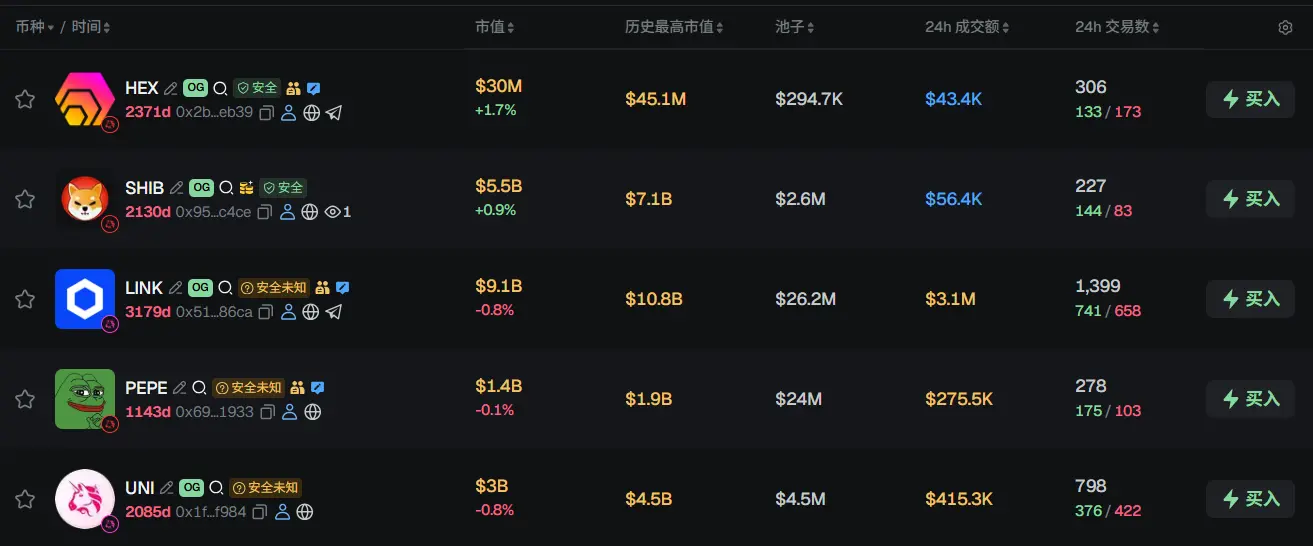
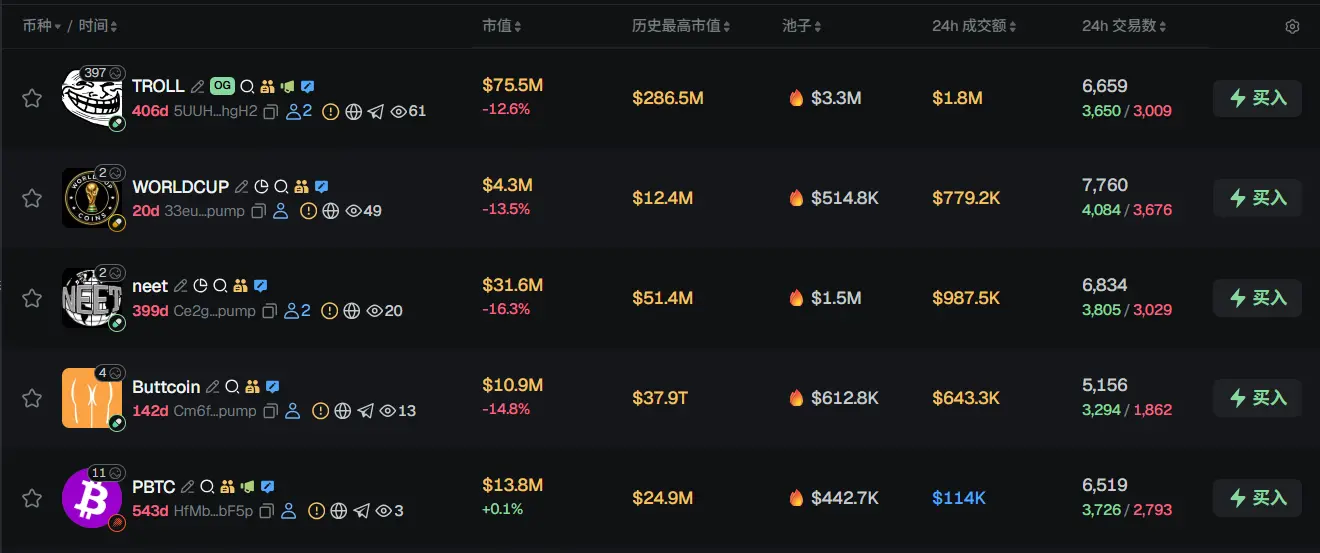
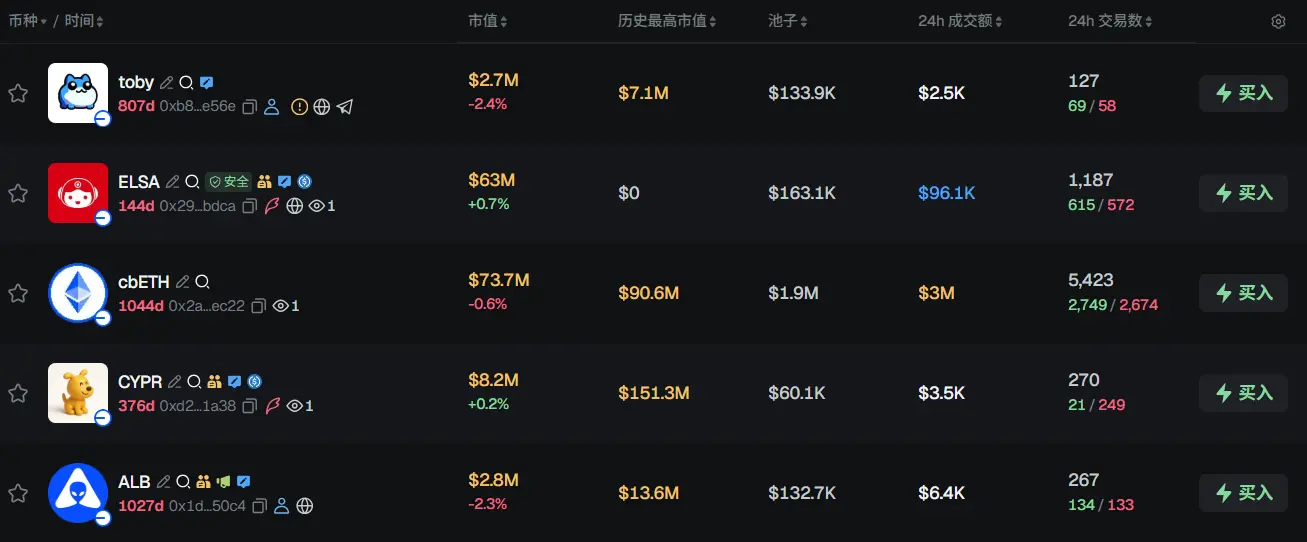
Согласно данным платформы отслеживания и анализа мем-токенов GMGN, по состоянию на 09:00 1 июня,
Пять самых популярных токенов ETH за последние 24h: HEX, SHIB, LINK, PEPE, UNI
Пять самых популярных токенов Solana за последние 24h: TROLL, WORLDCUP, neet, Buttcoin, PBTC
Пять самых популярных токенов Base за последние 24h: toby, ELSA, cbETH, CYPR, ALB
Какие интересные статьи стоит прочитать за последние 24 часа?
Три года спустя: оглядываясь назад на мои суждения о ChatGPT в 2023 году
6 марта 2023 года, совсем недавно после появления ChatGPT и до выхода GPT-4, я и Сара провели интервью о ChatGPT — третью серию «Traders' Talk» «простыми словами» (Вышел подкаст о ChatGPT простыми словами, добро пожаловать к прослушиванию).
В то время ChatGPT только появился, и очень мало людей действительно им пользовались. Это трехчасовое интервью позже долго занимало первое место в категории ChatGPT на Xiaoyuzhou. Я высказал около двадцати суждений и прогнозов, основываясь только на интуиции и ограниченной информации, без особых данных. Полная расшифровка того интервью до сих пор осталась в официальном аккаунте WeChat.
Сейчас конец мая 2026 года, прошло три года, и ИИ вырос до того, чего нельзя было представить тогда.