Автор: Clow
Оригинальное название: MicroStrategy: игра на выживание крупнейшего в мире кита биткоина
670 000 биткоинов, что составляет примерно 3,2% от общего мирового предложения.
Таково количество биткоинов, которыми владела MicroStrategy (ныне переименованная в Strategy Inc.) по состоянию на середину декабря 2025 года. Став первой публичной компанией, которая сделала биткоин своим основным резервным активом, этот бывший поставщик программного обеспечения для бизнес-аналитики полностью превратился в «операционную компанию, занимающуюся структурированным финансовым проектированием вокруг биткоина».
Переименование — это не просто смена бренда, а окончательное заявление о полном переходе корпоративной стратегии на «биткоин-стандарт».
Однако к четвертому кварталу 2025 года, на фоне усиления рыночной волатильности и потенциальных изменений в правилах индексных провайдеров, эта модель, которую основатель Майкл Сэйлор назвал «революционной финансовой инновацией», столкнулась с самым серьезным испытанием с момента своего запуска в 2020 году.
Итак, откуда же MicroStrategy берет деньги? Является ли ее бизнес-модель устойчивой? И в чем заключаются самые большие риски?
От софтверной компании до «биткоин-банка»
В 2025 году MicroStrategy официально сменила название на Strategy Inc., что ознаменовало ее полную трансформацию.
Основная логика компании довольно проста: используя премию своей акции к чистой стоимости активов (NAV) в биткоинах, она привлекает финансирование для постоянного увеличения своих запасов биткоина, тем самым обеспечивая рост количества биткоинов в расчете на одну акцию.
Проще говоря: пока рынок готов оценивать акции MSTR выше, чем стоимость принадлежащих ей биткоинов, компания может выпускать новые акции, покупать на вырученные средства еще больше биткоинов, и количество биткоинов, приходящееся на каждого существующего акционера, будет не уменьшаться, а увеличиваться.
一旦启动,这种「飞轮效应」就会形成正反馈:股价涨→发股买币→BTC 持有量增加→股价继续涨。
Но у этого «маховика» есть одно смертельно важное условие: цена акции должна постоянно оставаться выше чистой стоимости биткоинов. Как только эта премия исчезает, вся модель мгновенно останавливается.
Откуда деньги? «Три алебарды» финансирования
Внешний мир с любопытством следит за источниками финансирования постоянных покупок биткоинов MicroStrategy. Анализ документов 8-K, поданных компанией в Комиссию по ценным бумагам и биржам США (SEC), позволяет четко идентифицировать эволюцию ее модели финансирования от первоначальных простых конвертируемых облигаций до диверсифицированной матрицы капитала.
Первая алебарда: программа ATM — печатный станок для захвата премии
Ключевым источником финансирования для MicroStrategy является программа размещения обыкновенных акций класса А (MSTR) по рыночной цене (At-the-Market, ATM).
Логика работы проста: когда цена акций MSTR торгуется выше чистой стоимости принадлежащих ей биткоинов, компания продает новые акции на рынке и на вырученные денежные средства покупает биткоины.
В период с 8 по 14 декабря 2025 года компания продала более 4,7 миллиона акций MSTR и получила чистую выручку в размере около 888,2 миллиона долларов США.
Очарование этого метода финансирования заключается в том, что до тех пор, пока цена акции выше NAV биткоина, каждый новый выпуск акций «увеличивает долю» существующих акционеров, а не размывает ее.
Вторая алебарда: Матрица бессрочных привилегированных акций
В 2025 году MicroStrategy сделала важный шаг в области инноваций финансовых инструментов, выпустив серию бессрочных привилегированных акций для привлечения инвесторов с разной толерантностью к риску.
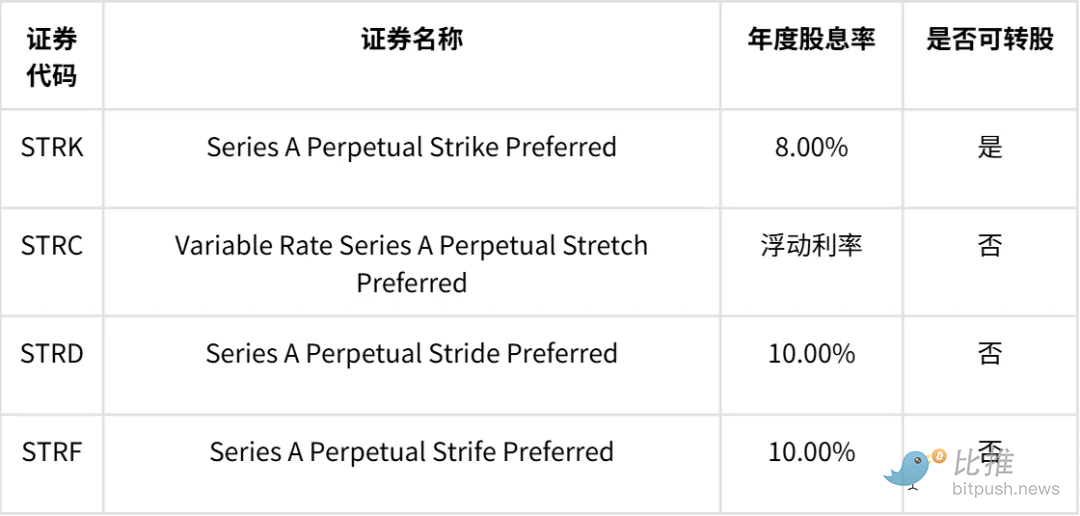
В течение одной недели декабря эти привилегированные акции принесли 82,2 миллиона долларов от STRD.
Эти привилегированные акции часто структурируются как дивиденды с «возвратом капитала», что налогово привлекательно для инвесторов, поскольку позволяет отложить налоговые обязательства как минимум на десять лет.
Третья алебарда: План «42/42» — амбиция на 84 миллиарда долларов
MicroStrategy в настоящее время находится на этапе реализации своего амбициозного плана «42/42».
План aims to привлечь 42 миллиарда долларов за три года, с 2025 по 2027 год, через выпуск акций и еще 42 миллиарда долларов через выпуск долговых ценных бумаг, в общей сложности 84 миллиарда долларов, все из которых будут использованы для покупки биткоинов.
Этот план является усовершенствованной версией предыдущего плана «21/21» и отражает крайнюю уверенность руководства в способности рынка капитала поглощать ее ценные бумаги. Такие масштабные операции с капиталом фактически превратили MicroStrategy в закрытый фонд с leveraged exposure к биткоину, но ее оболочка operating company предоставляет ей гибкость в финансировании, которой традиционные фонды не обладают.
Правда о слухах про «продажу биткоинов»
Недавние утечки о возможной продаже биткоинов MicroStrategy, распространившиеся на рынке, не выдерживают критики перед лицом финансовых данных и доказательств в цепи.
В середине ноября и начале декабря 2025 года инструменты мониторинга данных в цепи (такие как ArkhamIntelligence) зафиксировали масштабные переводы активов с кошельков, контролируемых MicroStrategy. Данные показали, что около 43 415 биткоинов (стоимостью около 4,26 миллиарда долларов) были переведены с известных адресов на более чем 100 новых адресов. Это вызвало панику в социальных сетях, и цена биткоина временно упала ниже 95 000 долларов.
Однако последующий профессиональный аудит и разъяснения руководства показали, что это была не продажа, а обычная «смена кастодиана и ротация кошельков». Чтобы снизить кредитный риск единого кастодиана и повысить безопасность, MicroStrategy рассредоточила свои активы с традиционных платформ, таких как Coinbase Custody, по более защищенным адресам. Arkham analysis указало, что подобные операции обычно связаны с потребностями в обновлении адресов для безопасности, а не с ликвидацией активов.
Исполнительный председатель MicroStrategy Майкл Сэйлор неоднократно публично опровергал слухи и в твиттере и в интервью CNBC в декабре четко заявил: «Мы покупаем, и покупаем в довольно больших объемах».
Фактически, на второй неделе декабря компания приобрела 10 645 биткоинов по средней цене 92 098 долларов за штуку, что напрямую опровергает猜测 о продаже.
Кроме того, недавно созданный компанией резерв в 1,44 миллиарда долларов (USD Reserve) further доказывает, что ей не нужно продавать биткоины для выплаты дивидендов или процентов по долгу; этого резерва хватит как минимум на 21 месяц финансовых расходов.
Незамеченный софтверный бизнес
Несмотря на то, что операции с биткоином занимают центр внимания, софтверный бизнес MicroStrategy по-прежнему остается важной основой для поддержания статуса публичной компании и покрытия текущих финансовых расходов.
В третьем квартале 2025 года общий доход от программного бизнеса составил 128,7 миллиона долларов, что на 10,9% больше, чем годом ранее, и превысило рыночные ожидания.
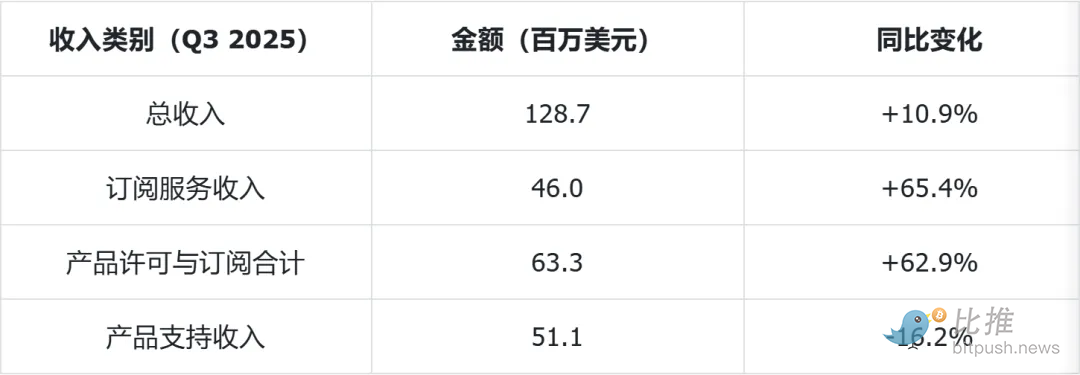
Хотя доход от подписок значительно вырос, из-за постоянных инвестиций в разработку ИИ и облачную инфраструктуру, этот бизнес в первые шесть месяцев 2025 года не генерировал положительный операционный денежный поток. Свободный денежный поток в Q3 был отрицательным и составил 45,61 миллиона долларов, что означает, что компания на операционном уровне по-прежнему убыточна, и постоянное наращивание биткоинов полностью зависит от внешнего финансирования.
С 1 января 2025 года MicroStrategy adopted стандарт ASU 2023-08, который требует переоценки запасов биткоинов по справедливой стоимости и отражения изменений в чистой прибыли текущего периода. Это изменение сделало бухгалтерскую прибыль компании крайне волатильной. В Q3 2025 года из-за роста цены биткоина компания зафиксировала нереализованный доход в размере 3,89 миллиарда долларов, в результате чего квартальная чистая прибыль достигла 2,8 миллиарда долларов.
Три дамокловых меча, висящих над головой
Несмотря на то, что с помощью сложного финансового проектирования MicroStrategy снизила риски принудительной ликвидации в краткосрочной перспективе, в будущем ей все еще предстоит столкнуться с несколькими системными рисками, которые могут поколебать ее основы.
Риск первый: исключение из индекса MSCI
В настоящее время самым непосредственным риском для MicroStrategy является проверка со стороны индексного провайдера MSCI.
MSCI inició una consulta formal, proponiendo reclasificar a las empresas con activos digitales que representen más del 50% de sus activos totales como «vehículos de inversión» en lugar de «empresas operativas». Dado que las tenencias de Bitcoin constituyen la abrumadora majority de los activos de MicroStrategy, si se aprueba esta regla, MicroStrategy será eliminada del Índice Global de Normas MSCI (GIMI).
Такое исключение может привести к тому, что пассивные фонды будут вынуждены продать акции на сумму от 2,8 до 8,8 миллиарда долларов. Подобные масштабные принудительные продажи напрямую будут давить на цену акций, что, в свою очередь, сожмет премию MSTR к NAV. Если премия к NAV исчезнет или даже сменится дисконтом, ее «маховик» по покупке биткоинов через выпуск акций полностью остановится.
Риск второй: сжатие премии к NAV и остановка финансирования
Вся логика наращивания MicroStrategy построена на том, что рынок готов платить премию к чистой стоимости ее активов.
В конце 2025 года эта премия показала крайнюю нестабильность. В начале декабря, из-за опасений по поводу исключения из индекса, MSTR временно торговалась с дисконтом в 11% к стоимости принадлежащих ей биткоинов.
Когда акции торгуются с дисконтом, любой новый выпуск акций будет размывать количество биткоинов на акцию у существующих акционеров, что вынудит компанию остановить накопление активов и даже столкнуться с вопросами от кредиторов о целостности активов. MicroStrategy уже приостанавливала свою программу ATM в сентябре 2025 года впервые, что отражает высокую чувствительность руководства к мультипликаторам оценки.
Риск третий: долговое давление и теоретическая цена ликвидации
По состоянию на конец третьего квартала 2025 года общий долг MicroStrategy составлял approximately 8,24 миллиарда долларов, с ежегодными процентными выплатами около 36,8 миллиона долларов, в то время как ежегодные выплаты дивидендов по привилегированным акциям достигают 638,7 миллиона долларов.
Хотя ее конвертируемые облигации не содержат условий залога биткоинов, что снижает риск прямого «маржин-колла» из-за падения рынка, в случае экстремального падения цены биткоина платежеспособность компании окажется под вопросом.
Резюме
Положение MicroStrategy в конце 2025 года наглядно демонстрирует возможности и вызовы, с которыми сталкивается компания, пытающаяся переопределить финансовые границы корпорации.
Ее намерение продолжать наращивать запасы не изменилось, и, создав резерв в 1,44 миллиарда долларов, компания уже построила защитный барьер против потенциальной ликвидной зимы.
Однако самый большой риск для MicroStrategy исходит не от самой волатильности цены биткоина, а от точек ее connection с традиционной финансовой системой — а именно, статуса в индексе и премии к NAV.
Если такие институты, как MSCI, в конечном итоге решат исключить ее из традиционной категории акций, MicroStrategy должна найти способ доказать инвесторам, что как «структурированная финансовая платформа, обеспеченная биткоином» она сохраняет жизнеспособность роста независимо от пассивных потоков индексов.
Будет ли амбициозный план «42/42» реализован в соответствии с графиком, зависит от того, сможет ли она в процессе финансовизации биткоина продолжать создавать привлекательные для институциональных инвесторов продукты дохода, одновременно поддерживая最起码的财务尊严 в муках云-трансформации своего софтверного бизнеса.
Это не просто эксперимент одной компании MicroStrategy, это缩影 всего процесса интеграции криптоиндустрии с традиционной финансовой системой.
В этой беспрецедентной азартной игре唯一确定的是: никто не знает, чем закончится эта история.
Twitter:https://twitter.com/BitpushNewsCN
比推 TG 交流群:https://t.me/BitPushCommunity
比推 TG 订阅: https://t.me/bitpush