Автор: Shenchao TechFlow
Акции США: Nasdaq официально вошел в зону коррекции, случилось то, чего Уолл-стрит больше всего не хотела
В четверг остатки тепла от двухдневного роста на Уолл-стрит полностью рассеялись.
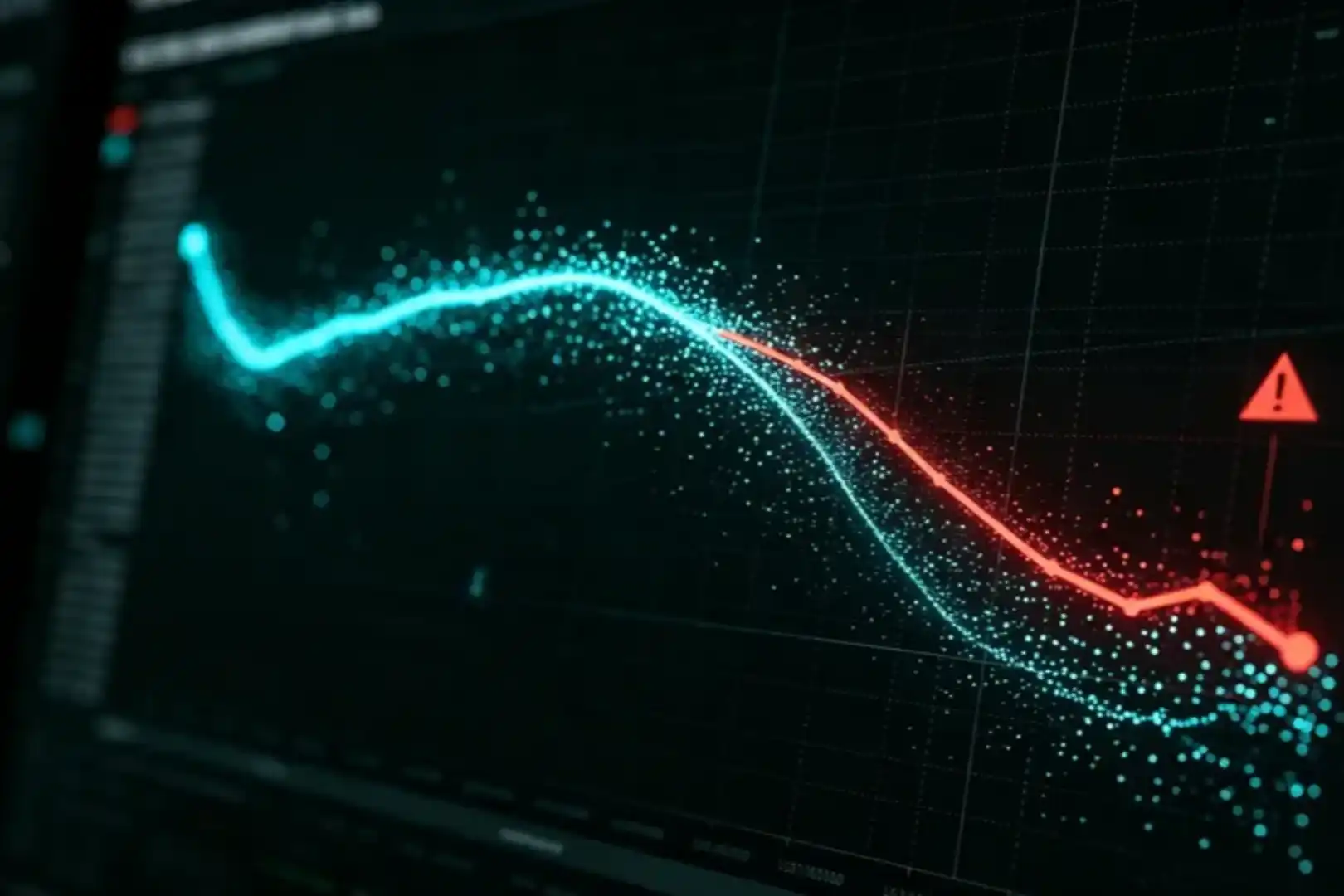
Индекс Dow упал на 469 пунктов (-1,01%), S&P 500 обвалился на 1,74%, показав наибольшее однодневное падение за два месяца. Nasdaq рухнул на 2,38%, официально войдя в зону коррекции — с момента исторического максимума в конце октября прошлого года он累计下跌 более чем на 10%. Одним предложением: в этот день произошло падение акций, золота и облигаций — никакие активы не предоставили эффективной защиты от рисков.
Первую пулю выпустили с другого берега Атлантики. Президент ЕЦБ Кристин Лагард в публичном выступлении прямо облила рынок холодной водой: она охарактеризовала конфликт с Ираном как «реальный шок» и заявила, что «рынки, возможно, слишком оптимистичны», предупредив, что инфляция может заставить Европу重新 рассмотреть вопрос о повышении ставок, и отметив, что экономический ущерб может потребовать years для восстановления. Слова Лагард обрушили еще одну опору и без того шатких ожиданий снижения ставок.
Вслед за этим последовал тяжелый удар от ОЭСР. Организация экономического сотрудничества и развития в своем последнем экономическом обновлении повысила прогноз по инфляции в США на 2026 год с предыдущих 2,8% до 4,2%, что значительно выше прогноза ФРС на прошлой неделе в 2,7%. Что означает эта цифра? Она означает, что при продолжающемся冲击е от этой войны даже «сохранение без изменений» становится для ФРС роскошью — вероятность повышения ставок постепенно закладывается рынком.
На дипломатическом фронте заявление министра иностранных дел Ирана окончательно разбило оставшийся на этой неделе оптимистичный нарратив: министр иностранных дел Ирана Абдоллахиан четко заявил, что обмен сообщениями через посредников «не означает переговоров с США», Тегеран изучает американское предложение о прекращении огня, но отказывается от прямых контактов. Рынки Азиатско-Тихоокеанского региона первыми отреагировали: индекс KOSPI Южной Кореи обвалился более чем на 3%, гонконгский Hang Seng упал на 1,9%, CSI 300 потерял более 1%.
На уровне отдельных акций больше всего пострадал технологический сектор. Nvidia упала на 3,7%, Alphabet — на 3,5%, тяжеловесы индекса Nasdaq 100 падали практически по всем фронтам. Nvidia уже несколько недель подряд находится под давлением как геополитики, так и регулирования ИИ, и падение, похоже, не собирается прекращаться.
В индексе Dow лишь несколько защитных и энергетических акций, таких как Salesforce (+1,65%) и Chevron (+1,44%), удержались в плюсе, но весь индекс все равно не избежал давления — из 30 компонентов только 9 закрылись с ростом.
Деталь, которую стоит отметить: Трамп на заседании кабинета в тот день заявил, что удар этой войны по ценам на нефть и фондовому рынку «не так велик, как я ожидал», и утверждал, что «все вернется на круги своя, даже ниже, чем до войны». Реакция рынка на эти слова — продолжение падения.
Золото и нефть: Нефть возвращается, золото переживает худший месяц с 1983 года
Нефть: Возврат выше $100, ожидания срыва переговоров вновь разгораются
Нефть Brent в ходе торгов вернулась выше $107 за баррель, WTI колебалась около $93. Оба эталонных цена значительно отскочили от минимумов среды, вернувшись в высокий диапазон, который душит рынок.
Движущей силой остается знакомая логика: жесткие заявления иранского министра иностранных дел омрачили перспективы переговоров, и рынок вновь начал закладывать в цены «долгосрочную блокаду». Состояние прохода через Ормузский пролив остается неполноценным — фрахтовые ставки, стоимость страховки,可行性 маршрутов становятся первым рубежом price discovery для нефти, а не просто цифры объема поставок.
Золото: Жестокий месяц под тройным давлением
Фьючерсы на золото упали в четверг на 4%, а месячное падение с марта приблизилось к 17%, что стало худшим показателем за один месяц с октября 2008 года.
Это явление требует объяснения. Почему золото падает, а не растет перед лицом реальной войны на Ближнем Востоке? Ответ указывает на три взаимно усиливающиеся логические цепочки: во-первых,持续растущая доходность казначейских облигаций США повышает opportunity cost владения золотом; во-вторых, доллар持续растет на фоне передачи «инфляция → ожидания ужесточения → сильный доллар», а золото номинировано в долларах; в-третьих, инфляционные ожидания, driven цены на нефть,反而усиливают тезис о том, что «центробанки не будут снижать ставки, ликвидность не будет宽松», лишая золото поддержки нарратива о денежном смягчении.
Нерост золота во время войны — один из самых контринтуитивных и самых тревожных рыночных сигналов этого нефтяного шока 2026 года.
Криптовалюты: Биткоин пробил $70,000
Биткоин в четверг упал ниже $70,000, составив около $68,837, что примерно на 3,4% меньше. Ethereum同步упал, приблизившись к ключевому диапазону поддержки $2,000 – $2,100.
Это падение ниже $70,000 произошло в особенно чувствительный момент — менее чем через неделю после того, как Bernstein на прошлой неделе громко заявил, что «дно пройдено». На данный момент падение биткоина с максимумов октября прошлого года около $126,000 расширилось примерно до 45%, и уверенность рынка в «отскоке от дна» проходит очередную проверку.
Интересное структурное наблюдение: судя по нескольким ударам с начала войны, амплитуда реакции биткоина на геополитические негативные новости постепенно сужается — первая атака 28 февраля вызвала падение на 9%, блокада Ормуза — на 4%, последующие эскалации вызывали колебания в пределах 2%. Это падение ниже $70,000 было driven макропоказателями (ястребы ЕЦБ + пересмотр инфляции ОЭСР), а не непосредственно самими военными действиями — в некотором роде это как раз и показывает, что «устойчивость к кризису» биткоина накапливается, но杀伤ная сила利率нарратива по-прежнему不容忽视.
После закрытия торгов произошел переломный момент: Трамп в Truth Social发文, объявив о переносе крайнего срока для удара по энергетической инфраструктуре Ирана с originally назначенной на эту пятницу даты на 6 апреля, заявив, что «переговоры ведутся и идут хорошо». После выхода новости фьючерсы на Dow немедленно подскочили примерно на 205 пунктов (+0,4%), фьючерсы на S&P 500 и Nasdaq 100 выросли примерно на 0,4%. Биткоин также slightly отскочил от lows.
Это уже N-ная «спасательная операция после закрытия» Трампа в этой войне — рынок уже достаточно опытен, чтобы понимать, что это не равно окончанию войны, а лишь дает больше времени.
Итоги дня: В условиях格局三杀 Лагард и ОЭСР совместно送出全球инфляционное предупреждение
26 марта (четверг), внешний шок叠加технический прорыв, акции США пережили самый тяжелый день с начала войны:
Акции США: Dow -469 пунктов (-1,01%), S&P 500 -1,74% (наибольшее однодневное падение за два месяца), Nasdaq -2,38% официально вошел в зону коррекции. Президент ЕЦБ Лагард предупредила, что рынки «слишком оптимистичны», ОЭСР повысила прогноз по инфляции в США до 4,2%,双双став катализатором ускоренного падения.
Нефть/Золото: Brent вернулся к $107 за баррель, WTI около $93, нефть卷土重来; золото反而упало на 4%,累计падение за месяц приблизилось к 17%, показав худшие monthly результаты с 2008 года — золото не является убежищем во время войны, это самый аномальный сигнал текущего рынка.
Криптовалюты: Биткоин пробил $70,000, составив около $68,837 (-3,4%), Ethereum同步испытывает давление; после закрытия Трамп延期срок удара до 6 апреля, фьючерсы slightly отскочили, биткоин также подрос с lows.
Рынок сейчас волнует только один вопрос: Сможет ли Тегеран дать ответ до 6 апреля?
Трамп дал Ирану еще одно окно. Но на этот раз терпение рынка уже намного тоньше, чем три недели назад — каждое «延期»消耗ожидания рынка в отношении «реального прекращения огня». 6 апреля — новая жесткая дата окончания. Если к тому времени Иран все еще не даст существенного ответа, Трамп столкнется с дилеммой: «крах信用при очередном延期» или «реальные действия→инфляция выходит из-под контроля».
Самая дорогая цена этой войны, возможно, не нефть, а то, что рынок彻底потерял доверие к «следующему повороту».