В истории бизнеса, где бы ни скапливались огромные богатства, неизбежно возникает противоборство между законом и порядком.
Оглядываясь с конца 2025 года, объем выпуска глобальных стейблкоинов прочно устоялся на отметке в 3000 миллиардов долларов, что почти в три раза больше, чем в прошлом году, а месячный объем транзакций достиг ошеломляющих 4-5 триллионов долларов. Стейблкоины, как криптоактив, уже сбросили ярлык «игрушки для гиков» и превратились в главный вход традиционных финансов в цифровой мир.
Однако под процветанием скрываются тени. Согласно последним отраслевым отчетам,预估在2025年全球非法地址接收的资金规模将突破513亿美元。Когда сотни миллиардов долларов могут пересекать границы за считанные секунды, традиционные методы регулирования часто не поспевают за такой скоростью, и бывает трудно сразу отличить законный бизнес от преступных денег.
В этом мире, где правила еще не до конца сформированы, профессор Чжоу Яцзинь является особым предпринимателем.
Профессиональный путь Чжоу Яцзиня — это яркий пример глубокого столкновения элитного ученого с индустрией. В 2010 году он отправился в США для получения докторской степени, углубленно занимался мобильной безопасностью в течение пяти лет, а затем вместе со своим научным руководителем, профессором Цзян Сюйсянем, присоединился к Qihoo 360, совершив первый переход из лаборатории в производство. В 2018 году он решил вернуться в Чжэцзянский университет, чтобы возглавить кафедру. Спустя три года он снова окунулся в промышленную волну, основав компанию по безопасности блокчейна BlockSec.
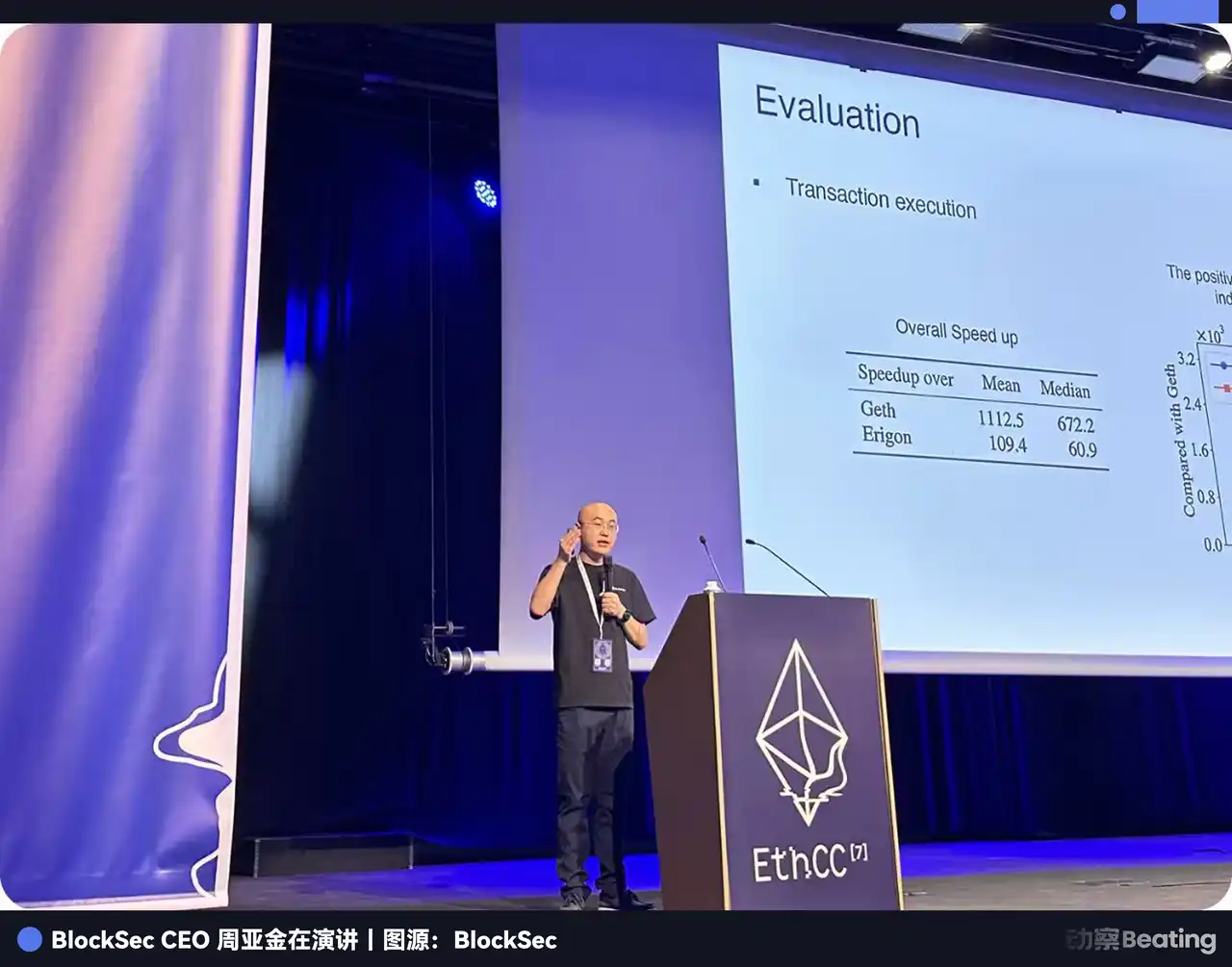
За последние четыре года Чжоу Яцзинь привел BlockSec к смещению бизнес-фокуса. От первоначального аудита кода смарт-контрактов компания постепенно расширилась в более глубокие области, такие как мониторинг безопасности, отслеживание资金来源 и противодействие отмыванию денег (AML).
Чжоу Яцзинь и его команда долгое время углубленно занимались специальными исследованиями данных в цепочке, даже с помощью технических средств «внедрялись» в группы юго-восточноазиатских мошенников и других теневых структур, получив множество малоизвестных картин выживания на низовом уровне. Через его视角, мы, возможно, сможем разглядеть самую реальную борьбу интересов в этом новом цифровом мире.
Далее следует повествование от лица Чжоу Яцзиня, отредактированное и систематизированное редакцией Beating после эксклюзивного интервью.
Kite — это первый блокчейн Layer 1 для платежей AI-агентам, эта базовая инфраструктура позволяет автономным AI-агентам функционировать в среде с верифицируемой идентичностью, программируемым управлением и нативными расчетами в стейблкоинах.
Kite был основан veteran-экспертами в области AI и data-инфраструктуры из Databricks, Uber и UC Berkeley. Компания привлекла финансирование в размере 35 миллионов долларов от инвесторов, включая PayPal, General Catalyst, Coinbase Ventures, 8VC и несколько ведущих инвестиционных фондов.
От аудита кода до поля битвы с отмыванием денег
Я получал докторскую степень в США с 2010 по 2015 год, моим научным руководителем был профессор Цзян Сюйсянь. В то время мы занимались мобильной безопасностью, в области обнаружения вредоносного ПО (Malware) для Android, и были одними из первых в мире, кто это делал. После окончания учебы в 2015 году я последовал за своим руководителем в Qihoo 360, чтобы внедрить результаты исследований в производство.
В 2018 году я присоединился к Чжэцзянскому университету, вернувшись из индустрии в академическую среду. Как раз в то время в Китае был небольшой бум ICO в 17-18 годах, который также привлек внимание некоторых людей к блокчейну, и я начал изучать направление безопасности блокчейна. Я заметил, что в то время инциденты безопасности в цепочке происходили frequently, и в академической среде уже было много хороших идей для решения, но оглядываясь на индустрию, я видел, что делается не очень хорошо,甚至可以说很少有人在关注这些问题。
Поэтому в 2021 году я вместе с учителем У Лэем основал BlockSec.
Вначале восприятие «компании по безопасности блокчейна» было极其刻板: разве вы не занимаетесь аудитом? Действительно, мы начали с аудита смарт-контрактов. Поскольку у нас был积累 академических исследований, и команда была довольно элитной, мы быстро укрепились в бизнесе по аудиту. Но мой подход к созданию компании заключался в том, чтобы она не была просто сервисной компанией по безопасности. Потому что аудит решает проблемы безопасности до запуска, а для защиты после запуска в то время в отрасли не было特别好的 решений.
Поэтому в 2022 году, параллельно с аудитом, мы также начали разрабатывать платформу мониторинга атак в цепочке. Наша концепция продукта тогда заключалась в том, чтобы continuously мониторить транзакции в цепочке, и в случае возникновения атакующей транзакции, автоматически ее блокировать. В этом процессе мы обнаружили, что, несмотря на аудит и мониторинг, проекты все равно могут быть атакованы, плюс в то время было много инцидентов безопасности на стороне пользователя, таких как фишинг, потеря приватных ключей, и пользователи теряли деньги, что порождало новые потребности.
Проект был взломан, пользователи стали жертвами фишинга, им нужно было подавать заявление в правоохранительные органы, объяснять, куда именно ушли деньги. Поэтому с 2022 года мы разработали продукт для отслеживания потоков средств, который был полностью SaaS-ориентированным, пользователи могли подписаться и использовать его напрямую, мы не использовали модель B2B-продаж.
Результат запуска этого продукта нас поразил. Помимо правоохранительных органов, его использовали журналисты, финансовые учреждения, и даже много частных детективов, работающих на себя. Эти пользователи с разным背景ом в процессе использования помогли нам отшлифовать продукт, привлекая больше пользователей. Плюс у нас самих уже были движки обнаружения атак, движки обнаружения фишинга и т.д., эти метки и данные постепенно сформировали наш самый глубокий защитный барьер.
Переломный момент произошел в конце 2024 - начале 2025 года.
В то время объем выпуска стейблкоинов начал бешено расти, этот рынок перестал быть уделом только Crypto Native (крипто-оригинальных) людей. Многие люди из традиционных финансов начали выходить на рынок, и первая виртуальная валюта, с которой они столкнулись, была стейблкоин. У этих людей极其сильное合规意识, и как только они приходят, они спрашивают: я хочу использовать стейблкоины, как решать проблемы AML (противодействие отмыванию денег) и CFT (противодействие финансированию терроризма)?
На рынке не хватало хороших合规продуктов, а у нас как раз были накопленные за три года底层данные с метками, поэтому мы очень быстро выпустили антиотмывочный продукт. Весь процесс был вполне естественным, мы, в соответствии с изменениями рыночного спроса, превратились из простого поставщика услуг безопасности в комплексного поставщика «безопасность + compliance».
Внедрение
Чтобы бороться с отмыванием денег,首先必须深刻理解, как именно теневые и преступные структуры используют деньги.
С нашей исследовательской точки зрения, преступления с криптовалютой обычно делятся на два типа: первый — «крипто-оригинальные», например, атаки на уязвимости кода протоколов DeFi, кражи приватных ключей или фишинг. Без блокчейна этих преступлений просто бы не существовало.
Второй тип — «крипто-驱动», такие как电诈, вымогательство и торговля людьми. Появление криптовалют значительно повысило эффективность и анонимность их трансграничных переводов. В этих сценариях больше всего нас потрясла торговля людьми в рамках产业链电诈 в Юго-Восточной Азии.
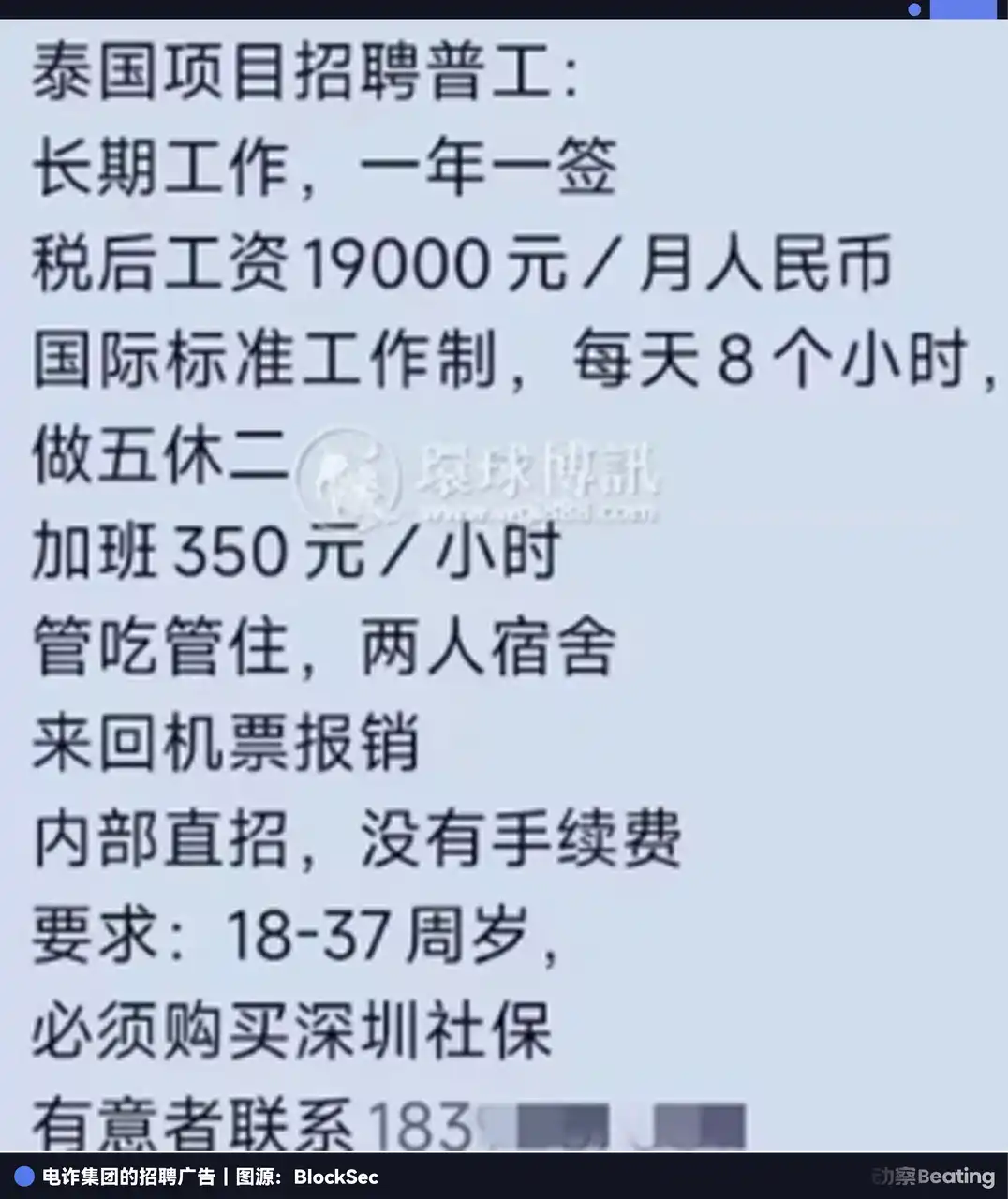
Многие считают, что电诈далеко от них, но посмотрите на их рекламу о найме,诱惑力极其精准: начальная зарплата от 19 000 юаней в месяц, оплата авиабилетов, питание и проживание, и даже с серьезным видом承诺「必须购买深圳社保」. Этот метод мошенничества,专门针对молодежи от 18 до 37 лет, заманил大量жертв跨越границу в мошеннические园区, расположенные в Мьянме, Камбодже или Лаосе.
Нынешние电诈园区имеют строгую организационную структуру, ничем не отличающуюся от正规ных компаний, с полным набором отделов: финансов, технологий,电话服务组. Для поддержания such масштабной运作им需要不断补充«рабочей силы», а园区(заказчик) и торговцы людьми(поставщик) незнакомы друг с другом, и общение в интернете полностью лишено доверия.
Таким образом,诞生了专门为незаконныхсделок提供信用担保的промежуточный环节, а именно «платформы劳务担保».
Логика работы этой системы очень похожа на Taobao.园区сначала вносит депозит в USDT на担保平台; торговцы людьми负责заманиватьжертв跨越границу и доставлять в указанное место «проверки товара». После взаимного подтверждения в приватных группах Telegram,平台высвобождаетдепозит торговцам людьми. Эта сделка信奉принцип «人到钱到» (человек пришел — деньги пришли), если какая-либо сторона попытается отказаться от оплаты,平台заморозит或конфискуетдепозит в соответствии с правилами для компенсации другой стороне.
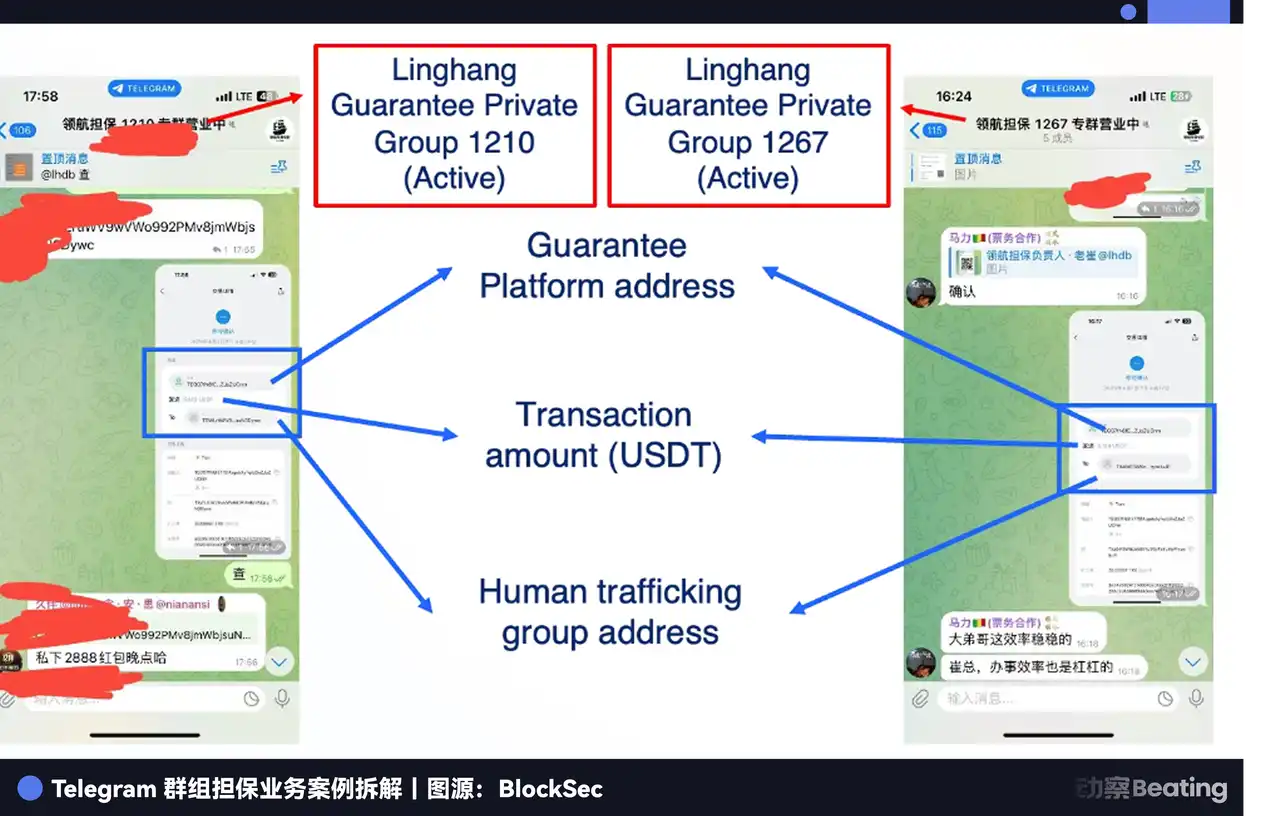
Для привлечения бизнеса эти平台создают множество публичных каналов в Telegram, чтобы «показать肌肉». Например, в каналах领航担保или好旺担保,系统ботыпубликуют в реальном времени скриншоты завершенных сделок и записи о транзакциях в цепочке. Они甚至как正规ные电商проводят акции, например,代收комиссионные, реклама «купи 10 — получи 2 в подарок».
Это также наш最直接的切口для наблюдения за теневой индустрией.
С февраля по август 2025 года мы разработали автоматизированную систему, которая持续潜伏в этих группах для сбора разведданных. Поскольку в чатах полно жаргона, мы专门обучили большую языковую модель для анализа.
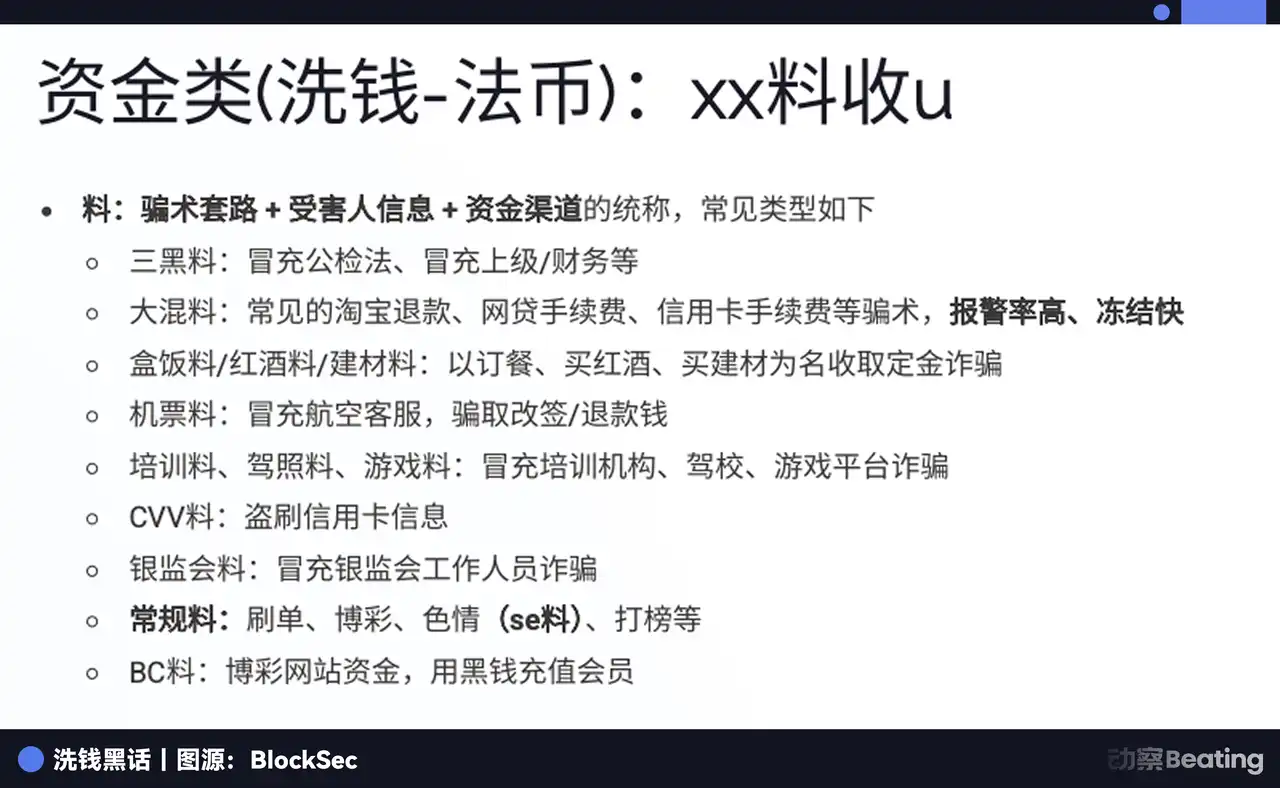
В жаргоне теневой индустрии жертвы — это «рыба», мошеннические схемы и информация о жертвах называются «материал». Материал делится очень подробно: есть «материал трех черных», «смешанный материал», «материал авиабилетов» и т.д. В зависимости от этапа отмывания денег, они делятся на «материал первой очереди» (получение денег напрямую от жертвы) и «материал второй очереди» (после分层处理).
Есть еще работа под названием «手机口» (мобильный роуминг), сообщники внутри страны используют аудиокабель или специальное приложение для ретрансляции мошеннических звонков из-за границы на внутренние мобильные телефоны, чтобы обойти блокировку операторов связи против мошенничества, зарабатывая около 200 USDT в час. Они наняли много молодежи из маленьких городов для этого.
В этих теневых группах даже открыто распространяются «Руководства по защите от полиции», в мельчайших подробностях обучающие, как冷静应对расследованию, например, упорно утверждать, что телефон потерян, заранее удалять скрипты и шифрованные мессенджеры. В конце руководства написана очень ироничная фраза — «致敬每一位努力的人» (Отдаем дань уважения каждому старающемуся человеку).
В результате полугодового автоматического мониторинга, для одной из этих担保平台, мы в общей сложности идентифицировали 634 адреса, связанных с группами по торговле людьми,累计отслеженная сумма незаконных транзакций приблизилась к 12 миллионам долларов США. В самые активные периоды через эту одну担保平台ежедневно продавалось в园区10 человек. Реальная ситуация, вероятно, серьезнее, поскольку существуют и другие担保平台.
При отслеживании направления движения денег мы обнаружили, что подавляющая часть этих денег находится в сети Tron, и в основном используется стейблкоин USDT. Поскольку работа с Tron имеет низкий порог входа и дешевые комиссии, она очень подходит этим преступным группам с ограниченными техническими возможностями. Хотя сейчас комиссии в Tron также выросли, они уже привыкли их использовать, и им трудно перейти на другие методы.
Проанализировав потоки средств более 120 групп, мы обнаружили, что свыше 34,9% этих незаконных доходов в конечном итоге поступили на горячий кошелек OKX, 6,9% — на Binance, и еще 14,4% — на горячие кошельки, связанные с汇旺.
Когда ты видишь, откуда пришли эти деньги и как они текут, противодействие отмыванию денег перестает быть пустыми словами. Эти реальные данные, полученные из низовых сообществ, и являются самым核心的壁垒безопасности и compliance на данный момент.
12 секунд: «перехват» хакеров в мемпуле
В индустрии безопасности всегда есть комплекс: аудит может гарантировать безопасность кода только в момент его запуска. Но как только проект начинает работать, он оказывается под прицелом хакеров со всего мира 24 часа в сутки без перерыва. Если аудит — это «статическая защита», то можем ли мы попытаться осуществить «динамическое перехват»?
В 2022 году, параллельно с аудитом, мы запустили платформу мониторинга атак в цепочке. Базовая логика этого продукта заключается в наблюдении за Mempool (мемпулом) Ethereum. Вы можете представить мемпул как зал ожидания, где все транзакции排队перед тем, как быть официально упакованными в блок и записанными в ledger.
В этом зале ожидания мы следим не только за транзакциями обычных пользователей, но и за скриптами с признаками атак. Как только система обнаруживает подозрительную транзакцию, она немедленно запускает автоматический анализ в приватной链环境: что она пытается сделать? Логично ли это? Сколько денег украдет?
Самая захватывающая дух博弈обычно происходит в течение短短 12 секунд.
После слияния (The Merge) Ethereum время создания блока зафиксировалось на 12 секундах. Это означает, что между моментом, когда хакер отправляет команду атаки, и моментом, когда эта транзакция действительно подтверждается и упаковывается, есть极其краткийокно. Эти несколько секунд — золотое время для спасения white hat'ов.
Наша система после подтверждения атаки автоматически генерирует транзакцию «опережения» (Front-running)». Содержаниеэтой транзакции几乎идентично хакерской, но ключевое отличие в том, что мы изменяем адрес получателя средств с кошелька хакера на наш预设的安全ный адрес.
Чтобы обогнать хакера, мы должны получить приоритет упаковки у майнеров.
Хакеры, стремясь к максимизации прибыли, обычно устанавливают стандартную комиссию Gas. А мы с помощью алгоритма устанавливаем комиссию Gas очень высокой,甚至直接отдавая часть этих денег майнерам. Под влиянием利益, майнеры优先упаковывают нашу транзакцию. Когда наша транзакция успешно выполняется, транзакция хакера автоматически становится недействительной.
Эта способность спасла много проектов в实战.
Самый типичный случай — когда мы успешно перехватили в мемпуле атаку на某протокол,一次性помогли проекту спасти 2909以太坊. В то время хакер уже активировал уязвимость, и казалось, что десятки миллионов долларов вот-вот будут похищены, наша система мониторинга мгновенно сработала и за несколько секунд завершила模拟атаки, генерацию транзакции и торги за Gas. В конечном итоге, эти巨款были переведены на наш安全ныйадрес на шаг раньше хакера.
Раньше, если проект взламывали, можно было только обратиться в Twitter за помощью или попытаться договориться с хакером о возврате части денег за вознаграждение. Но теперь с помощью технических средств мы перехватываем деньги за секунду до того, как хакер успевает их забрать.
Только если ты понимаешь код лучше хакера и бежишь быстрее него, ты можешь守住последний рубеж обороны в этом «Code is law» темном лесу.
Послесловие
Если последнее десятилетие криптомира было «золотой лихорадкой», то站在2025 году, мы видим возвращение к «определенности». Когда масштаб стейблкоинов устремляется к 3000 миллиардов долларов, и новая цифровая финансовая система переходит от «дикости» к «городу-государству», технология перестает быть仅仅рычагом обогащения, она должна首先стать щитом, защищающим от темной стороны человеческой природы.
Трансформация, которую пережили Чжоу Яцзинь и его команда, по сути, является отражением этой бизнес-логики. От аудита кода к динамическому перехвату,再到глубокого погружения и декомпозиции цепочек теневой индустрии — это не одиночная храбрость кого-либо, а必然产生的防御机制по мере развития технологий до определенного масштаба. В этом мире, где код — это закон, если не решать проблемы незаконного перемещения денежных потоков и неэффективности защиты, то所谓的«финансовая революция» навсегда останется игрой для избранных.
В истории бизнеса любая отрасль, способная стать мейнстримом, переживала мучительный переход от хаоса к правопорядку. Возможно, это долгий и скучный процесс, но, как сказал Чжоу Яцзинь, конечная форма безопасности — это «незаметность».
Только когда безопасность станет像空气一样无处不在, но при этом被所有人忽视, эта когда-то полная неопределенности цифровая пустошь才能真正 завершить свою цивилизационную колонизацию.