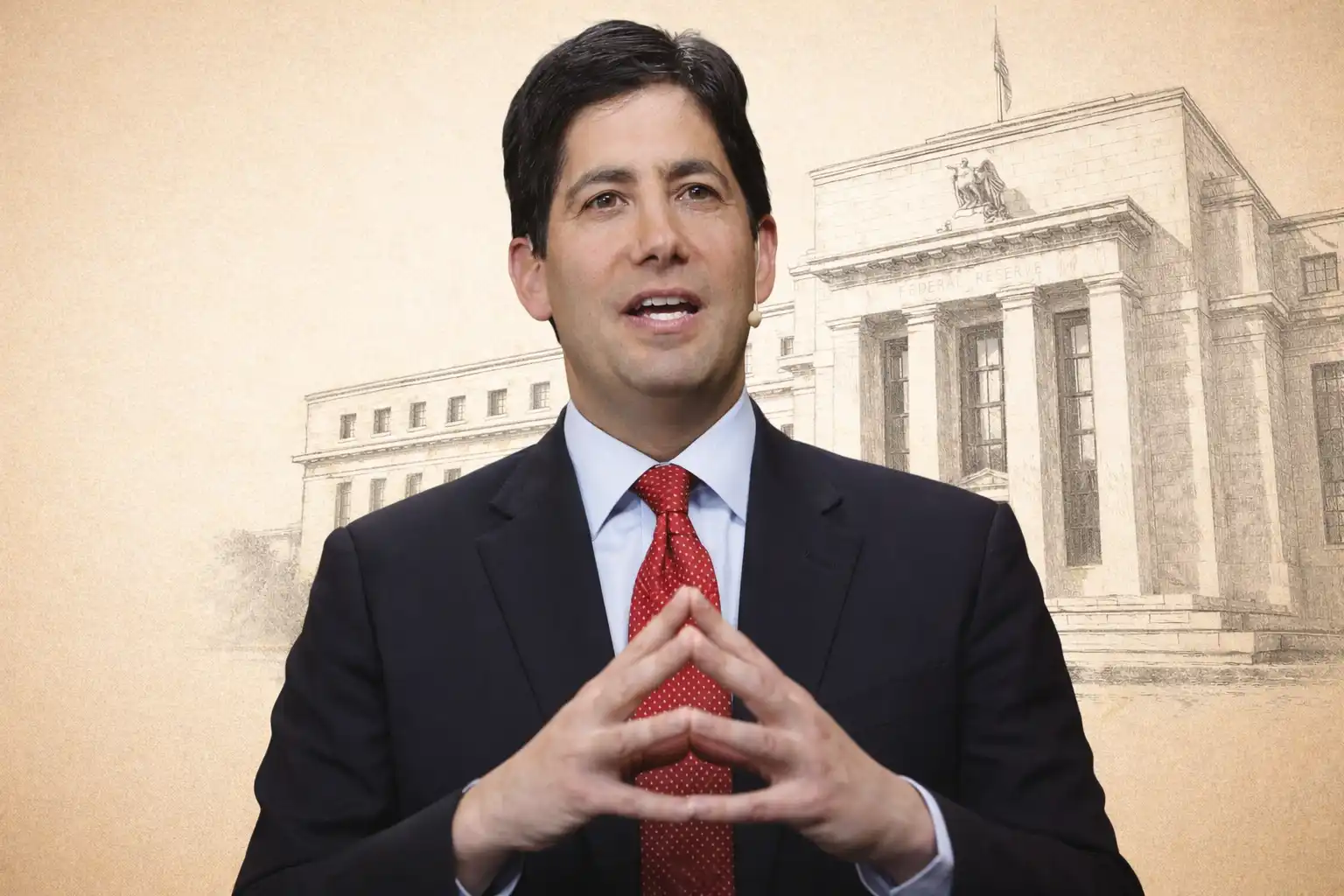
Автор: Zen, PANews
Трамп недавно заявил, что «вскоре» объявит о следующем председателе ФРС и подчеркнул, что новый председатель значительно снизит процентные ставки. Окончательный выбор Трампа ожидается в начале 2026 года, и в то время, как отбор Белого дома кандидатов на пост следующего председателя ФРС уже вступил в завершающую стадию, бывший член Совета управляющих ФРС Кевин Уорш (Kevin Warsh) неожиданно снова вошел в основной список кандидатов.
На фоне того, что команда Трампа публично требует более быстрого и значительного снижения ставок, возвращение Уорша привлекло внимание. Он обладает опытом работы в центральном банке, участвуя в принятии решений во время финансового кризиса, и при этом долгое время критиковал чрезмерное расширение баланса ФРС и отклонение в политике.
Теперь Уорш, который, возможно, сместит «теневого председателя», сталкивается с более практическим вопросом: как удовлетворить ожидания Белого дома в отношении низких ставок, одновременно обеспечивая сохранение рыночного доверия к независимости ФРС.
Как сформировался «ястреб инфляции»
Кевин Уорш (Kevin Warsh) родился в 1970 году, вырос в Нью-Йорке в семье бизнесменов, окончил Стэнфордский университет и получил степень доктора права в Гарвардском университете. После учебы Уорш встал на путь Уолл-стрит, много лет работал в инвестиционном банке Morgan Stanley, специализируясь на слияниях и поглощениях, и дослужился до исполнительного директора. Этот опыт работы на Уолл-стрит позволил ему досконально изучить механизмы работы финансовых рынков, что впоследствии сыграло важную роль при переходе на государственную службу.
В 2002 году Уорш покинул Уолл-стрит и обратился к политике. Он присоединился к команде тогдашнего президента США Джорджа Буша-младшего, заняв должность специального помощника по национальной экономической политике, участвуя в разработке внутренней финансовой и рыночной политики. В 2006 году, в возрасте всего 35 лет, Уорш был nominated президентом Бушем в члены Совета управляющих ФРС, став одним из самых молодых членов Совета управляющих ФРС в истории.
Во время работы в ФРС он отвечал за связи с «Группой двадцати» (G20) и другие международные вопросы, накопив богатый опыт в области денежно-кредитной политики. Во время финансового кризиса 2008 года Уорш, будучи членом Совета, тесно сотрудничал с тогдашним председателем Беном Бернанке и президентом Федерального резервного банка Нью-Йорка Тимом Гайтнером, помогая финансовым институтам преодолеть трудности и участвуя в принятии решений о запуске ФРС таких нетрадиционных мер, как количественное смягчение.
Однако Уорш всегда с опаской относился к излишне мягкой денежно-кредитной политике, опасаясь, что количественное смягчение может привести к инфляционным рискам. Вскоре после запуска второго раунда количественного смягчения он досрочно ушел с поста члена Совета в марте 2011 года, и широко распространено мнение, что это было связано с его опасениями по поводу QE и инфляционных рисков. Проявленная Уоршем принципиальная независимость также заработала ему в финансовых кругах репутацию «ястреба инфляции».
Покинув ФРС, Уорш вернулся к истокам, обратившись к академической и экспертной деятельности, продолжая активно участвовать в дискуссиях по экономической политике. Он стал выдающимся приглашенным научным сотрудником Гуверовского института Стэнфордского университета и преподавал в бизнес-школе, focusing his research on monetary policy and financial stability. Кроме того, Уорш был приглашен в такие влиятельные институты, как «Группа тридцати» (Group of Thirty), и часто публиковал статьи в СМИ, критикуя излишне мягкий курс политики ФРС.
Стоит отметить, что Уорш также обладает выдающимися связями: его супруга происходит из известной семьи Estée Lauder, а его тесть Рональд Лаудер является давним другом и важным сторонником президента Трампа, что provides Уоршу уникальные сетевые ресурсы как в политических, так и в деловых кругах. Пройдя закалку в правительстве, на Уолл-стрит и в академических кругах, Уорш постепенно создал образ, сочетающий профессиональную компетентность в политике и рыночную проницательность, заложив прочную основу для борьбы за более высокие должности.
Как Уорш прорвался в середине пути
После возвращения Трампа в Белый дом новое administration приступило к поиску преемника Джерома Пауэлла на посту следующего председателя ФРС. Изначально широко распространено мнение, что главный экономический советник Трампа Кевин Хассетт (Kevin Hassett) имеет наибольшие шансы. Хассетт в течение первого срока Трампа занимал пост председателя Совета экономических советников Белого дома, долгое время следовал за Трампом и считается близким к президенту кандидатом, получив от外界 прозвище «теневой председатель».
Однако Уорш неожиданно ворвался в конкурс кандидатов, завоевав расположение команды Трампа. В начале декабря Трамп透露, что круг его кандидатов на пост председателя ФРС сузился до «двух Кевинов» — то есть Хассетта и Уорша. Уорш на этот раз мощно вырвался вперед, поднявшись до положения, способного конкурировать с Хассеттом на равных. Трамп заявил: «Я считаю, что оба Кевина excellent», намекнув, что окончательный выбор будет между ними.
То, что Уорш смог догнать и обогнать, неразрывно связано с его активными усилиями. Трамп透露, что он уже встретился с Уоршем в Белом доме в середине декабря, и Уорш во время встречи прямо выразил поддержку снижению ставок. Трамп заявил, что Уорш считает, что текущие ставки «должны быть ниже», и эта точка зрения совпала с его требованием более мягкой денежной среды. Наличие профессионального опыта в сочетании с готовностью соответствовать политическому курсу и迎合 запросам Белого дома по вопросу ставок в некоторой степени развеяло опасения Трампа по поводу его прежней ястребиной позиции.
Кроме того, сыграла свою роль и сеть связей Уорша. Такие heavyweight Уолл-стрит, как генеральный директор JPMorgan Chase Джейми Даймон, заявили, что больше поддерживают руководство ФРС со стороны Уорша. Даймон в private высказал мнение, что хотя Хассетт может более активно снижать ставки в краткосрочной перспективе, но в долгосрочной перспективе Уорш обладает более богатым опытом работы в центральном банке и поэтому является более稳的选择ом.
Более того, изменения в оценке кандидатов внутри команды советников Трампа также способствовали прорыву Уорша. Как сообщали СМИ, некоторые officials администрации Трампа私下 выражали обеспокоенность способностями Хассетта. По словам этих осведомленных источников, Хассетт на посту директора Национального экономического совета, помимо восхваления политики Трампа, не обладал выдающимися практическими способностями к принятию решений. Подобные опасения заставили некоторых советников Трампа усомниться в том, сможет ли Хассетт справиться с этой чрезвычайно технически сложной должностью председателя ФРС.
Напротив, Уорш, обладающий опытом работы в Совете управляющих ФРС и профессиональным рыночным background, считается более компетентным. Эта борьба между «лояльностью» и «профессионализмом» создала игру внутри команды Трампа: с одной стороны, политические советники президента ценят абсолютную лояльность Хассетта Трампу; с другой стороны, такие экономические officials, как министр финансов Скотт Бессент, склоняются к Уоршу, обладающему профессиональным авторитетом.
По сообщениям середины декабря, Трамп лично участвовал в собеседовании с Уоршем, и неизвестно, будет ли он встречаться с другими кандидатами. Однако, согласно анализу mainstream СМИ, к концу года конкуренция постепенно сосредоточилась на противостоянии «двух Кевинов». Из процесса прорыва в середине пути также видно, что Уорш умеет strategize, задействовать связи и гибко корректировать свою позицию в зависимости от ситуации. Для лагеря Трампа он принес как профессиональную достоверность, так и проявил политическую гибкость, что и является причиной того, что он стал热门 кандидатом на пост председателя ФРС в 2025 году.
Соперничество двух Кевинов
Из-за различий в background и ориентации, экономическая политика и подход «двух Кевинов» также имеют明显的 различия.
В денежно-кредитной политике Уорш历来 известен как «ястреб инфляции» и всегда сохранял警惕ность к таким мерам, как количественное смягчение. Он strongly关注 долгосрочные инфляционные риски, подчеркивая, что центральный банк должен сохранять выдержку в контроле над ценами. В то время как Хассетт, будучи ученым-экономистом по происхождению, а не профессиональным central banker, его позиция в области денежно-кредитной политики больше меняется в соответствии с политическими потребностями.
Под влиянием Трампа в последние годы высказывания Хассетта стали более鸽派скими, он публично призывает ФРС усилить снижение ставок для стимулирования роста. При сравнии, образ Уорша больше похож на традиционного центрального банкира, осторожного и注重 долгосрочной стабильности; Хассетт же проявляет себя как гибкий стратег,迎合ющий политическим намерениям. Как и выразился CEO JPMorgan Chase Даймон, в краткосрочной перспективе Хассетт может более активно снижать ставки, в то время как Уорш проявляет более глубокую политическую подготовку и稳健ую позицию.
Однако值得注意的是, Уорш недавно также скорректировал свою политическую позицию, чтобы приблизиться к Трампу. В своей статье, опубликованной в The Wall Street Journal в ноябре, Уорш предложил, с одной стороны, снизить ставки, а с другой — значительно сократить баланс ФРС, чтобы таким образом兼顾 стимулирование экономики и防范 инфляции. Эта комбинация «снижение ставок + сокращение баланса» рассматривается как некая уступка и变通 традиционной ястребиной позиции Уорша: то есть允许先行下调 ставок, но при этом сокращать объем облигаций, held ФРС, для изъятия ликвидности, чтобы избежать роста инфляции. В contrast, Хассетт не предлагал类似их технических балансирующих мер, он更倾向于直接大刀阔斧地 снижать ставки и верит, что это может немедленно стимулировать экономический рост.
В сдерживании инфляции позиции Уорша и Хассетта также имеют明显的 разницу. Уорш直言不讳地批评 руководимая Пауэлом ФРС «совершила unwise ошибки в борьбе с инфляцией». Он заявляет, что «инфляция — это выбор», считая, что высокая инфляция последних лет в значительной степени является результатом ошибок политики ФРС, а не непреодолимой силы. Поэтому Уорш主张, что новый председатель должен строго придерживаться цели стабильности цен, ставя контроль над инфляцией на приоритетное место.
Основываясь на этой理念, он反对简单地将 перегрев экономики и напряженность на рынке труда归咎为 причины инфляции, критикуя pastую практику ФРС приписывать инфляцию чрезмерному экономическому росту как «догму». Напротив, Уорш считает, что повышение производительности, наладка предложения могут позволить достичь более высокого роста и занятости без провоцирования инфляции. В отличие от Уорша, подчеркивающего собственную ответственность ФРС, позиция Хассетта в отношении проблемы инфляции носит более политический характер.
Что касается независимости и политической нейтральности ФРС, то это вопрос, вызывающий особую озабоченность у внешнего мира. Разница в их взглядах касается не только их личного стиля, но и глубоко повлияет на репутацию и функциональное позиционирование ФРС как института на ближайшие годы.
Уорш, как бывший official ФРС, хорошо понимает ценность независимости центрального банка. В 2017 году, борясь за nomination на пост председателя, он подчеркивал профессиональную ethics и ушел в отставку из-за несогласия с политическим курсом, проявив определенную независимость принципов. Даже на этот раз, идя на компромисс, чтобы迎合 требование Трампа о снижении ставок, Уорш все еще считается членом финансовой элиты, относительно сдержанным и稳健ым по стилю. Трамп私下 также высказывал неполное доверие к such «элите эпохи Буша», как Уорш, опасаясь, что он слишком независим, слишком искушен и им будет трудно fully контролировать.
В comparison, Хассетт публично заявляет, что ФРС стала «политизированной» и needs новое руководство для согласования с повесткой дня президента. Даже though Хассетт недавно начал постоянно подчеркивать, что, вступив в должность, он обеспечит независимость центрального банка, по сути он все еще主张 более тесную привязку денежно-кредитной политики к целям правящей администрации. Это高度 соответствует публичным требованиям Трампа: Трамп多次 заявлял, что следующий председатель ФРС «должен слушаться меня» и требовал консультироваться с ним перед принятием решений по ставкам.
В заключение, Кевин Уорш благодаря своему уникальному послужному списку и гибкой стратегии в ходе кампании успешно вошел в число热门 кандидатов на пост председателя ФРС в 2025 году. Его опыт работы в правительстве, на Уолл-стрит и в академических кругах добавил ему веса, а взаимодействие с лагерем президента Трампа также показало практическую сторону. В сравнении с основным конкурентом Кевином Хассеттом Уорш проявляет большую профессиональную независимость и опыт в области денежно-кредитной политики, в то время как Хассетт выделяется лояльностью и политической проницательностью. Их разногласия по ключевым вопросам экономической политики отражают различные пути, с которыми может столкнуться ФРС в будущем: придерживаться независимости и устойчивости традиционного центрального банка или迎合 политическим запросам в pursuit мягкости и роста.
В анализе и reporting主流 СМИ, это состязание «двух Кевинов» — это не только борьба за кадры, но и игра за независимость ФРС и ориентацию политики. Независимо от того, кто в конечном итоге победит, инвесторы в США и во всем мире внимательно следят за тем, как最终ый победитель в этом перетягивании каната определит следующую главу ФРС.