В кризисный момент, когда Иран столкнулся с внешними атаками и вакуумом высшего руководства, а также под давлением Корпуса стражей исламской революции (КСИР), Совет экспертов назначил Моджтабу Хаменеи, сына убитого верховного лидера Али Хаменеи, третьим верховным лидером Ирана.
Те, кто не знаком с иранскими политическими делами, возможно, никогда не слышали имени Моджтабы, и это неудивительно. Даже внутри страны он долгое время оставался вне поля зрения. Он никогда не избирался на выборах и не был официально назначен на какую-либо государственную должность, всегда действуя таинственно и скромно. С тех пор как погибли его отец и жена, этот человек, которого внешний мир считал горячим претендентом на пост верховного лидера, не появлялся на публике.
А президент США Трамп явно недоволен новым верховным лидером Ирана. Ранее он заявлял, что хотя Моджтаба является наиболее вероятным преемником, такой результат для него неприемлем. Трамп также пренебрежительно заметил: «Они тратят время зря, сын Хаменеи — ничтожная личность». Он также заявил, что если этот кандидат не получит его предварительного одобрения, то новый лидер не продержится у власти долго.
Возможно, перед военным давлением со стороны США и Израиля Моджтаба не является решающим фактором. Но внутри Ирана этот человек, долгое время избегавший внимания, на самом деле всегда находился в центре власти.
Кроме того, расследование, опубликованное Bloomberg в начале этого года, также вывело на свет скрытую бизнес-империю Моджтабы: трансграничная сеть недвижимости, которая, как утверждается, управляется через посредников и охватывает Лондон, Дубай, Франкфурт и Майорку, а криптовалюты стали важным媒介ом для движения его средств.
Моджтаба: из-за кулис на передний план
Моджтаба Хаменеи (Mojtaba Khamenei) родился в 1969 году в Мешхеде, Иран, и является вторым сыном верховного лидера Ирана Али Хаменеи. Как сын верховного лидера, публичным статусом Моджтабы является священнослужитель среднего звена, который всегда сохранял скромность, редко появлялся на публике и很少 выступал.
Официально, жизнь Моджтабы проходила вне государственных структур, он никогда не занимал никаких должностей. Однако на самом деле он всегда поддерживал тесные связи с центром власти или, можно сказать,长期以来 он всегда находился в центре власти.
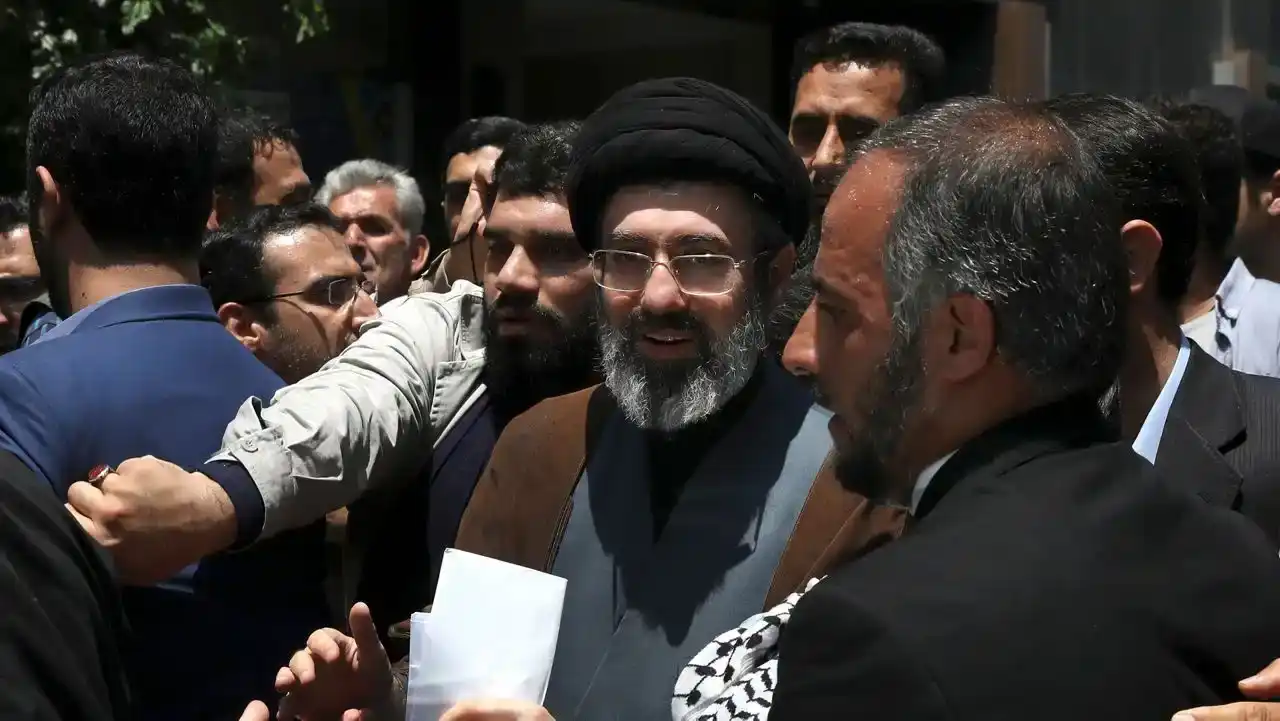
В 2019 году Министерство финансов США объявило о введении санкций против Моджтабы, заявив, что он никогда не избирался и не назначался на государственные должности, но действовал в официальном качестве от имени верховного лидера. В заявлении также упоминалось, что Хаменеи поручил Моджтабе часть руководящих обязанностей и что он тесно сотрудничал с командиром Корпуса стражей исламской революции — силами «Кудс» (IRGC-QF) и организацией Басидж (Basij).
По сообщению Iran International, по крайней мере за последние двадцать лет Моджтаба был самым близким советником Хаменеи и фактически контролировал офис верховного лидера. Как высший орган власти Ирана, офис верховного лидера сочетает в себе модель религиозного учреждения «Бейт» (офис религиозного авторитета «Марджа») и бюрократического аппарата, контролируя жизненно важные рычаги: ключевые элементы безопасности, политики и финансов. А Моджтаба всегда скрывался в офисе верховного лидера, выступая в роли привратника и посредника при своем отце.
Во время ирано-иракской войны в 1980-х годах Моджтаба служил в лагере Хабиб, входящем в состав Корпуса стражей исламской революции, многие его сослуживцы позже стали высокопоставленными officialsами иранских органов безопасности и разведки. Эти военные связи также помогли заложить основу для long-term связей, которые Моджтаба established внутри иранских security agencies.
Будучи ключевой фигурой в структуре власти Тегерана, Моджтаба, всегда действовавший за кулисами, тесно связан с Корпусом стражей исламской революции (КСИР) и благодаря этому укрепил свое влияние в структуре власти режима. В 2009 году Моджтаба организовал фальсификацию выборов, чтобы помочь тогдашнему президенту Махмуду Ахмадинежаду переизбраться, что вызвало длительные протесты, которые в конечном итоге переросли в общенациональное движение против правительства и верховного лидера. Впоследствии Моджтаба руководил подавлением протестов после выборов, которые стали называть «Зеленым движением».
Многие годы Моджтаба считался потенциальным преемником Хаменеи. Находящийся под домашним арестом бывший премьер-министр Ирана Мир Хосейн Мусави в сборнике произведений, выпущенном в 2022 году, заявил: «Слухи о том, что сын замышляет унаследовать трон отца, ходят уже тринадцать лет. Если это неправда, почему никто не опровергает?» После этого бывший президент Ирана Ибрахим Раиси, который, как一度 сообщалось, вместе с Моджтабой вышел в «финал», погиб в 2024 году в результате аварии вертолета.
Таким образом, для Ирана, находящегося в военной фазе, особенно для ядра режима, состоящего из иранских политиков-твердолобых и security agencies, выдвижение Моджтабы, обладающего и легитимностью, и способностью контролировать, было само собой разумеющимся.
Создание глобальной империи недвижимости
Моджтаба, создавший сильное влияние в политических, security и религиозных учреждениях иранского режима, еще более скрытно контролирует и支配ляет финансовыми сетями.
В январе этого года израильский 13-й канал, как утверждается, сославшись на источник, знакомый с экономической деятельностью иранского Корпуса стражей революции, сообщил, что иранские лидеры за два дня перевели через криптовалюты 1,5 миллиарда долларов на escrow-счета в Дубае, и Моджтаба был одним из участников этих перемещений.
Семья Хаменеи в официальном изображении вела скромную и набожную жизнь, без каких-либо признаков роскоши. Однако, согласно годовому расследованию Bloomberg, огромное богатство Моджтабы резко контрастирует с пропагандируемым образом набожности. Как один из самых влиятельных людей в Иране и на Ближнем Востоке, Моджтаба владеет огромной инвестиционной империей.
По оценкам, хотя США ввели против него санкции в 2019 году, Хаменеи через свою обширную бизнес-сеть перевел десятки миллиардов долларов на западные рынки. По словам осведомленных источников, финансовые возможности Моджтабы охватывают различные активы: от судоходства в Персидском заливе до банковских счетов в Швейцарии, а также фешенебельные отели в Европе и роскошную недвижимость в Великобритании стоимостью более 100 миллионов фунтов стерлингов (около 138 миллионов долларов). По словам осведомленных лиц, средства для приобретения этих активов в основном поступают от продажи иранской нефти.
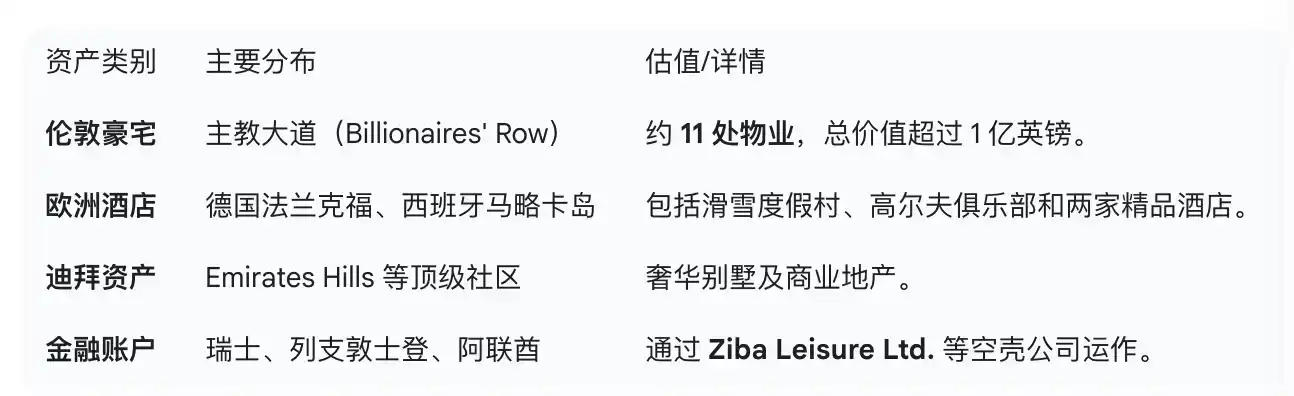
Однако, изучив все документы, Bloomberg обнаружил, что эти активы зарегистрированы не на имя Моджтабы, а были куплены и принадлежат иранскому бизнесмену по имени Али Ансари. «Проанализировав его (Моджтабы) финансовую сеть, вы обнаружите, что Али Ансари является его основным владельцем счета. Это делает Ансари одним из самых влиятельных олигархов современного Ирана», — говорит Фарзин Надими, старший научный сотрудник Вашингтонского института ближневосточной политики, изучавший финансовые империи семьи Хаменеи.
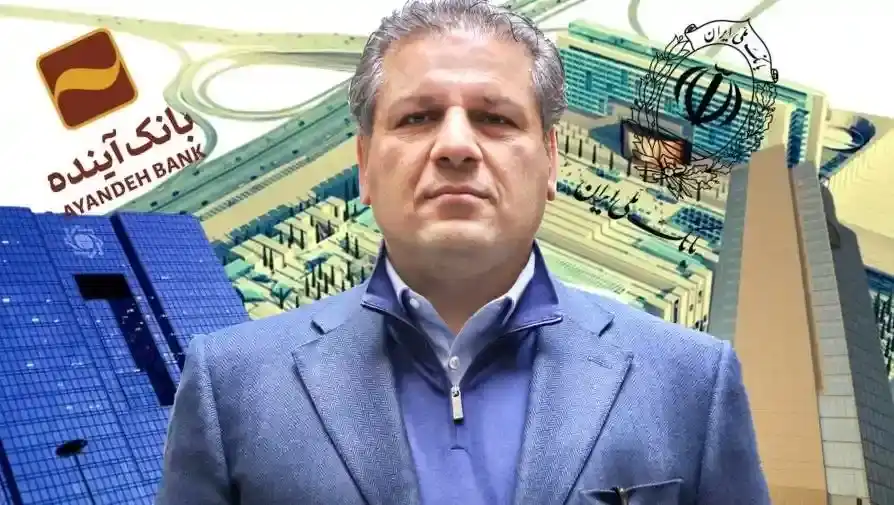
57-летний Ансари в прошлом году был признан британскими властями «коррумпированным иранским банкиром и бизнесменом» и подвергнут санкциям за «финансирование» деятельности Корпуса стражей исламской революции Ирана (КСИР). Внутри Ирана обширная бизнес-сеть Ансари сделала его одним из самых выдающихся частных предпринимателей.
Сообщается, что в детстве его отец присоединился к重建委员会, финансируемому офисом верховного лидера, которое отвечало за ремонт религиозных объектов, эта работа позволила отцу Ансари познакомиться с высокопоставленными священнослужителями, включая членов ближнего круга Хаменеи. Кроме того, Ансари enlisted near the end of the Iran-Iraq war, также завязал «боевую дружбу» с Моджтабой, сыном тогдашнего президента Ирана Хаменеи. На похоронах отца Ансари в июне 2025 года присутствовали семья верховного лидера и старшие советники, что подчеркивает持续ные тесные отношения между семьей Ансари и иранским руководством.
После окончания ирано-иракской войны Ансари постепенно стал восходящим предпринимателем Ирана. В 2009 году он основал банк TAT, а затем в 2013 году путем слияния создал банк Аянде (Ayandeh Bank). По замыслу Ансари, этот банк в 2018 году официально начал строительство роскошного торгового центра под названием «Иран Молл» (Iran Mall). Iran Mall называют крупнейшим торговым центром в мире, и на этапе начала строительства он также установил рекорд Гиннеса по самой длинной непрерывной заливке бетона.
В прошлом году банк Аянде обанкротился из-за долгов, внутреннего кредитования и обвинений в финансовой пирамиде, а также споров, вызванных тесными политическими связями с officialsами, и был并入 Национальный банк Ирана. На публичном уровне Ансари был основным акционером банка Аянде. Но, по словам осведомленных источников, Моджтаба был ключевой фигурой в operations банка Аянде и проекта торгового центра. Сообщается, что Ансари私下 встречался с Моджтабой в фешенебельном жилом районе Тегерана и多次 использовал офис Аянде для秘密 переговоров.
По словам осведомленных источников, по мере расширения коммерческой империи Ансари внутри Ирана его роль в качестве финансового канала Моджтабы за рубежом также становилась все более значительной — он established банковские отношения по всей Европе и переводил прибыль от экспорта нефти через сложную сеть компаний в ОАЭ. По словам американских officials и осведомленных источников, санкции вынудили большую часть сырьевых сделок Национальной иранской нефтяной компании (NIOC) перейти в непрозрачные каналы, с участием shell companies, посредников и нерегулярных traders.
Следуя по сложной сети компаний, группа Ансари разместила за рубежом огромную империю коммерческой недвижимости. Bloomberg отследил, что эта сеть владеет только в Лондоне более than a dozen объектами недвижимости, а также несколькими пятизвездочными отелями в финансовом центре Германии Франкфурте и в Испании.
«Иранское правительство пытается закрепиться в немецкой финансовой системе», — заявила заместитель мэра Франкфурта Наргис Эскандари-Грюнберг, родившаяся в Тегеране и长期 критиковавшая руководство Исламской Республики Иран: «Они злоупотребляют нашей системой».
Пост верховного лидера обостряет борьбу за власть в Иране
От политического и военного влияния до развертывания финансовых сетей, Моджтаба втайне подготовил все для наследования власти верховного лидера.
Однако long-time скрытный Моджтаба также сталкивается с инакомыслием. По сообщению Iran International, группа противников в прошлую среду связалась с председателем Меджлиса и членами руководящего комитета, они предупредили, что наследование Моджтабы может вызвать обеспокоенность общественности по поводу наследования руководства и того, что Исламская Республика станет похожей на монархическое государство.
Один член парламента во время разговора с председателем и руководством Меджлиса заявил: «Аятолла Али Хаменеи не одобрял идею назначения его сына на руководящую должность и при своей жизни никогда не允许ал поднимать этот вопрос». Кроме того, некоторые члены заявили, что у Моджтабы нет установленного, публичного религиозного и правового статуса, поэтому выбор его на пост высшего факиха страны (Vali-ye Faqih) lacks религиозной легитимности. Эти представители оппозиции призвали Моджтабу снять свою кандидатуру, в противном случае процесс выборов может быть признан «недействительным».
В условиях increasing расхождений в сообщениях и тупиковой ситуации, Совет по целесообразности Ирана решил приостановить работу Совета экспертов (орган, ответственный за выбор верховного лидера согласно конституции) и передать власть временному руководящему органу. Согласно статье 111 Конституции Ирана, это изменение повысило статус президента Ирана Масуда Пезешкиана до уровня верховного литора, наделив его многими полномочиями верховного литора, включая командование вооруженными силами.
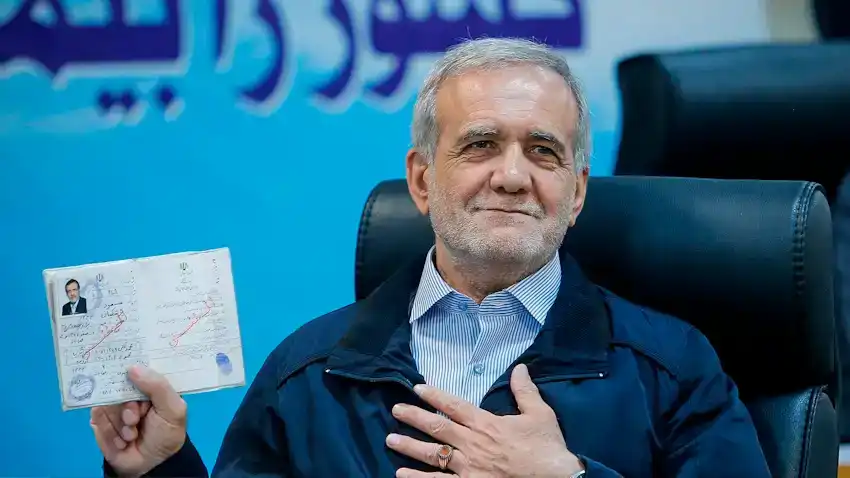
Но Пезешкиану явно не хватает способности контролировать ситуацию. 7 марта этот президент Ирана заявил, что Временный руководящий комитет одобрил решение не осуществлять атаки или ракетные удары по соседним странам. Однако несколько стран Персидского залива все же подверглись ударам беспилотников. Пезешкиан, подвергшись критике со стороны других иранских лидеров-твердолобых, также отозвал свое заявление с извинениями.
Очевидно, что Корпус стражей исламской революции Ирана по-прежнему играет ключевую роль в войне и внутренней политике, а также глубоко вовлечен в выдвижение и утверждение преемника власти. Несмотря на конституционную чувствительность и сопротивление со стороны部分 религиозных учреждений, организация твердо поддерживает Моджтабу. По словам источников, командующие Корпуса напрямую связывались с членами и лоббировали, оказывая угрожающее давление, пытаясь убедить представителей оппозиции.
А для Моджтабы, начинающего с руин эпохи его отца, этого нового лидера, long-time появлявшегося с обликом твердолобого. Пережив事件, когда и его отец, и жена погибли в результате авиаударов, возможно, ему будет труднее пойти на任何 компромисс.
Однако, поскольку Израиль и США рассматривают угрожающего преемника как «явную цель для устранения», если Моджтаба будет настаивать на исламском принципе «жизнь за жизнь» (кисас), он必然 столкнется с большим риском; но если он примет требования Трампа и изменит политику, это будет означать отказ от политического наследия его отца за 37 лет.
Сегодня Исламская Республика Иран, погруженная в войну и экономический кризис, находится на перепутье.







