Громкое дело Маска против OpenAI наконец-то дождалось выступления Ильи!
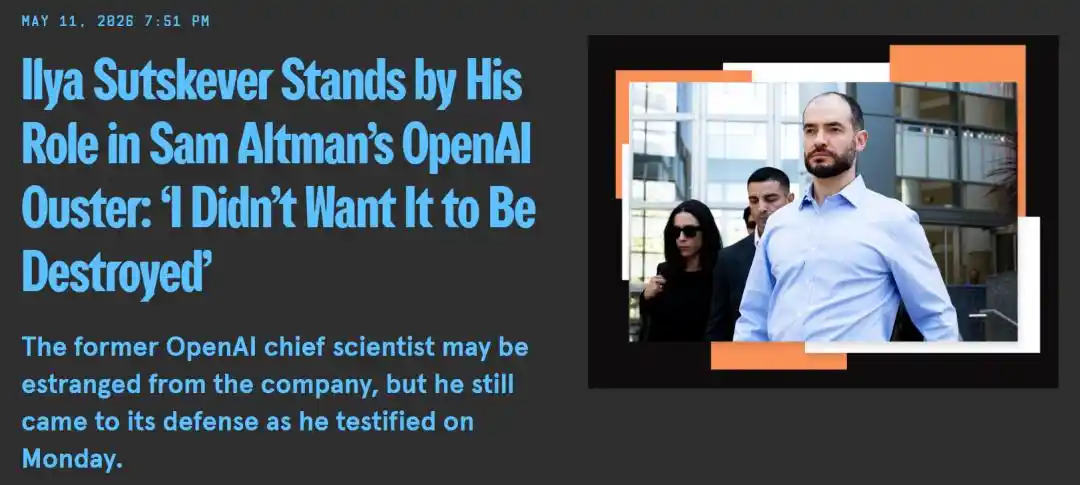
11 мая 2026 года, Федеральный суд Окленда, Калифорния.
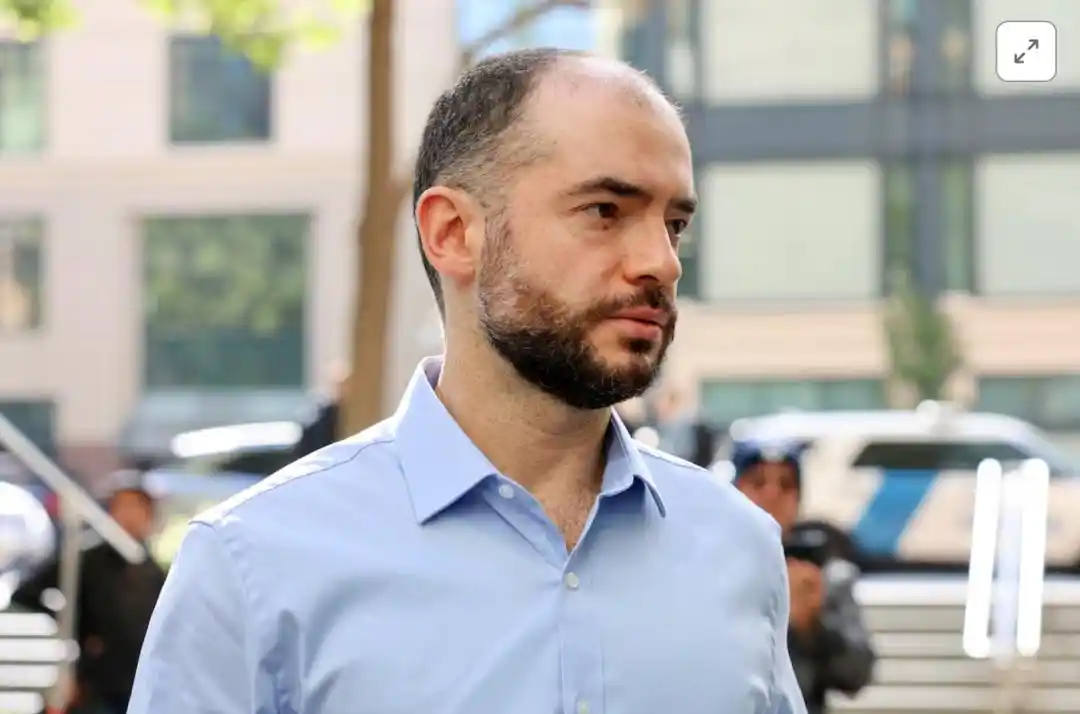
Когда тот гениальный ученый с кудрявыми волосами и слегка меланхоличным выражением лица, Илья Суцкевер, медленно поднялся на свидетельскую трибуну, все присутствующие затаили дыхание.
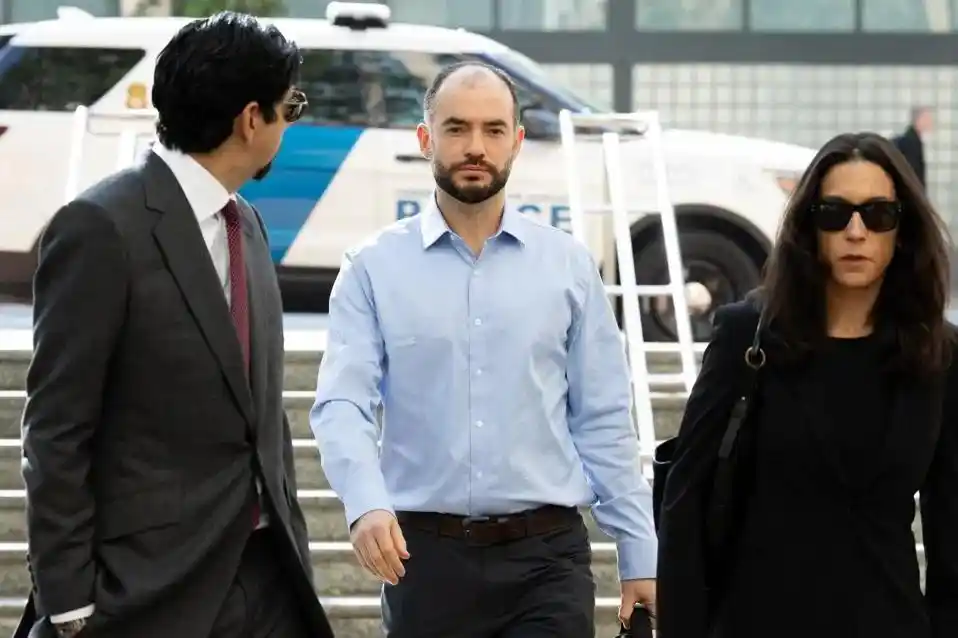
Где бы Илья ни появлялся, он привлекал всеобщее внимание, и уж тем более здесь, на слушаниях по иску Маска против OpenAI.
На этот раз Илья — уже не тот, кто извинялся в социальных сетях со словами «я глубоко сожалею», а мститель, вернувшийся с «бомбой».
Он не только лично подтвердил склонность Олтмена ко лжи, но и раскрыл миру черную дыру власти под роскошной оболочкой OpenAI.
Это финальная глава «дворцовых интриг в сфере ИИ», которая войдет в историю.
Этот процесс может определить будущее OpenAI — компании, готовящейся к IPO на триллион долларов с оценкой в 850 миллиардов долларов.
Олтмен сам выступит в суде, возможно, уже во вторник.
«Доказательства лжи» на 52 страницах: Олтмен в глазах того самого человека
«Он систематически лжет, сеет раздор среди руководителей, разрушает корпоративное управление».
Когда Илья произнес эти слова под присягой, лица нынешнего руководства OpenAI на скамье подсудимых посерели.
Это уже не слухи, а показания бывшего главного ученого OpenAI в суде.
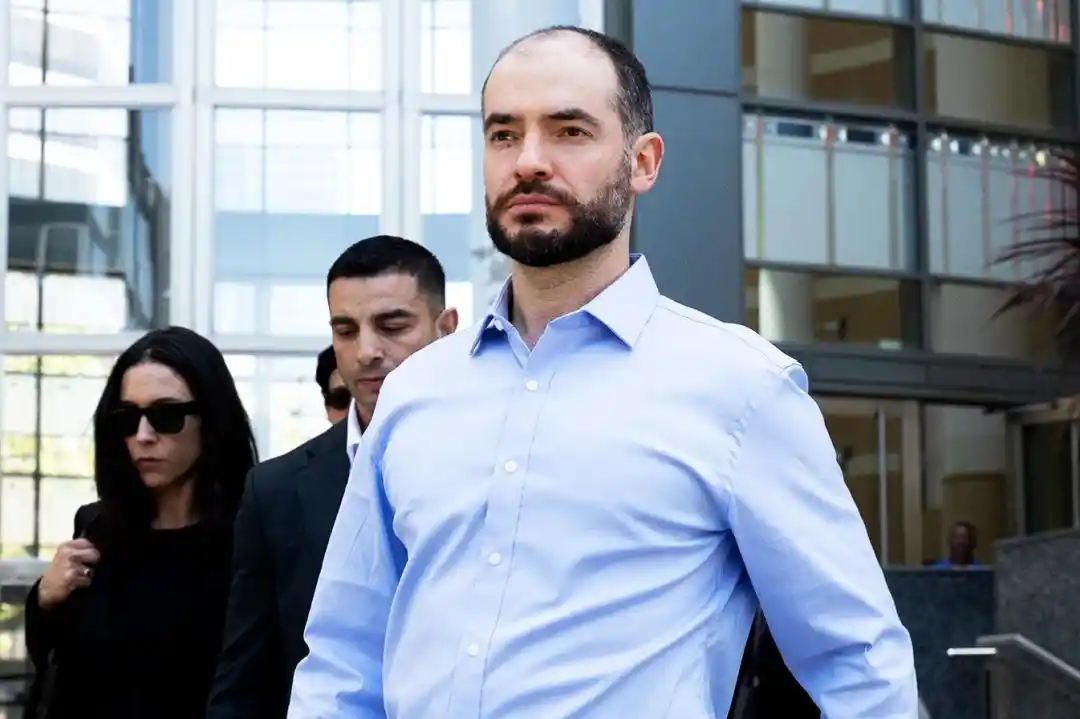
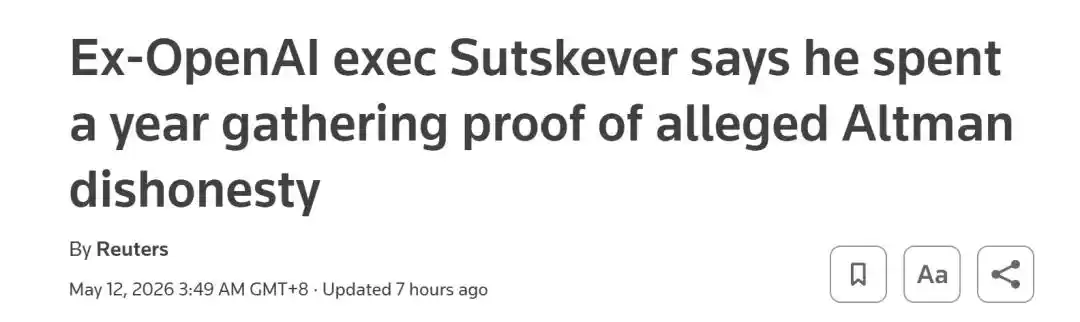
На этот раз Илья раскрыл ранее неизвестную шокирующую деталь: до потрясшего весь мир «ноябрьского переворота» 2023 года он тайно собирал улики целый год.
Этот файл с доказательствами составляет 52 страницы.
В этом «полном собрании компромата на Олтмена» подробно описаны его повседневные манипуляции властью.
Например, его любимая тактика — сеять рознь.
Он часто создавал конфликты между техническим директором Мирой Мурати и другими руководителями, заставляя их подозревать друг друга, чтобы утвердить свой абсолютный авторитет.
Кроме того, он очень искусно манипулировал информацией.
Илья заявил под присягой, что Олтмен создал среду, в которой «руководители не могли получать правильную информацию». В такой обстановке любые серьезные обсуждения безопасности ИИ Олтмен размывал ложными рыночными перспективами.
На этот раз Илья прямо заявил, что поведение Олтмена «не способствует достижению никаких грандиозных целей», особенно разработки безопасного ИИ общего уровня (AGI).
«Я потратил год на наблюдение и размышления и в итоге решил, что его увольнение было оправданным».
Тон Ильи был ровным, но каждое слово било в цель. Он признался, что не раз подробно обсуждал поведение Олтмена с Мурати, и оба они испытывали глубокое беспокойство.
«Предатель» за 7 миллиардов: дорогая цена идеалиста
Следующий момент стал еще одной кульминацией слушаний.
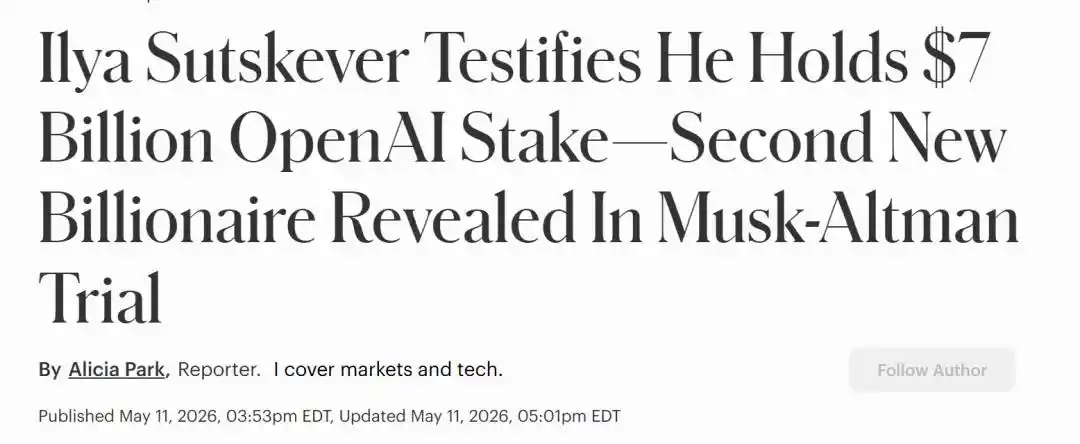
Как сооснователь OpenAI, Илья всегда считался «чистым ученым». Но когда судья спросил о стоимости его доли, цифра ошеломила зал: 7 миллиардов долларов.
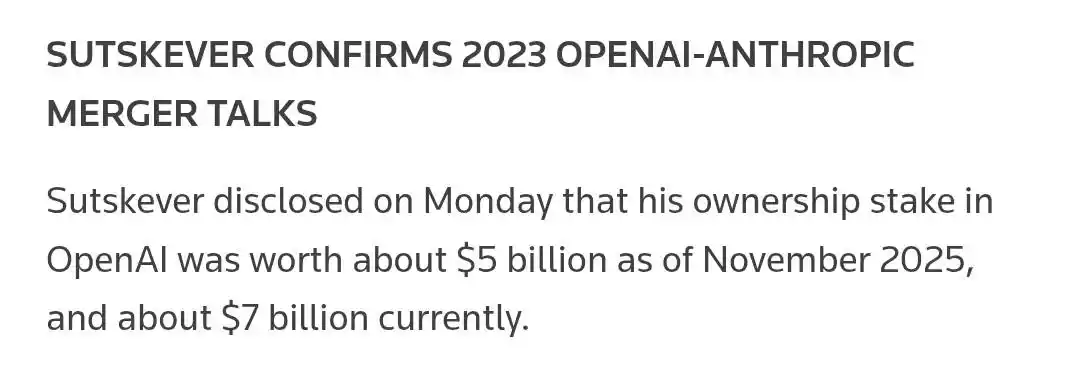
Всего неделей ранее президент OpenAI Грег Брокман признал, что владеет акциями на сумму 30 миллиардов долларов.
А Олтмен, которого Маск обвинил в «ослеплении жаждой наживы», оценивается примерно в 3,5 миллиарда долларов (в основном за счет его внешних инвестиций).
Возникла ирония: эти некогда провозглашавшие себя «некоммерческими» адепты стали самыми быстро богатеющими людьми в истории человечества.
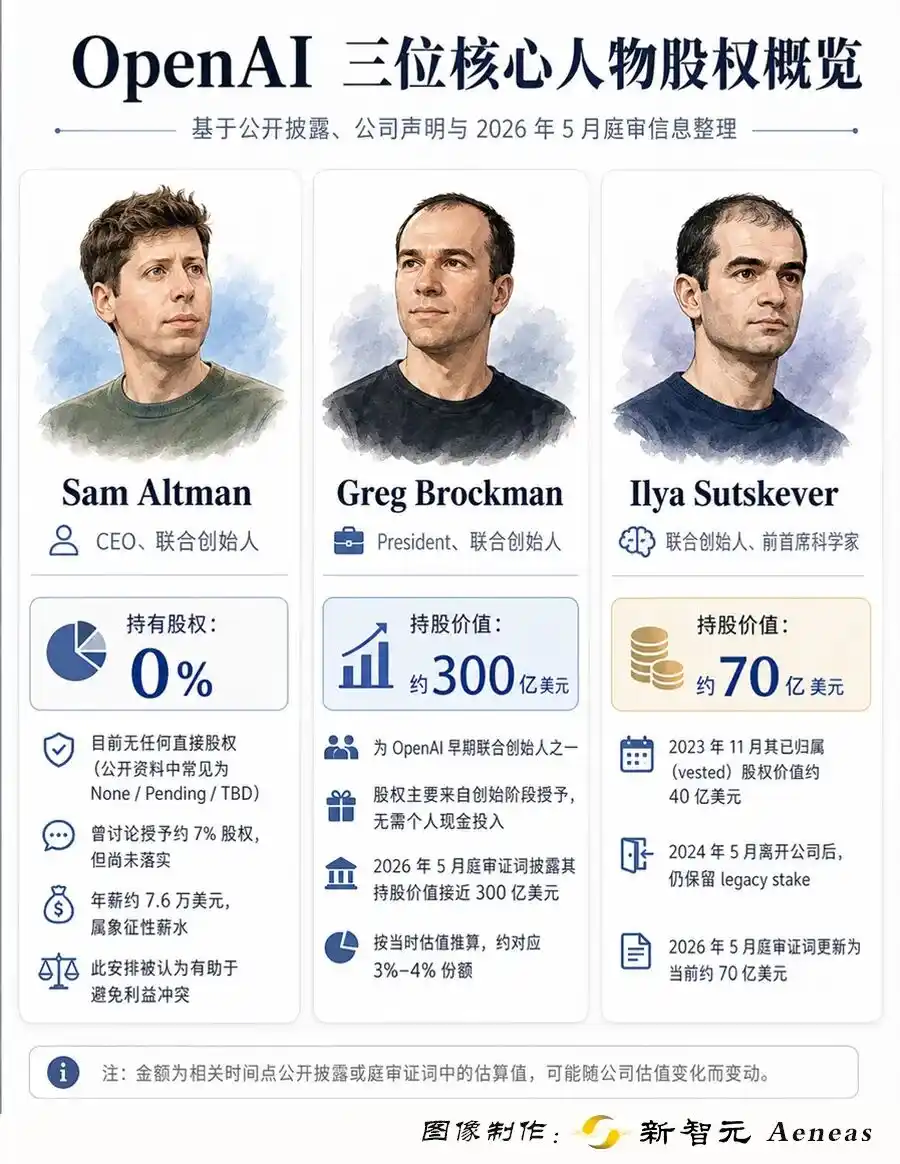
Но Илья в зале суда проявил почти трагическое противоречие.
Он упомянул, что когда-то, чтобы присоединиться к OpenAI, отказался от продления контракта с Google на 6 миллионов долларов в год — тогда эта сумма казалась ему «астрономической».
Он объяснил, почему в тот уик-энд, когда произошел переворот, он вдруг круто изменил курс и подписал коллективное письмо с требованием вернуть Олтмена.
«Это была 'молитва отчаявшегося' (Hail Mary)», — тихо сказал Илья. — «Я видел, что компания вот-вот рухнет, Microsoft готова была поглотить нас всех».
Тогда ситуация ухудшалась быстрее, чем кто-либо ожидал. Многие сотрудники заявили, что уйдут с Олтменом. Компании угрожало распадение.
Позже Илья выразил сожаление — не о сборе улик или голосовании за отстранение, а о том, что «участвовал в действиях совета директоров». Он раскритиковал коллег по совету за недостаток опыта, принятие «не очень хороших юридических советов» и чрезмерно поспешные действия.
Когда он произнес эти слова в понедельник в суде, весь зал затих.
«Я испытываю сильное чувство принадлежности к OpenAI. Я чувствую, что вложил в него свою жизнь. Мне просто небезразлично. Я не хочу, чтобы его разрушили».
Панорама мафии OpenAI
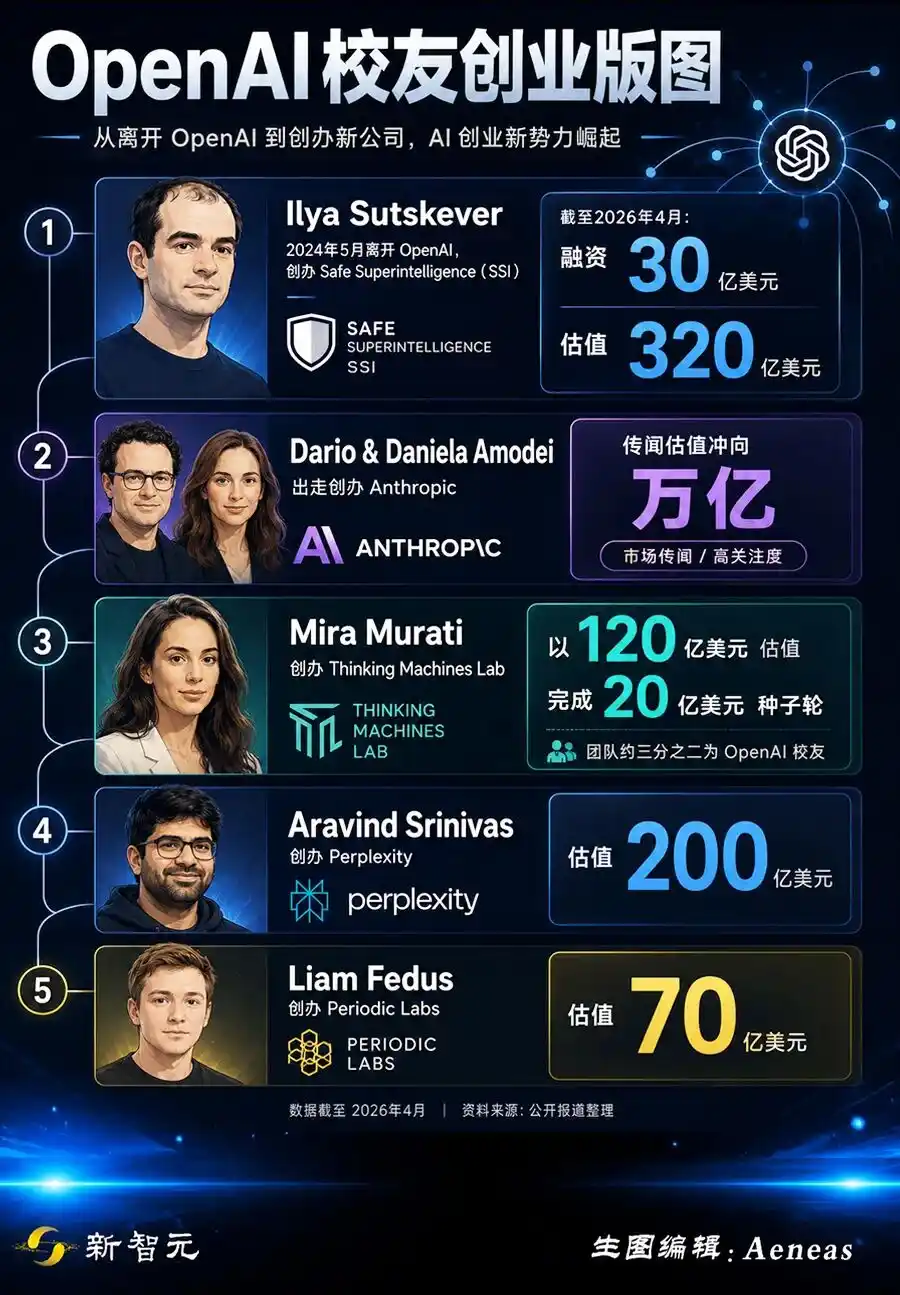
Более того, этот процесс заодно приоткрыл панораму «банды OpenAI».
В мае 2024 года он покинул OpenAI и основал Safe Superintelligence. К апрелю 2026 года эта компания привлекла 3 миллиарда долларов и оценивалась в 32 миллиарда.
Дарио и Даниэла Амодеи ушли и основали Anthropic, слухи о которой оценивают в триллионы.
Мира Мурати основала Thinking Machines Lab, которая в прошлом году завершила раунд seed-финансирования на 2 миллиарда долларов при оценке в 12 миллиардов, две трети команды — выпускники OpenAI.
Аравинд Шринивас основал Perplexity с оценкой в 20 миллиардов. Лиам Федус основал Periodic Labs с оценкой в 7 миллиардов.
Примечательно, что причины ухода этих людей были разными, но почти каждая из них была связана со стилем руководства Олтмена.
Чуть не состоявшееся слияние с Anthropic
Показания Ильи касались не только Олтмена.
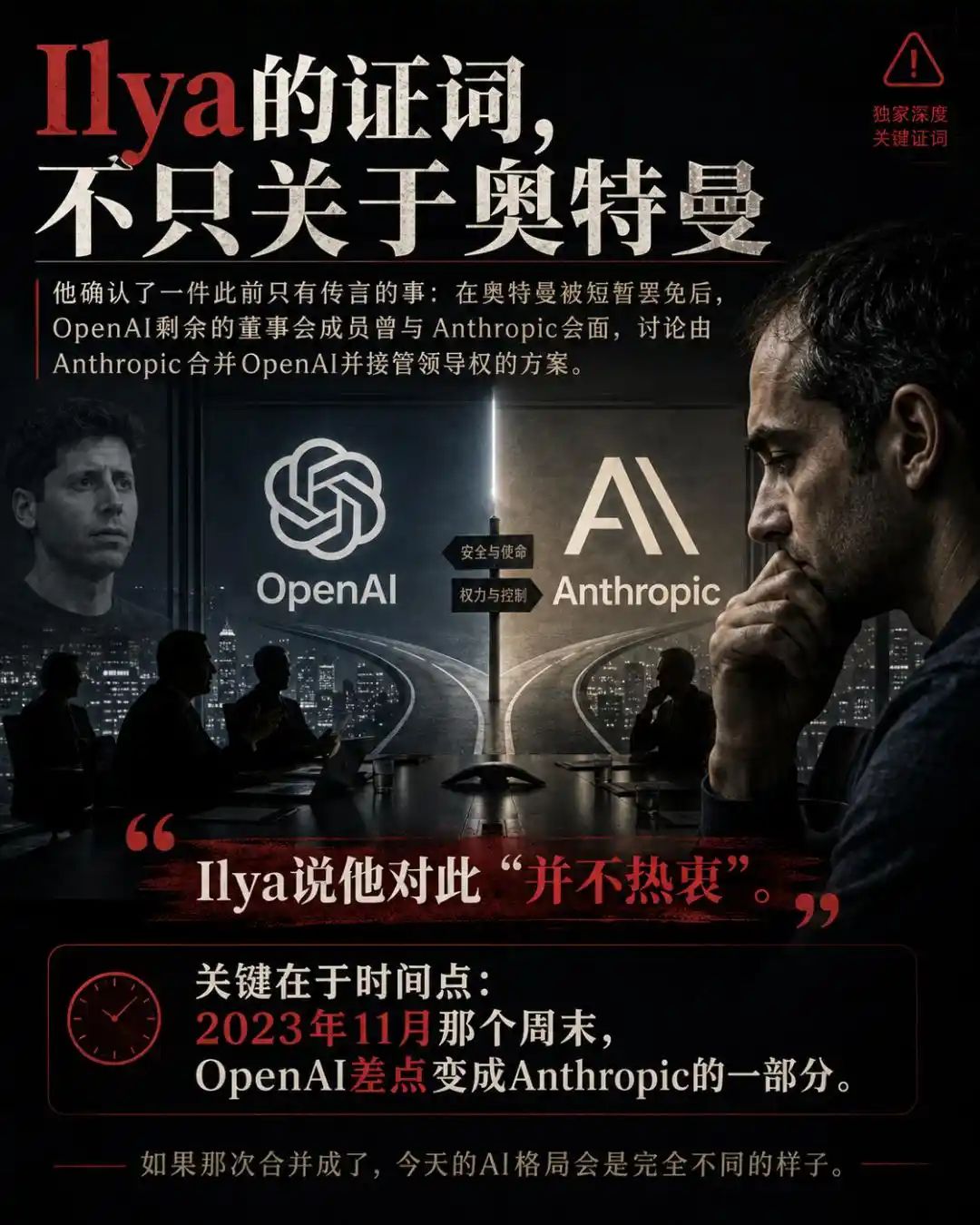
Он подтвердил то, о чем раньше лишь ходили слухи: после кратковременного отстранения Олтмена оставшиеся члены совета директоров OpenAI встречались с Anthropic и обсуждали план слияния OpenAI с Anthropic и передачи ей лидерства.
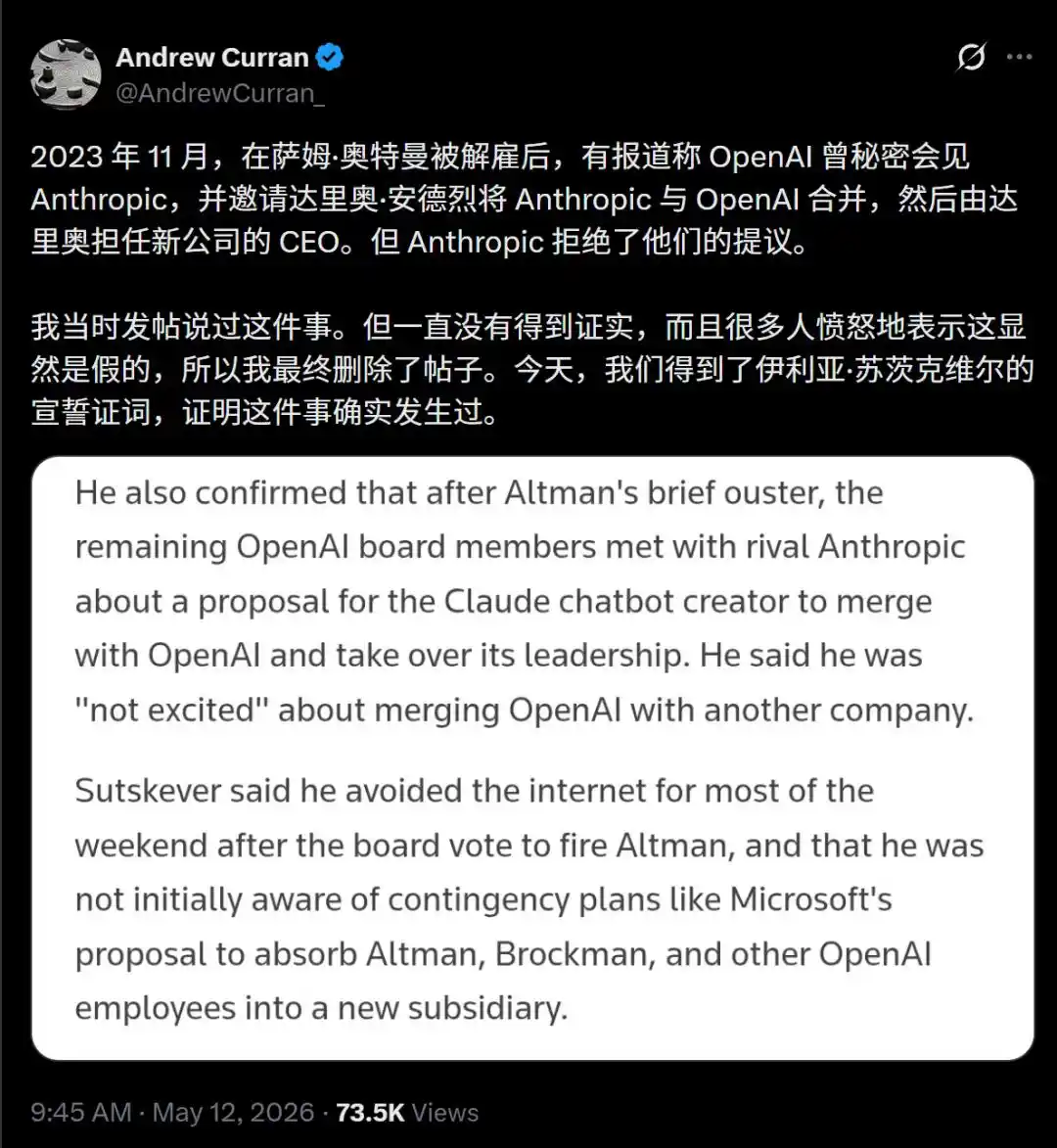
Илья сказал, что он к этому «не питал энтузиазма».
Убийственная деталь здесь — момент времени: в тот ноябрьский уик-энд 2023 года OpenAI чуть не стал частью Anthropic.
Если бы это слияние состоялось, сегодняшняя картина в сфере ИИ была бы совершенно иной.
Тень Microsoft: амбиции Наделлы по захвату власти
Если Илья обнажил внутреннее гниение, то следующий на сцене генеральный директор Microsoft Сатья Наделла продемонстрировал холодную логику капитала.
Наделла назвал тогдашние события по отстранению «amateur city» (непрофессиональной ерундой) и заявил, что ему «так и не дали четкого объяснения».
Но судебные документы выявили и другую сторону самого Наделлы.
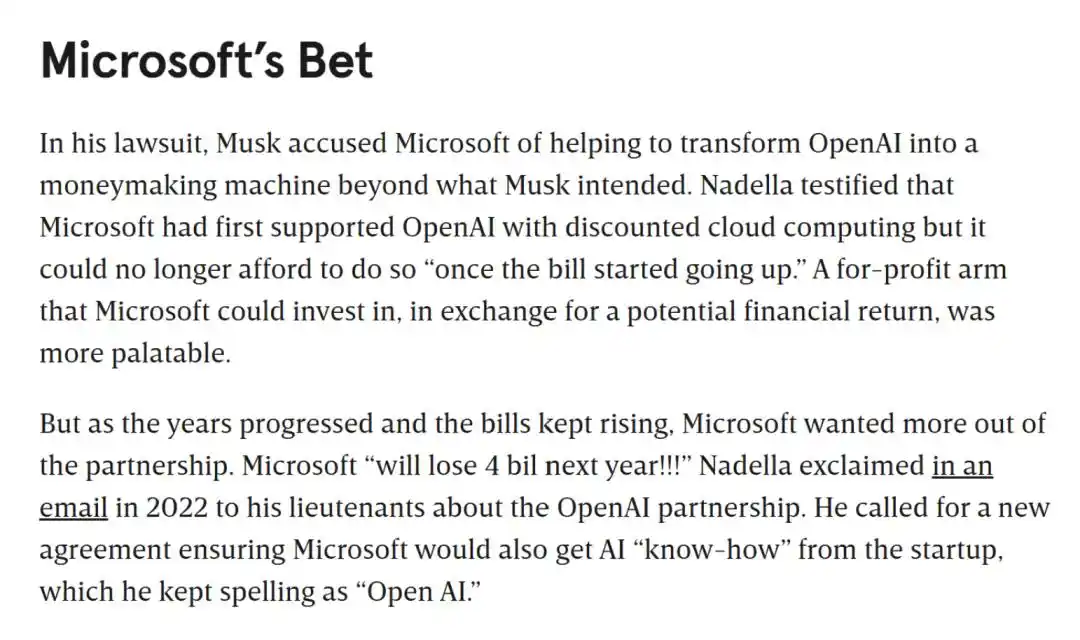
Опубликованное судом электронное письмо 2022 года показывает, как Наделла яростно кричал на подчиненного: «Если мы вложили столько денег и не имеем контроля, это совершенно бессмысленно!»
Под давлением адвокатов Маска Наделла признал, что когда в 2023 году произошел переворот, Microsoft уже подготовила список из 14 человек для «совета по управлению переходным периодом» и фактически использовала «право вето» в отношении новых членов совета директоров OpenAI.
Что еще более взрывоопасно, Наделла в начале 2023 года отправлял Олтмену одно за другим сообщения с требованием: «Как можно скорее выпусти платную подписку на ChatGPT, чем быстрее, тем лучше».
Две недели спустя он уже спрашивал о количестве регистраций.
Это прямо подтверждает обвинения Маска: OpenAI давно уже не научная лаборатория, а «IT-отдел» Microsoft и машина для монетизации.
И это как раз ядро обвинений Маска — OpenAI отклонилась от своей некоммерческой миссии.
Гнев Маска: мечта, которую «кинули»?
Маск, сидящий в зале, возможно, улыбался сложной улыбкой.
Суть этого процесса заключается в следующем: не воспользовался ли Олтмен ложными обещаниями «некоммерческой» деятельности, чтобы выманить у Маска первоначальные инвестиции и поддержку бренда, а затем перепродал результаты Microsoft?
Хотя в своих показаниях Илья не встал полностью на сторону Маска (он отрицал, что когда-либо обещал Маску, что OpenAI никогда не будет коммерческой), его критика личности Олтмена, несомненно, предоставила иску Маска самые сильные боеприпасы.
Илья упомянул, что в свое время он также выступал против предложения Маска о слиянии OpenAI с Tesla, считая Маска слишком «агрессивным».
Основное обвинение Маска заключается в том, что Олтмен и Брокман нарушили обещание о том, что OpenAI навсегда останется некоммерческой организацией, и вместо этого стали стремиться к прибыли.
В этом вопросе показания Ильи, напротив, оказались выгодными для OpenAI.
Он заявил, что «никогда не обещал Маску, что OpenAI останется некоммерческой».
Он произнес фразу, которая, вероятно, будет часто цитироваться: «Миссия OpenAI важнее, чем ее некоммерческая или коммерческая структура».
К настоящему моменту в этом судебном процессе не осталось абсолютных героев. Это больше похоже на самую грязную схватку группы гениев на пути к пьедесталу из-за интересов, власти и права определять будущее человечества.
Финал близок: OpenAI или OpenMoney?
Слушания продолжаются.
В этот вторник в суде лично выступит Олтмен.
Текущая ситуация крайне опасна для OpenAI.
Если судья в конечном итоге постановит, что OpenAI нарушила первоначальный некоммерческий договор, ее прибыльная структура с оценкой в 850 миллиардов долларов может столкнуться с реструктуризацией.
Илья просидел на свидетельской трибуне около часа. По наблюдениям репортера Wired, он почти ни с кем не смотрел в глаза.
Этот человек когда-то был душой OpenAI, лидером, который на корпоративах вел сотрудников в крике «Почувствуй AGI».
Теперь он был одет в рубашку без пиджака, выглядел одиноким и подавленным. В суде он сказал: «Я вложил всю свою жизнь в OpenAI, я не хочу, чтобы его разрушили».
Но реальность такова, что тот чистый OpenAI, который он так любил, возможно, умер еще тогда, когда была написана первая страница из 52 страниц улик.
Этот процесс судит не об успехе или провале компании, а о ключевом противоречии современной Кремниевой долины: когда технологии, ведущие к божественной власти (AGI), сталкиваются с предельной человеческой жадностью, можем ли мы еще сохранить последнюю честность?
В следующий четверг судья заслушивает заключительные аргументы.
И право определять будущее ИИ для человечества, возможно, будет незаметно переписано на этих нескольких страницах показаний.
Источники:
https://www.reuters.com/business/former-openai-executive-sutskever-discloses-nearly-7-billion-stake-ai-firm-2026-05-11/
https://www.forbes.com/sites/aliciapark/2026/05/11/Ilya-sutskever-testifies-he-holds-7-billion-openai-stake-second-new-billionaire-revealed-in-musk-altman-trial/
https://www.wired.com/story/Ilya-sutskever-testifies-musk-v-altman-trial/
Эта статья из официального аккаунта WeChat «Синьчжиюань» («Новая эра интеллекта»), автор: Синьчжиюань, редактор: Aeneas