Автор: Цзинь Гуанхао
Недавно я побывал на встрече, посвященной ИИ, в Шанхае.
На мероприятии обсуждалось много вопросов, связанных с внедрением ИИ.
Но больше всего меня впечатлил метод обучения, которым поделился один опытный инвестор.
Он сказал, что этот метод спас его и изменил его критерии оценки людей при инвестировании.
В чем же он заключается? В умении «задавать вопросы».
Когда вас заинтересует какой-то вопрос, общайтесь с DeepSeek, говорите до тех пор, пока он не сможет ответить.
Этот прием «бесконечного допроса» тогда меня очень впечатлил, но после мероприятия я о нем забыл.
Не попробовал и не вспоминал.
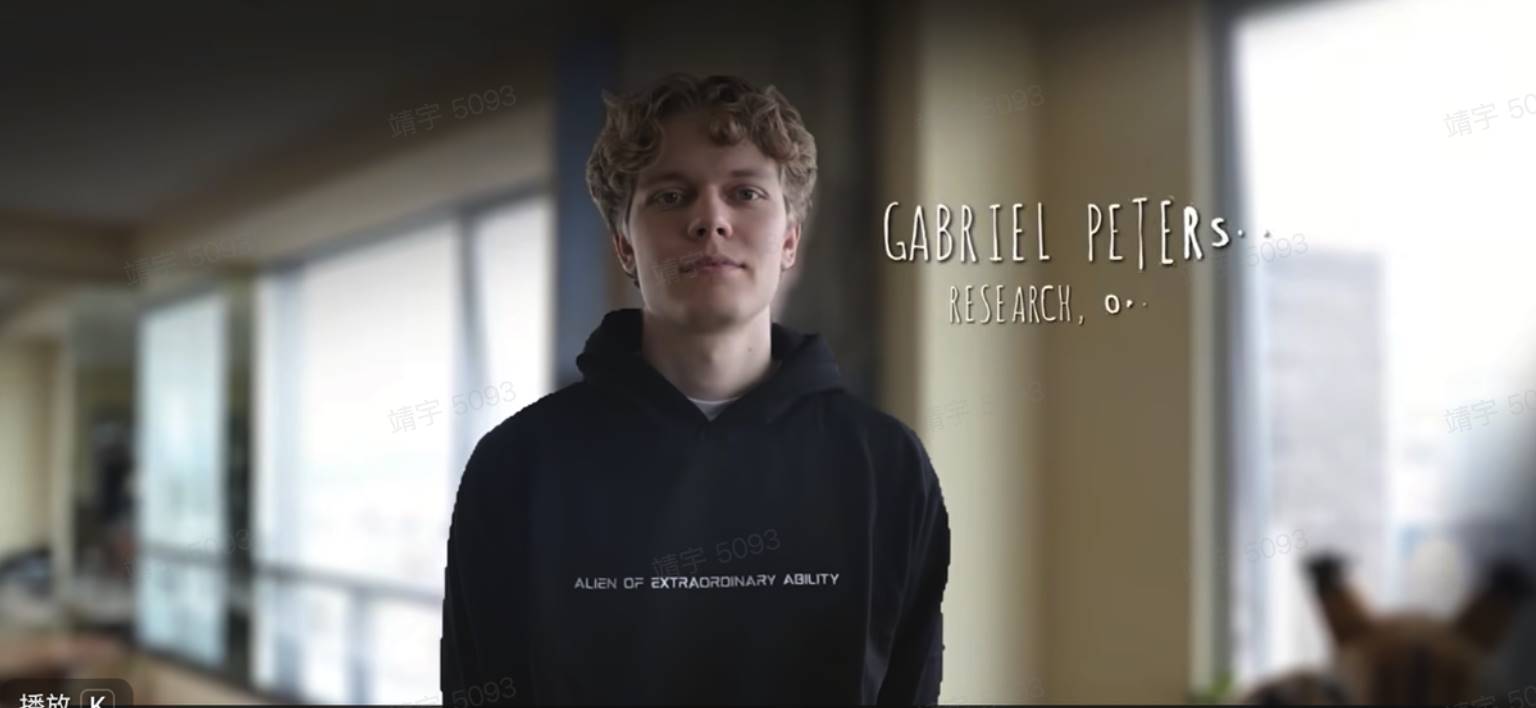
До недавнего времени, когда я наткнулся на историю Габриэля Петерссона, который бросил школу, учился с помощью ИИ и попал в OpenAI.
Только тогда я осознал, что на самом деле означает «допрашивать до конца» в эту эпоху ИИ.
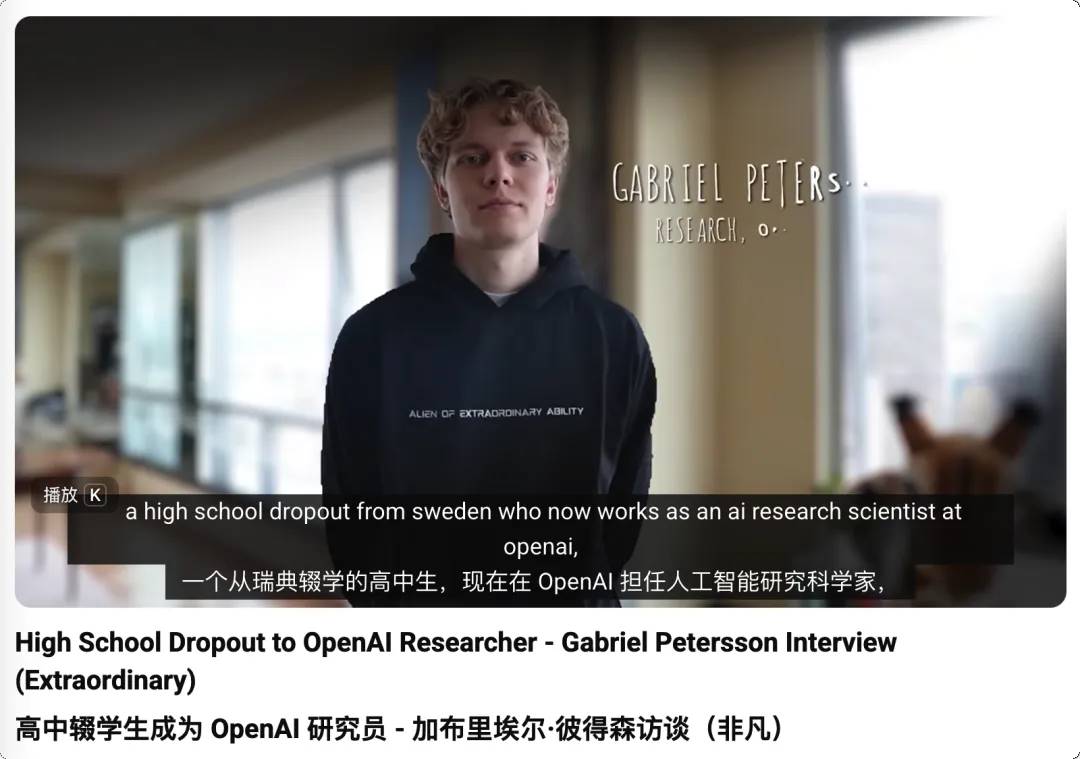
Подкаст с Габриэлем | Источник изображения: YouTube
01 «Бросил школу» и пробился в исследователи OpenAI
Габриэль из Швеции, он бросил школу, не доучившись.
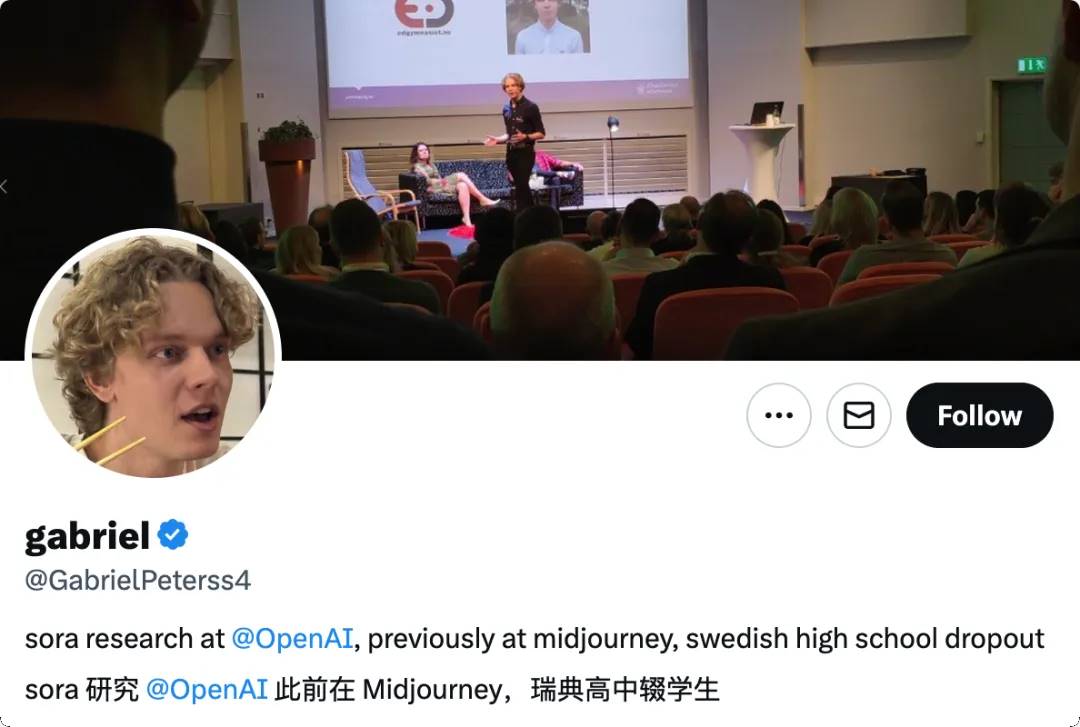
Страница Габриэля в соцсетях | Источник изображения: X
Раньше он считал себя слишком глупым для работы, связанной с ИИ.
Переломный момент наступил несколько лет назад.
Его двоюродный брат основал в Стокгольме стартап, занимающийся системами рекомендаций товаров для электронной коммерции, и позвал его помочь.
Так Габриэль и оказался там, без технического образования и без сбережений, в начале创业他甚至整整 год спал на диване в общей гостиной компании.
Но за этот год он многому научился. Не в школе, а под давлением реальных проблем: программирование, продажи, интеграция систем.
Позже, чтобы оптимизировать эффективность обучения, он перешел на работу по контракту, что позволило ему более гибко выбирать проекты, сотрудничать с лучшими инженерами и активно искать обратную связь.
При подаче заявления на американскую визу он столкнулся с尴尬тной проблемой: для такого типа виз требуется доказательство «исключительных способностей» в данной области, обычно необходимы академические публикации, цитирования и т.д.
Как это может быть у недоучившегося школьника?
Габриэль нашел выход: он собрал свои качественные технические посты, опубликованные в сообществе программистов, в качестве альтернативного доказательства «академического вклада». Иммиграционная служба приняла это.
Приехав в Сан-Франциско, он продолжил самостоятельно изучать математику и машинное обучение с помощью ChatGPT.
Сейчас он научный сотрудник OpenAI, участвует в создании видео-модели Sora.
Услышав это, вам наверняка интересно, как ему это удалось?

Мнение Габриэля | Источник изображения: X
02 Рекурсивное восполнение знаний: нестандартный метод обучения
Ответ — «бесконечный допрос», найти конкретную проблему и полностью решить ее с помощью ИИ.
Метод обучения Габриэля противоположен интуиции большинства людей.
Традиционный путь обучения — «снизу вверх»: сначала основы, потом применение. Например, чтобы изучить машинное обучение, нужно сначала изучить линейную алгебру, теорию вероятностей, математический анализ, затем статистическое обучение, затем глубокое обучение, и только потом можно браться за реальные проекты. Этот процесс может занять несколько лет.
Его же метод — «сверху вниз»: начать прямо с конкретного проекта, решать проблемы по мере их возникновения, обнаруживать пробелы в знаниях и восполнять их.
В подкасте он сказал, что раньше этот метод было трудно推广, потому что нужен был всезнающий учитель, который бы постоянно подсказывал, «что изучать дальше».
Но теперь ChatGPT и есть этот учитель.
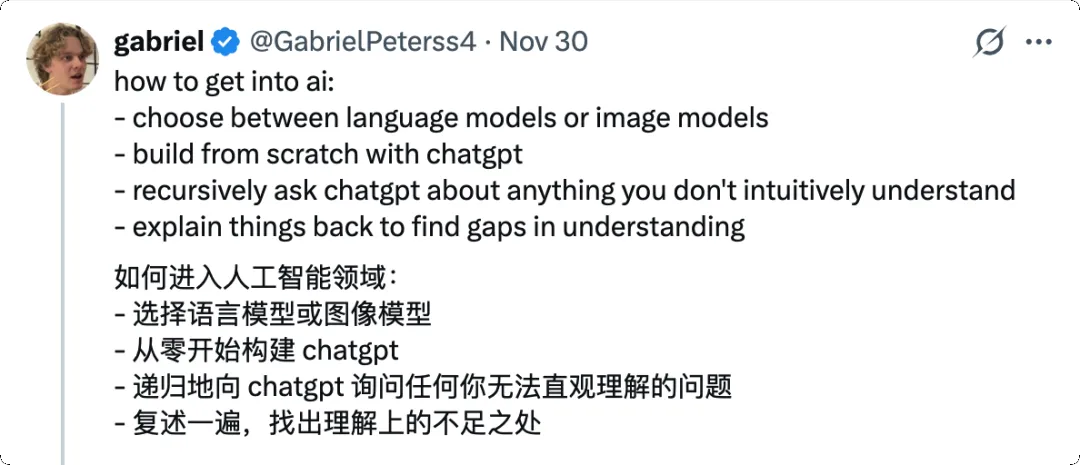
Мнение Габриэля | Источник изображения: X
Как именно это работает? Он привел пример: как изучить диффузионные модели.
Первый шаг: начать с макро-концепции. Он спросит у ChatGPT: «Я хочу изучить видео-модели, какая самая ключевая концепция?», ИИ отвечает: автоэнкодеры.
Второй шаг: код в первую очередь. Он просит ChatGPT написать код диффузионной модели. Сначала многое непонятно, но это не страшно, сначала запустим код. Если он запустится, появится основа для отладки.
Третий шаг, самый главный, — рекурсивно задавать вопросы, он будет спрашивать о каждом модуле в коде.
Так, слой за слоем, углубляясь, пока не поймет底层逻辑 полностью. Затем возвращается на уровень выше и продолжает спрашивать о следующем модуле.
Он называет этот процесс «рекурсивным восполнением знаний».
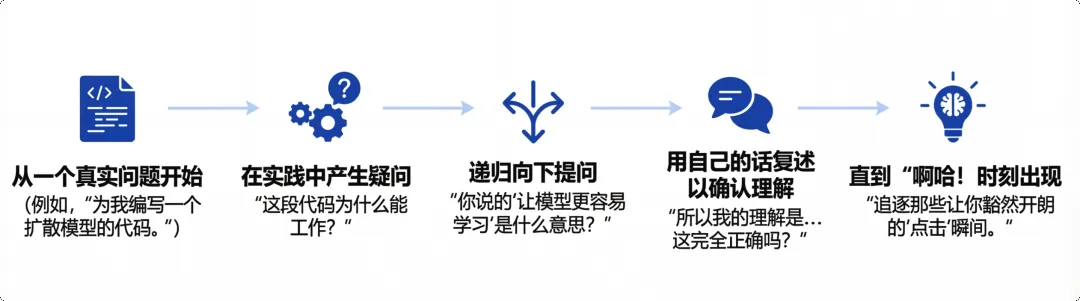
Рекурсивное восполнение знаний | Источник изображения: nanobaba2
Это намного быстрее, чем шестилетнее последовательное обучение, возможно, за три дня можно получить базовое понимание.
Если вы знакомы с сократовским методом вопросов, то обнаружите, что это по сути тот же подход: через层层вопросы приближаться к сути вещей, где каждый ответ является отправной точкой для следующего вопроса.
Только теперь он использует ИИ в качестве того, кого допрашивают, и поскольку ИИ почти всезнающ, он постоянно выражает суть вещей提问者у понятным образом.
Фактически, Габриэль использовал этот метод для «извлечения знаний» из ИИ, постигая суть вещей.
03 Большинство из нас, используя ИИ, на самом деле глупеют
Прослушав подкаст, история Габриэля вызвала у меня вопрос:
Почему он так хорошо учится с помощью ИИ, в то время как многие, используя ИИ, чувствуют, что деградируют?
Это не только мое субъективное ощущение.
Исследование Microsoft Research 2025 года показывает [1], что когда люди часто используют генеративный ИИ, использование их собственного критического мышления заметно снижается.
Другими словами, мы передаем мышление на аутсорсинг ИИ, и наша способность мыслить也随之 сокращается.
Навыки подчиняются принципу «используй или потеряешь»: когда мы используем ИИ для написания кода, способность писать код руками и мозгом незаметно ухудшается.
Рабочий метод «vibe coding» с ИИ кажется очень эффективным, но в долгосрочной перспективе编程навыки самого программиста снижаются.
Вы бросаете задание ИИ, оно выдает код, вы его запускаете, и вам кажется круто. Но если вы отключите ИИ и попробуете написать核心логику вручную, многие обнаружат, что их мозг пуст.
Более крайний пример из медицинской области, в статье по медицине指出 [2], что через три месяца после внедрения ИИ-ассистента навыки врачей в обнаружении при колоноскопии снизились на 6%.
Эта цифра кажется небольшой, но подумайте: это реальные клинические диагностические способности, от которых зависит здоровье и жизнь пациентов.
Итак, вопрос: почему один и тот же инструмент кого-то делает сильнее, а кого-то слабее?
Разница в том, кем вы считаете ИИ.
Если вы рассматриваете ИИ как инструмент, который делает работу за вас, пишет код, статьи, принимает решения, то ваши способности действительно ухудшатся. Потому что вы пропускаете процесс мышления, получая только результат. Результат можно скопировать, но способность мыслить не вырастет сама по себе.
Но если вы рассматриваете ИИ как тренера или наставника, используете его для проверки своего понимания,追问своих слепых зон, заставляете себя прояснять模糊概念: тогда вы фактически используете ИИ для ускорения своего учебного цикла.
Метод Габриэля заключается не в том, чтобы «заставить ИИ учиться за меня», а в том, чтобы «ИИ учился со мной». Он всегда остается тем, кто активно задает вопросы, ИИ лишь提供обратную связь и материал. Каждое «почему» исходит от него самого, каждый уровень понимания он копает сам.
Это напоминает мне старую поговорку: дай человеку рыбу, и он будет сыт один день; научи его ловить рыбу, и он будет сыт всю жизнь.
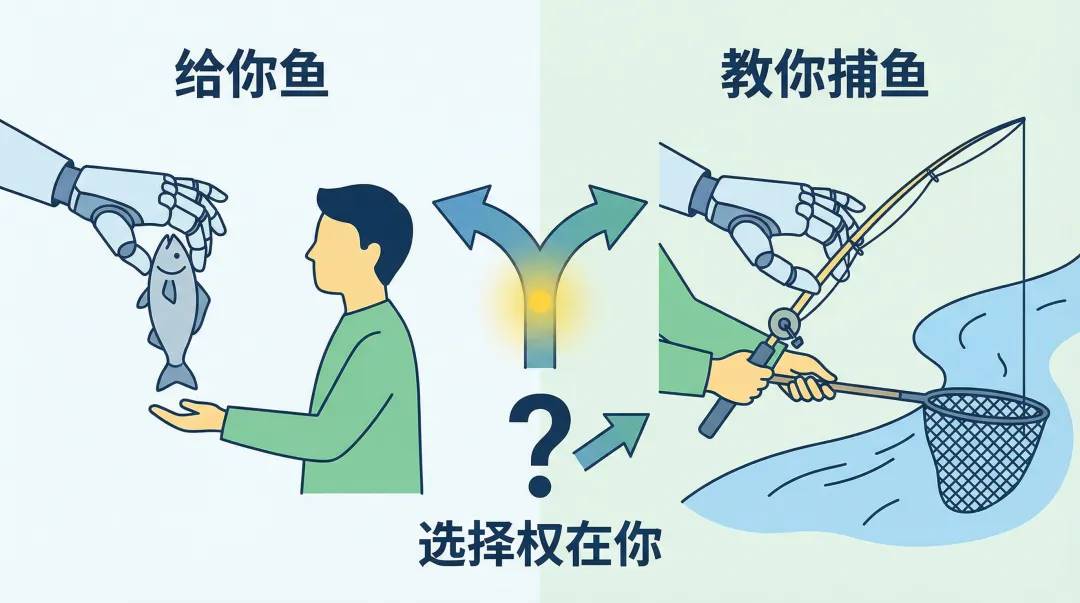
Рекурсивное восполнение знаний | Источник изображения: nanobaba2
04 Некоторые практические выводы
Дойдя до этого момента, некоторые могут спросить: я не занимаюсь исследованиями ИИ и не программист, какая польза от этого метода для меня?
Я думаю, что методологию Габриэля можно абстрагировать в более универсальную пятишаговую框架, с помощью которой каждый может изучить любую незнакомую область через ИИ.
1. Исходите из практических проблем, а не с первой главы учебника.
Чему хотите научиться, сразу начинайте делать,遇到затруднения — восполняйте пробелы.
Так полученные знания имеют контекст и цель, что гораздо эффективнее, чем заучивание概念изолированно.
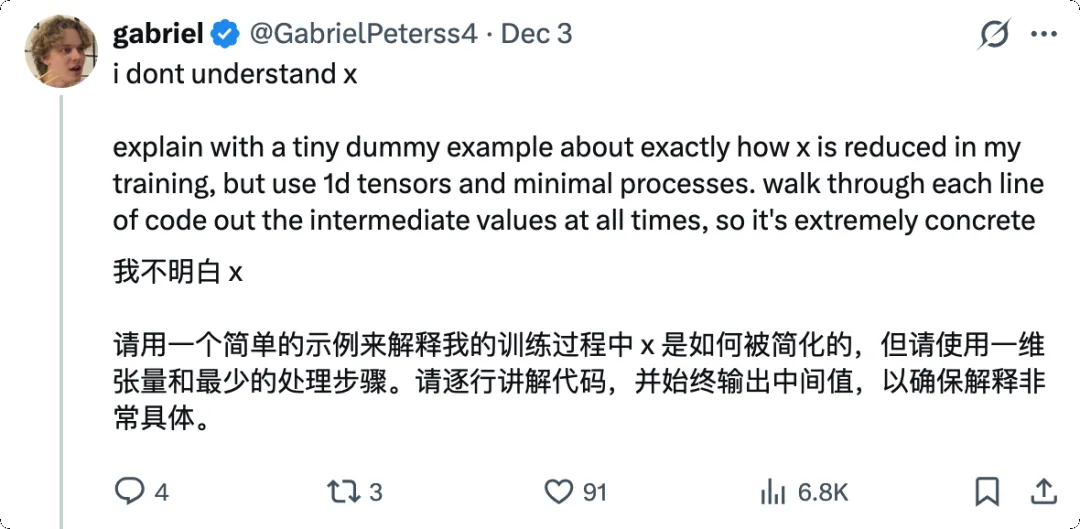
Мнение Габриэля | Источник изображения: X
2. Считайте ИИ бесконечно терпеливым наставником.
Вы можете задавать ему любые глупые вопросы, просить объяснить одну и ту же концепцию разными способами, просить «объяснить, как пятилетнему ребенку».
Он не будет смеяться над вами и не проявит нетерпения.
3. Активно задавайте вопросы, пока не сформируется интуитивное понимание. Не довольствуйтесь поверхностным пониманием.
Можете ли вы пересказать концепцию своими словами? Привести пример, не упомянутый в оригинале?
Объяснить дилетанту? Если нет, продолжайте спрашивать.
4. Здесь есть ловушка, которую нужно остерегаться: у ИИ тоже бывают галлюцинации.
При рекурсивном допросе, если ИИ неправильно объяснил底层понятие, вы можете зайти далеко по неверному пути.
Поэтому на ключевых этапах рекомендуется проводить перекрестную проверку с помощью нескольких ИИ, чтобы确保основа вопросов была прочной.
5. Записывайте процесс вашего допроса.
Это позволит сформировать повторно используемый知识актив: в следующий раз при遇到похожей проблеме у вас будет полный путь размышлений для回顾.
В традиционном представлении ценность инструмента заключается в снижении сопротивления и повышении эффективности.
Но с обучением все наоборот: умеренное сопротивление, необходимое трение являются предпосылкой обучения. Если все слишком гладко, мозг переходит в режим экономии энергии и ничего не запоминает.
Рекурсивный допрос Габриэля по сути создает трение.
Он постоянно спрашивает «почему», постоянно доводит себя до границы непонимания, а затем постепенно заполняет пробелы.
Этот процесс неприятен, но именно эта неприятность позволяет знаниям真正попасть в долговременную память.
05 Будущие профессиональные тренды
В наше время монополия образования рушится, но когнитивный порог незаметно повышается.
Большинство рассматривает ИИ только как «генератор ответов», в то время как очень немногие, like Габриэль, рассматривают ИИ как «тренажер мышления».
На самом деле, подобное использование уже появляется в разных областях.
Например, на Jike я видел, как многие родители используют nanobanana для помощи детям с уроками. Но они не просят ИИ дать прямой ответ, а заставляют ИИ генерировать шаги решения,一步一步показывать процесс размышлений, а затем анализировать логику каждого шага вместе с ребенком.
Так ребенок учится не ответу, а методу решения.
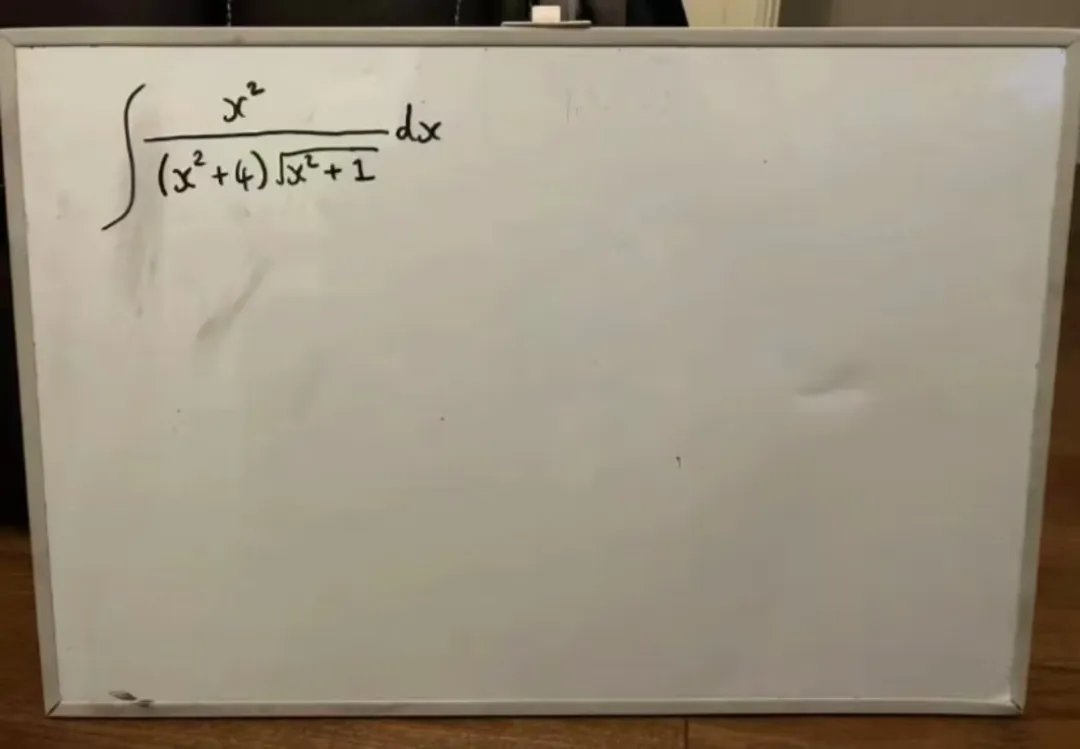
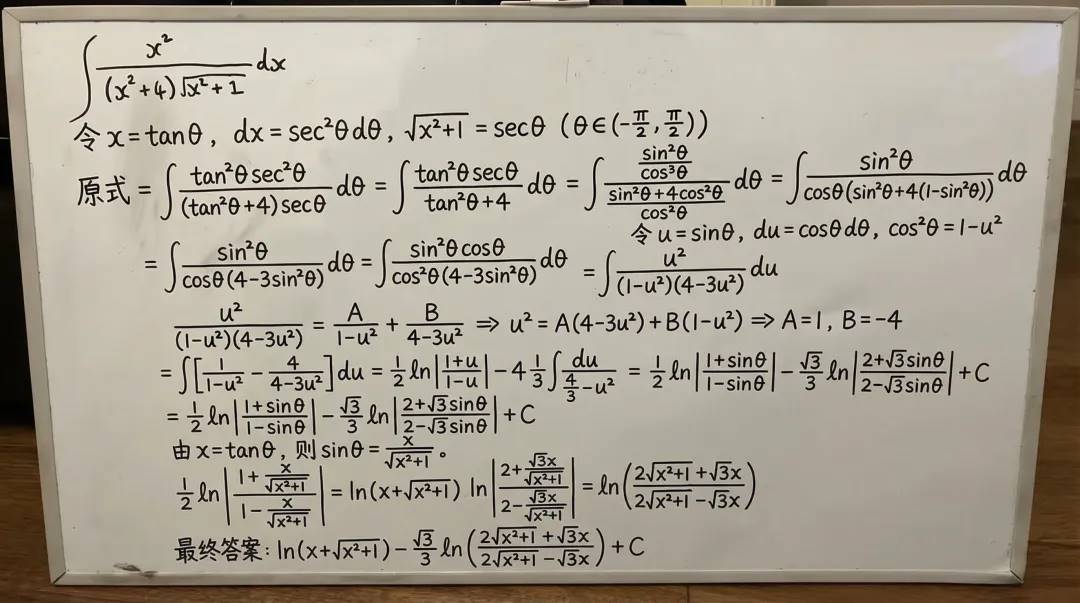
Промпт «Решите данный интеграл и запишите полное решение на доске» | Источник изображения: nanobaba2
Некоторые используют функции Listenhub или NotebookLM, чтобы преобразовать длинные статьи или论文в подкасты, заставив два ИИ-голоса вести диалог, объяснять, задавать вопросы. Кто-то считает это ленью, но другие发现, что после прослушивания диалога и возвращения к оригиналу, эффективность понимания反而выше.
Потому что в процессе диалога естественно задаются вопросы, заставляя вас задуматься: действительно ли я понял этот момент.
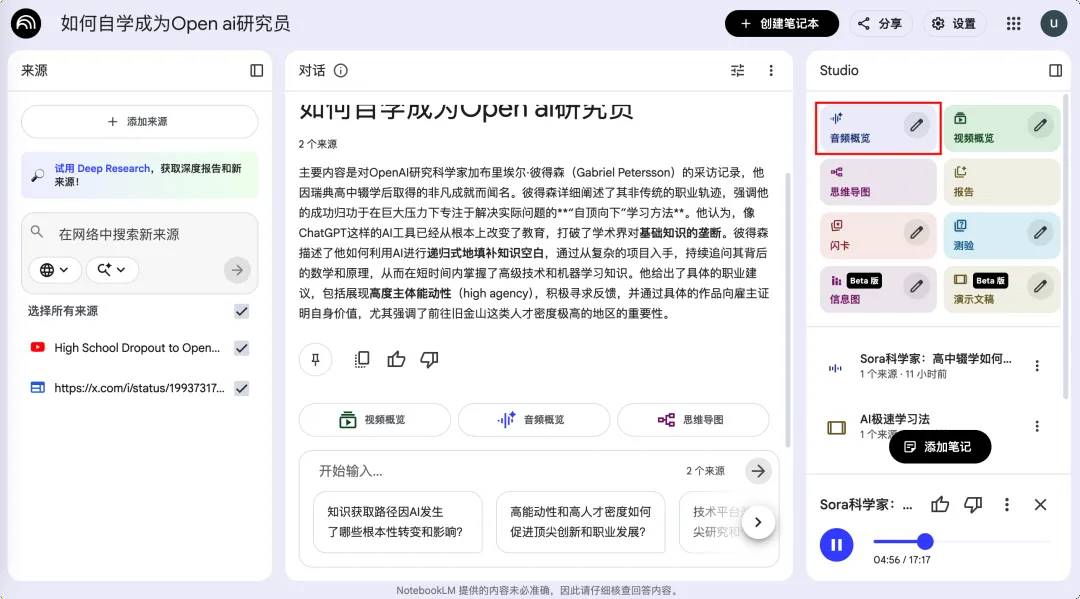
Преобразование подкаста с Габриэлем в подкаст | Источник изображения: notebooklm
Это указывает на будущий профессиональный тренд: глубина в одной области и ширина в других.
Раньше, чтобы создать продукт, нужно было разбираться во фронтенде, бэкенде, дизайне,运维, маркетинге. Теперь вы можете, как Габриэль, использовать метод «рекурсивного заполнения пробелов», чтобы быстро освоить 80% знаний в areas, где вы слабы.
Если вы изначально программист, с помощью ИИ можно восполнить пробелы в дизайне и бизнес-логике и стать产品менеджером.
Если вы изначально хороший создатель контента, с помощью ИИ можно быстро восполнить пробелы в коде и стать独立разработчиком.
Исходя из этого тренда, можно сделать вывод: «Возможно, в будущем появится больше форм «компаний одного человека».
06 Верните себе инициативу
Теперь, думая о словах того инвестора, я понимаю, что он на самом деле хотел сказать.
«Спрашивайте, пока не смогут ответить.»
Эта фраза в эпоху ИИ — отличный принцип.
Если мы довольствуемся первым ответом ИИ, мы незаметно деградируем.
Но если мы можем с помощью допроса заставить ИИ полностью изложить логику и затем internalize ее в свою интуицию: тогда ИИ действительно становится нашим внешним модулем, а не мы становимся придатком ИИ.
Не заставляйте ChatGPT думать за вас, заставьте его думать с вами.
Габриэль прошел путь от недоучившегося школьника, спящего на диване, до исследователя OpenAI.
Никакого секрета нет, только тысячи и тысячи вопросов.
В это время, полное тревоги о замене ИИ, самым реальным оружием, возможно, является:
Не останавливайтесь на первом ответе, продолжайте спрашивать.