
Краткие факты:
- ➡️ Крипторынок упал примерно на 2% из-за страхов перед остановкой правительства США, что вызвало краткосрочный кризис ликвидности и уход от рисков в основных активах, таких как BTC и ETH.
- ➡️ Несмотря на спад, умные деньги перетекают из коррелированных активов в инфраструктурные проекты, предлагающие фундаментальную полезность, особенно в секторе Layer 2.
- ➡️ Bitcoin Hyper использует Solana Virtual Machine для внедрения высокоскоростных смарт-контрактов в Bitcoin, привлекши более $31 млн финансирования, решая проблему масштабируемости сети.
- ➡️ Крупномасштабное накопление кошельками во время рыночного спада сигнализирует о сильном институциональном убеждении в нарративе Bitcoin L2, несмотря на краткосрочный макрошум.
Глобальные крипторынки отступили примерно на 2% за последние 24 часа, в основном из-за растущих опасений остановки правительства США.
Это классическая ситуация: когда тупик в Капитолии угрожает федеральным операциям, рисковые активы обычно сталкиваются с немедленным давлением продаж. Крипто — не исключение. Биткоин ($BTC) опустился ниже ключевой поддержки, а Ethereum ($ETH) повторяет спад, поскольку институциональные площадки снижают риски перед законодательным сроком.
Хорошая новость, однако, в том, что Индекс Страха и Жадности теперь движется к Нейтральному.
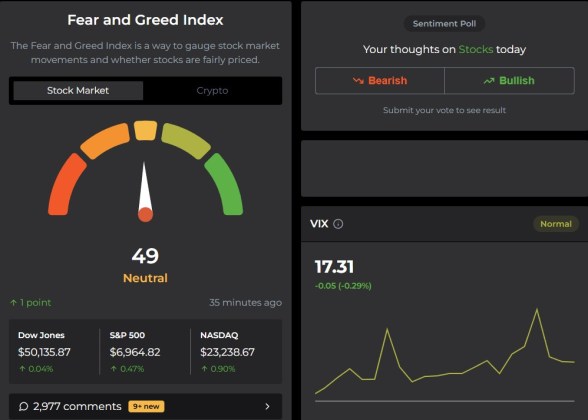
Это важно. Корреляция между макросами традиционных финансов (TradFi) и ценовыми действиями на крипторынке сейчас находится на локальном пике. Инвесторы не обязательно медвежьи настроены по отношению к технологиям; они напуганы кризисами ликвидности.
Когда правительственные операции останавливаются, выпуски экономических данных задерживаются, а регуляторная ясность исчезает. Результат? Паралич «подождем и посмотрим», который истощает объем из ордербуков. Просто посмотрите на море красного цвета среди топ-100 токенов — это явный уход в безопасные активы.
Копните немного глубже в данные on-chain, и вы заметите расхождение. В то время как макрокоррелированные основные активы спотыкаются, капитал на самом деле не уходит. Вместо этого он перетекает в инфраструктурные проекты, которые работают независимо от немедленного регуляторного шума.
Умные деньги ищут «уход к полезности» — активы, решающие фундаментальные проблемы масштабируемости независимо от макросреды. Bitcoin Hyper ($HYPER) возглавляет этот контртрендовый заряд, привлекая серьезные притоки, в то время как более широкий рынок колеблется.
Узнайте больше о Bitcoin Hyper здесь.
Bitcoin Hyper Привносит Высокоскоростные Технологии SVM В Старую Гвардию
В то время как Биткоин остается безупречным залоговым обеспечением криптомира, его полезность в качестве транзакционного уровня серьезно ограничена 10-минутным временем блока.
Откровенно говоря, отсутствие встроенной возможности смарт-контрактов — это головная боль, с которой разработчики мирились десятилетие. Именно это узкое место и решает Bitcoin Hyper (и это объясняет, почему проект отделяется от общего рыночного настроения).
Интегрируя Solana Virtual Machine (SVM) в качестве решения второго уровня поверх Биткоина, протокол предлагает комбинацию, которую инвесторам трудно игнорировать: несокрушимую безопасность Биткоина и молниеносную скорость Соланы.
Интерес здесь движется тезисом «уровня исполнения». Разработчики годами хотели создавать высокоскоростные DeFi и игровые платформы, защищенные Биткоином, но жесткий язык сценариев базового уровня делал это почти невозможным. Bitcoin Hyper исправляет это модульной архитектурой. Он использует Bitcoin L1 для окончательного расчета, в то время как использует SVM L2 в реальном времени для исполнения.
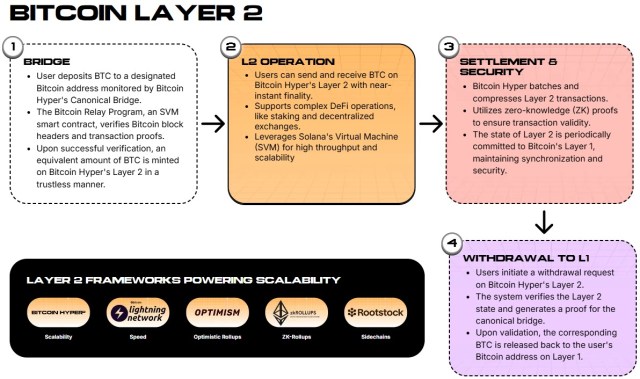
Это позволяет достичь окончательности менее чем за секунду и ничтожных транзакционных издержек, эффективно решая «Блокчейн Трилемму» для короля криптовалют.
Для разработчиков это среда с нулевым трением. Они могут использовать Rust, отраслевой стандарт для высокопроизводительных dApps, для развертывания приложений, использующих ликвидность Биткоина на триллион долларов.
Кроме того, Децентрализованный Канонический Мост обеспечивает бездоверительные переводы между уровнями, устраняя риски централизации, которые мы часто видим в мостах с обернутыми токенами. Этот подход, ориентированный на полезность, действует как хедж; даже когда цены падают, спрос на более быстрые и дешевые транзакции не исчезает.
Купите $HYPER здесь.
Киты Накопляют $HYPER По Мере Того, Как Пресейл Преодолевает Крупный Рубеж
Это расхождение между падением рынка на 2% и траекторией Bitcoin Hyper ($HYPER) четко проявляется в цифрах финансирования. В то время как розничные трейдеры панически продают основные активы, sophisticated инвесторы тихо накапливают позиции в этой предрыночной инфраструктуре.
Согласно официальной странице предпродажи, Bitcoin Hyper уже привлек $31,3 млн — число, которое говорит о высокой убежденности ранних сторонников, несмотря на внешний мрак.
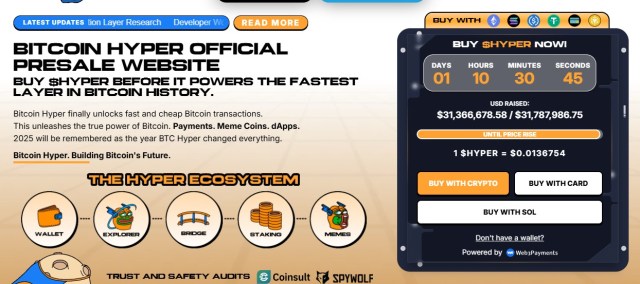
Поведение умных денег часто является канарейкой в угольной шахте. Записи Etherscan показывают, что 3 кошелька китов накопили более $1 млн в недавних транзакциях. Крупнейшая покупка, внушительные $500K, произошла 15 января 2026 года.
Это накопление в период «ухода от рисков» подчеркивает специфический аппетит к протоколам Bitcoin Layer 2. Похоже, киты позиционируют себя на момент Генерации Токена (TGE), делая ставку на то, что нарратив SVM-on-Bitcoin превзойдет устаревшие альткоины, как только рыночные настроения стабилизируются.
При цене токенов в $0.0136754 точка входа выглядит подготовленной для тех, кто охотится за асимметрией. Протокол также поощряет долгосрочное хранение через модель стейкинга, предлагающую немедленный APY после TGE, в паре с коротким 7-дневным вестингом для пресейл-стейкеров.
Эта структура предназначена для снижения продавленного давления после запуска (распространенная ловушка). На рынке, парализованном страхами остановки правительства, $HYPER предлагает нарратив, который не зависит от бюджетных ассигнований конгресса.
Купите $HYPER здесь.
Информация, представленная в этой статье, предназначена только для образовательных целей и не является финансовой консультацией. Инвестиции в криптовалюты волатильны и несут высокий риск потерь. Всегда проводите собственное исследование, прежде чем инвестировать.

Похожие Посты

Dogecoin пытается удержаться на уровне $0.09370 — 2026 год станет годом Doge или $MAXI возьмет верх?

Спираль долга США приближается к $39 трлн: почему Bitcoin Hyper ($HYPER) — это хедж, за которым стоит следить

Криптобиржа Backpack планирует запуск токена в ближайшее время, а BMIC запускает квантовую защиту
Связанные с этим вопросы
QПочему криптовалютный рынок упал на 2% в последние 24 часа?
AКриптовалютный рынок упал примерно на 2% из-за опасений остановки правительства США, что вызвало краткосрочный кризис ликвидности и поведение по снижению рисков в отношении основных активов, таких как BTC и ETH.
QЧто такое Bitcoin Hyper ($HYPER) и какую проблему он решает?
ABitcoin Hyper — это протокол второго уровня (L2), который интегрирует виртуальную машину Solana (SVM) в сеть Bitcoin. Он решает проблему масштабируемости Bitcoin, предлагая высокоскоростные смарт-контракты с окончательностью менее секунды и низкой стоимостью транзакций, сочетая безопасность Bitcoin со скоростью Solana.
QКакую сумму собрал Bitcoin Hyper на пресейле и что это означает?
ABitcoin Hyper уже привлек 31,3 миллиона долларов на пресейле. Эта значительная сумма, собранная во время общего спада на рынке, свидетельствует о высокой уверенности крупных инвесторов в нарратив Bitcoin L2 и в фундаментальную полезность проекта.
QКакое поведение «умных денег» наблюдается на рынке во время этого спада?
AВместо того чтобы покидать рынок, «умные деньги» (крупные инвесторы) перемещают капитал из коррелированных активов в инфраструктурные проекты, предлагающие фундаментальную utility-полезность. Они накапливают такие активы, как $HYPER, делая ставку на долгосрочные перспективы масштабирования Bitcoin, а не на краткосрочные макроэкономические шумы.
QКакие технические преимущества предлагает Bitcoin Hyper для разработчиков?
ABitcoin Hyper предлагает разработчикам среду с нулевым трением. Они могут использовать язык программирования Rust для развертывания высокопроизводительных dApps (децентрализованных приложений), таких как DeFi и gaming, которые используют ликвидность Bitcoin. Модульная архитектура использует Bitcoin L1 для окончательного расчета, а SVM L2 — для исполнения, с децентрализованным мостом для безопасного перемещения активов между слоями.
Похожее





Торговля

