GOAT Network недавно объявила о партнерстве с латиноамериканской финтех-платформой DitoBanx для запуска в Мексике пилотного проекта по получению дохода в биткоинах, который позволит более чем 100 000 пользователям получать доход в BTC, сохраняя при этом полное самостоятельное хранение биткоинов.
В данном пилотном проекте в регулируемом мобильном приложении DitoBanx представлен белый лейбл продукта Safebox от GOAT Network. Это решение сочетает в себе фиатный он-рамп и соответствие нормативным требованиям, а также использует некастодиальную структуру дохода, позволяя пользователям участвовать в получении дохода в биткоинах без необходимости передачи активов на хранение учреждениям или участия в схемах кредитования.
Структурно иной подход к получению дохода в биткоинах
Долгое время продукты для получения дохода в биткоинах в основном полагались на кастодиальную модель, при которой активы пользователей хранятся на бухгалтерских книгах бирж или используются для получения дохода через кредитование, рестейкинг и другие методы. Хотя такие модели снижают порог входа, они также вводят контрагентские риски и кредитные риски, которые в прошлом неоднократно подрывали доверие рынка к продуктам для получения дохода в биткоинах.
Пилотный проект Safebox в своей структурной конструкции следует иным путем.
Все внесенные активы защищены по принципу сохранения本金 (основной суммы), весь доход выплачивается в биткоинах и поддерживается механизмом вознаграждения децентрализованного секвенсера GOAT Network. Эта модель не зависит от кредитования, рестейкинга или рисков баланса учреждений, а вместо этого реализует доход в биткоинах путем отделения регулируемого уровня доступа от самого механизма получения дохода.
Такая структура позволяет пользователям участвовать в программе получения дохода без необходимости продавать, оборачивать (wrapping) или отказываться от права собственности на свои биткоины.
Создание моста между регулируемым доступом и самостоятельным хранением
Это партнерство отражает возможное направление эволюции биткоин-продуктов для массового пользователя.
DitoBanx предоставляет регулируемый уровень доступа, включая KYC, фиатные каналы и привычный пользовательский опыт в мобильном приложении; в то же время, дизайн структуры дохода позволяет избежать встраивания активов пользователей в кастодиальные бухгалтерские книги или кредитные финансовые продукты. Такая раздельная архитектура позволяет пользователям участвовать в получении дохода в биткоинах через регулируемую финтех-платформу, сохраняя при этом контроль над своими активами.
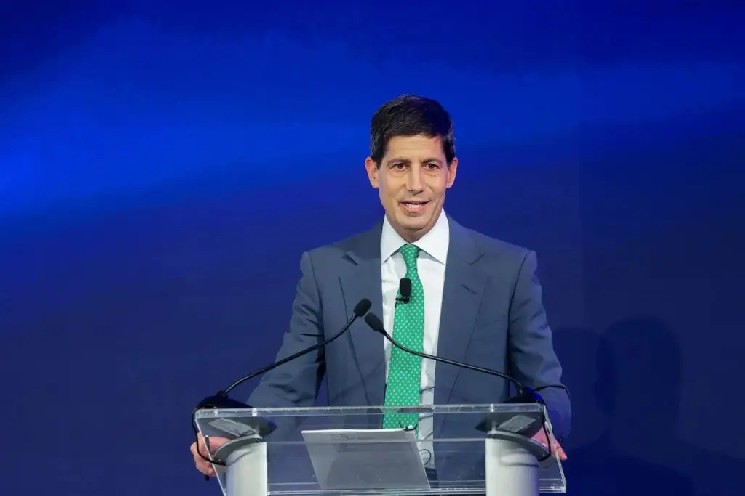
Кевин Лю (Kevin Liu), ключевой участник GOAT Network, заявил:
«Партнерство с DitoBanx и запуск пилотного проекта по получению дохода в BTC с помощью Safebox знаменует собой важный шаг на пути к более инклюзивному финансовому будущему следующего поколения. Мы совместно предоставляем доход на основе биткоина обычным пользователям в Мексике, принося на развивающиеся рынки подлинную финансовую свободу, инновации и долгосрочную устойчивость».
Пилотный проект предлагает годовую процентную доходность (APY) в размере 1,5%, рассчитываемую пропорционально на трехмесячный срок. По окончании пилотного проекта пользователи могут забрать свои исходные биткоины и полученный доход.
Расширение доступности биткоин-финансов в Латинской Америке
Для DitoBanx этот пилотный проект является важным шагом в продвижении практических биткоин-финансовых услуг в Латинской Америке.
Гильермо Контрерас (Guillermo Contreras), генеральный директор DitoBanx в Латинской Америке, заявил:
«Этот пилотный проект с GOAT Network является переломным моментом для наших клиентов в Мексике. Впервые пользователи могут хранить биткоины в полностью некастодиальном аккаунте — всегда сохраняя полный контроль над своими приватными ключами — и при этом получать доход, не продавая, не оборачивая (wrapping) и не отказываясь от права собственности на свои биткоины. Это именно тот тип финансовых инноваций, который мы поддерживаем: дать людям возможность приумножать свое богатство, не жертвуя суверенитетом, прозрачностью или безопасностью. Для DitoBanx этот проект дополнительно укрепляет нашу приверженность построению подлинно ориентированной на пользователя финансовой инфраструктуры поверх биткоина, а не просто наложению продуктов на него.»
В настоящее время DitoBanx работает в семи странах, включая Мексику, США, Панаму и Сальвадор. По мере продвижения пилотного проекта в Мексике стороны планируют изучить возможность расширения этого продукта на другие рынки, где работает DitoBanx.
Потенциальный путь эволюции сберегательных продуктов в биткоинах
Хотя проект все еще находится на ранней стадии, он демонстрирует возможное направление развития сберегательных продуктов в биткоинах. Полностью кастодиальные модели получения дохода имеют преимущества с точки зрения дистрибуции и соответствия требованиям, но часто вновь вводят кредитные и контрагентские риски; в то время как чисто некастодиальные системы, хотя и снижают эти риски, с трудом достигают массовых пользователей, которые полагаются на регулируемые платформы для открытия счетов и осуществления платежей.
В этом контексте гибридная структура, где регулируемые учреждения отвечают за доступ и дистрибуцию, а механизм получения дохода остается согласованным с минимально доверенной архитектурой биткоина, может предложить более жизнеспособный средний путь. Если эта модель окажется масштабируемой, она может предоставить надежный шаблон для интеграции продуктов получения дохода в биткоинах в основную финансовую систему, без повторения структурных рисков прошлых моделей.